


 English
 Español
 عربى
عربى

Get Social
Choose DEIF for the perfect blend of
performance and aesthetics.
 Get Free Sample

Content
Engineered wood flooring has become one of the most important material choices for residential interiors, hospitality spaces, commercial projects, and architectural renovation work. It offers the visual warmth of real wood while improving dimensional stability, installation flexibility, and design consistency. Among the many options available, Multi-Layer Light Brown Mountain Grain Lock DIV Engineered Wood Flooring stands out as a practical and visually refined flooring solution for projects that require natural character, durable construction, and adaptable specifications.
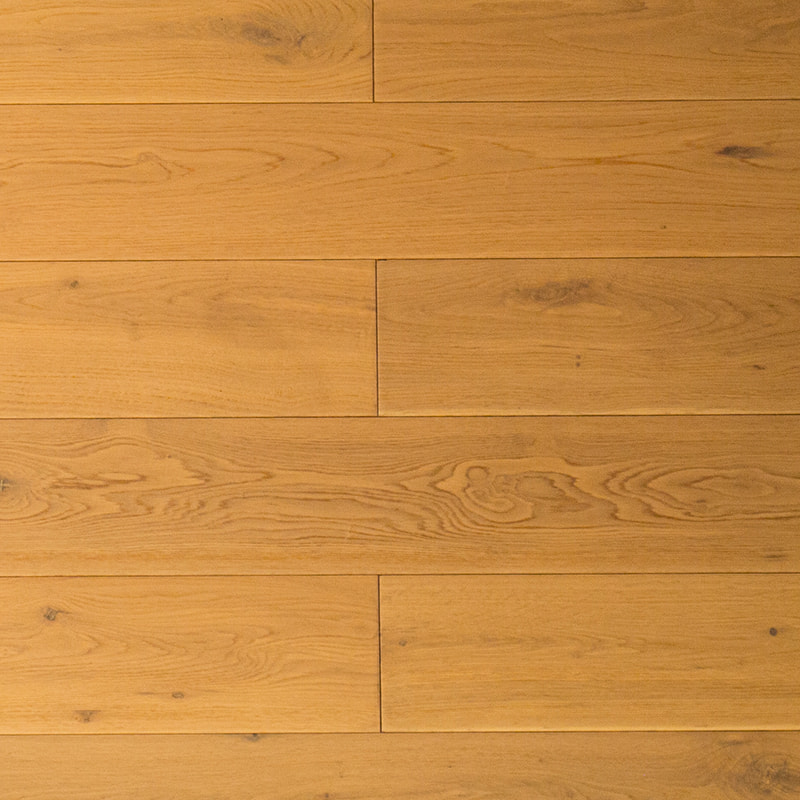
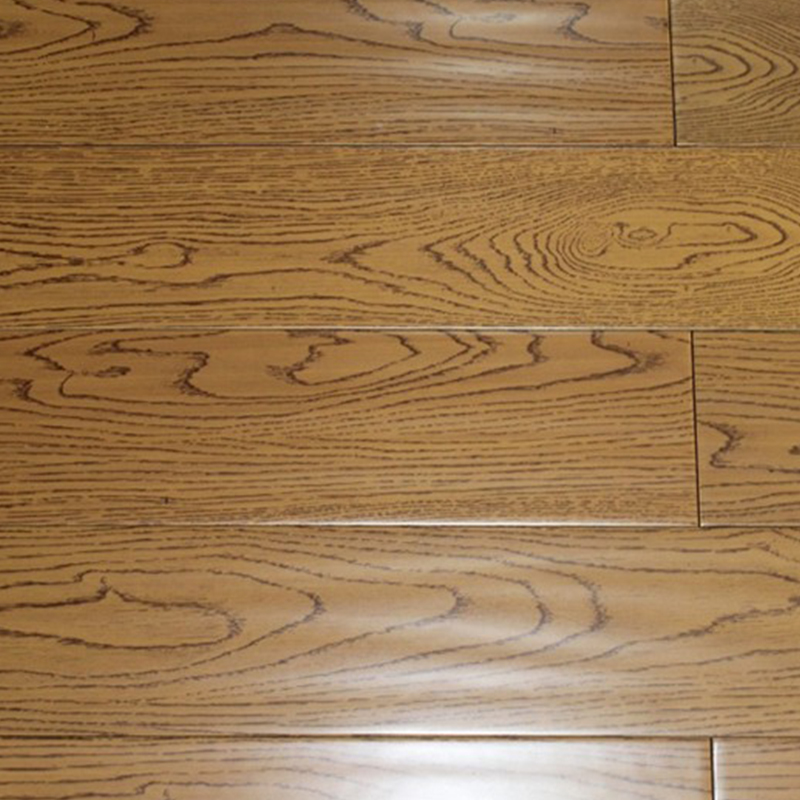
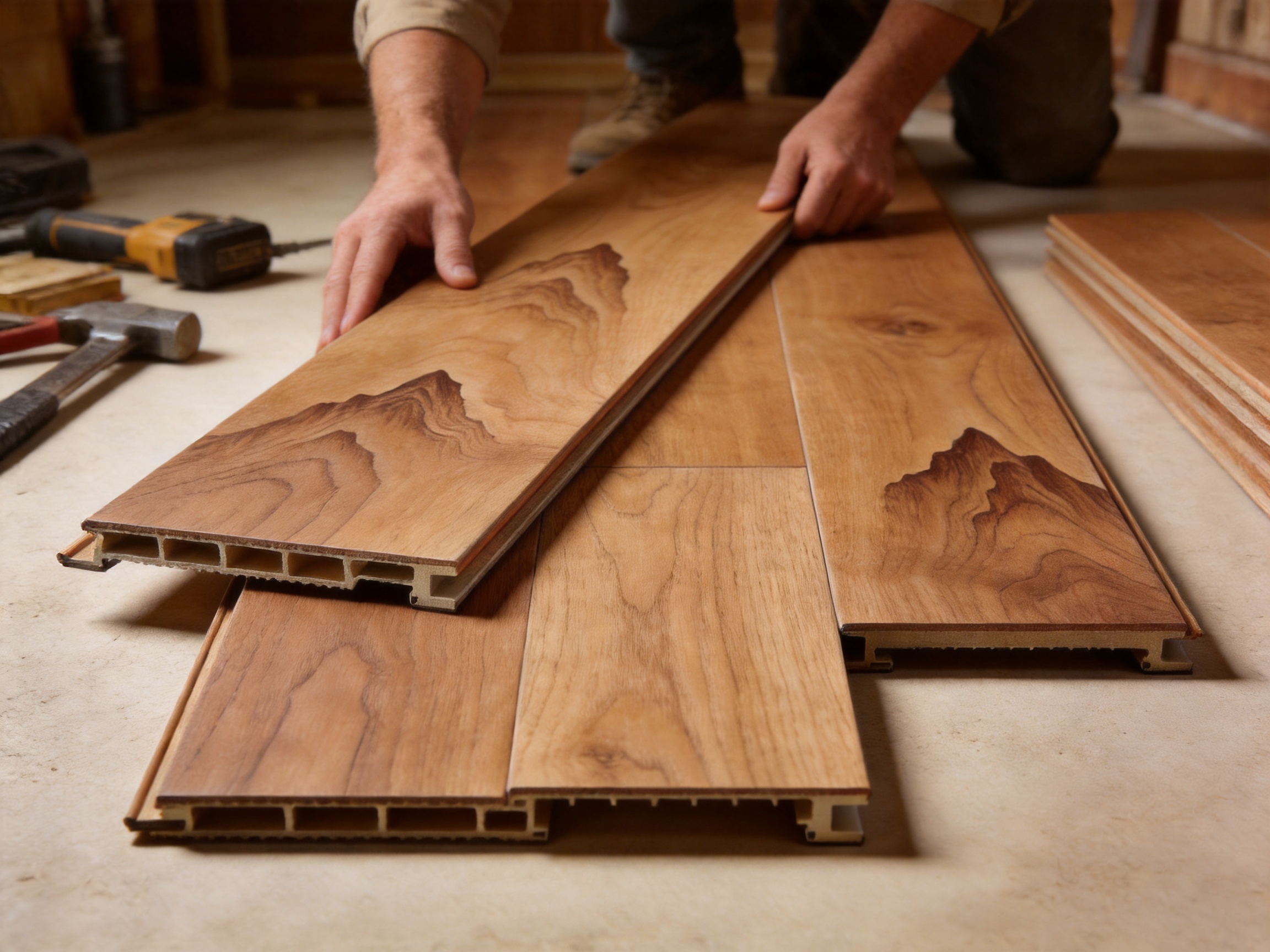
This flooring is designed with a natural wood veneer surface, a stable engineered core, a 7-layer UV coating system, and a click locking profile that supports efficient installation. Its light brown mountain grain appearance creates a balanced interior effect: warm enough for comfortable homes, refined enough for guesthouses and public areas, and versatile enough for modern, transitional, rustic, and minimalist design styles. The walnut-inspired grain pattern is layered and expressive, giving the floor a sense of depth without overwhelming the surrounding decoration.
For buyers comparing wood flooring options, the value of this product lies not only in its surface appearance but also in its structural engineering. Traditional solid wood flooring can be beautiful, but it may respond strongly to seasonal humidity changes. Low-quality laminate flooring can be economical, but it often lacks the authentic surface feel and long-term refinishing potential of real wood veneer. This engineered wood flooring bridges the gap by combining a real wood surface with a multi-layer or three-layer engineered structure that resists warping, deformation, and cracking.
The product is also supported by a manufacturer with extensive experience in wood flooring, wooden doors, and custom cabinet solutions. With more than two decades of industry expertise, large-scale production facilities, export experience, advanced equipment, and strict quality inspection procedures, the production process is built to serve distributors, contractors, architects, developers, and project buyers. This combination of product design and manufacturing strength gives the flooring a competitive advantage in both residential and commercial applications.
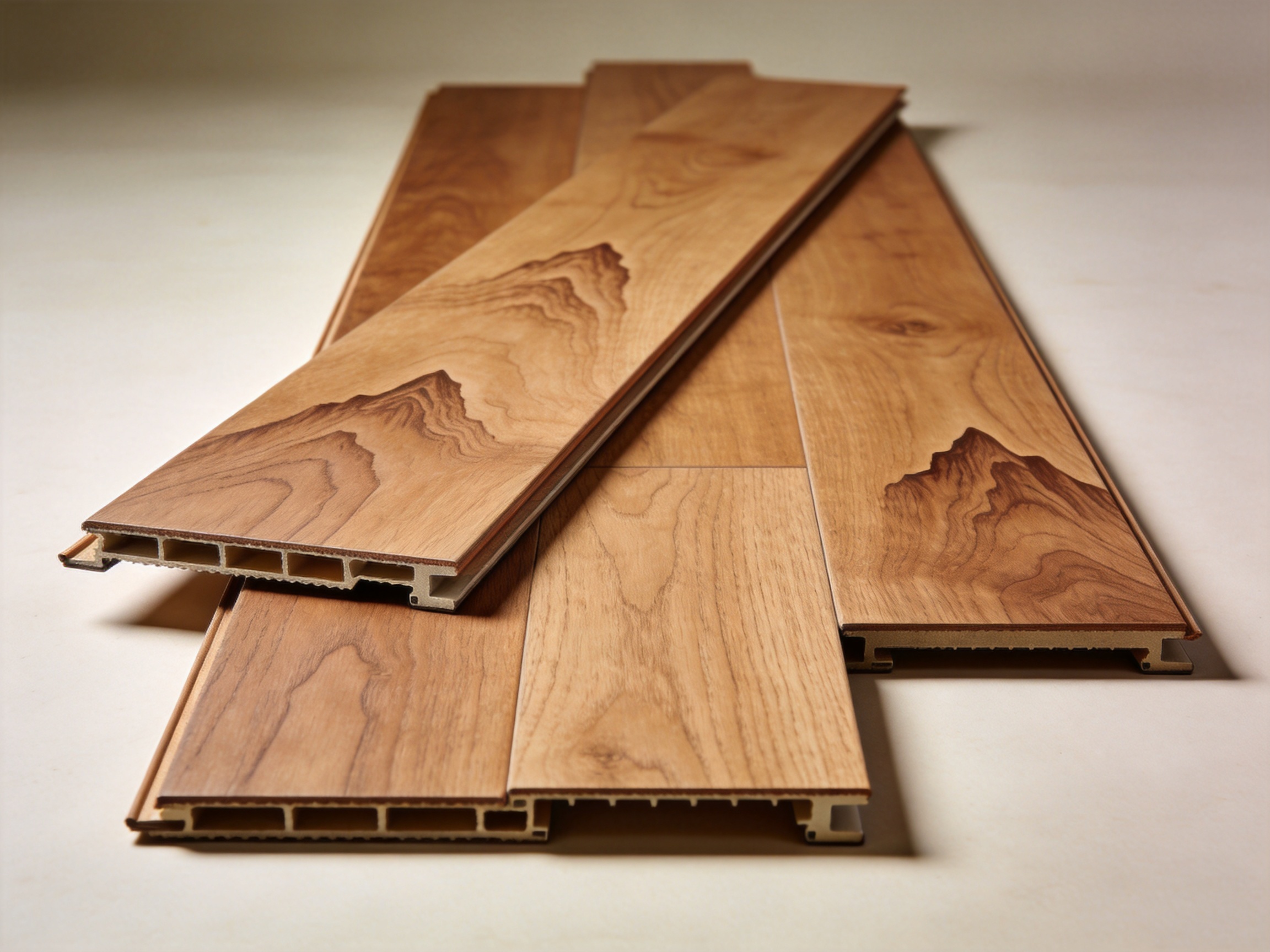
Multi-Layer Light Brown Mountain Grain Lock DIV Engineered Wood Flooring is an engineered wood floor designed for stable interior performance and adaptable decorative use. Its visual identity is based on a light brown tone with a mountain-like walnut grain texture. The grain appears natural, layered, and warm, helping interior spaces feel more comfortable and visually grounded. Because the tone is not too dark and not too pale, it works well with a wide range of furniture finishes, wall colors, and lighting conditions.
The flooring belongs to the engineered wood flooring category and is commonly configured with a three-layer construction using a spruce, fir, or pine core. Multi-layer configurations can also use eucalyptus or birch cores depending on the project requirement. The face veneer can be customized in oak, walnut, ash, teak, or other available species. Veneer thickness options may include 2 mm, 3 mm, 4 mm, and 6 mm, allowing buyers to select the right balance between cost, appearance, service life, and renovation potential.
Its surface is protected by a 7-layer UV coating system that improves wear resistance, scratch resistance, stain resistance, and overall finish stability. Depending on the project style, buyers can choose UV lacquer, UV oil, or hardwax oil. Surface textures can also be customized, including wire brushed, handscraped, or smooth sanded effects. These options make the floor suitable for design-led projects where surface touch and visual detail matter as much as technical performance.
The product uses a click locking system, referred to in the provided product information as a Lock DIV system. This profile helps create a precise, noise-reduced installation experience and supports floating, glue-down, or staple installation methods. For renovation projects, apartments, occupied homes, and spaces with limited construction time, a reliable click system can reduce labor complexity and shorten installation schedules.
The following table summarizes the core technical and commercial specifications of the flooring. These details may be customized according to project requirements, especially for veneer species, surface treatment, grade, color, and size.
| Product Type | Engineered Wood Flooring |
| Collection Category | 3-Layer Engineered Flooring |
| Typical Dimensions | 48.0 in × 7.7 in × 5/8 in |
| Face Veneer | Customizable: Oak, Walnut, Ash, Teak |
| Veneer Thickness | Customizable: 2 mm, 3 mm, 4 mm, 6 mm |
| Core Construction | 3-Layer Engineered Wood |
| Core Layer | Spruce, Fir, or Pine |
| Alternative Core Options | Multi-layer Eucalyptus or Birch Core |
| Veneer Grade | Customizable: AB, ABC, ABCD, CD |
| Veneer Cut | Sliced Veneer |
| Surface Finish | UV Lacquer, UV Oil, Hardwax Oil |
| Surface Texture | Wire Brushed, Handscraped, Smooth Sanded |
| Profile Detail | Micro-Bevel on All Four Sides |
| Locking System | Click System |
| Pieces Per Carton | 10 |
| Coverage Per Carton | 2.39 Square Meters / 25.73 Square Feet |
| Weight Per Carton | Approximately 24 kg |
| Installation Methods | Floating, Glue-Down, Staple |
| Certifications | CE, FSC, CARB P2, ISO 9001 Support Depending on Project Requirements |
The most immediate advantage of this flooring is its real wood veneer surface. A natural veneer gives each plank the authentic grain, color variation, and tactile quality that synthetic flooring cannot fully replicate. The light brown mountain grain pattern is especially attractive because it offers movement and texture without being visually chaotic. It can serve as a neutral design foundation while still providing character.
Compared with laminate flooring, which uses a printed decorative layer, this engineered wood floor provides a genuine wood surface. That distinction matters in mid-range and premium residential projects, boutique hospitality spaces, and commercial interiors where material authenticity affects perceived value. Guests, homeowners, and buyers can see and feel the difference between real wood and imitation surfaces. Real veneer also gives the floor a more natural aging behavior over time.
Compared with solid wood flooring, the veneer-based engineered structure offers better dimensional control. The visible surface remains real wood, while the engineered base reduces movement caused by humidity and temperature changes. This is one of the most important reasons engineered wood has become popular in modern construction. It allows designers and contractors to use real wood aesthetics in spaces where solid wood may be risky or difficult to maintain.
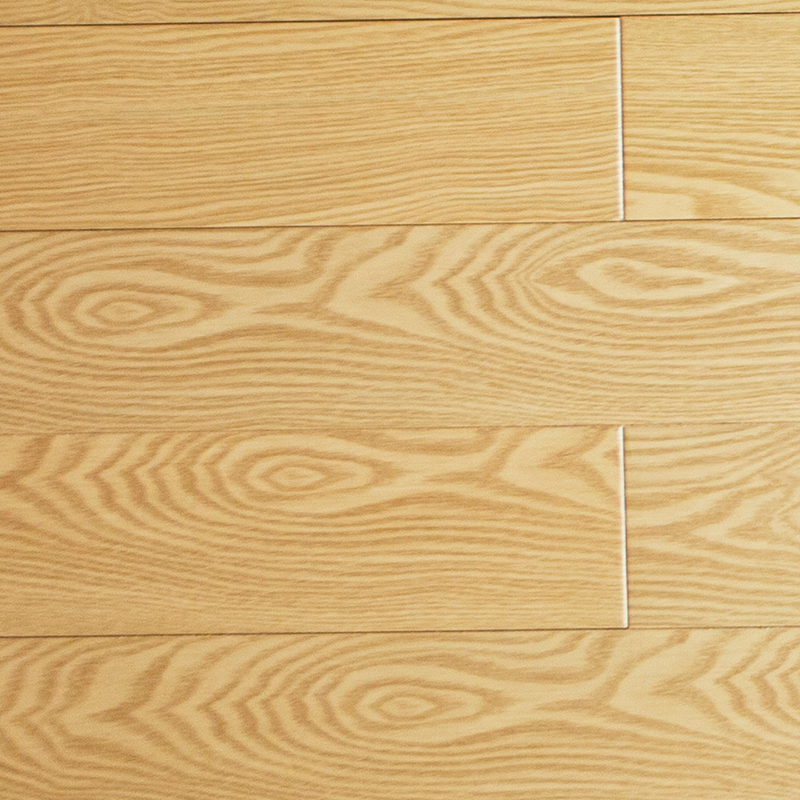
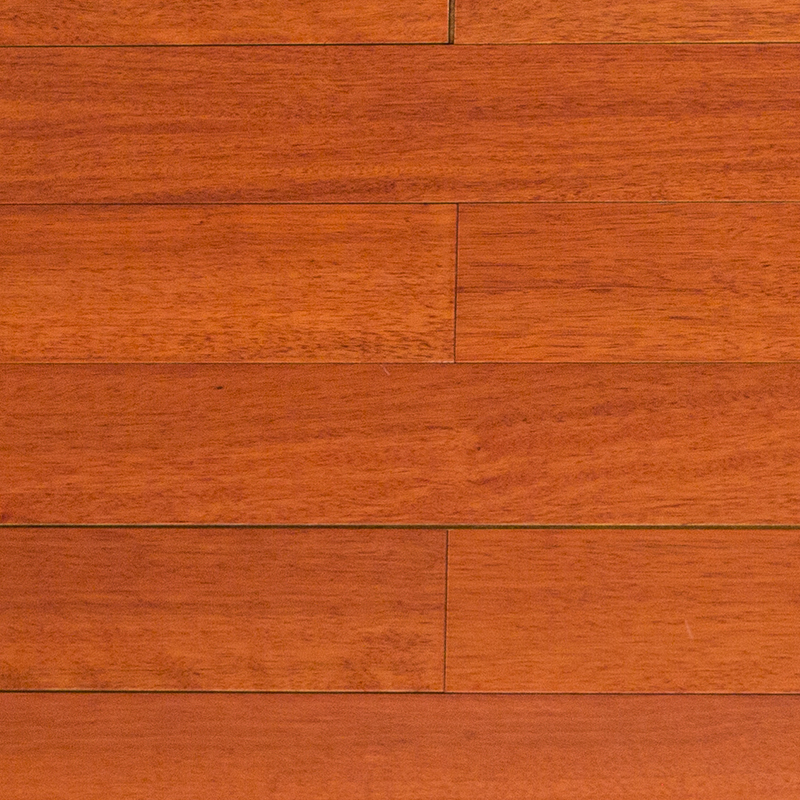
The availability of multiple veneer species further improves project flexibility. Oak offers a classic grain and strong market recognition. Walnut provides deeper visual richness and elegance. Ash offers a cleaner, lighter, more contemporary grain. Teak can create a premium appearance with distinctive tone and natural appeal. By allowing veneer selection, the product can be adapted to different regional preferences and design concepts.
The light brown color of this flooring is one of its most commercially valuable features. Flooring color has a major impact on interior atmosphere. Very dark floors can feel luxurious but may show dust and scratches more easily. Very pale floors can feel modern and spacious but may seem cold in some environments. Light brown is a balanced middle tone, making it suitable for a broad range of projects.
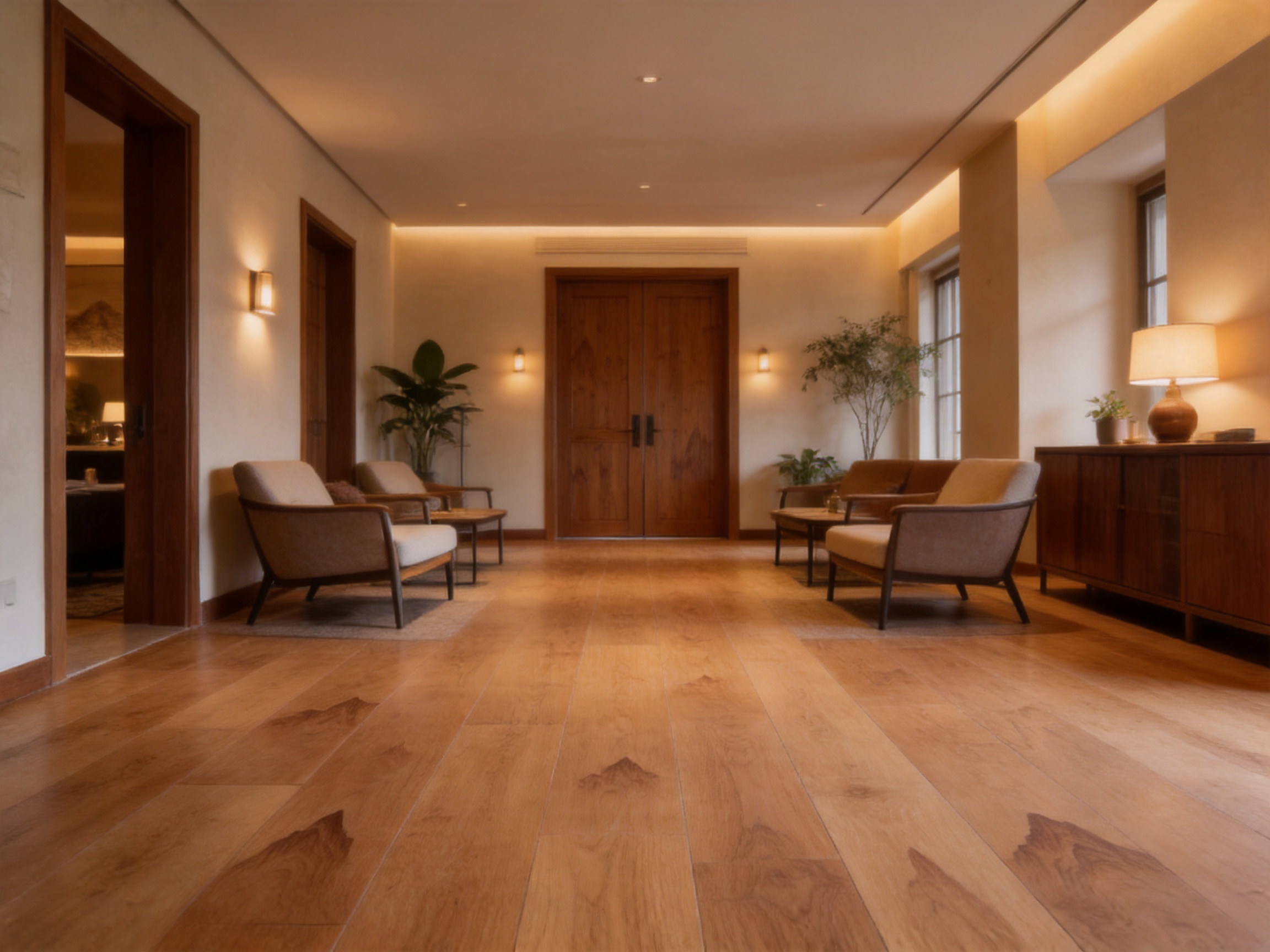
The mountain grain effect introduces a sense of natural layering. The grain lines create movement across the floor, helping the room feel organic and inviting. In living rooms, it can add warmth under soft lighting. In bedrooms, it can provide a calm and restful foundation. In guesthouses, corridors, lounges, and shared areas, it can support a welcoming environment without requiring overly complex decoration.
Designers often choose flooring as the base element for the entire interior palette. This product works well with white walls, beige textiles, black metal details, brass fixtures, stone countertops, painted cabinets, wooden doors, and natural fiber furniture. It can also coordinate with custom cabinets and interior woodwork when a unified wood solution is required across a project.
From a market perspective, this visual versatility gives the product an advantage over highly specialized flooring colors. Trend-focused colors may perform well for a short period but can become outdated quickly. A balanced light brown wood tone has long-term appeal and is easier for distributors to sell across multiple customer groups. Contractors also benefit because the product can fit many design schemes without requiring excessive sample changes.
The engineered structure is central to the product’s performance. Wood is a natural material that expands and contracts when moisture levels change. In solid wood flooring, this movement can lead to gaps, cupping, crowning, or cracking if the environment is unstable. Engineered flooring reduces these risks by using a layered construction that balances stress and improves dimensional stability.
In the three-layer configuration, the product uses a natural wood veneer surface, a stable core layer such as spruce, fir, or pine, and a balancing layer. The direction and composition of the layers help control movement. In multi-layer versions, eucalyptus or birch plywood-type cores may be used to create additional strength and stability. This makes the product suitable for regions or spaces where seasonal humidity fluctuation is a concern.
High stability is especially valuable in kitchens, entryways, guesthouses, apartments, and commercial interiors where environmental conditions may vary. Although all wood flooring requires proper installation and maintenance, engineered construction gives the floor a stronger foundation for long-term service. It reduces the likelihood of deformation and cracking, helping protect the buyer’s investment.
Compared with low-cost engineered flooring that may use inconsistent core materials or weak bonding systems, this product benefits from controlled manufacturing processes and strict quality inspections. A stable core must be carefully dried, calibrated, bonded, pressed, and conditioned. When these steps are properly managed, the finished floor performs more reliably in real use.
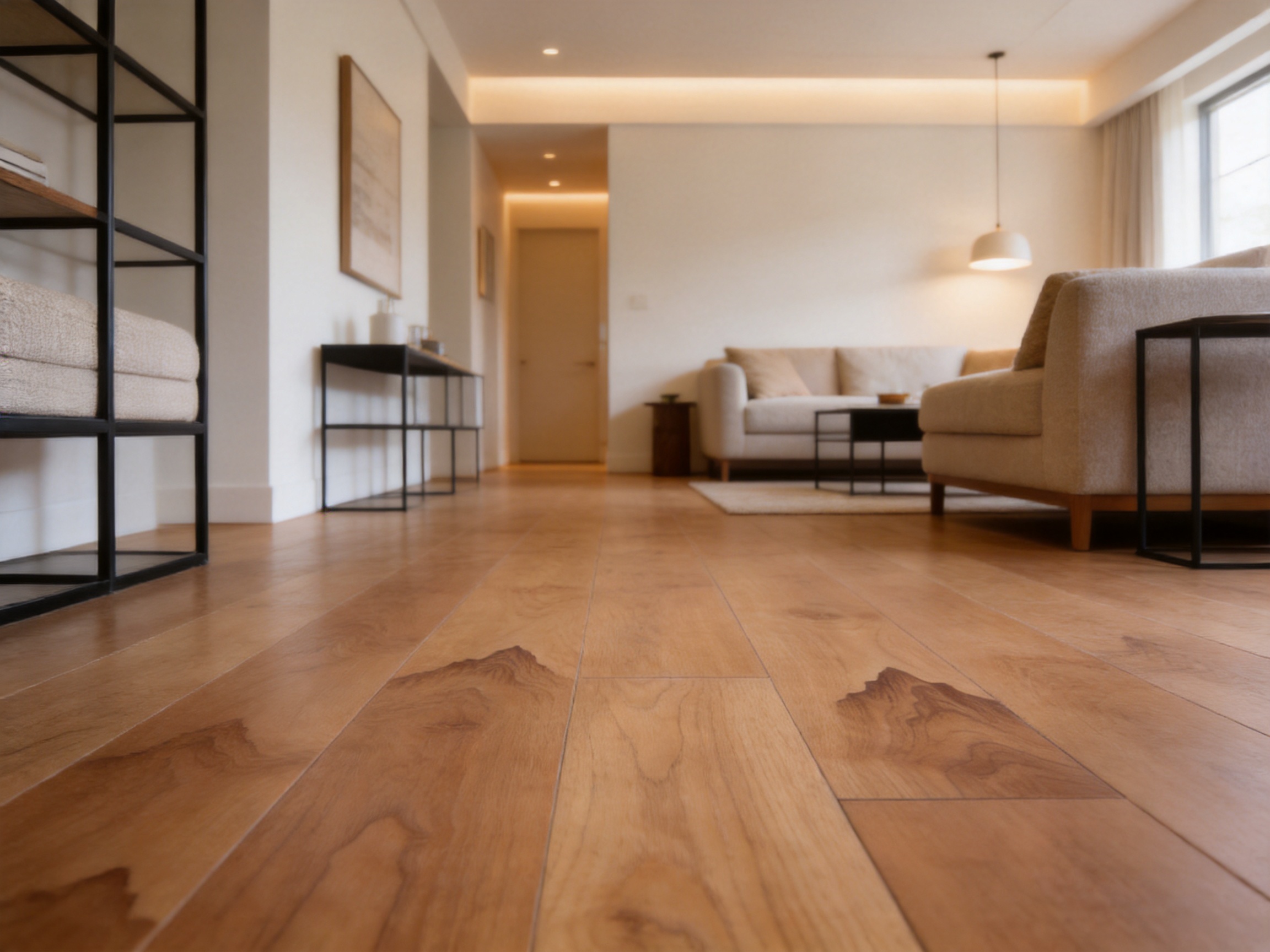
The flooring surface is protected by a 7-layer UV coating system. This coating structure improves resistance to daily wear, scratches, and staining. In modern homes and commercial spaces, flooring must withstand shoes, furniture movement, cleaning routines, sunlight exposure, children, pets, and regular foot traffic. A durable surface finish is therefore essential.
UV coating offers several advantages. It cures quickly under ultraviolet light, creating a consistent protective layer with good hardness and adhesion. Multiple coating layers help build depth and durability. The finish can be adjusted to different gloss levels, from high-gloss to matte, depending on the desired design effect. A matte finish may be preferred for contemporary natural interiors, while a glossier finish can create a brighter, more polished appearance.
The 7-layer system gives this flooring a competitive advantage over products with thinner or less controlled finishes. Some budget floors may look attractive when new but show wear quickly in active spaces. A stronger coating helps maintain appearance over time and reduces customer complaints related to premature surface damage. For distributors and project contractors, this reliability is important because after-sales issues can be costly.
The product can also be finished with UV lacquer, UV oil, or hardwax oil. UV lacquer is commonly selected for easy cleaning and strong surface protection. UV oil can highlight natural wood character with a softer look. Hardwax oil offers a refined tactile finish and can be suitable for projects emphasizing natural material expression. This finish flexibility allows buyers to match performance needs with design preferences.
The click locking system is another practical advantage. Installation efficiency affects total project cost, scheduling, and site disruption. A reliable click profile allows boards to connect securely with consistent alignment. This supports floating installation and may also be combined with glue or staple methods when required by site conditions.
For occupied homes, apartment renovations, guesthouse upgrades, and commercial refurbishments, time is often limited. A flooring product that installs efficiently can reduce labor hours and minimize disruption. The Lock DIV concept mentioned in the product information emphasizes a noise-free or reduced-noise installation result, making the floor suitable for homes already in use.
Precision milling is essential for click flooring. If the locking profile is too loose, the floor may develop gaps or movement. If it is too tight, installers may struggle, and board edges may be damaged. A manufacturer with advanced machining equipment and quality control systems can maintain better profile accuracy across production batches. This is especially important for large projects where many cartons must match and install consistently.
The micro-bevel on all four sides enhances the installed appearance. It creates subtle definition between planks, helps manage slight surface variation, and gives the floor a crafted look. Micro-bevel edges are widely preferred in engineered wood flooring because they balance visual detail with ease of maintenance.
When compared with solid wood flooring, this engineered flooring offers superior dimensional stability. Solid wood is made from a single piece of timber, which gives it heritage appeal but also makes it more sensitive to environmental change. Engineered flooring retains the beauty of real wood while reducing movement through layered construction. This makes it easier to use in modern interiors, especially where climate control is not perfect.
When compared with laminate flooring, this product offers a real wood veneer rather than a printed image. Laminate can be economical and durable, but it does not provide the same authenticity, texture, or premium value. For buyers who want genuine wood appearance and a higher-end interior result, engineered wood is generally more desirable.
When compared with vinyl flooring, this product offers a natural wood material surface and a more traditional wood flooring feel. Vinyl has waterproof advantages in certain applications, but some customers prefer natural materials and avoid plastic-based finishes in living areas, bedrooms, and hospitality spaces. Engineered wood can create a warmer and more refined atmosphere.
When compared with low-grade engineered flooring, this product is differentiated by its customizable veneer options, multi-layer or three-layer stability, 7-layer UV coating, click system, and compliance support. The availability of FSC, CE, CARB P2, and ISO-related production standards is valuable for export markets, project bids, and environmentally responsible procurement.
Another advantage is the manufacturer’s ability to support OEM and ODM customization. Many competitors offer standard sizes and colors only. For distributors, private labels, and architects, customization can be critical. A project may require a specific plank size, veneer grade, surface texture, finish sheen, or packaging configuration. The ability to develop tailored solutions improves market responsiveness and helps buyers differentiate their own product lines.
The quality of engineered wood flooring depends heavily on manufacturing control. A visually attractive sample is not enough. Large orders require stable raw materials, accurate machining, controlled moisture content, strong bonding, consistent coating, and careful packaging. The manufacturer behind this product has built its capabilities around these needs, serving global partners in flooring, doors, and custom wood solutions.
Founded in 1999, the company has more than 20 years of expertise in wood product manufacturing. This long-term experience matters because wood processing requires practical knowledge of species behavior, drying conditions, adhesive performance, coating compatibility, export packaging, and international compliance. Problems that may not appear in small workshops can become serious in export-scale production. Experienced manufacturers are better equipped to prevent these issues before shipment.
The production facilities cover approximately 20,000 square meters, supporting stable capacity and organized manufacturing flow. Annual flooring production capacity reaches approximately 2,400,000 square meters, with additional capability in wooden doors and custom cabinetry. This scale is important for distributors and contractors who need consistent supply, repeat orders, and project delivery reliability.
German imported production lines and automated quality control systems further strengthen production accuracy. Advanced equipment can improve cutting precision, pressing consistency, sanding flatness, coating uniformity, and profiling accuracy. In engineered flooring, small tolerances matter. Board thickness variation, uneven coating, poor click milling, or unstable moisture content can all affect installation and long-term performance.
The company also supports 72-hour rapid prototyping. This is a significant benefit for architects, designers, importers, and distributors developing new collections. Instead of waiting weeks for samples, buyers can evaluate color, texture, finish, and construction options quickly. Faster sampling shortens product development cycles and helps project teams make decisions before deadlines.
A three-step quality inspection process is used to support consistent product quality. While specific inspection details may vary by order, a strong flooring quality system typically includes raw material inspection, in-process control, and finished product inspection. Each stage is important because defects can originate from different parts of the production chain.
Raw material inspection focuses on veneer quality, core material stability, moisture content, grade consistency, and visible defects. The veneer must match the selected grade, whether AB, ABC, ABCD, or CD. Moisture levels must be controlled because excessive moisture can cause future movement, while overly dry material may create brittleness or bonding issues.
In-process control includes checking bonding pressure, adhesive application, board flatness, sanding accuracy, coating layers, curing performance, and click profile precision. Engineered flooring relies on strong adhesion between layers. If pressing is inconsistent, delamination can occur. If sanding is uneven, the finish may look patchy. If the click system is inaccurate, installation problems may arise.
Finished product inspection verifies dimensions, appearance, surface finish, carton quantity, packaging strength, and order specifications. Export flooring must be packaged to withstand transport, handling, humidity changes, and storage. Proper carton labeling, protective wrapping, and palletizing reduce damage risks during international shipment.
This quality discipline gives the product an advantage over suppliers that rely mainly on final visual checks. High-quality flooring cannot be inspected into existence at the end; it must be built correctly at every step. By controlling materials, processing, and final inspection, the manufacturer improves the probability of stable performance after installation.
Compliance is increasingly important in global wood flooring markets. Buyers need assurance that products meet safety, environmental, and quality standards. This flooring is supported by certifications and compliance systems such as CE, FSC, CARB P2, and ISO 9001 depending on the specific order and documentation requirements.
FSC certification is important for responsible forestry sourcing. Many distributors, architects, and project owners prefer or require wood products associated with sustainable forest management. FSC support can help buyers meet green building expectations, corporate responsibility policies, and public procurement requirements.
CE compliance is relevant for European market access and indicates conformity with applicable product requirements. CARB P2 relates to formaldehyde emission control, which is important for indoor air quality and North American market expectations. ISO 9001 reflects quality management system discipline, helping demonstrate that production follows documented and controlled procedures.
For commercial and architectural projects, compliance documentation can influence supplier selection. A flooring product may be visually appealing and competitively priced, but without the right documentation it may not qualify for certain bids. By offering compliance support, the manufacturer improves the flooring’s suitability for distributors, contractors, and professional project channels.
One of the strongest commercial advantages of this engineered flooring is customization. Projects rarely have identical needs. A residential distributor may require popular oak veneer in a matte wire-brushed finish. A hotel project may request walnut tone, wider planks, and enhanced coating durability. A designer may require ash veneer with a smooth sanded surface and low-gloss UV oil. The ability to customize helps satisfy these varied requirements.
Color customization allows the flooring to match interior themes, door finishes, cabinet finishes, wall panels, and furniture. This is especially useful for whole-house wood solutions, where flooring may need to coordinate with wooden doors and cabinets. A consistent wood palette can make interiors feel more intentional and premium.
Size customization can support different design effects. Standard planks offer efficient production and broad market acceptance. Wider or longer planks can create a more luxurious appearance, while smaller formats may suit apartments or budget-sensitive projects. Thickness and veneer thickness choices also help buyers balance cost, performance, and service life.
Surface texture customization affects both appearance and feel. Wire brushing emphasizes grain and adds tactile depth. Handscraping creates a more rustic or crafted look. Smooth sanding provides a cleaner and more contemporary finish. Finish type and gloss level further refine the result. Together, these options make the flooring adaptable to multiple market segments.
In living rooms, the light brown mountain grain flooring creates warmth and comfort. The tone supports both modern and traditional furniture. It can make a room feel inviting without making it dark. Because living rooms often receive frequent foot traffic, the 7-layer UV coating and engineered stability are practical advantages.
In bedrooms, the floor provides a calm and natural foundation. Wood flooring is often preferred in bedrooms because it feels warmer and more refined than tile. The light brown tone works well with soft textiles, neutral bedding, natural curtains, and painted wardrobes. A matte or UV oil finish can create a peaceful atmosphere.
In kitchens and entryways, engineered construction can help resist deformation caused by moisture changes better than traditional solid wood. Proper installation, cleaning, and humidity control remain important, but the multi-layer or three-layer structure provides additional stability. The flooring can coordinate with custom cabinets, wooden doors, and baseboards for a unified design.
In apartments and occupied homes, the click system is highly useful. Renovation work often requires speed and reduced disturbance. Floating installation can be faster than traditional nail-down methods, and the click profile helps installers achieve consistent plank alignment. For homeowners seeking an upgrade from old laminate, tile, or worn flooring, this engineered wood option provides an attractive improvement.
Guesthouses, boutique hotels, lounges, reception areas, and common spaces need flooring that looks welcoming and performs reliably. The light brown mountain grain design gives these spaces a natural hospitality feel. Guests often respond positively to wood surfaces because they suggest comfort, quality, and warmth.
In common areas, the floor must balance aesthetics with maintenance. The UV coating helps protect against everyday wear, while the engineered core improves stability under changing use conditions. The ability to customize veneer grade and finish also allows project owners to choose the right performance and budget level.
For commercial wood flooring, repeatable production is important. A project may need hundreds or thousands of square meters of flooring with consistent color range, thickness, profile, and finish. The manufacturer’s production capacity and quality control process support larger orders more effectively than small-scale producers.
Architectural floor covering projects also benefit from documentation, sampling, and customization. Designers can request prototypes, confirm color boards, review surface textures, and coordinate flooring with other interior woodwork. This reduces risk before mass production and supports smoother project execution.
Although the product is designed for efficient installation, proper site preparation remains essential. The subfloor should be clean, dry, level, and structurally sound. Moisture testing should be performed according to local standards and project requirements. Wood flooring should be acclimated when necessary, and installation instructions should be followed carefully.
Floating installation is suitable for many residential and renovation applications, particularly when using the click system. Underlayment may be required to improve sound control, comfort, and moisture protection depending on the site. Glue-down installation can provide a firm feel and may be preferred in certain commercial or high-end residential projects. Staple installation may be used when the subfloor and product configuration are appropriate.
Expansion gaps should be maintained around walls, columns, and fixed objects. Even engineered wood needs space for natural movement. Skipping expansion gaps can lead to buckling or pressure-related damage. Installers should also mix boards from multiple cartons to create a natural grain and color distribution.
The micro-bevel edge helps achieve a refined installed result, but care should still be taken during handling. Planks should not be forced together in a way that damages the click profile. Cutting tools should be sharp, and finished surfaces should be protected during ongoing construction work.
Daily cleaning is simple. Use a soft cloth, microfiber mop, or vacuum with a wood-floor-safe attachment to remove dust and dirt. Spills should be wiped promptly to prevent moisture from sitting on the surface. Avoid soaking the floor with water, steam cleaning, or using harsh chemicals that may damage the finish.
To prevent scratches, use felt pads under furniture legs and place mats at entrances to capture sand and grit. Avoid dragging heavy furniture across the floor. In commercial or guesthouse settings, entrance matting is especially important because outdoor particles can act like abrasives under foot traffic.
Long-term care may include periodic cleaning with approved wood floor products and, depending on the finish type, applying a protective maintenance layer every 6 to 12 months. UV lacquer, UV oil, and hardwax oil finishes may have different maintenance recommendations, so the selected finish should guide the care routine.
Indoor humidity should be managed within a reasonable range. Excessive dryness can cause shrinkage, while excessive humidity can cause expansion. Engineered construction improves stability, but it does not eliminate the natural behavior of wood. Good environmental control helps maintain appearance and performance.
Distributors need products that are attractive, reliable, customizable, and supported by stable manufacturing. This flooring offers a commercially appealing light brown grain, real wood veneer, engineered stability, and multiple surface finish options. These features make it easier to position in showrooms and product catalogs.
The carton coverage of approximately 2.39 square meters or 25.73 square feet supports practical inventory planning. With 10 pieces per carton and a manageable carton weight, the product can be handled through standard flooring distribution channels. Custom packaging and OEM or ODM support may help distributors build private-label collections.
Because the manufacturer has export experience and serves global partners across Europe, North America, and Southeast Asia, it understands international buyer expectations. Export flooring requires consistent documentation, packaging, communication, and production scheduling. These capabilities reduce risk for importers and wholesalers.
The ability to rapidly prototype new colors and textures is particularly useful for distributors responding to market trends. If customer preferences shift toward matte finishes, brushed textures, wider planks, or specific wood species, the manufacturer can support faster development. This improves competitiveness in fast-moving flooring markets.
Contractors value installation reliability, consistent dimensions, and reduced jobsite complications. The click system, micro-bevel edges, and engineered core contribute to easier installation and better finished results. Stable supply and quality inspection also reduce the risk of receiving inconsistent batches.
Architects and designers value aesthetics, material authenticity, and customization. The real wood veneer, natural mountain grain pattern, and finish options support a wide range of design concepts. The floor can be coordinated with wooden doors, cabinets, stair elements, and wall panels for integrated interior schemes.
For project-based applications, documentation and compliance support can be decisive. CE, FSC, CARB P2, and ISO-related capabilities help the flooring fit into professional procurement environments. The manufacturer’s experience with global partners also supports communication and technical coordination.
The product is suitable for residential developments, private villas, apartment renovations, guesthouses, boutique hotels, and common areas. It offers enough visual warmth for homes and enough professional structure for commercial projects. This balance makes it a versatile specification choice.
Sustainable material selection is increasingly important in interior construction. Wood is a renewable material when sourced responsibly, and engineered flooring can use valuable hardwood veneer efficiently by combining it with stable core materials. This allows the visual and tactile benefits of premium wood surfaces while reducing the amount of thick hardwood required compared with solid flooring.
FSC support strengthens the product’s environmental value. Responsible forest management, traceable sourcing, and compliance documentation can help buyers meet sustainability goals. For green building projects and environmentally conscious consumers, these factors matter.
Long service life also contributes to sustainability. A floor that resists deformation, maintains its finish, and can be maintained properly does not need to be replaced quickly. Durable products reduce material waste, renovation frequency, and lifecycle cost. The

We provide customers with sustainable and eco-friendly
engineered wood solutions and services.
Choose DEIF for the perfect blend of
performance and aesthetics.
