


 English
 Español
 عربى
عربى

Get Social
Choose DEIF for the perfect blend of
performance and aesthetics.
 Get Free Sample

Content
Engineered wood flooring has become one of the most practical and visually appealing choices for residential, hospitality, and light commercial interiors. Among the many available options, 3-layer thick core light brown mountain grain engineered wood flooring stands out for its warm natural appearance, stable construction, efficient click installation, and customizable specifications. Designed with a natural wood veneer surface, a solid 3-layer engineered core, a durable UV coating system, and multiple finish choices, this flooring solution offers the look of real wood with improved dimensional stability for modern building environments.
This article focuses on the product’s construction, design value, technical advantages, installation performance, maintenance requirements, and manufacturing strengths. It also explains why this type of engineered flooring is a strong choice for bedrooms, guest rooms, homestays, apartments, villas, and interior projects that require a balance of beauty, performance, and customization.
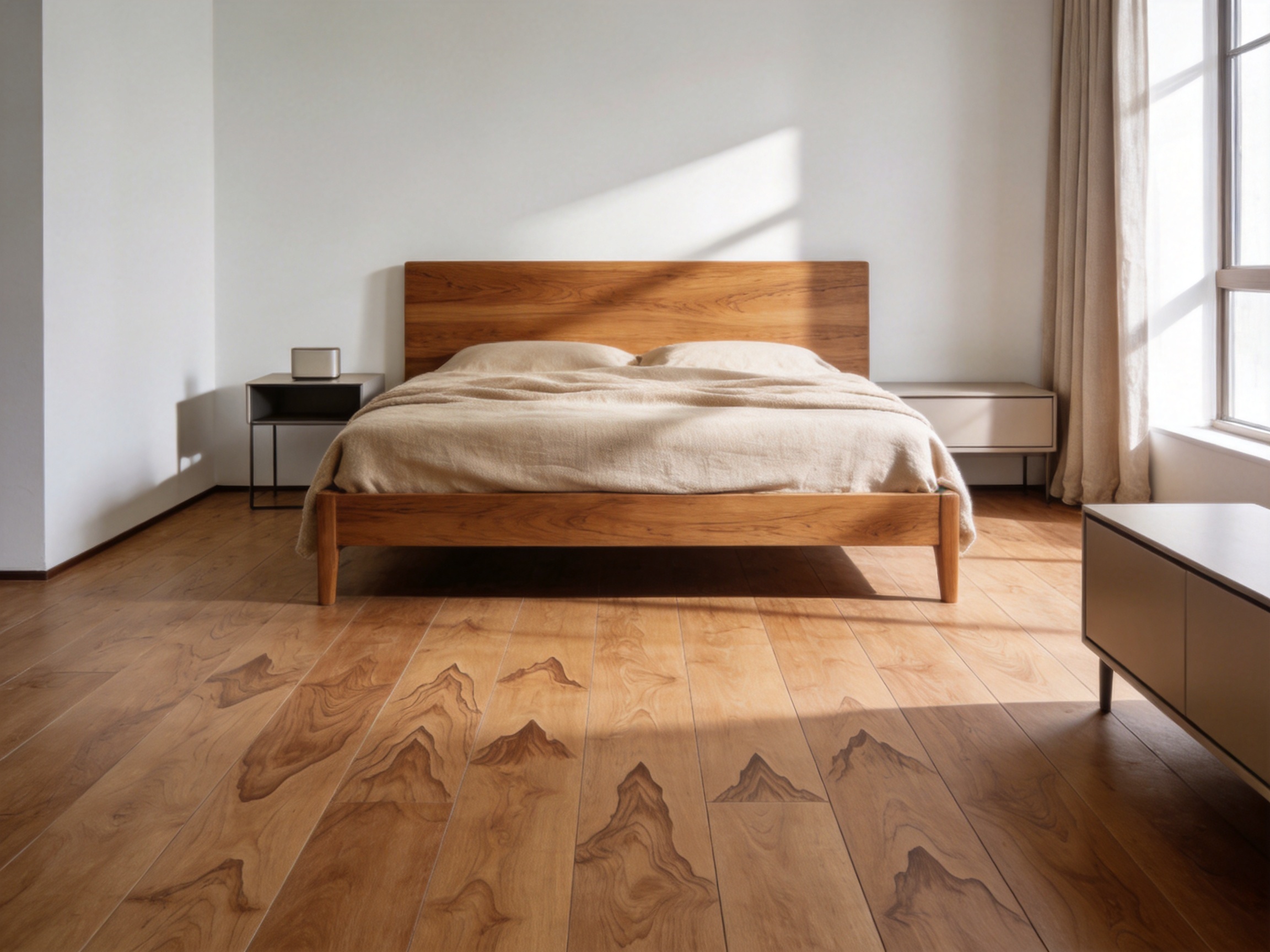
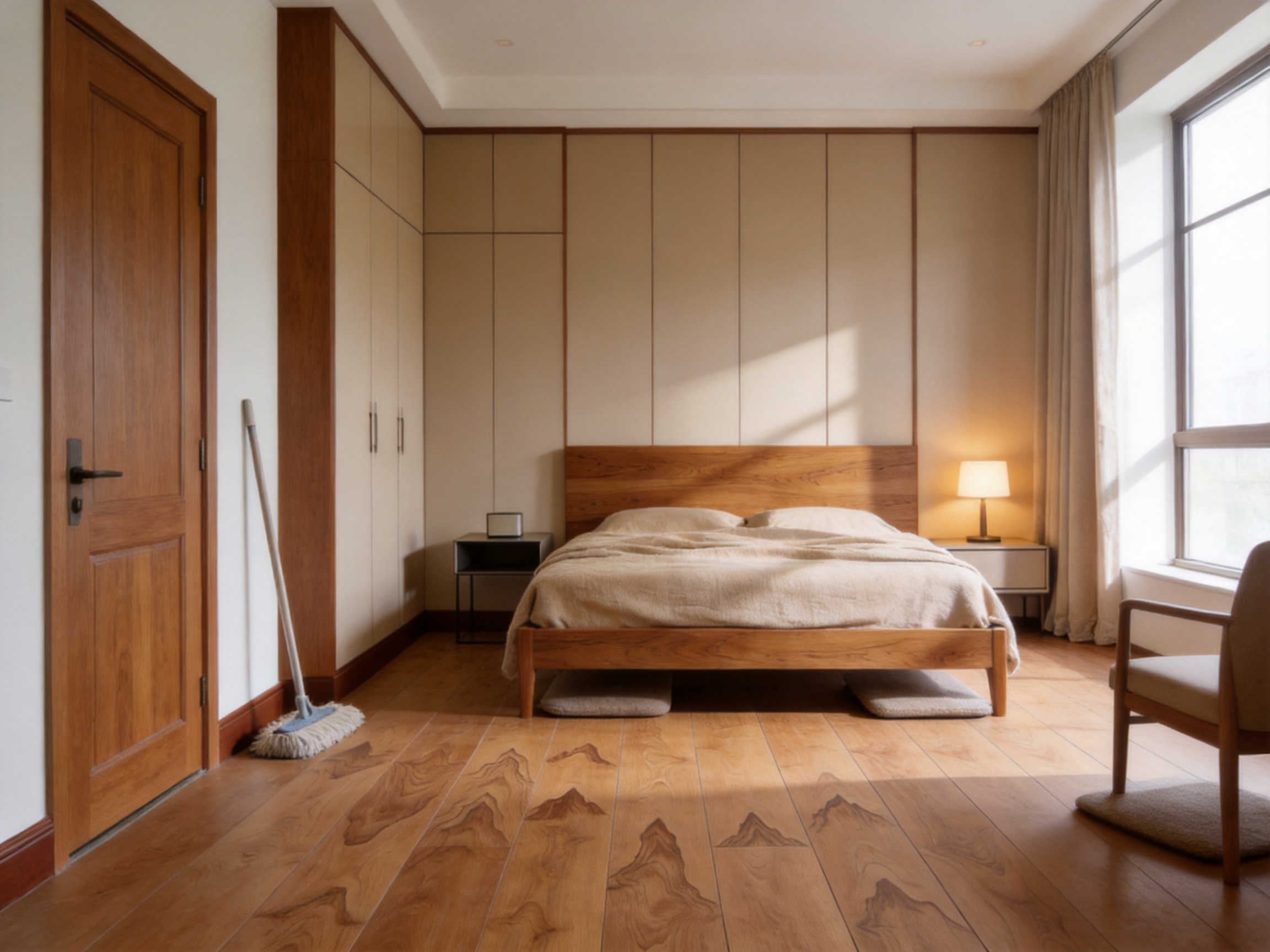
The 3-layer thick core light brown mountain grain engineered wood flooring is a premium interior flooring product developed for spaces that need the warmth of natural wood and the stability of engineered construction. Its light brown tone creates a comfortable and inviting atmosphere, while the mountain grain pattern gives the floor a natural, layered, and expressive visual effect. The surface can be produced with different wood veneer species, including oak, walnut, ash, teak, maple, and other customized options depending on project requirements.
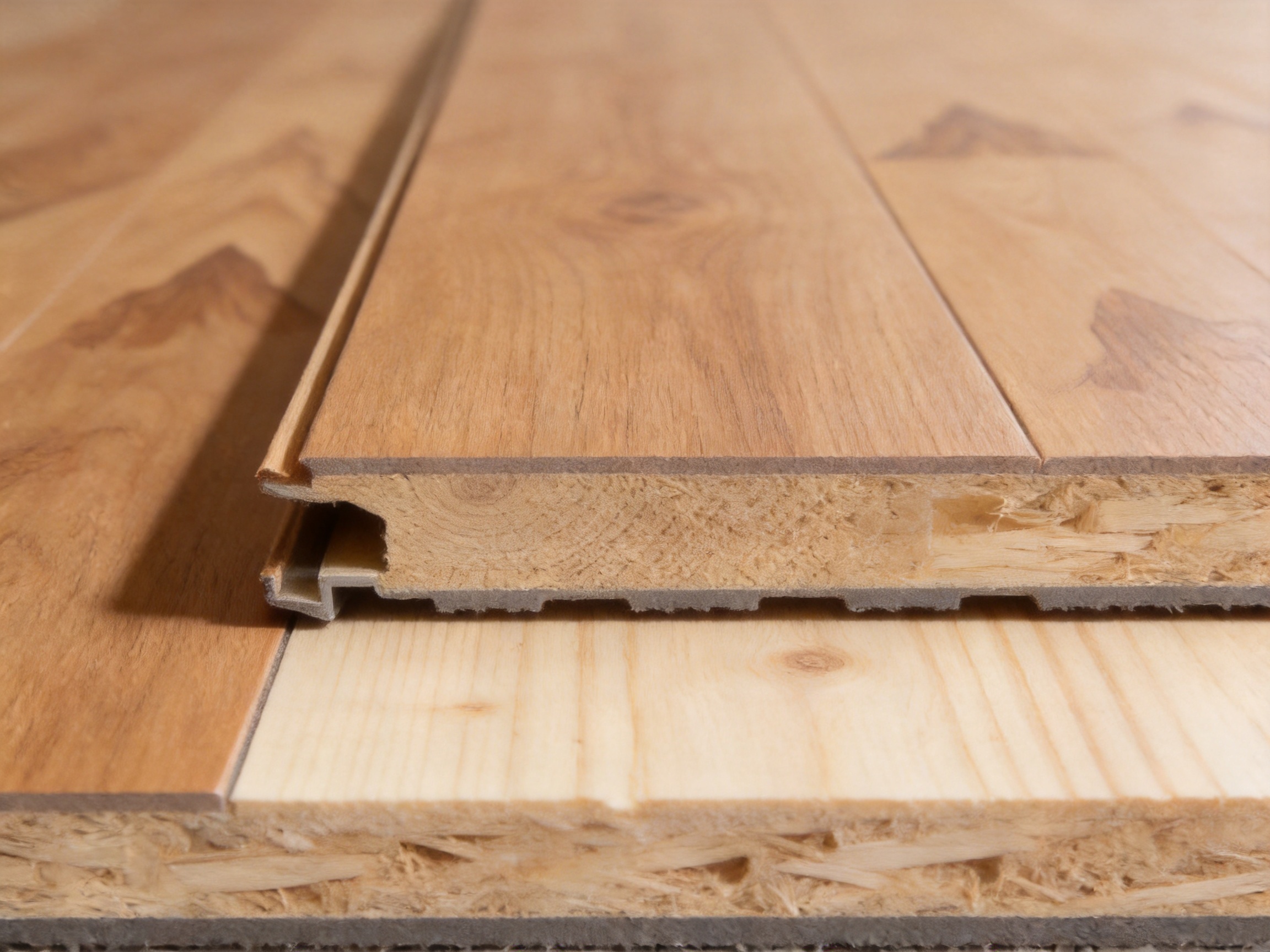
The flooring belongs to the 3-layer engineered flooring category. Its structure typically includes a natural wood veneer top layer, a thick fir, spruce, or pine core layer, and a balancing layer to improve overall stability. Compared with solid wood flooring, this engineered structure reduces the risk of warping, cracking, cupping, and excessive movement caused by temperature and humidity changes. Compared with ordinary low-grade engineered flooring, the thick core design and carefully selected materials provide better strength and long-term reliability.
The product is designed with a click locking system for fast and convenient installation. Depending on the project, it may be installed by floating, glue-down, or staple-down methods. This flexibility makes it suitable for contractors, distributors, interior designers, and homeowners who need efficient installation while maintaining a premium wood floor appearance.
| Product Type | 3-Layer Engineered Wood Flooring |
| Visual Style | Light Brown Mountain Grain |
| Typical Dimensions | 48.0″ × 6.5″ × 5/8″ |
| Face Veneer | Customizable: Oak, Walnut, Ash, Teak, Maple |
| Veneer Thickness | Customizable: 2 mm, 3 mm, 4 mm, 6 mm |
| Core Construction | 3-Layer Engineered Wood |
| Core Layer | Spruce, Fir, or Pine |
| Veneer Grade | Customizable: AB, ABC, ABCD, CD |
| Veneer Cut | Sliced Veneer |
| Surface Finish | UV Lacquer, UV Oil, Hardwax Oil |
| Surface Texture | Wire Brushed, Handscraped, Smooth Sanded |
| Profile Detail | Micro-Bevel on All Four Sides |
| Locking System | Click System |
| Installation Methods | Floating, Glue-Down, Staple-Down |
| Certifications | CE, FSC, CARB P2, ISO 9001 Available by Production Standard |
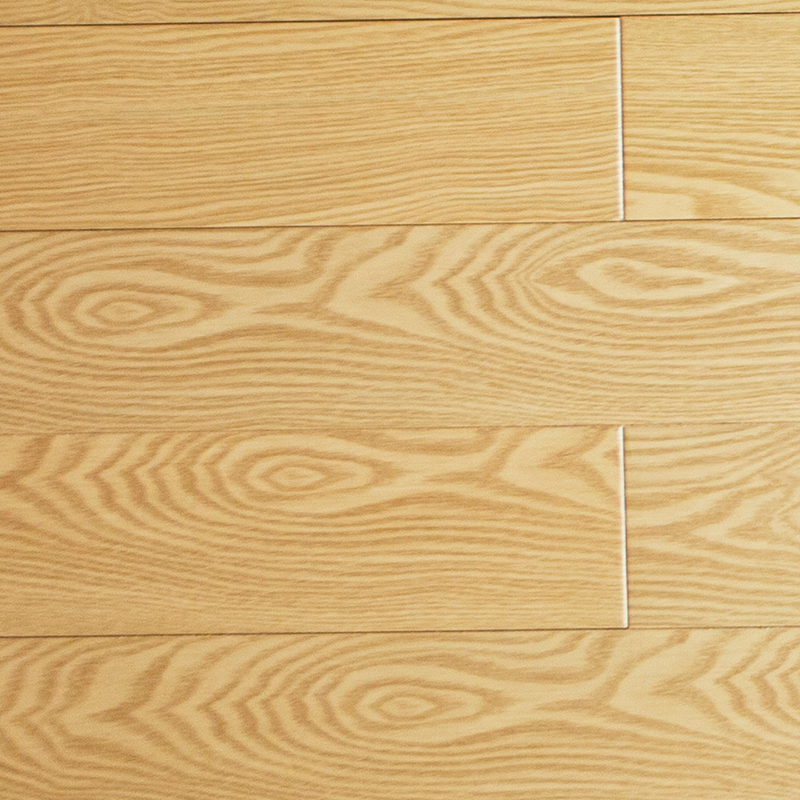
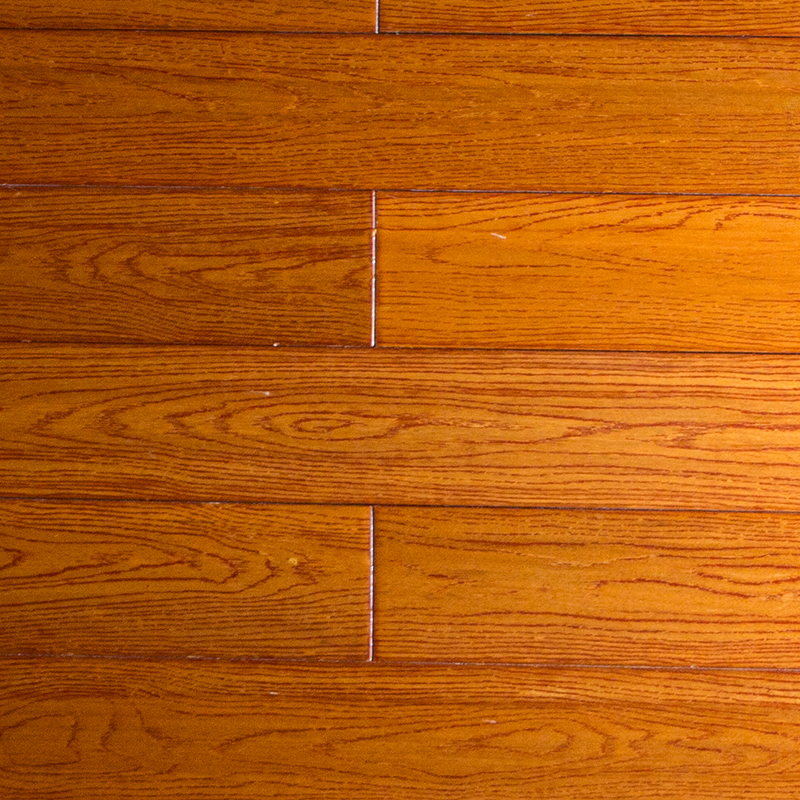
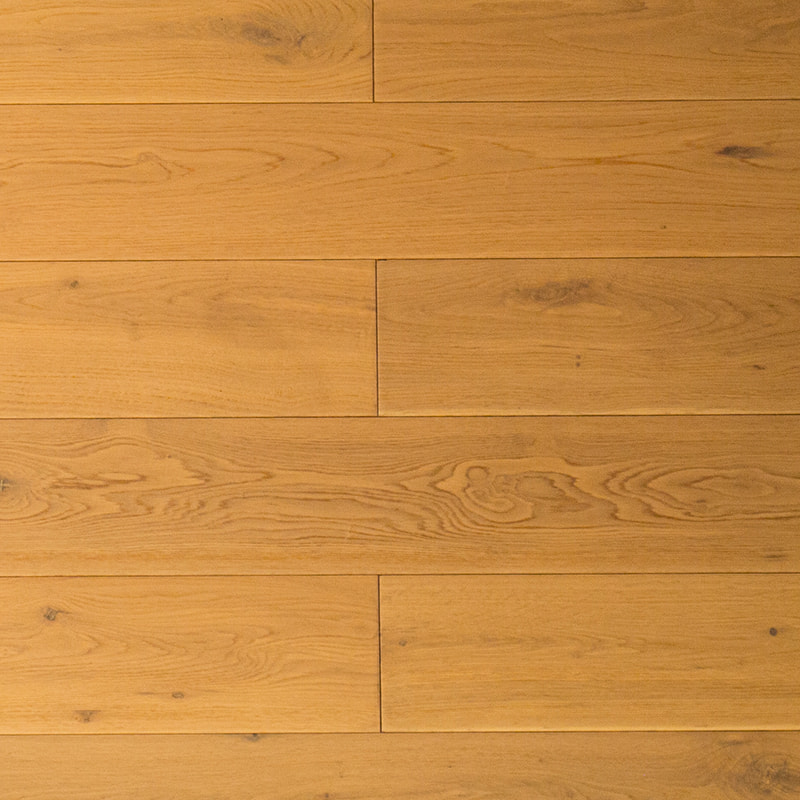
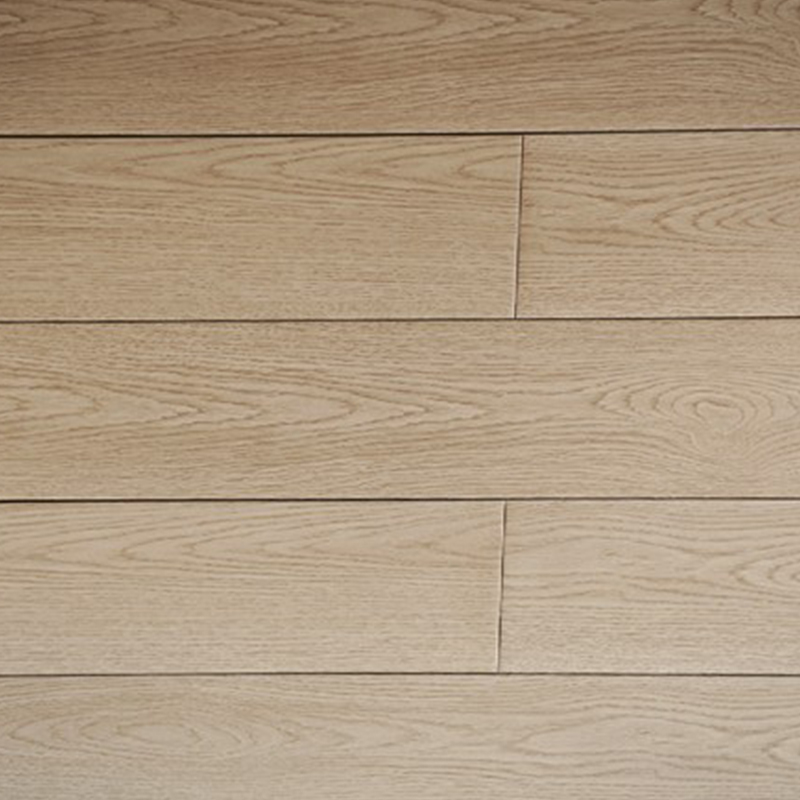
The first impression of a floor is visual, and this product is designed to provide a calm, refined, and welcoming interior effect. The light brown color brightens a room without appearing cold or artificial. It works especially well in bedrooms, guest rooms, serviced apartments, homestays, and living areas where comfort and natural warmth are important design goals.
The mountain grain pattern creates movement across the floor surface. Instead of a flat or repetitive appearance, the grain shows flowing lines, organic variation, and a real wood character. This makes the flooring suitable for Nordic, Japanese-inspired, modern minimalist, transitional, and natural luxury interiors. The light tone helps small rooms feel more open, while the rich grain prevents the space from looking plain.
In many modern projects, designers look for wood flooring that can coordinate with white walls, beige textiles, stone countertops, wood cabinets, and soft lighting. Light brown engineered flooring offers this flexibility. It can support a calm interior palette, but it can also serve as a warm contrast against darker furniture or black metal accents.
The main performance advantage of this flooring is its 3-layer engineered structure. Traditional solid wood flooring is made from one piece of timber. While solid wood has natural value, it is more vulnerable to expansion and contraction when exposed to humidity changes. Engineered flooring solves this issue by combining layers in a more balanced structure.
In this product, the top layer is a natural wood veneer that delivers the authentic look and texture of real wood. The middle layer is a thick core made from fir, spruce, or pine. These wood materials are chosen for their stability, strength-to-weight ratio, and reliable processing performance. The bottom balancing layer helps control tension across the board and supports the overall shape of the plank.
This layered construction improves resistance to deformation and cracking. In real interior environments, floors face seasonal temperature changes, air conditioning, heating systems, foot traffic, furniture movement, and cleaning routines. A well-manufactured 3-layer floor is better able to maintain its flatness and appearance over time.
Compared with thin-core or low-density engineered flooring, the thick core provides a more solid walking feel. It also improves the board’s mechanical performance during installation and daily use. This is especially important for projects where flooring must be both visually premium and structurally dependable.
The surface of the flooring uses natural wood veneer, with optional thicknesses such as 2 mm, 3 mm, 4 mm, or 6 mm. A thicker veneer can provide a more substantial real wood layer and may support future refinishing depending on the finish type, wear condition, and professional evaluation. Veneer options allow the same engineered structure to achieve different design styles.
Oak veneer is a popular choice for light brown mountain grain designs because it offers strong grain visibility, good hardness, and a timeless appearance. Walnut can create a deeper and more luxurious tone. Ash provides a lively and clean grain effect. Teak offers a more exotic and rich look. Maple can support smooth, bright, and contemporary designs.
The use of sliced veneer helps preserve authentic grain character. Unlike artificial printed surfaces, natural veneer has unique variation from plank to plank. This gives the installed floor a more organic appearance. For designers and project buyers, this means the floor can feel natural and premium without sacrificing the stability advantages of engineered construction.
Flooring must be beautiful, but it also needs to resist wear. This product can be finished with a 7-layer UV coating system designed to improve surface protection. UV lacquer, UV oil, and hardwax oil finishes are available depending on the desired appearance and performance profile.
UV lacquer offers a strong protective film and is suitable for customers who prioritize easy cleaning and scratch resistance. UV oil provides a more natural open-grain look while still giving the surface enhanced protection. Hardwax oil creates a warm, tactile finish and is often chosen for high-end interior projects seeking a natural matte appearance.
The 7-layer coating process improves resistance to daily wear, light scratches, stains, and cleaning impact. It also helps maintain the color and surface texture of the floor. For bedrooms and guest rooms, the floor will retain its soft elegance under normal use. For homestays or rental spaces, the coating reduces maintenance pressure and helps extend service life.
The click locking system is another important advantage. It allows flooring boards to connect securely during installation, reducing labor time and helping achieve a clean surface alignment. For large residential projects or hospitality installations, faster installation can reduce overall project schedules and labor costs.
The click system also provides flexibility. The floor can be installed as a floating floor when site conditions allow. It can also be glued down for greater acoustic stability or stapled down in suitable wooden subfloor conditions. This range of installation options gives contractors more control and helps adapt the product to different building requirements.
Compared with traditional tongue-and-groove systems that require more adhesive or complex alignment, click flooring is easier to handle and more efficient on site. This is particularly valuable for renovation projects where construction time is limited and property owners need a faster return to normal use.
This 3-layer engineered flooring has several practical advantages when compared with common alternatives such as solid wood flooring, laminate flooring, vinyl flooring, and lower-grade engineered products.
Solid wood flooring is valued for authenticity, but it can be sensitive to moisture and temperature changes. It may expand, shrink, cup, or crack if the environment fluctuates. The 3-layer engineered structure provides improved dimensional stability while still using a real wood veneer surface. This gives customers the visual appeal of natural wood with better performance in modern interiors.
Engineered flooring also makes better use of wood resources. A premium veneer can deliver the desired surface appearance, while the core uses stable structural wood. This approach supports more efficient material utilization and can align with sustainable construction goals when responsibly sourced materials are used.
Laminate flooring often uses a printed decorative layer rather than real wood. While it can be cost-effective, it lacks the depth, texture, and natural variation of genuine veneer. The light brown mountain grain engineered flooring offers real wood character, making it more suitable for higher-end interiors where authenticity matters.
Laminate can also feel less natural underfoot. A 3-layer engineered wood floor with a thick core provides a more solid and warm walking experience. For bedrooms, guest rooms, and quality residential projects, this tactile difference can be significant.
Vinyl flooring can be waterproof and easy to maintain, but many customers prefer natural materials for premium interiors. Engineered wood offers a warmer and more authentic surface. It also integrates better with wooden doors, cabinets, stairs, wall panels, and other interior woodwork elements.
For projects focused on a natural atmosphere, engineered wood flooring has a stronger design value. Its real wood veneer communicates quality in a way synthetic materials often cannot match.
Not all engineered flooring is equal. Some products use thin veneers, unstable cores, weak locking systems, or low-quality coatings. The thick core construction, customizable veneer thickness, 7-layer UV coating, micro-beveled edges, and certified manufacturing standards give this flooring a stronger competitive position.
High stability, reliable finishing, and customization are especially important for distributors and contractors. A floor that installs well, performs consistently, and meets project specifications reduces after-sales risk and improves customer satisfaction.
One of the strongest advantages of this flooring is customization. Project buyers often need exact colors, finishes, veneer grades, dimensions, and packaging requirements. This product can be tailored to meet different market and design demands.
Available face veneer options include oak, walnut, ash, teak, maple, and other species depending on procurement and design needs. Veneer thickness can be adjusted to match budget, durability expectations, and long-term use plans. Surface textures can include wire brushed, handscraped, and smooth sanded finishes.
Color customization is also important. Light brown is the standard design direction for this product, but tones can be adjusted to be warmer, cooler, darker, or more neutral. Matte finishes can create a soft natural look, while embossed or brushed surfaces can enhance tactile grain.
Veneer grade customization allows customers to choose the visual character of the floor. AB grade provides a cleaner and more uniform appearance. ABC and ABCD grades include more natural variation. CD grade may be chosen for rustic or cost-sensitive projects. This flexibility allows one flooring structure to serve multiple design and pricing segments.
A high-quality engineered wood floor depends not only on materials but also on manufacturing control. The manufacturer behind this product has more than 20 years of wood industry experience, a 20,000-square-meter production facility, and more than 10 years of export experience. These strengths support stable production, international project service, and consistent quality.
The company produces wood flooring, wooden doors, and custom cabinets, allowing it to understand complete interior wood solution requirements. This is valuable for contractors and designers who need flooring to coordinate with doors, cabinetry, wall panels, and other wood elements. Instead of treating flooring as an isolated product, the manufacturer can support broader interior woodwork integration.
Annual flooring production capacity reaches approximately 2,400,000 square meters, which is important for distributors and large projects. Stable capacity helps ensure reliable delivery schedules, batch consistency, and long-term supply cooperation. For project buyers, delayed flooring supply can interrupt construction progress. A manufacturer with large capacity and organized production planning can reduce this risk.
The manufacturing process uses advanced production equipment, including German imported production lines and automated quality control systems. Precision equipment improves cutting accuracy, profiling consistency, surface finishing quality, and overall board stability.
In engineered flooring production, each stage must be controlled carefully. Veneer selection affects visual quality. Drying control affects dimensional stability. Core preparation affects strength. Pressing affects bonding. Profiling affects installation. Finishing affects durability. Packaging affects transportation safety. A weakness in any stage can lead to site problems.
Advanced production lines help maintain consistency across large batches. This is especially important for flooring because boards from different cartons must fit together smoothly and appear visually balanced after installation. Automated quality control reduces human error and improves inspection reliability.
The company also supports 72-hour rapid prototyping. This is a strong advantage for architects, designers, importers, and distributors who need samples quickly before confirming orders. Fast sample development shortens decision cycles and helps project teams evaluate color, texture, gloss, veneer grade, and finish before mass production.
The product benefits from a strict 3-step quality inspection process. Although specific inspection procedures may vary by order, a professional flooring inspection system generally includes raw material inspection, in-process inspection, and final product inspection.
Raw material inspection checks veneer quality, core moisture content, board defects, and material suitability. In-process inspection monitors pressing quality, thickness accuracy, profiling precision, coating application, and surface appearance. Final inspection verifies dimensions, locking performance, color consistency, finish quality, packaging, and compliance with order requirements.
This quality discipline is crucial for engineered flooring. A board may look good at first glance, but if moisture content, bonding, or locking accuracy is not controlled, the floor may fail after installation. By inspecting at multiple stages, the manufacturer reduces the chance of defects reaching customers.
For global flooring buyers, compliance is not optional. This product can be supplied under standards such as CE, FSC, CARB P2, and ISO 9001 depending on order requirements and documentation. These certifications support confidence in safety, sourcing, emissions control, and quality management.
CE compliance is important for European markets and indicates that the product can meet relevant health, safety, and performance requirements. FSC certification supports responsible forest sourcing and is valued by environmentally conscious buyers. CARB P2 relates to formaldehyde emission control and is particularly important for North American market expectations. ISO 9001 reflects a quality management system that supports consistent production and continuous improvement.
In competitive flooring markets, certifications give distributors and contractors stronger selling confidence. They also help projects meet procurement requirements, green building expectations, and local regulatory demands.

The 3-layer thick core light brown mountain grain engineered wood flooring is especially suitable for residential interiors. Bedrooms benefit from its warm tone and comfortable underfoot feel. Guest rooms gain a welcoming and refined atmosphere. Living spaces feel brighter and more natural.
Homestays and serviced apartments are also excellent applications. These spaces require flooring that looks attractive in photographs, feels comfortable for guests, and withstands regular use. The light brown color supports many décor styles, making it easier for property operators to refresh furniture and textiles without replacing the floor.
For villas and premium apartments, the natural veneer surface gives a sense of quality. The floor can coordinate with wooden doors, custom cabinets, wardrobes, and interior millwork. This creates a more unified design language throughout the space.
In light commercial environments such as boutique offices, design studios, showrooms, and reception areas, the flooring can provide a warm alternative to stone or tile. However, project teams should evaluate traffic levels, finish type, maintenance plans, and site conditions before choosing the final specification.
Because the manufacturer also specializes in wooden doors and custom cabinets, the flooring can be developed as part of a complete interior wood solution. This is a major benefit for architects and contractors who need color coordination across multiple product categories.
For example, a light brown oak floor can be paired with natural oak veneer doors, warm beige cabinets, and matching skirting boards. A walnut-toned version can coordinate with darker wardrobes and luxury hotel interiors. A matte finish can match minimalist cabinetry, while a brushed texture can complement rustic or Japanese-inspired rooms.
This integrated wood solution approach reduces the mismatch problem that often occurs when flooring, doors, and cabinets are purchased from different suppliers. Color differences, grain inconsistencies, and finish conflicts can make an interior look fragmented. A manufacturer with multi-category wood expertise can help create a more harmonious result.
Before installation, the flooring should be acclimated according to professional flooring guidelines and site conditions. The subfloor should be clean, dry, level, and structurally sound. Moisture testing is recommended, especially in new construction or areas where humidity may vary.
For floating installation, a suitable underlayment may be required for sound reduction, comfort, and vapor control. For glue-down installation, the correct adhesive must be selected according to the subfloor type and site conditions. For staple-down installation, the subfloor must be suitable for mechanical fastening.
Expansion gaps should be maintained around walls, columns, door frames, and fixed objects. Even stable engineered flooring is still made with natural wood and requires space for minor seasonal movement. Installers should follow professional standards and product instructions to achieve the best performance.
The micro-bevel profile on all four sides helps define each plank subtly and can make minor height differences less noticeable. It also enhances the plank format and gives the finished floor a refined appearance.
Daily care is simple. The floor should be dry mopped regularly to remove dust, grit, and debris. Grit can act like sandpaper underfoot, so frequent cleaning helps preserve the finish. Sharp objects should be avoided because they may scratch the surface.
For stubborn stains, a soft cloth and neutral detergent can be used. Excessive water should not be applied to the floor. Standing water should be wiped immediately. Furniture pads are recommended under chair legs, tables, beds, and movable furniture.
Periodic care depends on the finish type and usage level. In general, dry mopping should be performed frequently, and surface waxing or professional maintenance may be considered every 6 to 12 months where appropriate. High-traffic areas may require more frequent attention.
Indoor humidity control is also important. Maintaining a stable interior environment helps protect all wood flooring. Humidifiers, dehumidifiers, curtains, and ventilation can be used depending on the climate and season.
Engineered wood flooring can support responsible resource use because it uses a natural veneer surface over a stable core. This allows valuable hardwood appearances to be achieved with less solid hardwood consumption than traditional solid plank flooring. When combined with FSC-certified sourcing, the product can support more sustainable interior construction.
The company’s mission emphasizes durable and sustainable wood products that enhance interior spaces worldwide. Durability itself is a sustainability advantage. A floor that performs longer, resists deformation, and maintains its appearance reduces replacement frequency and material waste.
Low-emission production standards such as CARB P2 also contribute to healthier indoor environments. For residential spaces, bedrooms, and hospitality rooms, emission control is an important concern for occupants and project owners.
Distributors need products that are attractive, reliable, customizable, and marketable. This flooring offers all four. Its light brown mountain grain appearance fits current interior trends. Its 3-layer thick core structure provides performance advantages. Its customizable specifications allow distributors to serve different customer segments. Its certifications support international sales.
The manufacturer’s export experience and global partner network add further value. Serving customers across Europe, North America, and Southeast Asia requires understanding different market expectations, documentation requirements, packaging standards, and communication practices.
OEM and ODM support helps distributors develop private-label collections. Custom sizes, colors, veneer grades, finishes, textures, and packaging can be tailored to local market preferences. Rapid prototyping also allows distributors to launch new products faster.
Contractors value flooring that installs efficiently and performs consistently. The click system, dimensional stability, and multiple installation methods make this product practical on site. Stable supply capacity also helps support construction schedules.
Architects and designers value visual flexibility. The product can be adapted to Nordic, Japanese, modern, rustic, and natural luxury interiors. It can also coordinate with wooden doors and custom cabinets from the same manufacturing ecosystem.
For project specifications, certifications and quality control are important. CE, FSC, CARB P2, and ISO 9001-related production capabilities help support procurement confidence. The ability to customize veneer, finish, color, and size helps meet design intent without compromising technical requirements.
3-layer engineered flooring uses a natural wood veneer surface over a stable multi-layer structure. This design improves resistance to expansion, contraction, warping, and cracking compared with many solid wood floors. It still provides a real wood appearance while offering better dimensional stability for modern interiors.
Yes. The light brown tone helps brighten spaces and can make small rooms feel more open. The mountain grain adds natural character without making the space feel heavy. This makes the flooring especially suitable for bedrooms, guest rooms, apartments, and homestays.
Common veneer options include oak, walnut, ash, teak, and maple. The final choice depends on the desired color, grain style, budget, and project requirements. Oak is especially popular for light brown natural grain designs.
Yes. The flooring can be customized with UV lacquer, UV oil, or hardwax oil. Surface textures may include wire brushed, handscraped, or smooth sanded finishes. Matte and embossed effects can also be selected according to design preference.
Yes. The click locking system supports efficient installation and helps reduce construction time. Depending on site conditions, the flooring can be installed by floating, glue-down, or staple-down methods.
Regular dry mopping is recommended to remove dust and debris. Stubborn stains can be cleaned with a soft cloth and neutral detergent. Sharp objects and excessive water should be avoided. Depending on use and finish type, periodic waxing or professional maintenance may be considered every 6 to 12 months.
It is suitable for many residential and light commercial applications, including boutique offices, showrooms, guest rooms, and homestay spaces. For heavy commercial traffic, project teams should confirm finish requirements, wear expectations, and maintenance plans before final specification.
The product can be supplied according to standards such as CE, FSC, CARB P2, and ISO 9001-related quality management, depending on the order and documentation requirements. These standards support safety, responsible sourcing, emission control, and production consistency.
The thick core improves board stability, strength, and walking feel. It helps resist deformation and cracking caused by environmental changes. It also supports reliable profiling and installation performance.
Yes. Because the manufacturer also produces wooden doors and custom cabinets, the flooring can be coordinated with other interior woodwork elements. This helps create a unified design across floors, doors, wardrobes, cabinets, and decorative panels.
The 3-layer thick core light brown mountain grain engineered wood flooring is a strong flooring solution for customers who want natural beauty, dimensional stability, efficient installation, and flexible customization. Its real wood veneer surface provides authentic grain character, while its engineered 3-layer construction improves resistance to warping and cracking. The 7-layer UV coating system enhances wear and scratch resistance, and the click locking system helps simplify installation.
Its light brown mountain grain appearance makes it suitable for warm, comfortable, and stylish interiors. It fits bedrooms, guest rooms, homestays, apartments, villas, and selected light commercial spaces. With customizable veneer species, veneer thicknesses, surface finishes, textures, colors, and grades, the product can meet a wide range of design and market needs.
Behind the product is a manufacturer with long-term wood industry experience, large-scale production capacity, advanced imported production lines, automated quality control, rapid prototyping, and international compliance capabilities. These strengths help the flooring compete not only on appearance but also on manufacturing reliability, supply stability, and project support.
For distributors, contractors, architects, and interior project owners, this flooring offers a balanced combination of aesthetics, performance, customization, and professional manufacturing support. It is a practical and elegant choice for modern interiors that require the warmth of real wood and the stability of engineered construction.
European Committee for Standardization. Wood Flooring Standards and Performance Requirements.
Forest Stewardship Council. Responsible Forest Management and Chain of Custody Principles.
California Air Resources Board. Composite Wood Products Airborne Toxic Control Measure Guidance.
International Organization for Standardization. ISO 9001 Quality Management Systems Requirements.
National Wood Flooring Association. Wood Flooring Installation Guidelines and Maintenance Recommendations.
Architectural Woodwork Institute. Interior Wood Product Quality and Specification Guidelines.

We provide customers with sustainable and eco-friendly
engineered wood solutions and services.
Choose DEIF for the perfect blend of
performance and aesthetics.
