


 English
 Español
 عربى
عربى

Get Social
Choose DEIF for the perfect blend of
performance and aesthetics.
 Get Free Sample

Content
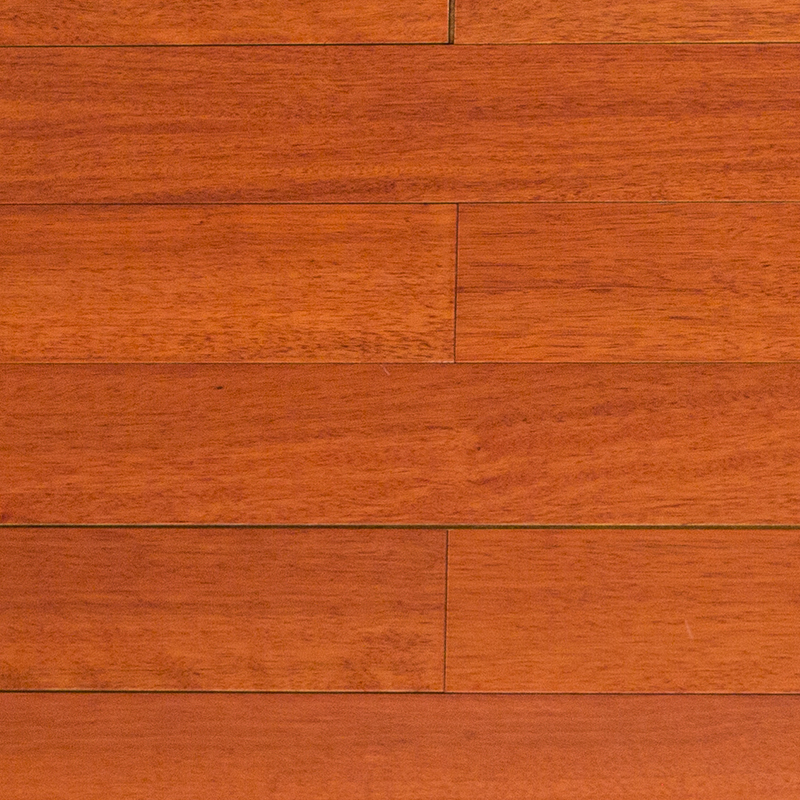
Flooring is one of the most influential elements in an interior. It affects how a room looks, feels, sounds, and performs under daily use. A carefully selected floor can make a space appear brighter, create a stronger connection with nature, and provide a stable foundation for furniture, lighting, and architectural finishes. The Golden Teak Light Brown High-Gloss Solid Wood Flooring is developed for projects that require natural warmth, refined appearance, reliable construction, and flexible customization.
This product combines a solid Taun wood core, a light brown and golden visual character, a high-gloss surface option, four-sided tongue-and-groove profiling, and a selection of surface treatments. It is intended for residential spaces, sunrooms, coastal-style interiors, modern bright homes, hospitality environments, and suitable light commercial applications. Its specification also supports project-oriented purchasing, allowing dimensions, colors, surface textures, and finishes to be adapted to different design requirements.
Behind the product is an experienced wood solutions manufacturer with more than two decades of industry experience, large-scale production facilities, international export capabilities, and OEM and ODM service. The combination of natural material, controlled processing, quality inspection, and customization makes this flooring a practical option for distributors, contractors, architects, interior designers, and property developers.
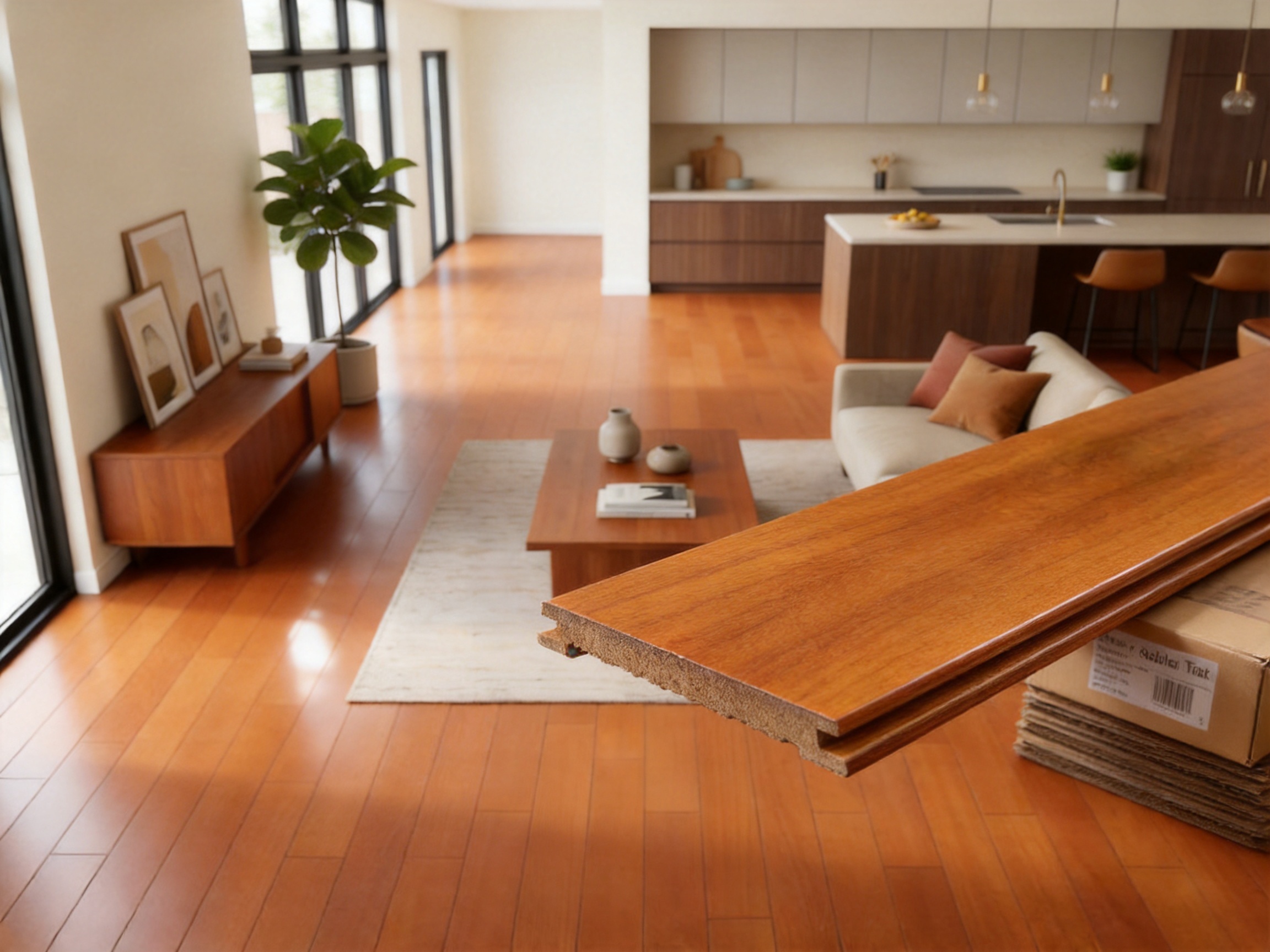
The Golden Teak Light Brown High-Gloss Solid Wood Flooring is marketed as a premium solid Taun flooring solution with a warm tropical appearance. The product code is DS-2016, and the collection is classified as Solid Taun Wood Flooring. Its standard listed dimensions are 35.83 inches long, 4.80 inches wide, and 0.71 inches thick, equivalent to approximately 910 millimeters by 122 millimeters by 18 millimeters.
The standard package contains 14 pieces and covers approximately 1.55 square meters, or 16.73 square feet, per carton. The approximate carton weight is 19.6 kilograms. The listed moisture content is 8% to 10%, with a tolerance of plus or minus 2%, subject to project requirements and production conditions.
| Product Category | Solid Taun Wood Flooring |
| Product Code | DS-2016 |
| Wood Species | Taun, botanically identified as Pometia pinnata |
| Marketing Appearance | Golden teak light brown, high gloss |
| Standard Dimensions | 35.83 in × 4.80 in × 0.71 in |
| Metric Dimensions | Approximately 910 mm × 122 mm × 18 mm |
| Profile | Tongue and groove on four sides, micro-beveled edge |
| Grade | AB Grade, Select |
| Carton Quantity | 14 pieces |
| Coverage Per Carton | Approximately 1.55 m² or 16.73 ft² |
| Surface Options | Wire brushed, hand scraped, or smooth sanded |
| Finish Options | UV lacquer, UV oil, or hardwax oil |
| Installation Options | Glue or staple, according to project conditions |
| Moisture Content | 8%–10%, plus or minus 2% |
The product description identifies a solid hardwood core, an E0 environmental standard, tongue-and-groove installation, compatibility with underfloor heating in suitable applications, CE and FSC certification, warm underfoot comfort, and customization capability. These features make the flooring suitable for projects that value both visual refinement and material authenticity.
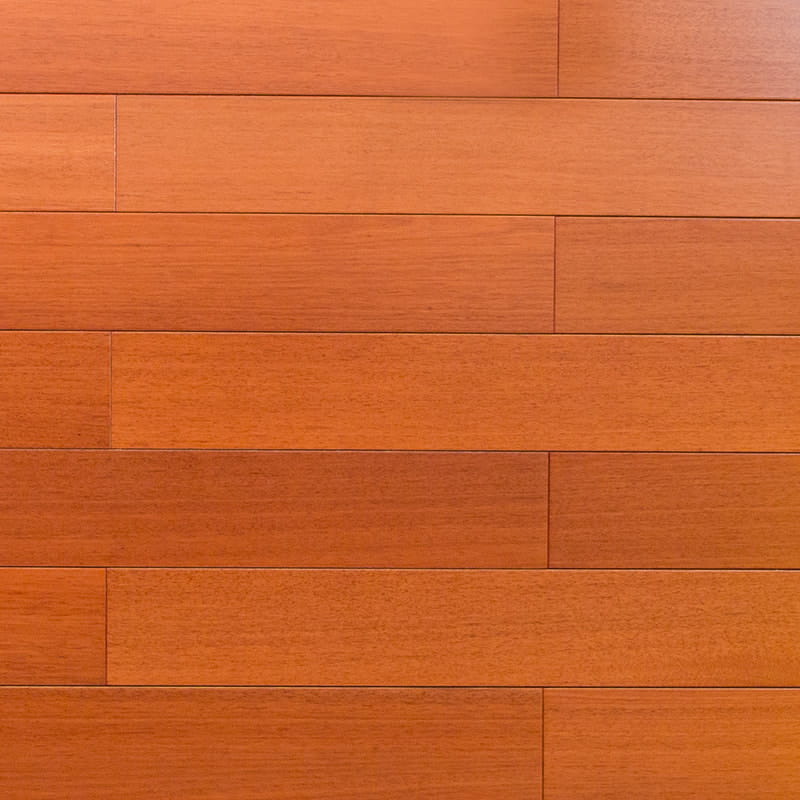
Golden Teak Light Brown High Gloss Solid Wood Flooring
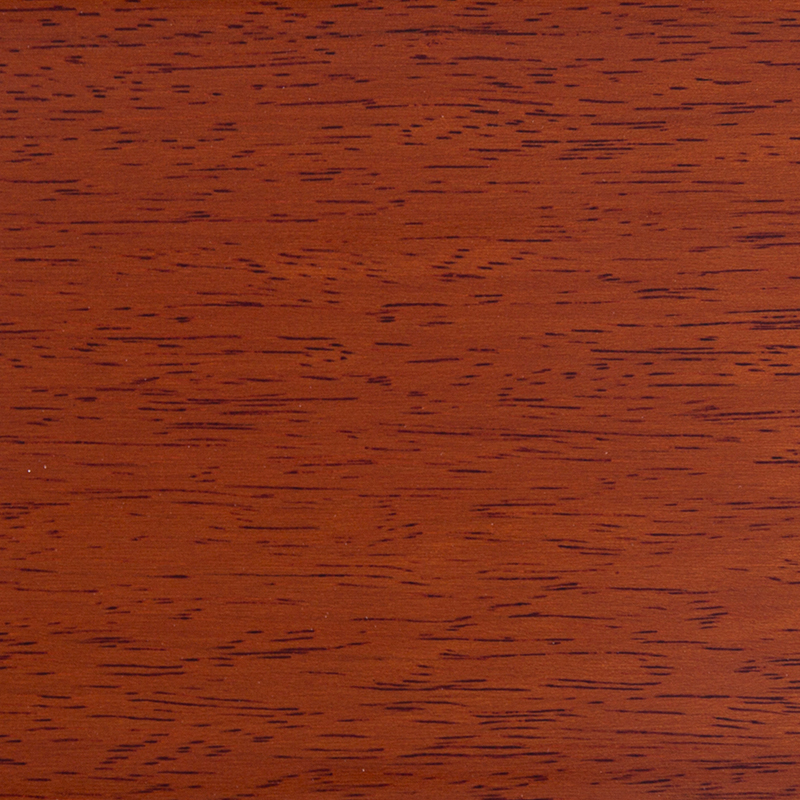
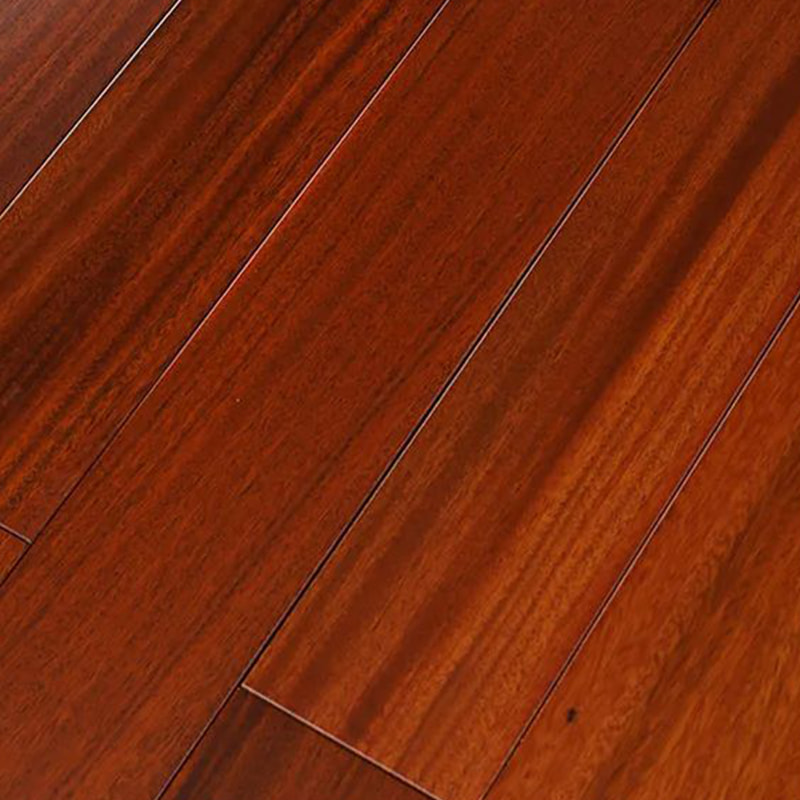
The visual identity of this floor is based on a light brown base with golden undertones. Rather than creating a dark or visually heavy room, the color helps reflect a brighter, more open atmosphere. The high-gloss surface can amplify available light and create a clean, polished appearance, particularly in rooms with large windows, pale walls, or light-colored furniture.
The “Golden Teak” description refers to the product’s commercial color direction and visual impression. The listed wood species is Taun, also known as Pometia pinnata. This distinction is important for responsible specification: buyers receive a solid Taun wood floor selected and finished to deliver a golden teak-inspired appearance, rather than an assumption that the product is made from true teak. This approach provides designers with a warm tropical aesthetic while maintaining a clear product specification.
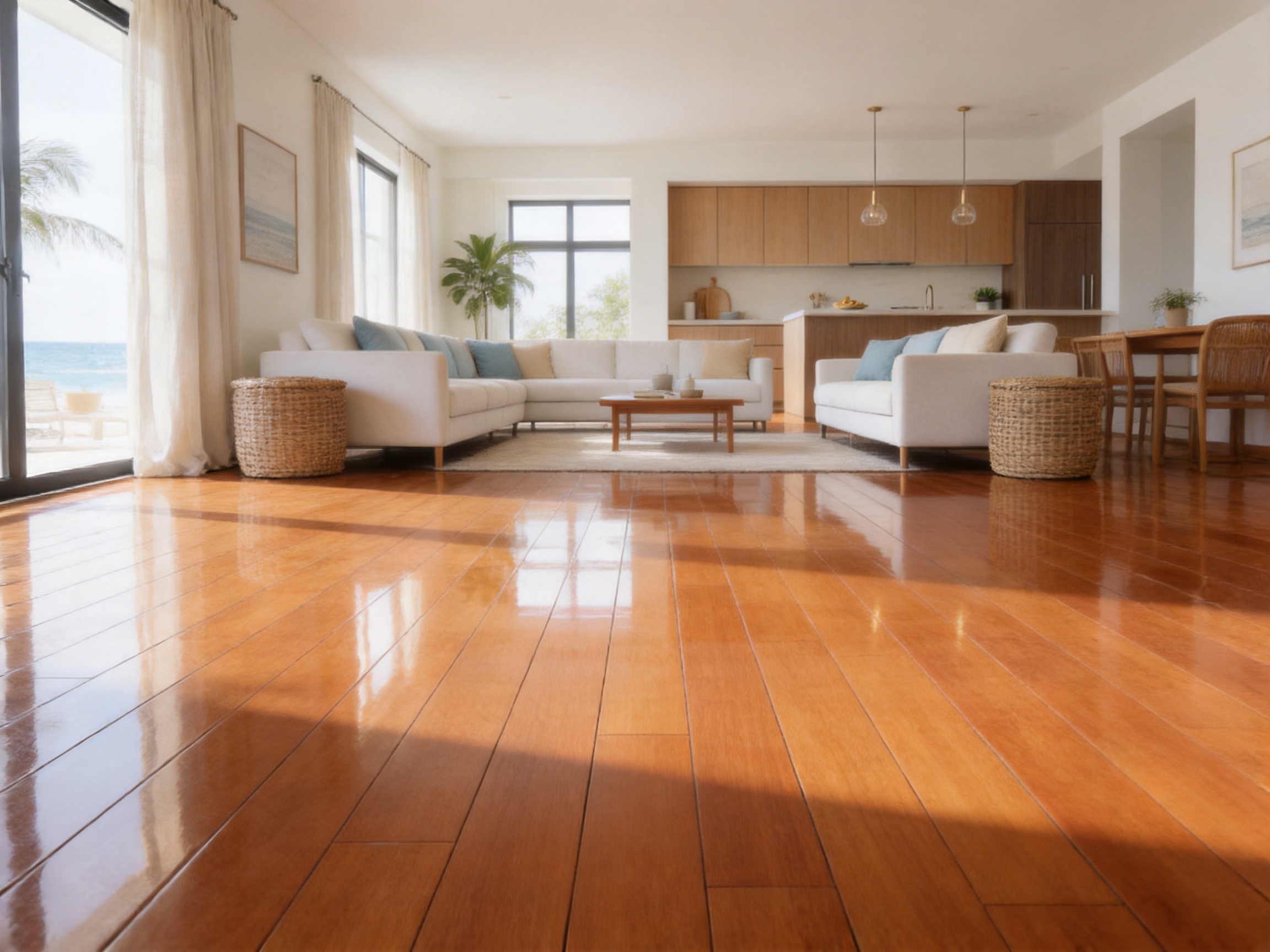
The color is versatile enough for a broad range of interiors. In coastal-style rooms, it can be combined with white cabinetry, pale blue accents, woven materials, and natural textiles. In contemporary interiors, the high-gloss finish can complement metal details, glass, clean-lined furniture, and neutral wall colors. In hospitality settings, the golden tone can soften modern architectural elements and create a welcoming first impression.
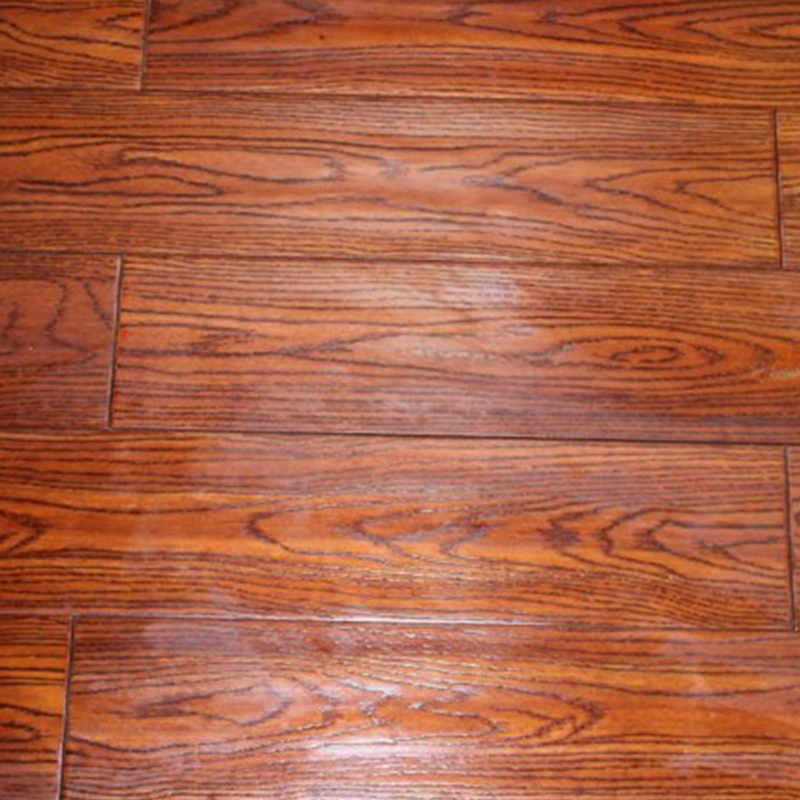
The floor’s appearance is also influenced by the selected surface texture. Smooth sanding emphasizes the natural grain and supports a refined, minimal look. Wire brushing adds tactile grain definition and a more relaxed visual effect. Hand scraping creates greater variation and a handcrafted impression. These options allow the same wood collection to serve different design concepts without changing the basic solid wood construction.
High-gloss flooring is often selected when a project needs greater visual brightness. The reflective surface catches natural and artificial light, helping the floor contribute to the overall illumination of the room. This effect can be especially useful in sunrooms, living rooms, apartments with limited visual depth, and commercial interiors where a polished presentation is important.
However, a high-gloss finish should be selected in relation to the complete interior scheme. It can reveal dust, fine scratches, and surface marks more readily than a low-sheen finish. For this reason, the floor is best matched with a cleaning and maintenance routine that uses soft tools and avoids abrasive products. Where a more forgiving visual effect is required, the same material platform can be specified with UV oil or hardwax oil, subject to the project configuration.
The most important structural advantage of this product is its solid wood core. Unlike engineered or composite flooring, the board is not built around a combination of a thin hardwood wear layer and multiple supporting layers. The product is described as having a 100% solid hardwood core, with the wood species matched to the flooring type.
Solid construction gives the floor a natural material identity from the surface through the body of the board. Many buyers value this because it offers a substantial feel underfoot and makes the floor visibly different from printed or synthetic alternatives. The grain, color variation, and tactile quality are derived from wood rather than from a decorative image applied over a composite base.
Solid wood also offers a traditional and repairable material profile. Depending on the installation environment, board thickness, surface condition, and future maintenance plan, solid wood flooring may be sanded and refinished during its service life. Any refinishing decision should be assessed by a qualified flooring professional, because excessive sanding, moisture problems, or unsuitable tools can damage the boards.
Compared with many thin decorative flooring products, the 18-millimeter listed thickness provides a substantial board profile. This can support a more robust architectural appearance and may be useful where the floor must coordinate with thresholds, stair details, skirting, doors, and other interior woodwork. Accurate site measurement remains essential because the final build-up also depends on underlay, adhesive, subfloor preparation, and installation method.
Wood is widely valued for its warm tactile quality. A solid wood surface does not feel visually or physically cold in the same way as some hard mineral surfaces. The natural grain and moderate surface response create a comfortable walking experience in bedrooms, living rooms, study areas, and family spaces.
The warmth of the material also contributes to the emotional quality of an interior. A room with natural wood flooring often feels more settled and inviting than one dominated by entirely artificial surfaces. The Golden Teak Light Brown appearance strengthens this effect by combining a natural brown base with golden highlights that suggest sunlight and tropical warmth.
The product can be configured with several surface treatments and finishes. This flexibility is valuable because flooring performance and visual appearance are closely connected to the selected surface system. The available finish directions include UV lacquer, UV oil, and hardwax oil, while the surface texture can be smooth sanded, wire brushed, or hand scraped.
UV lacquer is the finish associated with the high-gloss version of this product. It creates a smooth, bright, and polished surface that can be cleaned efficiently when maintained correctly. The cured coating helps protect the wood surface from ordinary household dirt and everyday contact.
The high-gloss appearance is particularly effective in bright interiors. It highlights the golden tones of the Taun wood and gives the floor a premium visual quality. In a showroom, reception area, modern apartment, or carefully designed living space, the reflective surface can become a central design feature rather than a simple background material.
UV oil offers an alternative appearance and tactile response. It can maintain a more natural visual character while still benefiting from controlled factory curing. Depending on the selected formulation and production specification, an oil finish may allow the grain to look less heavily coated than a high-gloss lacquer.
This option may be appropriate for projects that want the warmth of natural wood to remain visually prominent. It can also be considered where the designer prefers a lower-sheen appearance or a surface that feels closer to untreated wood, subject to the technical requirements of the project.
Hardwax oil is another customizable finish. It is frequently selected for interiors that seek a natural matte or satin appearance and a more tactile wood surface. The finish can emphasize the grain and support a handcrafted or Scandinavian-inspired design language.
Because each finish has its own maintenance and repair characteristics, the final choice should be made after considering traffic level, cleaning procedures, expected appearance, sunlight exposure, and the owner’s long-term maintenance preferences.
Smooth sanded boards offer a clean and elegant surface. They are suitable for modern interiors where the color and gloss level are intended to remain the primary visual features. Wire-brushed boards reveal more grain structure and can provide additional texture without creating an excessively rustic appearance. Hand-scraped boards show greater manual character and can support boutique, heritage, hospitality, or country-inspired projects.
These texture choices provide an advantage over flooring ranges with only one fixed appearance. A distributor can present a broader collection using the same core species and dimensions, while an architect can coordinate the floor with doors, wall panels, stair components, and custom cabinets.
The floor uses a tongue-and-groove profile on four sides. This profile is designed to connect adjacent boards and support an orderly installation pattern. The tongue fits into the groove, helping align the boards and maintain continuity across the floor field.
A four-sided tongue-and-groove system provides a conventional and recognizable installation solution for solid wood flooring. It can support a clean visual line between boards and reduce the need for visible surface fasteners. The listed profile also includes a micro-beveled edge, which creates a subtle definition between boards after installation.
The micro-bevel can be useful from both aesthetic and practical perspectives. Visually, it gives each board a clear outline and adds depth to the floor. In daily use, the small transition between boards can make minor natural variation less visually distracting than a completely flat, seamless edge treatment.
The product information lists glue and staple installation methods. The preferred method depends on the subfloor, site conditions, local practice, board movement requirements, acoustic targets, and the manufacturer’s technical recommendations. A professional installer should inspect the subfloor for levelness, dryness, cleanliness, strength, and structural stability before installation begins.
Tongue-and-groove construction does not eliminate the need for proper preparation. Solid wood responds naturally to humidity and temperature changes. The boards should be acclimatized according to the project conditions and installation guidance. Expansion allowances should be provided around walls, columns, door frames, and fixed objects. The final installation should also be coordinated with skirting boards, transitions, stairs, and doors.
The product description refers to glue-free tongue-and-groove configuration when required, while the packing specification lists glue or staple installation. This indicates that installation configuration can be adapted to the project. Buyers should confirm the exact profile, adhesive requirements, fastening requirements, and installation warranty conditions before placing a production order.
The product is identified as suitable for underfloor heating in general applications. This feature can make solid wood flooring attractive for contemporary homes and commercial interiors that use radiant heating to distribute warmth evenly across a room.
Underfloor heating and solid wood must be coordinated carefully. The heating system should be designed to maintain gradual and controlled temperature changes rather than sudden peaks. The subfloor moisture level, board moisture content, surface temperature, installation method, and room humidity should all be checked before installation.
Not every heating system has the same operating characteristics. Electric systems, hydronic systems, embedded systems, and retrofit systems may have different temperature distribution patterns. The installer should confirm that the selected system is compatible with the flooring and that the surface temperature remains within the limits specified for the floor, finish, adhesive, and subfloor assembly.
When these conditions are properly controlled, wood flooring can provide a comfortable combination of natural surface character and radiant warmth. The final technical approval should always be based on project-specific documentation rather than on a general assumption that every heating system is identical.
Environmental responsibility is increasingly important in flooring procurement. The product is described as meeting the E0 environmental standard, with formaldehyde emissions of no more than 0.05 milligrams per cubic meter where applicable to the solid wood flooring specification. The product information also identifies FSC and CE certification.
An E0 specification supports projects seeking low-emission interior materials. This is particularly relevant for bedrooms, childcare environments, residential developments, wellness spaces, hospitality projects, and buildings pursuing healthier indoor environmental objectives. Project teams should request current test reports and applicable documentation for the exact product configuration, finish, and production batch.
FSC certification is associated with responsible forest management and chain-of-custody control when the relevant certification applies to the supplied product. For architects and procurement teams, certification documentation can support sustainability submissions, responsible sourcing policies, and green building records. The precise certificate scope should be verified for each order.
CE marking and related compliance documentation can support access to applicable European markets and project specifications. Compliance requirements can differ according to destination, use category, and construction system. Buyers should confirm the current documentation, test standards, and labeling requirements required by the target market.
The company also identifies compliance with CARB Phase 2 and ISO 9001 standards across its product and quality framework. These references indicate an emphasis on formal quality systems, emissions control, and international market requirements. As with all certifications, the validity, scope, and product applicability should be confirmed during technical procurement.
The flooring is well suited to living rooms, sunrooms, bedrooms, studies, dining rooms, and other residential environments where natural warmth and polished appearance are important. The solid wood surface can create continuity across open-plan spaces, helping living, dining, and circulation areas feel connected.
In a living room, the golden light brown tone can balance darker upholstery, white walls, natural fabrics, and warm metal accents. In a sunroom, the glossy surface can make the most of daylight while reinforcing the connection between indoor and outdoor spaces. In a bedroom, the wood grain and warm color can create a calm, comfortable atmosphere.
The product can also complement custom cabinetry and wooden doors. A project may use matching or coordinated tones across the floor, doors, wall panels, built-in storage, and kitchen cabinetry. Because the manufacturer specializes in flooring, wooden doors, and custom cabinets, buyers can discuss a broader interior woodwork strategy with a single supply partner.
The color works particularly well with coastal and natural design concepts. White-painted furniture, pale stone, rattan, linen, soft blue accents, and light-colored walls can emphasize the floor’s golden undertones. The resulting interior can feel bright without becoming stark and natural without appearing overly rustic.
The flooring can also support transitional designs that combine traditional furniture with modern architecture. Its solid wood construction provides a classic foundation, while the high-gloss finish introduces a contemporary element. By changing the texture or finish, the same collection can move toward a more relaxed or more formal visual direction.
In addition to residential use, the product may be considered for suitable light commercial applications. Potential settings include boutique offices, private clubs, hospitality interiors, reception zones, model apartments, selected retail areas, and low-to-moderate traffic commercial spaces.
Commercial suitability depends on the traffic level and maintenance program. A high-traffic public corridor, restaurant entrance, or large retail floor may require a different wear specification, finish system, or maintenance schedule. The product should therefore be reviewed against the project’s expected foot traffic, furniture movement, cleaning frequency, rolling loads, moisture exposure, and fire or building-code requirements.
For hospitality and boutique projects, the floor can contribute to a premium guest experience. The golden color is welcoming, while the high-gloss finish gives reception and lounge spaces a carefully finished appearance. For offices, the wood can soften technology-focused environments and create a more comfortable setting for employees and visitors.
For distributors and contractors, the availability of standard specifications combined with customization is commercially valuable. Stock configurations can serve common residential demand, while tailored finishes, colors, and sizes can address larger architectural projects. This balance can reduce the need to carry an excessively broad inventory while still supporting project differentiation.
The flooring market includes engineered wood, laminate, luxury vinyl, bamboo, ceramic tile, and other alternatives. Each category has valid applications, but the Golden Teak Light Brown Solid Wood Flooring offers several distinctive advantages for projects that prioritize natural material authenticity and long-term visual value.
Laminate flooring typically uses a decorative printed layer over a composite board. It can be cost-effective and practical, but its visual and tactile character is different from solid wood. The Golden Teak flooring uses a solid Taun wood core, allowing the surface to present genuine grain and natural variation rather than a printed representation.
The solid material also gives the floor a more substantial feel. For premium homes, hospitality interiors, and architectural projects, this authenticity can be an important part of the design narrative. Solid wood may also offer future refinishing potential that is not generally available in the same way with a thin decorative laminate layer.
Luxury vinyl can provide strong resistance to moisture and a wide range of printed appearances. However, it does not provide the same natural wood composition or solid timber experience. For projects where clients want a genuine wood surface, the Taun flooring offers a more authentic material solution.
Vinyl may remain preferable in areas with persistent water exposure or specific maintenance constraints. The correct comparison should therefore consider the use environment rather than only the appearance. In dry interior rooms where natural material quality is a priority, solid wood provides a distinctive advantage.
Engineered flooring can provide dimensional advantages in certain climates and installation conditions. It may also be appropriate for locations where a thinner wood wear layer or cross-laminated construction is preferred. The solid Taun product competes by offering a full-depth hardwood structure and a traditional solid-board identity.
For buyers who value substantial material, classic construction, and potential future refinishing, solid wood can be more attractive. For buyers dealing with unusual humidity, floating installation, or strict height limitations, engineered flooring may be considered. The appropriate selection should be based on technical requirements, not a universal claim that one construction suits every project.
Tile and stone provide excellent durability in many applications, but they can feel hard and cold underfoot. Solid wood offers a warmer tactile response and a more visually flexible surface. The Golden Teak color can soften modern spaces that would otherwise appear overly hard or mineral-based.
Wood also introduces natural grain movement that cannot be reproduced by a mineral surface. This makes it particularly effective in bedrooms, lounges, reading rooms, and other spaces where comfort and atmosphere are as important as surface hardness.
The product is supported by a manufacturer established in 1999 with more than 20 years of wood industry experience. The company operates approximately 20,000 square meters of production facilities and has more than 10 years of export experience. It serves more than 100 global partners across Europe, North America, and Southeast Asia.
The manufacturing platform includes German-imported production lines and automated quality control systems. These resources are important for solid wood flooring because consistency depends on accurate machining, moisture management, finish control, sorting, and packaging. A tongue-and-groove board must maintain reliable dimensional relationships across its length and width, while the surface must meet the agreed appearance standard.
The company reports a three-step quality inspection process. A structured inspection system can include incoming material assessment, in-process production checks, and final inspection before shipment. For flooring, these stages may address wood species, moisture content, dimensions, profile accuracy, surface appearance, finish coverage, color consistency, carton quantity, and packaging integrity.
Automated equipment can support repeatability, but human expertise remains important for grading and visual selection. Natural wood cannot be treated as an entirely uniform industrial material. Boards may vary in grain, mineral streaks, knots, color, and figure. A professional grading process helps align the supplied boards with the agreed AB Grade or Select specification.
The company identifies annual production capacity of approximately 2,400,000 square meters of flooring and 5,000 sets of doors. This capacity can support larger distribution programs and multi-phase construction projects. Stable capacity is particularly important when a project requires repeat orders, replacement boards, or coordinated production across multiple interior components.
Capacity alone does not determine quality, but it can improve supply planning when combined with documented specifications and production controls. Contractors and distributors can discuss lead times, batch planning, color approval, packaging, inspection standards, and shipping schedules before production begins.
The manufacturer offers OEM and ODM customization as well as a reported 72-hour rapid prototyping capability. Rapid prototyping can help architects and product buyers evaluate colors, surface treatments, textures, dimensions, and profiles before committing to full production.
For a design project, a prototype allows the team to compare the flooring under actual lighting, alongside cabinetry, doors, wall finishes, and furniture samples. This is especially useful for high-gloss products because reflected light can change how color and grain are perceived at different times of day.
Customization may include board dimensions, colors, surface textures, finish systems, and packaging. Technical feasibility, minimum order quantities, production lead times, and certification scope should be discussed for every custom request.
International buyers often need more than a visually attractive product. They also require communication, documentation, production reliability, packaging coordination, quality consistency, and shipment planning. The company’s export experience and global partner base provide a foundation for serving these needs.
Distributors can use the product as part of a broader solid wood portfolio. The standard light brown high-gloss configuration can address mainstream premium demand, while alternative finishes and textures can create multiple collection levels. Contractors can request project-specific samples and coordinate flooring with doors or cabinetry. Architects can develop a unified material palette for an entire interior scheme.
For overseas projects, packaging should protect boards from impact, abrasion, and uncontrolled moisture during handling and transport. Buyers should confirm carton construction, palletization, labeling, loading procedures, spare material recommendations, and storage requirements. On arrival, flooring should be inspected before installation, and any concerns should be documented immediately.
Successful flooring performance begins before the first board is installed. The subfloor must be structurally sound, sufficiently level, clean, and dry. Excessive moisture is one of the most common causes of flooring problems, so moisture testing should be completed for the subfloor and surrounding environment.
The interior should be enclosed, with windows and doors installed where possible. Wet trades such as plastering, painting, concrete work, and masonry should be substantially complete. The flooring should be stored flat and protected from direct rain, standing water, and extreme temperature changes.
Acclimatization allows the boards to adjust to the installation environment. The required period depends on the wood, packaging, climate, building conditions, and technical instructions. It is not appropriate to specify one universal acclimatization time for every site. The installer should follow the manufacturer’s current guidance.
Before installation, the project team should confirm the board direction, starting wall, expansion gaps, transitions, stair details, door clearances, and furniture interfaces. A dry layout can help identify color distribution and board selection. Natural variation should be blended across the room rather than concentrated in one area.
Glue-down installation may provide strong contact between the boards and the subfloor when the adhesive and substrate are compatible. Staple installation can offer a traditional mechanical fixing approach where the subfloor and board profile permit it. The selected method should account for movement, acoustic requirements, heating systems, board thickness, and local standards.
Only suitable flooring adhesives and fastening systems should be used. The installer should follow application rates, curing times, spacing requirements, and manufacturer instructions. Improvised adhesives or excessive fastening can compromise the floor and may affect warranty coverage.
Routine cleaning is straightforward when the floor is protected from excessive moisture and abrasive contamination. A dry cloth, soft broom, or dry mop can remove ordinary dust and loose particles. Fine grit should not be allowed to accumulate because it can act as an abrasive under footwear or furniture.
For stubborn stains, the product information recommends glass cleaner or a neutral detergent used with a soft cloth. Any cleaning product should first be tested in an inconspicuous area. Strong solvents, abrasive powders, steel wool, excessive water, and steam cleaning should be avoided unless specifically approved for the selected finish.
Water accumulation should be removed promptly. Although Taun is described as having natural oil content that can help support moisture resistance, solid wood flooring is not intended to function as a waterproof surface. Wet footwear, plant containers, leaking appliances, and spills should be addressed quickly.
Protective mats at entrances can reduce the amount of grit and moisture carried into the room. Felt pads should be placed under furniture legs, and heavy items should be lifted rather than dragged. Rolling chairs may require protective floor mats in work areas. Direct sunlight can influence the color of natural wood over time, so blinds, curtains, or UV-control glazing may help moderate uneven exposure.
High-gloss lacquered floors should be cleaned with products compatible with lacquered wood surfaces. The objective is to preserve clarity and shine without creating a slippery residue. UV oil and hardwax oil floors may have different maintenance requirements and may require periodic refreshment with approved maintenance products.
Maintenance should be planned as part of the building’s operating strategy. Residential owners may use a simple daily and weekly cleaning routine. Commercial operators may need entrance mats, scheduled inspections, furniture protection, and clearly defined spill-response procedures.
One of the strongest advantages of this product is its ability to participate in a wider interior woodwork program. The manufacturer’s product category includes wood flooring solutions, wooden doors, and custom cabinets. This creates the opportunity to coordinate floor tones, door finishes, cabinet colors, and architectural details through one experienced supplier.
A coordinated program can reduce visual inconsistency between different wood products. For example, the light brown Golden Teak direction can be paired with warm-toned doors and cabinets, while a selected matte finish can be used across multiple surfaces to create a quieter scheme. Alternatively, a high-gloss floor can contrast with softly textured cabinet fronts for greater depth.
Custom dimensions may help resolve unusual room proportions, transition details, or design concepts that require wider or longer boards. Custom colors can support branded hospitality interiors, residential developments, or designer collections. Custom textures can create a distinct product identity for distributors.
OEM and ODM services are also valuable for companies that want to sell flooring under their own collection name or develop an exclusive specification. Such programs normally require agreement on technical drawings, color standards, packaging artwork, quality tolerances, testing, and approval samples.
The first stage is to define the application. The buyer should identify whether the flooring is intended for a private residence, multi-unit development, hotel, office, retail space, or another environment. Traffic level, moisture exposure, heating system, cleaning expectations, and local regulations should be recorded.
The second stage is to approve the visual sample. The selected color should be reviewed under the project’s actual lighting conditions. Buyers should compare samples next to walls, doors, cabinetry, countertops, textiles, and furniture. A high-gloss finish can look different under daylight, warm LEDs, and cool commercial lighting.
The third stage is to confirm the technical specification. This includes wood species, grade, dimensions, moisture range, profile, finish, texture, installation method, certification requirements, packaging, and acceptable tolerances.
The fourth stage is to review production and logistics. The buyer should confirm order quantity, production schedule, sample approval process, inspection arrangements, carton coverage, spare material allowance, shipping terms, and destination documentation.
The final stage is installation and handover. The installer should document subfloor tests, acclimatization, installation conditions, and any site observations. The owner should receive cleaning and maintenance instructions together with spare boards and finish information where available.
The listed species is Taun, botanically identified as Pometia pinnata. The “Golden Teak” wording describes the light brown and golden visual direction of the finished product.
No. The product is specified as solid Taun wood flooring with a solid hardwood core. It does not use composite layers in the basic construction described.
The listed dimensions are 35.83 inches by 4.80 inches by 0.71 inches, approximately 910 millimeters by 122 millimeters by 18 millimeters.
The product title identifies a high-gloss appearance, generally associated with UV high-gloss lacquer. The specification also lists UV oil and hardwax oil as customizable alternatives. The exact finish should be confirmed before ordering.
Yes. The listed options include smooth sanded, wire brushed, and hand scraped textures.
Yes. The profile is specified as tongue and groove on four sides with a micro-beveled edge. Installation configuration should be confirmed for each project.
The product is identified as compatible with underfloor heating in suitable general applications. The heating system, subfloor, surface temperature, installation method, and moisture conditions must be approved by qualified professionals.
The listed installation methods are glue and staple. The correct method depends on the subfloor and project conditions.
AB Grade, also described as Select, indicates the agreed visual sorting category for the supplied boards. Buyers should request the applicable grading standard and appearance tolerances for the exact order.
It can be considered for suitable light commercial applications. High-traffic or unusually demanding environments require a project-specific review of wear, maintenance, moisture, fire, acoustic, and building-code requirements.
Routine cleaning should use a dry cloth, soft broom, or dry mop. For stubborn marks, a compatible glass cleaner or neutral detergent may be used with a soft cloth after testing. Standing water and abrasive materials should be avoided.
Yes. Custom colors, dimensions, surface textures, and finish systems are listed as available subject to technical review, minimum quantities, sample approval, and production conditions.
The manufacturer provides OEM and ODM customization, rapid prototyping, international export experience, automated quality control, and a reported three-step inspection process.
The supplied information identifies E0 environmental performance, CE, FSC, CARB P2, and ISO 9001-related compliance or certification references. The exact certificate scope and validity should be verified for the product configuration and destination market.
The Golden Teak Light Brown High-Gloss Solid Wood Flooring combines several qualities that are difficult to achieve in one standard product. It offers a genuine solid wood structure, a bright golden-brown appearance, high-gloss visual impact, customizable textures and finishes, a precise tongue-and-groove profile, and support for residential and selected commercial applications.
Its greatest advantage is not simply one technical feature. It is the balance between natural material authenticity and manufacturing flexibility. Buyers can obtain the visual warmth of tropical-inspired wood while selecting a surface treatment that suits their design concept. They can specify a standard format for efficient purchasing or request custom development for a distinctive project.
The manufacturer adds further value through production scale, export experience, quality inspection, prototyping, and the ability to provide related wooden doors and custom cabinets. This makes the product relevant not only to individual homeowners but also to professional procurement teams seeking a dependable partner for coordinated interior woodwork.
For the best result, the flooring should be treated as part of a complete building system. Proper subfloor preparation, moisture control, acclimatization, installation, cleaning, and maintenance are essential. When these requirements are respected, the floor can provide a durable and visually expressive foundation for warm, bright, and carefully crafted interiors.
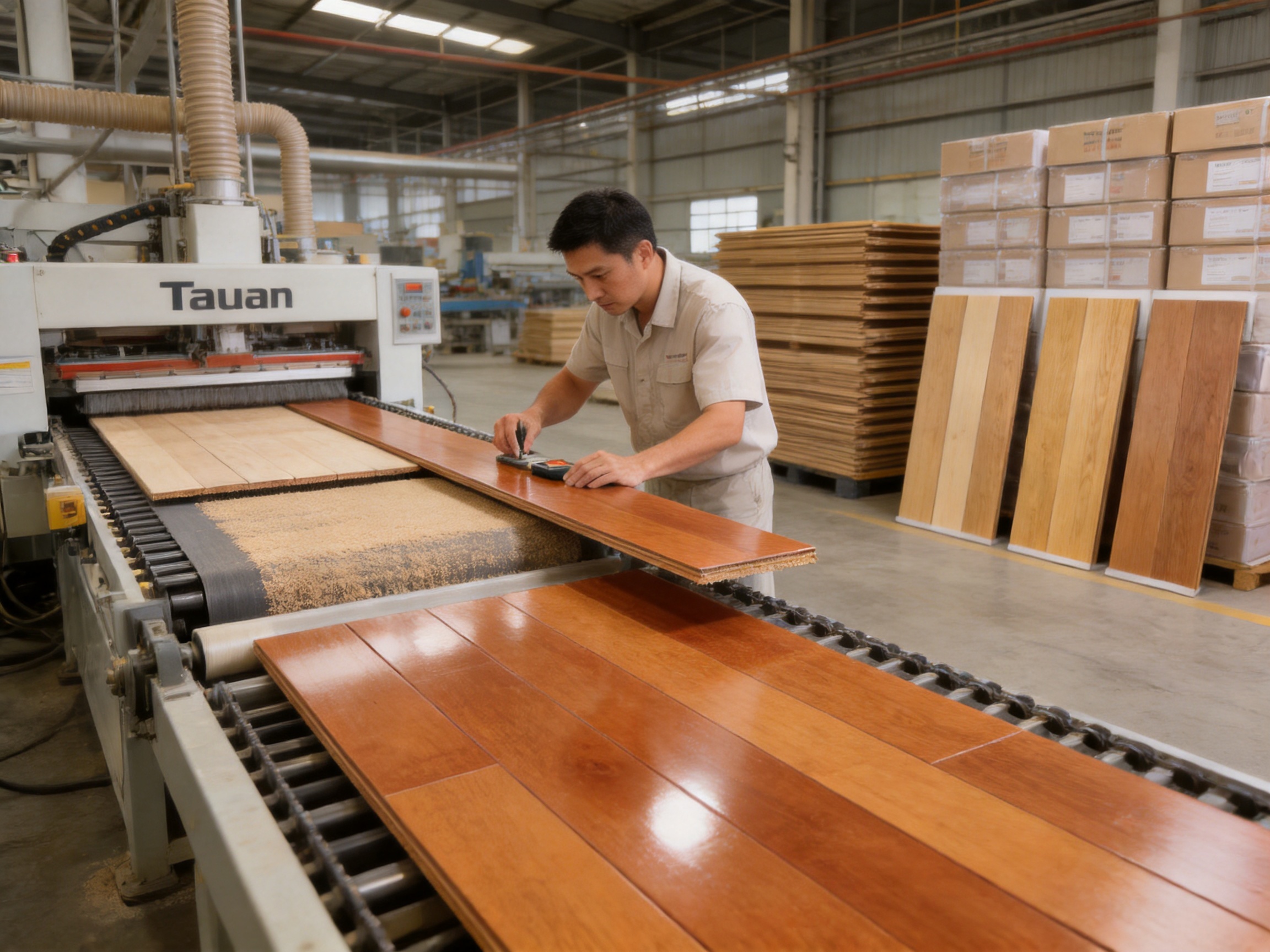
Golden Teak Light Brown High-Gloss Solid Wood Flooring is a premium solid Taun flooring solution designed for interiors that value natural character, polished appearance, and specification flexibility. Its 100% solid wood core gives it an authentic material identity, while the golden light brown color and high-gloss finish help brighten rooms and create a refined atmosphere.
The four-sided tongue-and-groove profile, micro-beveled edges, customizable surface textures, and multiple finish options support a wide range of design and installation requirements. E0 environmental performance, FSC and CE references, international production capability, and structured quality control further support its use in professional projects.
As part of a wider wood solutions portfolio, the flooring can be coordinated with wooden doors and custom cabinets. For distributors, contractors, architects, and developers, this combination of product quality, customization, manufacturing strength, and supply support creates a practical basis for residential developments, hospitality interiors, commercial spaces, and custom architectural applications.
1. Product Specification Sheet: DS-2016 Solid Taun Wood Flooring, supplied technical data.
2. Wood Database and Botanical Reference Materials for Pometia pinnata and Taun timber characteristics.
3. European Construction Product Compliance and CE Marking Guidance for Interior Building Materials.
4. FSC Principles and Criteria for Responsible Forest Management and Chain of Custody.
5. Indoor Air Quality and Formaldehyde Emission Classification Guidance for Wood-Based Interior Products.
6. General Installation and Maintenance Practices for Solid Wood Flooring and Radiant Heating Systems.
7. Quality Management System Principles Referenced by ISO 9001.

We provide customers with sustainable and eco-friendly
engineered wood solutions and services.
Choose DEIF for the perfect blend of
performance and aesthetics.
