


 English
 Español
 عربى


Get Social
Choose DEIF for the perfect blend of
performance and aesthetics.
 Get Free Sample

Content
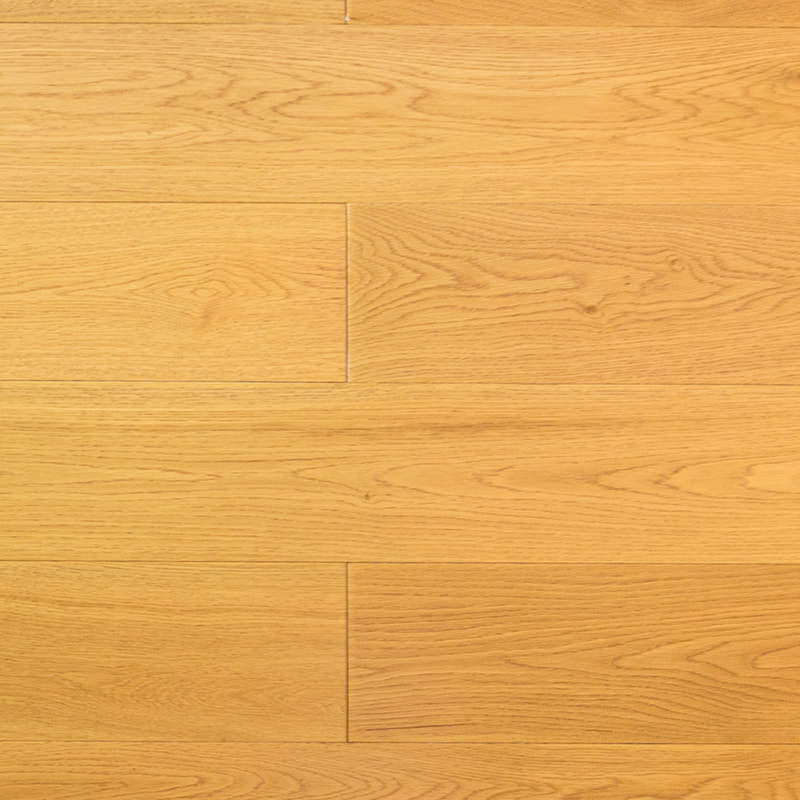
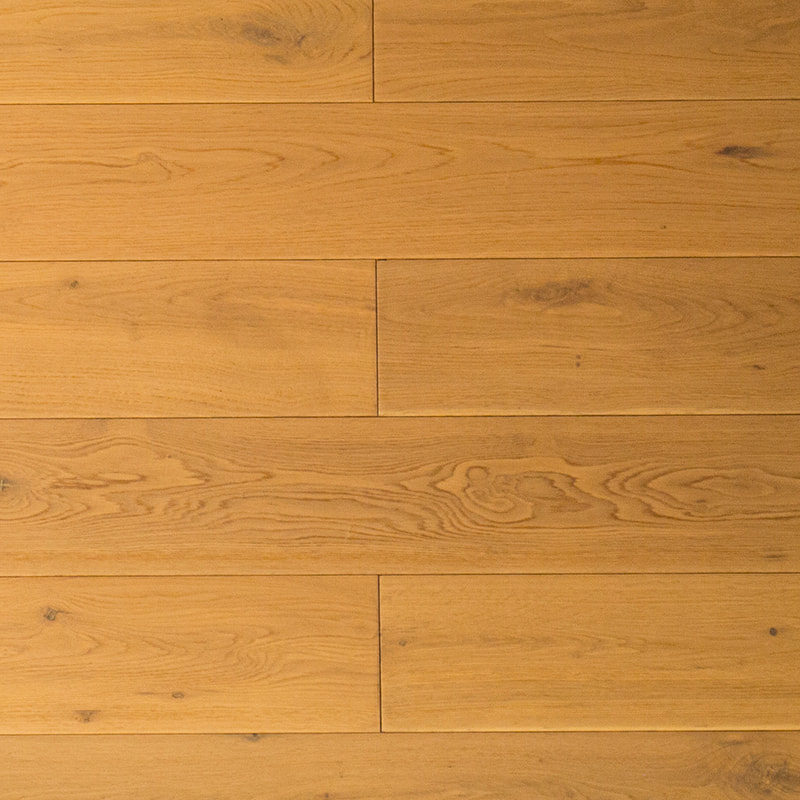
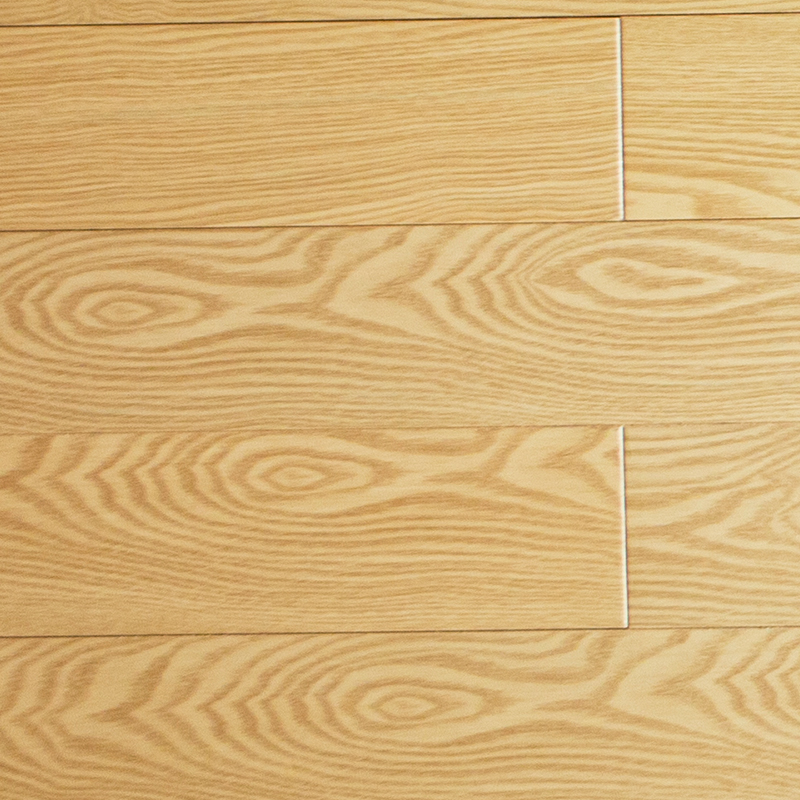
Modern flooring must do more than cover a subfloor. It must contribute to the visual identity of an interior, remain stable through changing seasons, support efficient installation, and deliver dependable performance over many years. The 3-Layer Ash Silver Grey Smooth Surface Click Engineered Wood Flooring is designed around these expectations. Combining a natural wood veneer, a structurally balanced three-layer core, a refined silver-grey finish, and an arc-shaped click-lock system, this flooring provides a practical and visually sophisticated solution for residential, hospitality, commercial, and architectural applications.
Product code DF-T1716 represents a flooring design created for contemporary spaces that value clean lines, calm colors, natural materials, and reliable construction. Its cool ash tone gives interiors a modern character without making the room feel visually heavy. The smooth surface emphasizes the grain and subtle variation of the ash veneer, while the engineered structure helps reduce the movement commonly associated with solid wood flooring.
For buyers, distributors, contractors, architects, and project developers, the product offers a combination of design flexibility and manufacturing consistency. Face species, veneer thickness, grade, coating, texture, dimensions, and installation method can be customized according to project requirements. This flexibility makes the flooring suitable for carefully coordinated interior schemes as well as larger-volume developments that require repeatable specifications.
The flooring is manufactured by Suzhou Dicosbo Wood Co., Ltd., a China-based wood solutions manufacturer specializing in wood flooring, wooden doors, and custom cabinets. With more than two decades of industry experience, substantial production facilities, export expertise, and formal quality and compliance systems, the company supports customers seeking both standard products and project-specific OEM or ODM solutions.

3-Layer Ash Silver Grey Smooth Surface Click Engineered Wood Flooring
The DF-T1716 flooring collection belongs to the three-layer engineered flooring category. Its design combines a natural ash face veneer with a fir or pine structural core. The standard listed dimensions are 48.0 inches by 7.7 inches by 5/8 inch, providing a long and moderately wide plank proportion that works particularly well in open-plan rooms, living areas, studios, apartments, and commercial interiors.
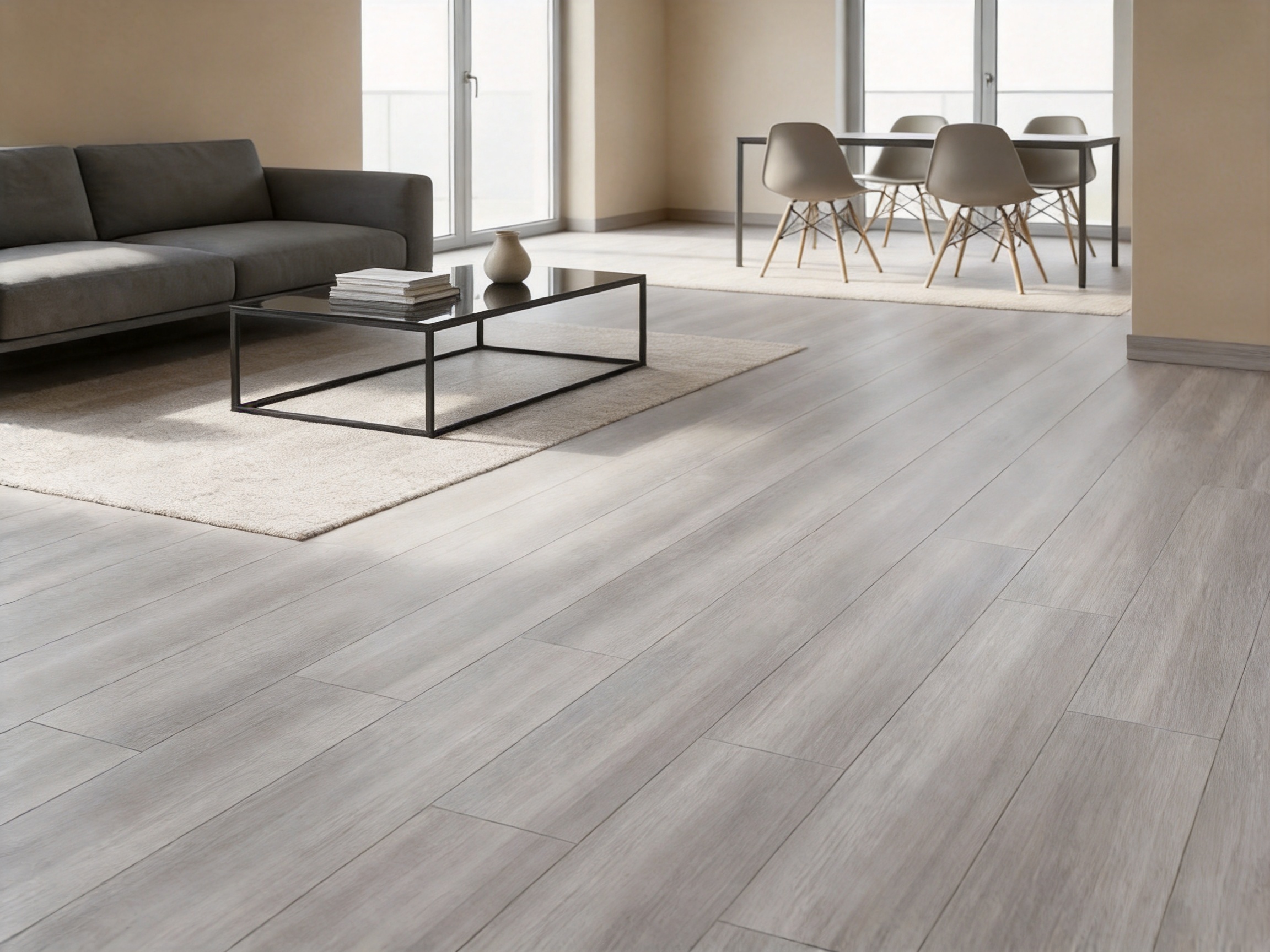
The silver-grey color is one of the defining characteristics of this product. Instead of relying on a strongly colored artificial pattern, the design uses the natural appearance of ash wood as the foundation for a cooler contemporary tone. The result is a floor that can complement neutral walls, black metal details, warm timber furniture, stone surfaces, textured fabrics, and minimalist architectural elements.
Ash is recognized for its expressive yet balanced grain. Depending on the selected veneer grade and finishing process, the surface may display a relatively uniform appearance or include more visible natural character. This gives purchasers the ability to select a visual direction that matches the project. A restrained grade can create a clean luxury appearance, while a more expressive grade can add warmth and natural variation to a larger space.
The smooth surface treatment is intended to create a refined tactile experience. It allows the wood grain to remain visible while presenting a clean, easy-to-coordinate finish. Unlike heavily distressed surfaces, a smooth sanded appearance can be especially suitable for modern apartments, executive interiors, showrooms, boutique hospitality areas, and spaces where a calm visual language is preferred.
The product can also be customized beyond its standard ash appearance. The available face veneer options include oak, walnut, ash, and teak. Veneer grades can be selected from AB, ABC, ABCD, or CD classifications, subject to project requirements and production confirmation. These choices enable the same basic engineered construction to support different design programs and market positions.
The primary technical advantage of this flooring is its engineered three-layer construction. Instead of being manufactured from one solid piece of timber, the floor is built from multiple wood layers arranged to improve dimensional balance. The face layer provides the appearance and wear surface, while the lower layers contribute structural support and help control movement.
The face veneer may be specified in thicknesses ranging from 0.6 millimeters to 6.0 millimeters for general product applications, with listed project options including 2, 3, 4, and 6 millimeters. A thicker veneer can provide a more substantial natural wood surface and may offer additional refinishing potential depending on the finished floor specification, installation conditions, and maintenance plan. The correct thickness should be selected in consultation with the supplier and according to the intended use.
The three-layer core uses fir or pine as the listed core material. These softwood species are commonly used in engineered flooring because they provide a favorable balance between weight, workability, structural performance, and resource efficiency. The core is designed to support the top veneer and create a more stable board than a single solid plank of equivalent width.
The product information also identifies a solid wood layer substrate as part of the flooring structure. This substrate contributes to underfoot comfort and supports long-term durability. The construction is intended to reduce the risk of warping, deformation, and cracking caused by ordinary changes in indoor temperature and humidity.
Every wood floor remains a natural material, so no engineered product can eliminate all movement under extreme conditions. However, a properly manufactured three-layer structure can reduce the magnitude of movement and make the flooring more predictable in normal residential and commercial environments. Correct acclimatization, subfloor preparation, installation, humidity management, and maintenance remain essential to achieving the expected performance.
Compared with many basic single-layer wood products, a well-designed engineered floor offers greater flexibility for modern construction. It can be installed over suitable subfloors using floating, glue-down, or staple installation methods, depending on the project specification. This adaptability can simplify coordination between the flooring supplier, general contractor, interior designer, and installation team.
The natural veneer surface is a major distinction between this flooring and printed or fully synthetic alternatives. Each plank is based on real wood, so the grain, tonal variation, and visual depth are derived from the character of the veneer. The silver-grey color treatment provides a contemporary appearance while maintaining the authenticity of the wood surface.
In modern interior design, cool grey flooring is frequently selected because it can make a room feel orderly, spacious, and understated. The shade works effectively with white, charcoal, taupe, beige, muted green, navy, and natural stone palettes. It can also balance warm furniture and lighting, preventing a room with several wood elements from appearing overly yellow or visually repetitive.
The ash surface is suitable for interiors that require a sophisticated but approachable atmosphere. In a private residence, it can create a quiet foundation for furniture and artwork. In a stylish studio, it can reinforce a creative and uncluttered aesthetic. In an apartment development, it can provide a consistent premium appearance across multiple units. In a commercial setting, it can help create a welcoming environment without the visual intensity of very dark or strongly patterned flooring.
Because the surface is smooth and minimally distressed, it can support a wide range of furniture styles. Clean-lined sofas, light-colored cabinetry, brushed metal fixtures, glass partitions, natural textiles, and contemporary lighting can all be coordinated with the silver-grey finish. The flooring can also be used in transitional interiors where modern architectural details are combined with traditional furniture or decorative elements.
Veneer grading allows the appearance to be adjusted to project expectations. AB and ABC grades are often considered when the design calls for a more controlled and refined visual result, while ABCD and CD grades may be selected where greater natural variation is acceptable or desirable. Final grade interpretation should always be confirmed through approved samples because natural wood appearance can vary according to species, cut, batch, and finishing method.
The standard product information identifies a seven-layer UV coating for wear and scratch resistance. UV-cured coatings are applied and hardened through a controlled production process, creating a finished surface designed for regular interior use. The coating helps protect the veneer from everyday abrasion, minor surface marks, and common household or commercial contact.
A properly applied multi-layer coating system can provide more uniform coverage than an inconsistent manual finish. It can also improve the repeatability of the visual result across production batches. For a project buyer, this consistency is important because flooring is often installed across multiple rooms, floors, or buildings where noticeable variation can affect the completed appearance.
The product specification also lists UV lacquer, UV oil, and hardwax oil as customizable surface finish options. Each finish can create a different balance of appearance, tactile quality, maintenance requirements, and long-term care. UV lacquer generally provides a clear protective film and a practical surface for routine use. UV oil can preserve a more natural visual impression while still supporting surface protection. Hardwax oil can create a tactile, low-gloss appearance that emphasizes the character of the wood.
The final finish should be chosen according to traffic levels, cleaning practices, expected appearance, maintenance resources, and local project conditions. A residential bedroom, a busy living room, a boutique retail area, and a hospitality corridor may have different requirements. The supplier can assist with sample approval and finish selection before mass production.
The smooth sanded surface is the listed option for DF-T1716, although wire-brushed and handscraped textures are also available for customization. Smooth sanding is particularly effective when the design goal is a clean and contemporary floor. Wire brushing can make the grain more tactile and visible, while hand scraping can introduce a more handcrafted or rustic appearance. Offering these alternatives gives architects and designers greater control over the final design language.
The floor includes a micro-bevel on all four sides. This subtle edge detail can help define each plank after installation, creating a controlled linear rhythm across the floor. It may also help reduce the visual impact of minor edge transitions between adjacent boards. The exact appearance of the bevel should be reviewed in a physical sample because lighting, plank width, coating sheen, and installation direction can influence how visible the detail becomes.
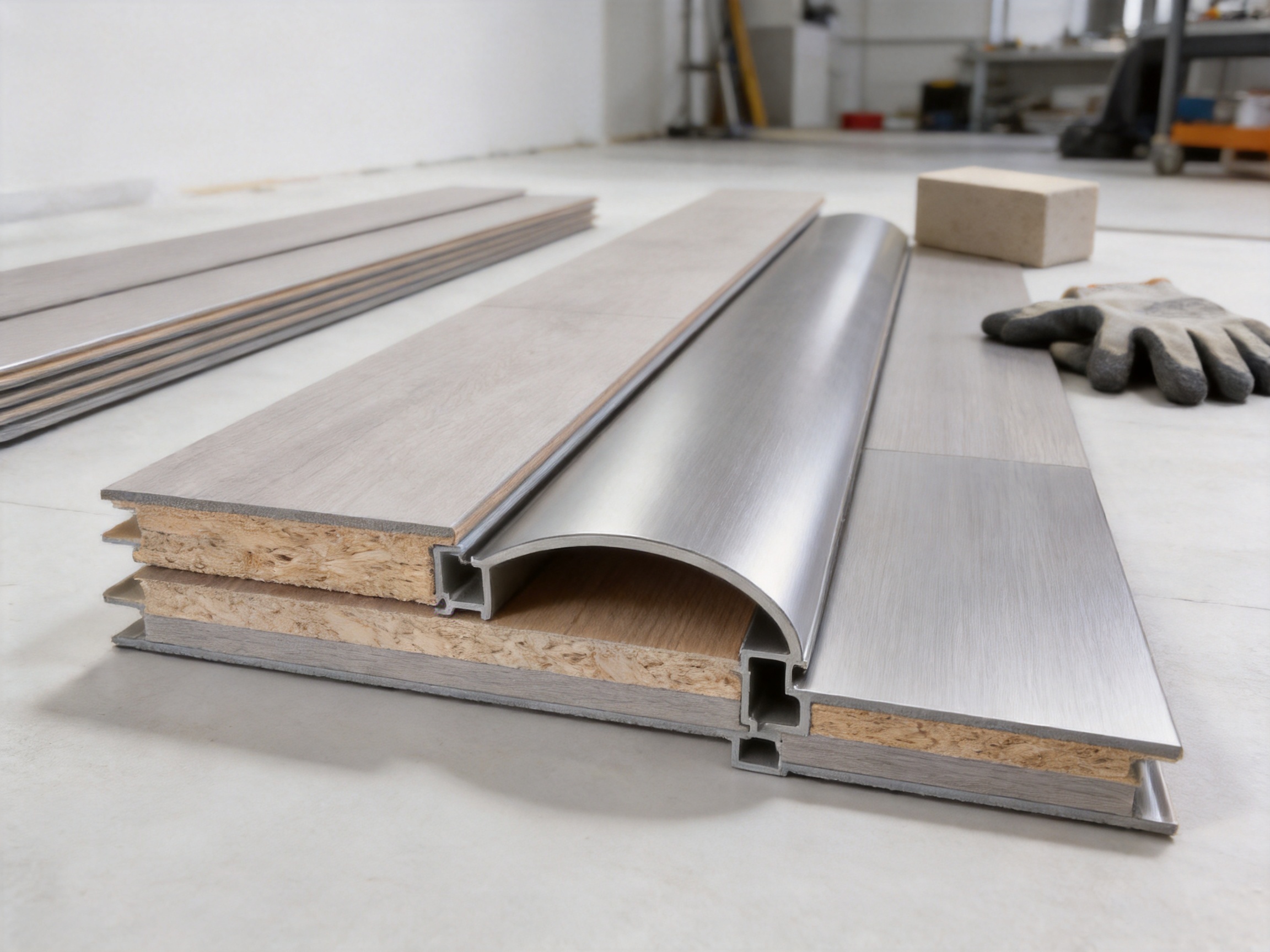
The arc-shaped click-lock system is designed to connect adjacent planks securely. A click profile can reduce dependence on complex on-site joining procedures and can help installers achieve a tighter, more consistent connection between boards. When properly installed on a suitable subfloor, the locking system supports a stable and visually continuous floor surface.
Click installation is often valued for its efficiency. It can reduce the need for extensive adhesive application during floating installation and may simplify replacement of individual planks if access and project conditions permit. The system can also support cleaner job-site organization because boards are mechanically connected rather than relying entirely on wet bonding procedures.
The product supports float, glue, and staple installation methods. The correct method depends on the subfloor, room dimensions, acoustic requirements, radiant heating conditions, building regulations, and project specification. Floating installation may be suitable where speed and reduced adhesive use are priorities. Glue-down installation can be selected where enhanced contact with the subfloor or acoustic considerations are important. Staple installation may be considered for compatible wooden subfloors and approved construction conditions.
Installation should be performed by qualified professionals. Before work begins, the subfloor must be dry, level, clean, structurally sound, and free from conditions that could transfer moisture to the flooring. Expansion provisions must be planned around walls, columns, door frames, transitions, and other fixed elements. The flooring should also be acclimatized according to the supplier’s instructions and the conditions of the installation site.
Although a click system can make installation more efficient, it does not remove the need for careful planning. Boards should be inspected before installation, and any visibly damaged or unsuitable pieces should be set aside. The installer should follow the approved laying pattern, maintain appropriate expansion gaps, use the recommended underlay where applicable, and protect the completed surface during the remainder of construction.
The DF-T1716 flooring is positioned between natural material appeal and engineered manufacturing precision. This combination creates several advantages over basic laminate, low-grade engineered wood, or poorly balanced solid wood alternatives.
Unlike a decorative printed layer, the natural veneer provides authentic wood grain and visual depth. The appearance is not limited to a repeated image pattern. Natural variation can give the installed floor a more premium and individual character, especially when planks are laid in a carefully planned sequence.
The three-layer construction is designed to reduce the risk of deformation and cracking associated with changes in temperature and humidity. While environmental control is still necessary, the engineered structure can be more stable than a wide solid plank in many ordinary interior applications.
Buyers can select from multiple wood species, veneer thicknesses, grades, surface finishes, and textures. This is an important advantage for project-based customers who need a product aligned with a particular concept rather than a fixed catalog appearance.
Support for floating, glue, and staple installation gives contractors more options when responding to different subfloors and construction methods. The click system can also help reduce installation complexity when compared with products that require more labor-intensive joining or finishing procedures.
The seven-layer UV coating is intended to improve resistance to wear and scratches during normal use. It gives the floor a practical protective surface while allowing the natural veneer and silver-grey design to remain visible.
The ash silver-grey color can serve as a neutral design foundation. It is modern without being overly trend-dependent, making it appropriate for projects that need to remain visually relevant over an extended service period.
For distributors and developers, repeatability is as important as appearance. A manufacturer with defined inspection procedures, automated quality control, and project customization capabilities can provide greater confidence when supplying flooring for multiple rooms or buildings.
| Feature | DF-T1716 Flooring Solution | Project Value |
| Construction | Three-layer engineered wood | Balanced structure and improved dimensional stability |
| Face Material | Natural ash veneer, with other species available | Authentic wood appearance and design flexibility |
| Color Direction | Ash silver-grey | Modern, neutral, and easy to coordinate |
| Surface | Smooth sanded with customizable finish options | Refined appearance and adaptable performance |
| Protection | Seven-layer UV coating for general use | Support for wear and scratch resistance |
| Profile | Micro-bevel on all four sides | Defined plank lines and controlled visual rhythm |
| Connection | Arc-shaped click-lock system | Efficient and secure plank connection |
| Installation | Float, glue, or staple | Flexibility for different project conditions |
| Customization | Sizes, colors, veneers, grades, textures, and finishes | Suitable for OEM, ODM, and architectural programs |
| Compliance | CE and FSC certifications listed for general use | Support for international sourcing requirements |
The product’s performance depends not only on its design but also on the manufacturing system behind it. Suzhou Dicosbo Wood Co., Ltd. has operated in the wood products sector since 1999 and has developed expertise across flooring, wooden doors, and custom cabinets. This broader product experience can support coordinated interior woodwork programs in which several wood components must share a compatible quality level, color direction, or supply schedule.
The company operates production facilities covering approximately 20,000 square meters. This scale provides room for organized material handling, production planning, quality inspection, finishing, packaging, and shipment preparation. For international customers, production capacity is a significant consideration because project schedules often require consistent output over several months rather than a single small shipment.
Annual capacity is identified as approximately 2,400,000 square meters of flooring and 5,000 sets of doors. Such capacity supports both regular distribution orders and larger project requirements, subject to production schedules, material availability, and agreed specifications. Capacity also allows the manufacturer to serve different customer groups, including distributors, contractors, architects, developers, and private-label buyers.
German imported production lines are used within the manufacturing system. Advanced equipment can improve process consistency in machining, sanding, coating, profiling, and finishing. Automated quality control systems further support repeatability by helping monitor production stages and identify deviations before products are packed and shipped.
Manufacturing quality is supported by a three-step inspection process. While the specific internal checkpoints may vary according to product and order, a structured inspection approach generally helps control incoming materials, in-process production, and finished goods. This is particularly important for engineered flooring because defects may involve the veneer, core bonding, dimensions, locking profile, surface coating, moisture condition, or packaging.
Material inspection helps confirm that veneers, core components, coatings, and packaging materials meet the approved specification. Process inspection can monitor the accuracy of board construction, surface treatment, edge profiling, and locking system production. Final inspection can assess appearance, dimensions, surface quality, packing condition, and order conformity before shipment.
The company also offers OEM and ODM customization. OEM production is useful when a buyer has an established specification, brand system, or private-label requirement. ODM support is valuable when the buyer wants assistance developing a new appearance, construction, finish, or coordinated product solution. A reported 72-hour rapid prototyping capability can help customers evaluate design directions more quickly before approving larger production volumes.
Rapid prototyping does not replace full product testing or sample approval, but it can shorten the early design stage. This is especially useful for interior designers and project developers working under compressed schedules. A physical sample can reveal differences in color, sheen, grain, tactile quality, bevel visibility, and plank proportion that may not be fully understood from digital images.
The product information identifies EU CE and FSC certification for general product applications. These certifications and compliance references are important for customers sourcing wood flooring for international markets, although the exact certification scope, certificate validity, product range, and applicable documentation should always be confirmed for the specific order.
FSC-related sourcing supports responsible forestry expectations by helping buyers evaluate the origin and supply chain of forest-based materials. For architects, developers, and corporate customers with sustainability policies, documented responsible sourcing can contribute to broader environmental and procurement goals.
CE marking is relevant to applicable European product requirements. It indicates that the product or product system has been assessed against relevant requirements within the declared scope. Buyers should request the appropriate technical documentation and confirm whether the selected construction, finish, and intended application are covered by the applicable declaration.
The company profile also identifies CARB P2 and ISO 9001 among its compliance and management references. CARB P2 is associated with formaldehyde emission requirements for regulated composite wood products in applicable markets. ISO 9001 relates to quality management systems. These references can support procurement review, but project purchasers should obtain current certificates, test reports, declarations, and technical data sheets before specifying the product for a regulated application.
Global export experience is another important strength. The company has more than ten years of export experience and serves partners across Europe, North America, and Southeast Asia. International supply requires more than manufacturing capacity. It also requires attention to packaging, documentation, communication, shipping coordination, customs requirements, product labeling, and after-sales support.
For distributors, the ability to customize products while maintaining stable supply can support market differentiation. A distributor may request a particular surface tone, plank size, packaging format, or private-label presentation. For contractors, dependable production and clear technical documentation can reduce uncertainty during project planning. For architects, sample development and finish customization can help achieve a precise design concept.
The silver-grey ash appearance is well suited to high-end apartments where the floor must create a premium first impression. Its neutral color can be integrated with kitchens, living rooms, bedrooms, and circulation spaces. The three-layer structure is appropriate for interior environments where seasonal indoor climate changes may affect natural wood materials.
In open-plan apartments, long planks can visually extend the direction of the room and create continuity between dining, living, and entrance areas. The smooth surface can also simplify coordination with built-in storage, custom cabinets, and contemporary doors. When the flooring is paired with warmer furnishings, the cool grey tone can create a balanced and layered interior rather than a cold appearance.
Living rooms require a floor that combines visual appeal with practical everyday performance. The UV-coated surface is designed for general wear and scratch resistance, while the engineered construction supports dimensional stability. Regular care and appropriate furniture protection remain necessary, but the product is suitable for spaces where people gather, walk frequently, and rearrange furnishings over time.
Studios often depend on a limited number of materials to define different functional areas. A consistent wood floor can connect the sleeping, working, dining, and living zones. The silver-grey surface provides a calm background for creative furniture layouts, artwork, plants, metal fixtures, and textiles.
Boutique hotels, serviced apartments, private clubs, and reception areas may use the product where a natural material is desired but the design requires a controlled contemporary finish. The choice of UV lacquer, UV oil, or hardwax oil can be evaluated according to traffic, cleaning procedures, and the intended tactile character.
In offices, creative studios, meeting rooms, and executive suites, wood flooring can contribute to a warmer and more human atmosphere than hard mineral surfaces alone. The product may be considered for selected areas where its appearance supports the brand or architectural concept. Commercial use should be evaluated according to traffic levels, maintenance resources, and local performance requirements.
Retail and showroom environments often need a floor that enhances displayed products without competing with them. The restrained ash silver-grey appearance can provide a neutral foundation for furniture, lighting, fashion, home accessories, and design products. Custom textures and finishes can be considered when the floor must reinforce a particular merchandising concept.
One of the strongest advantages of this flooring platform is the range of customization options. Standard dimensions provide a clear starting point, while project buyers can discuss alternative sizes and colors according to production feasibility. Customization can help align the floor with room proportions, installation patterns, local market preferences, or a developer’s product portfolio.
Face veneer selection includes oak, walnut, ash, and teak. These species offer different grain structures, tonal ranges, and levels of visual expression. Ash may be chosen for a bright and linear appearance. Oak can provide broad market familiarity. Walnut can create a richer and darker atmosphere. Teak may be selected for its distinctive color and grain character.
Veneer thickness can be customized to address different performance, appearance, and lifecycle expectations. Thicker veneers may be preferred for premium specifications, while thinner veneers can support weight, material efficiency, or cost objectives. The selected thickness should be matched with the intended finish, installation method, maintenance plan, and project budget.
Veneer grade is another important choice. A controlled grade may be appropriate for hospitality rooms or luxury residential spaces where a consistent appearance is desired. A more natural grade can add character to cafés, creative studios, retail areas, or rustic-modern interiors. Sample panels should be approved before production because natural wood grading can be interpreted differently across markets.
Surface texture can be specified as smooth sanded, wire brushed, or handscraped. Smooth sanding supports a sleek minimalist concept. Wire brushing makes the grain more tactile and may help create a slightly aged or artisanal appearance. Handscraping introduces more visible surface movement and can be suitable for projects seeking handcrafted character.
Surface coating can be selected from UV lacquer, UV oil, or hardwax oil. The finish should be evaluated under the project’s lighting conditions because gloss level and texture can influence perceived color. A complete sample review should include daylight, artificial lighting, furniture coordination, and cleaning considerations.
Customization is especially valuable when flooring must coordinate with wooden doors and custom cabinets. A manufacturer experienced across these product categories can help create a more coherent interior package. While exact color matching between different wood components can be difficult because veneer direction and surface area affect appearance, coordinated sampling can reduce unwanted visual differences.
The listed packaging specification includes ten pieces per carton, approximately 2.39 square meters per carton, approximately 25.73 square feet per carton, and a carton weight of approximately 24 kilograms. These figures assist buyers in estimating pallet quantities, handling needs, freight planning, and job-site storage requirements.
Before placing an order, project buyers should confirm the final product specification in writing. The confirmation should cover wood species, color, veneer grade, veneer thickness, dimensions, surface finish, surface texture, bevel detail, locking system, installation method, packaging, quantity, and acceptable natural variation.
Quantity calculations should include an appropriate allowance for cutting, room geometry, installation patterns, future repairs, and possible selection of boards with natural features outside the approved visual range. The allowance will vary according to project complexity and installer experience. Straightforward rectangular rooms generally require less additional material than spaces with many angles, columns, doorways, or diagonal layouts.
Storage conditions are also important. Cartons should be kept dry, protected from direct rain and excessive humidity, and stored on a level surface. They should not be exposed to conditions that could cause moisture absorption, edge damage, or deformation before installation. Site storage and acclimatization procedures should follow the manufacturer’s technical guidance and local construction practice.
For large projects, buyers may request pre-production samples, a control panel, or a mock-up area. These references can establish the approved color, grade, surface sheen, joint appearance, and installation direction. A control sample is particularly useful when production will occur in several batches or when flooring will be coordinated with doors and cabinetry.
Proper care helps preserve the appearance and performance of engineered wood flooring. Daily or routine cleaning should begin with removing loose dust and grit using a soft broom, dry microfiber cloth, or suitable vacuum attachment. Grit can act as an abrasive under foot traffic, especially near entrances and other high-use areas.
The recommended daily care approach is to wipe the floor with a dry cloth to keep it free from dust and dirt. For ordinary cleaning, excessive water should be avoided. Wet cloths, standing water, and prolonged exposure to moisture can affect wood materials and may contribute to swelling, edge damage, surface dulling, or dimensional movement.
For stubborn stains, a soft cloth and a neutral cleaner may be used periodically, provided the cleaner is suitable for the selected surface finish. Cleaning products should not be applied in excessive quantities. The floor should not be saturated, and any accidental spill should be removed promptly.
Furniture should be fitted with suitable protective pads. Heavy items should be lifted rather than dragged across the floor. Entrance mats can help capture sand and moisture before they reach the flooring. Direct and prolonged exposure to intense sunlight may influence the appearance of natural wood over time, so window coverings or appropriate interior planning may be considered in highly exposed areas.
Indoor humidity should be maintained within a stable range appropriate for wood flooring. Large and repeated changes in humidity can cause natural expansion and contraction. Climate control, ventilation, and sensible moisture management are therefore part of long-term floor care.
Maintenance requirements may vary according to whether the selected finish is UV lacquer, UV oil, or hardwax oil. Buyers should follow the finish-specific care instructions supplied with the final product. Using an incompatible cleaner or coating can reduce performance and may affect the appearance of the surface.
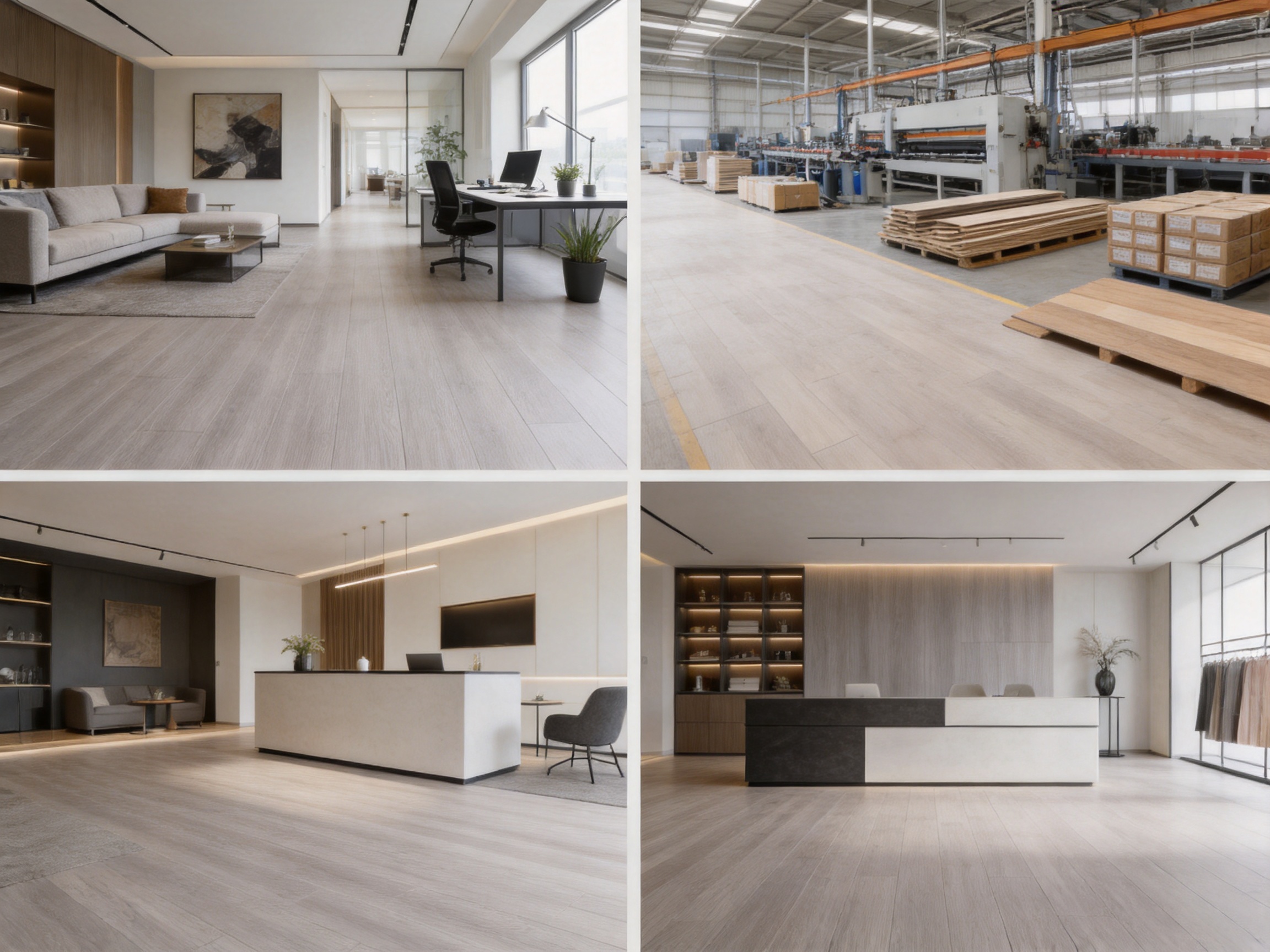
Choosing an engineered flooring product also means choosing the manufacturing system, communication process, and technical support behind it. An experienced supplier can help buyers move from an initial design idea to a confirmed specification, approved sample, production order, inspection process, and completed shipment.
Suzhou Dicosbo Wood Co., Ltd. has developed its business around three connected product categories: wood flooring, wooden doors, and custom cabinets. This integrated capability can benefit customers managing several interior woodwork packages. Rather than coordinating every component with unrelated suppliers, a project team may be able to discuss compatible materials, finishes, and design directions with one manufacturing partner.
The company’s history since 1999 demonstrates long-term experience in wood manufacturing. Its export background supports communication with international customers, while its production capacity provides a foundation for repeat orders and larger programs. The company serves partners in Europe, North America, and Southeast Asia, giving it experience with different architectural preferences and procurement expectations.
OEM and ODM services allow the supplier to serve both established brands and customers developing a new collection. A distributor may require a private-label flooring range, while an architectural firm may require a unique color and texture for a specific project. A developer may need a standardized specification that can be repeated across several buildings. These use cases require different levels of support, and a flexible manufacturer can adapt its process accordingly.
The company’s stated 72-hour rapid prototyping capability can help accelerate early decision-making. Its three-step inspection process and automated quality control systems support manufacturing discipline. Its listed CE, FSC, CARB P2, and ISO 9001 references provide a foundation for compliance review and supplier qualification.
These strengths do not eliminate the need for buyer due diligence. Every project should confirm current documentation, product-specific testing, material availability, lead time, sample approval, packaging, and installation instructions. However, a structured manufacturer is generally better positioned to provide the information and production support required by professional buyers.
| Product Code | DF-T1716 |
| Product Type | Three-layer engineered wood flooring |
| Featured Wood Surface | Ash veneer in a silver-grey smooth finish |
| Standard Dimensions | 48.0 inches × 7.7 inches × 5/8 inch |
| Core Construction | Three-layer engineered wood |
| Core Material | Spruce or pine, with fir or pine identified for the three-layer category |
| Face Veneer Options | Oak, walnut, ash, or teak |
| Veneer Thickness Options | 2, 3, 4, or 6 millimeters listed; broader general range of 0.6–6.0 millimeters |
| Veneer Grades | AB, ABC, ABCD, or CD |
| Veneer Cut | Sliced veneer |
| Surface Finish Options | UV lacquer, UV oil, or hardwax oil |
| Surface Texture Options | Smooth sanded, wire brushed, or handscraped |
| Edge Profile | Micro-bevel on all four sides |
| Locking System | Arc-shaped click system |
| Installation Methods | Float, glue, or staple |
| Pieces per Carton | 10 |
| Coverage per Carton | Approximately 2.39 square meters or 25.73 square feet |
| Weight per Carton | Approximately 24 kilograms |
| General Certifications and Standards Referenced | CE, FSC, CARB P2, and ISO 9001 references; confirmation required for the selected product and order |
This product uses a three-layer engineered construction rather than a single solid plank. The natural ash veneer provides the appearance of real wood, while the layered core is designed to improve dimensional stability and reduce the risk of deformation caused by normal changes in temperature and humidity. It also supports multiple installation methods and offers a click-lock profile for efficient assembly.
The surface is based on a natural ash wood veneer. The silver-grey appearance is achieved through the selected finishing and color treatment, while the natural grain remains visible. Because wood is a natural material, the final appearance will include variations in grain, tone, and feature distribution.
Yes. The listed customization options include wood species, veneer thickness, veneer grade, dimensions, color, surface finish, and surface texture. Buyers should provide project drawings, performance expectations, target quantities, and reference samples where possible so the manufacturer can confirm feasibility and prepare an accurate specification.
The flooring can be installed by floating, gluing, or stapling, subject to the subfloor and project conditions. The arc-shaped click system supports secure plank connection. A qualified installer should determine the appropriate method after reviewing the subfloor, moisture conditions, acoustic requirements, room layout, and applicable construction standards.
The product includes a seven-layer UV coating intended for wear and scratch resistance in general use. Suitability for a specific commercial environment depends on traffic intensity, maintenance procedures, footwear, rolling loads, moisture exposure, and local performance requirements. Commercial buyers should request project-specific technical confirmation before approval.
Routine care should use a dry cloth, soft broom, or suitable vacuum attachment. Avoid wet cloths, standing water, and prolonged moisture exposure. For stubborn stains, use a soft cloth and a neutral cleaner compatible with the selected finish. Spills should be removed promptly.
Yes. Veneer options include 2, 3, 4, and 6 millimeters, with a general product range of 0.6–6.0 millimeters. The appropriate thickness depends on the project’s appearance, lifecycle, maintenance, weight, and budget requirements. Any refinishing expectations should be confirmed with the manufacturer before specification.
The listed customizable face veneer options include oak, walnut, ash, and teak. Availability may depend on the selected grade, veneer thickness, color treatment, order quantity, and production schedule.
The company offers OEM and ODM customization. This can support private-label collections, distributor programs, architect-designed flooring, and project-specific products. Packaging, labeling, product configuration, and minimum order conditions should be confirmed during quotation.
Buyers should confirm the approved sample, species, grade, veneer thickness, dimensions, color, surface finish, texture, bevel, locking profile, installation method, packaging, quantity, lead time, inspection requirements, documentation, and acceptable natural variation. Current certification and test documents should also be requested for the specific product configuration.
The 3-Layer Ash Silver Grey Smooth Surface Click Engineered Wood Flooring combines natural wood character with engineered stability and contemporary design. Its ash veneer, cool silver-grey color, smooth surface, four-sided micro-bevel, seven-layer UV coating, and arc-shaped click-lock system create a balanced solution for modern interiors.
The three-layer fir or pine core is designed to reduce the risks of deformation and cracking associated with environmental movement, while the available float, glue, and staple installation methods give contractors practical flexibility. Customizable species, grades, veneer thicknesses, finishes, textures, sizes, and colors make the product suitable for individual homes, multi-unit developments, hospitality interiors, commercial spaces, and architectural programs.
Its advantages are reinforced by the manufacturer’s long industry history, 20,000-square-meter production facilities, German imported production lines, automated quality control, three-step inspection process, rapid prototyping capability, OEM and ODM services, export experience, and broad product expertise across flooring, doors, and cabinets. These capabilities provide a foundation for stable supply and coordinated interior wood solutions.
For the best result, buyers should treat the product as part of a complete flooring system. Subfloor preparation, acclimatization, professional installation, moisture control, appropriate cleaning, and finish-specific maintenance all influence the final performance. With correct specification and care, DF-T1716 can provide an elegant, durable, and adaptable wood flooring surface for interiors that require both design quality and dependable manufacturing support.
1. Product specification and technical information for DF-T1716 three-layer engineered wood flooring.
2. General principles of engineered wood flooring construction, dimensional stability, and installation planning.
3. Guidance on natural wood veneer grading, sliced veneer appearance, and acceptable material variation.
4. General maintenance practices for finished wood flooring, including moisture control and surface cleaning.
5. International wood product compliance references relating to CE marking, FSC sourcing, CARB P2 emissions requirements, and ISO 9001 quality management systems.

We provide customers with sustainable and eco-friendly
engineered wood solutions and services.
Choose DEIF for the perfect blend of
performance and aesthetics.
