


 English
 Español
 عربى
عربى

Get Social
Choose DEIF for the perfect blend of
performance and aesthetics.
 Get Free Sample

Content
White oak herringbone light grey matte parquet flooring is designed for interiors that require natural character, architectural rhythm, and long-term surface performance. In high-end residences, commercial showrooms, boutique hotels, studios, and refined hospitality spaces, the floor is no longer a background element. It becomes a visible design structure that shapes how a room feels, how light moves across the surface, and how furniture, wall finishes, and decorative materials connect with one another.
This flooring solution combines a light grey matte tone with a classic herringbone arrangement, creating a softer and more spacious appearance than dark flooring while maintaining the depth and visual movement expected from parquet. The product is especially suitable for minimalist, contemporary, Scandinavian-inspired, transitional, and luxury urban interiors where designers want a calm base without making the room feel plain.
Built around natural wood material, handcrafted splicing technology, customizable sizes and colors, and project-ready manufacturing control, this parquet flooring is developed for buyers who require more than a standard flooring product. It provides a balance of visual comfort, installation convenience, dimensional stability, sustainability, and custom specification flexibility. For distributors, contractors, architects, and interior project teams, it offers a strong combination of reliable production capacity and adaptable design value.
White Oka Herringbone Light Grey Matte Parquet Flooring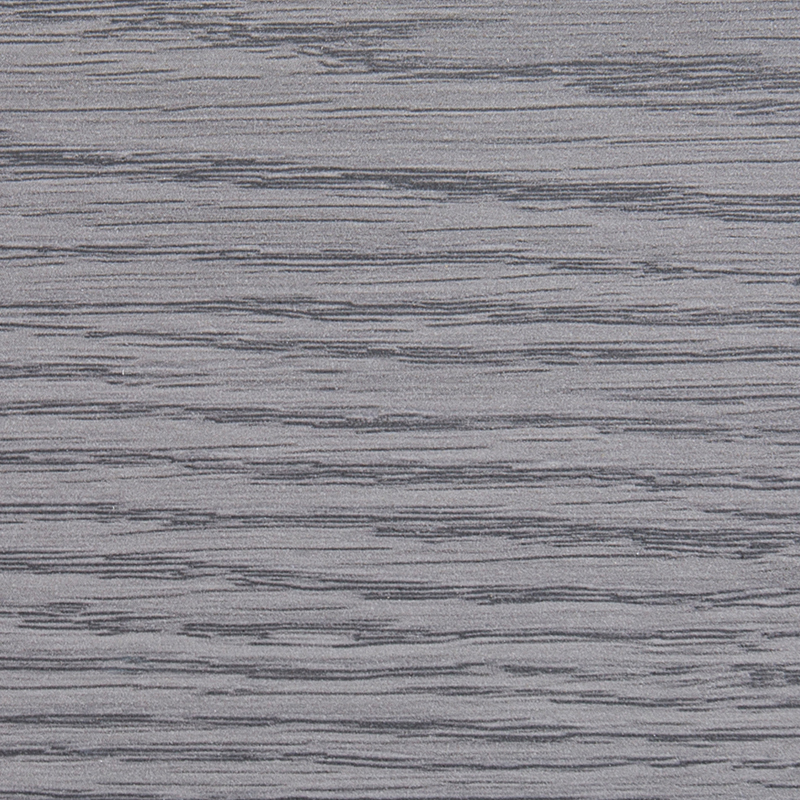
The featured flooring is a white oak herringbone parquet product in a light grey matte finish. Its standard plank size is 510 × 102 × 15 mm, equal to approximately 20.1 inches × 4.0 inches × 19/32 inches. The surface is designed to deliver a refined, low-glare appearance, making it appropriate for rooms that need visual softness and practical daily use.
The herringbone pattern is one of the most recognized parquet formats in architectural flooring. Unlike straight plank flooring, which emphasizes linear movement in one direction, herringbone creates a repeated angled structure that gives the floor a tailored and dynamic quality. The diagonal geometry can visually extend the room, guide the eye across the space, and make compact interiors feel more open.
The light grey matte color is a major advantage for modern interiors. It is less visually heavy than dark grey or deep brown floors and often pairs better with low-saturation furniture, stone textures, glass décor, soft fabrics, black metal accents, and warm neutral wall colors. The matte surface minimizes glare and helps create a calm, comfortable atmosphere, especially in spaces with large windows or strong artificial lighting.
In addition to its design value, the flooring is built with professional project requirements in mind. It supports customization of parquet size, color, veneer species, veneer grade, wear layer thickness, surface finish, and surface texture. It can be specified with oak, walnut, ash, or teak veneer options, and common veneer grades may include AB, ABC, ABCD, and CD depending on the visual standard required by the project.
| Product Type | White oak herringbone light grey matte parquet flooring |
| Product Code | DF-Y1172 |
| Standard Size | 510 × 102 × 15 mm |
| Imperial Size | 20.1″ × 4.0″ × 19/32″ |
| Pattern | Herringbone parquet; chevron 45° or 60° customization available for selected projects |
| Face Veneer Options | Oak, walnut, ash, teak, and other project-based wood species |
| Veneer Grade Options | AB, ABC, ABCD, CD |
| Wear Layer Options | 2 mm, 3 mm, 4 mm, 6 mm |
| Core Construction | Eucalyptus or birch plywood options; solid wood-based solutions available by specification |
| Surface Finish | UV lacquer, UV oil, wood wax oil |
| Surface Texture | Wire brushed, handscraped, smooth sanded |
| Profile | Click system on four sides with V-bevel |
| Installation Method | Floating installation with click-lock system |
| Carton Information | 32 pieces per carton; approximately 1.665 square meters or 17.92 square feet per carton |
| Weight | Approximately 18 kg per carton |
| Certification Focus | FSC-certified sustainable material; production aligned with international compliance requirements |
The visual effect of this flooring begins with its color. Light grey is one of the most flexible tones in interior design because it can behave as either a cool neutral or a soft natural base depending on the surrounding materials. When combined with white oak grain, the light grey finish retains organic warmth while providing the clean look demanded by contemporary spaces.
Compared with dark grey flooring, the light grey matte tone creates a more relaxed room atmosphere. Dark floors often produce a dramatic and formal impression, but they may also make rooms feel smaller, especially when natural light is limited. Light grey flooring reflects more ambient light and supports the impression of a larger, brighter space. This makes it suitable for apartments, studios, narrow corridors, bedrooms, living rooms, and commercial interiors where openness is important.
The matte finish is equally important. Glossy floors can look attractive in showrooms, but they may reflect overhead lights, windows, and furniture in a way that becomes visually distracting. A matte surface reduces glare and gives the floor a soft, understated elegance. In residential applications, this improves visual comfort. In commercial showrooms and hotel lobbies, it helps maintain a premium atmosphere without excessive shine.
Herringbone geometry adds another layer of value. Each plank is placed in an alternating angled structure, generating movement without requiring strong color contrast. This allows the floor to serve as a design feature while remaining subtle. It can support minimalist furniture, marble counters, brushed metal details, textured wall panels, and custom cabinetry without competing for attention.
For architects and interior designers, the product offers a strong balance between decorative impact and long-term usability. It provides more personality than standard straight plank flooring, yet it remains timeless enough for long service life. This is especially useful for property developers, boutique hospitality projects, and homeowners who want a floor that will not quickly become outdated.
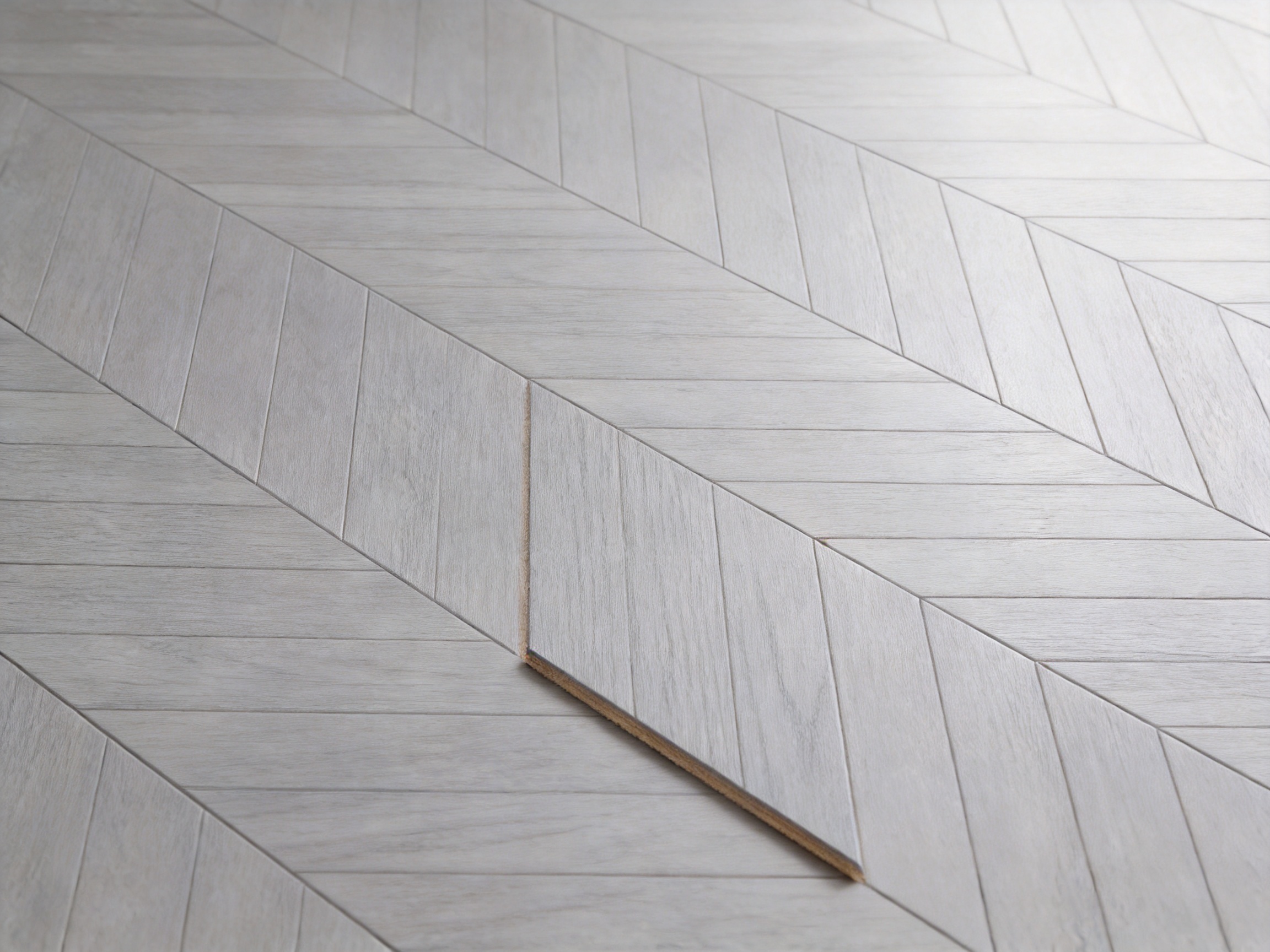
White oak is widely valued in flooring because it offers attractive grain, good hardness, and strong dimensional performance. Its natural structure allows it to withstand regular use in living rooms, bedrooms, corridors, studios, and selected commercial environments. When processed with appropriate drying, milling, profiling, finishing, and quality inspection, white oak flooring can offer both beauty and durability.
The product is available with natural solid wood-based material and engineered core options depending on project requirements. Engineered constructions using eucalyptus or birch plywood are particularly valuable for modern flooring because they improve dimensional stability. The layered structure helps reduce movement caused by changes in temperature and humidity when compared with some traditional solid formats. This is especially important for parquet patterns, where many short boards meet at angles and tight joint control is critical.
The wear layer can be customized in several thicknesses, including 2 mm, 3 mm, 4 mm, and 6 mm. This gives project buyers the ability to choose a specification that matches budget, traffic expectations, and long-term maintenance goals. A thicker wear layer can support future refinishing potential, while thinner options may be preferred for cost-sensitive projects where the surface finish and installation environment are well controlled.
Stable material selection also contributes to a flatter finished floor. Herringbone flooring requires precise machining and consistent board dimensions because even small differences can become visible once the pattern is assembled. Tight milling tolerances, accurate end cuts, and stable core materials help reduce gaps, uneven joints, and pattern drift during installation.
One of the product’s strongest advantages is the combination of handcrafted assembly knowledge with advanced production capability. Parquet flooring is more demanding than ordinary plank flooring because pattern accuracy depends on each piece matching correctly with the next. The diagonal structure must remain consistent across the full installation area, and left and right planks must be produced with accurate dimensions and reliable profile alignment.
Handcrafted splicing technology supports tight joints and high flatness. Skilled workers understand how natural wood grain, veneer direction, color variation, and board geometry interact. This human expertise is especially valuable when producing decorative parquet for luxury residences, commercial showrooms, and hospitality interiors, where the floor is often inspected closely by clients, designers, and end users.
At the same time, advanced manufacturing equipment improves consistency. German imported production lines and automated quality control systems allow the manufacturer to maintain stable output while meeting customized project requirements. The combination of skilled handwork and automated precision creates an important competitive advantage: the floor can retain the character of natural wood while meeting industrial standards for repeatability.
The production process typically includes raw material selection, moisture control, veneer preparation, core construction, pressing, conditioning, profiling, sanding, finishing, inspection, packing, and shipment preparation. Each step affects final performance. Moisture control helps reduce later movement. Accurate pressing supports bonding strength. Precision profiling ensures that the click-lock edges perform correctly. Controlled finishing protects the surface and defines the final appearance.
A strict three-step quality inspection process strengthens reliability. Inspection can include checking material appearance, dimensions, moisture content, bonding quality, surface finish consistency, click profile accuracy, flatness, carton contents, and packaging. For international buyers, this reduces the risk of installation delays, customer complaints, and replacement costs.
The flooring uses a click system on four sides with V-bevel detail. This allows floating installation and supports faster assembly compared with traditional glue-down parquet systems. For many projects, installation speed is a major cost factor. A click-lock system can reduce labor complexity, shorten construction schedules, and improve on-site efficiency.
Traditional parquet often requires careful adhesive application, extended curing time, and high installer skill. While glue-down installation remains valuable for certain commercial and high-traffic applications, click-lock floating installation offers a practical alternative for residential projects, renovation work, studios, showrooms, and spaces where faster turnover is required.
The left and right planks are packed separately, supporting correct pattern installation and reducing confusion on site. Each carton contains 32 pieces and covers approximately 1.665 square meters, or 17.92 square feet. This clear packaging structure helps installers calculate quantities, organize work areas, and maintain pattern consistency.
The V-bevel detail enhances the definition of each board and emphasizes the herringbone layout. It also helps visually manage minor natural wood movement by creating intentional shadow lines between planks. In light grey matte flooring, this is especially attractive because the bevel gently highlights the pattern without creating a heavy contrast.
Surface finish is one of the most important choices in wood flooring specification. This product can be customized with UV lacquer, UV oil, or wood wax oil, allowing designers and buyers to select the performance and appearance that match the project environment.
UV lacquer offers a protective film with good wear resistance and easy daily maintenance. It is often preferred for busy households, showrooms, and hospitality spaces where cleaning efficiency is important. UV oil penetrates the surface more naturally and can create a warmer, more tactile wood feel. Wood wax oil offers a traditional natural appearance and may be selected for projects where texture and authenticity are prioritized.
Surface texture can also be customized. A smooth sanded surface produces a clean and modern look, ideal for minimalist interiors. Wire brushing emphasizes the grain structure and can add subtle texture underfoot. Handscraped texture creates a more artisanal, character-rich appearance for projects that need a handmade or heritage-inspired effect.
The light grey matte finish is particularly effective when paired with wire brushing or smooth sanding. Wire brushing can reveal the natural grain of white oak, preventing the grey tone from appearing flat. Smooth sanding gives the floor a refined, gallery-like quality, suitable for contemporary homes, studios, and designer showrooms.
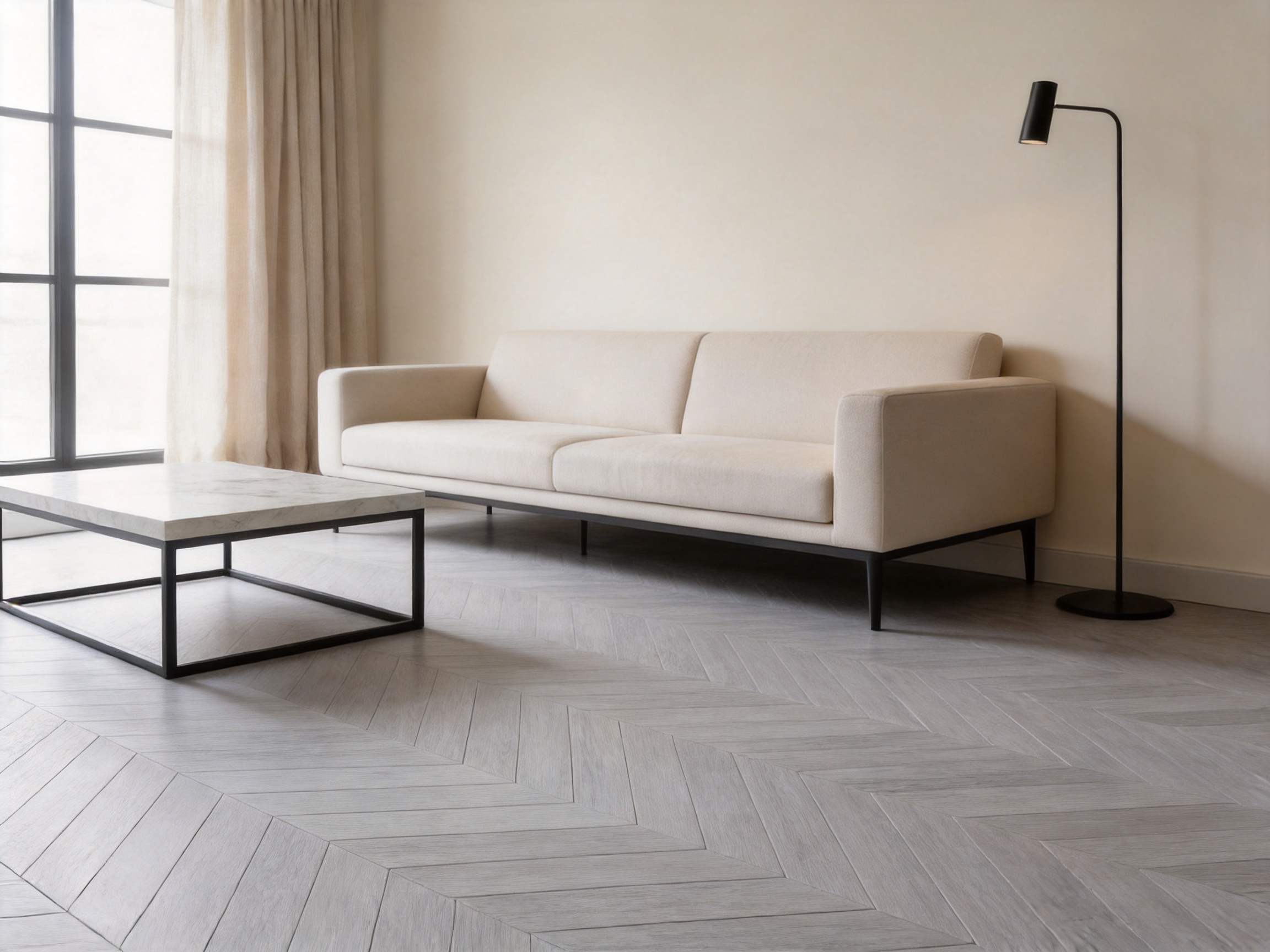
In the flooring market, many products attempt to imitate the look of parquet. However, there are significant differences between true wood parquet flooring and low-cost printed alternatives. This product’s advantages can be seen in material authenticity, pattern depth, custom flexibility, installation convenience, certification support, and manufacturing reliability.
Low-cost laminate or vinyl products may copy the appearance of wood, but printed surfaces often repeat patterns and lack the tactile quality of natural grain. White oak parquet provides real wood character, including natural variation in tone, grain, and texture. This gives each installation a more authentic and premium appearance.
Some competitor floors rely on glossy finishes to create showroom appeal, but excessive shine can reveal scratches, dust, and reflections. The matte finish of this product provides a quieter luxury. It supports visual comfort, reduces glare, and makes the floor easier to integrate with sophisticated interior materials.
Straight plank flooring remains popular, but it cannot always provide the same sense of movement and design intention as herringbone. The diagonal pattern adds architectural structure without requiring bold colors. For designers who want a floor that contributes to the interior concept, herringbone parquet offers greater expressive value.
Many flooring suppliers offer limited stock colors and sizes. This product supports customization of size, color, veneer species, grade, wear layer, finish, texture, and pattern angle in selected parquet formats. This is a major advantage for project buyers because commercial and residential designs often require exact coordination with doors, cabinets, wall panels, stairs, and furniture.
Some low-cost wood floors use inconsistent core materials or weak bonding systems. This can lead to warping, delamination, gaps, or clicking failure. By offering eucalyptus and birch plywood core options and using controlled manufacturing processes, the product supports better structural stability and installation performance.
Responsible sourcing matters increasingly in global projects. FSC-certified sustainable material provides assurance that wood resources are managed with environmental responsibility. The manufacturer’s broader compliance capabilities, including CE, CARB P2, and ISO 9001 alignment, support international buyers who must meet regulatory, environmental, and quality requirements.
This flooring is suitable for high-end residences, commercial showrooms, hotel lobbies, studios, living rooms, bedrooms, corridors, and refined public interiors. Its combination of light color, matte finish, stable construction, and herringbone pattern allows it to work in both private and commercial settings.
In living rooms, it creates a refined foundation for sofas, coffee tables, rugs, and built-in cabinetry. The herringbone pattern gives the room an intentional design feel, while the light grey tone keeps the atmosphere calm and spacious. In bedrooms, the matte finish contributes to a restful environment, especially when paired with linen fabrics, warm lighting, and soft wall colors.
In studios and creative workspaces, the flooring supports a clean backdrop for photography, design work, art display, and client meetings. Its low-saturation color does not dominate the interior, making it easier to coordinate with changing furniture and décor. In commercial showrooms, the floor can elevate product displays by adding texture and pattern without distracting from merchandise.
In hotel lobbies and boutique hospitality environments, herringbone parquet communicates craftsmanship and permanence. The pattern is associated with classic European interiors, yet the light grey matte finish modernizes the look. This makes the product suitable for hotels that want elegance without excessive ornamentation.
The herringbone layout can visually extend a room because the eye follows the diagonal movement across the floor. This effect is especially useful in narrow spaces, compact apartments, hallways, and rooms with simple furniture arrangements. When installed with careful alignment, the repeated angles can make the floor feel more expansive than a standard plank layout.
The light grey color also supports spatial openness. Light-toned floors reflect more ambient light than dark floors and reduce the visual weight at ground level. This can make walls feel taller and rooms feel brighter. In interiors with large glass elements, pale stone, white cabinets, or neutral textiles, the floor becomes part of a unified light palette.
The matte finish contributes by softening reflections. A high-gloss floor may create visual noise, especially in bright spaces. Matte flooring allows the grain and pattern to remain visible without harsh reflection. This improves comfort for both residential occupants and commercial visitors.
The manufacturer behind this flooring is a global wood solutions producer specializing in wood flooring, wooden doors, and custom cabinet solutions. Founded in 1999, the company has more than 20 years of wood manufacturing expertise and over 10 years of export experience. It operates approximately 20,000 square meters of production facilities and serves more than 100 global partners across Europe, North America, and Southeast Asia.
For flooring buyers, manufacturing strength is not an abstract claim. It directly affects delivery stability, product consistency, quality control, and the ability to support customized project requirements. A factory with broad wood product experience can coordinate flooring with doors, cabinets, and other interior woodwork, which is valuable for developers, contractors, designers, and distributors managing complete interior packages.
The company’s annual production capacity includes approximately 2,400,000 square meters of flooring and 5,000 sets of doors. This scale enables it to support both regular wholesale programs and project-based supply. For distributors, stable capacity means more reliable inventory planning. For contractors, it reduces the risk of delays caused by insufficient production output.
OEM and ODM customization capabilities allow the manufacturer to develop products according to market needs or project specifications. The 72-hour rapid prototyping capability is especially important for designers and importers who need quick sample confirmation before large orders. Faster sampling shortens decision cycles and helps project teams move from concept to procurement more efficiently.
German imported production lines and automated quality control systems contribute to consistent machining, sanding, finishing, and inspection. In wood flooring, precision matters at every stage. If milling is inaccurate, click-lock installation may fail. If sanding is uneven, the surface may show finishing defects. If moisture control is poor, the boards may move excessively after installation. Advanced equipment and systematic inspection reduce these risks.
High-quality parquet flooring begins with raw material selection. Wood must be evaluated for grain, color, defects, moisture, and suitability for the intended grade. Because this product can be specified in different veneer grades, the manufacturer can match visual expectations for different market segments. AB grade may be selected for cleaner luxury projects, while ABC or ABCD grades may be appropriate when natural variation is desired.
Moisture control is essential. Wood is hygroscopic, meaning it absorbs and releases moisture depending on the surrounding environment. Proper kiln drying and conditioning help stabilize the material before production. If moisture is not controlled, boards may shrink, swell, cup, or gap after installation.
Core construction is another critical area. Eucalyptus and birch plywood cores are selected for stability and strength. Layers must be properly bonded and pressed to reduce the risk of delamination. The bonding process must be controlled to ensure that the face veneer and core remain stable during normal use.
After pressing and conditioning, boards are machined to precise dimensions. For herringbone parquet, length, width, angle, and end accuracy must be tightly managed. Even small deviations can affect pattern alignment. The click-lock profile must also be accurately produced so the boards connect securely during floating installation.
Sanding prepares the surface for finishing. A smooth and consistent sanding process helps the finish absorb or bond evenly. Whether the final choice is UV lacquer, UV oil, or wood wax oil, surface preparation has a major impact on appearance and durability.
The finishing line applies the selected coating and cures it under controlled conditions. Finish consistency affects color, sheen, wear resistance, stain resistance, and maintenance performance. Matte finishes require careful control because uneven gloss can become visible under natural light.
Final inspection checks dimensions, profile accuracy, surface quality, color consistency, carton quantities, labeling, and packaging protection. Since left and right planks are packed separately, carton organization must be accurate. Proper packaging helps protect the flooring during storage, handling, container loading, and international transportation.
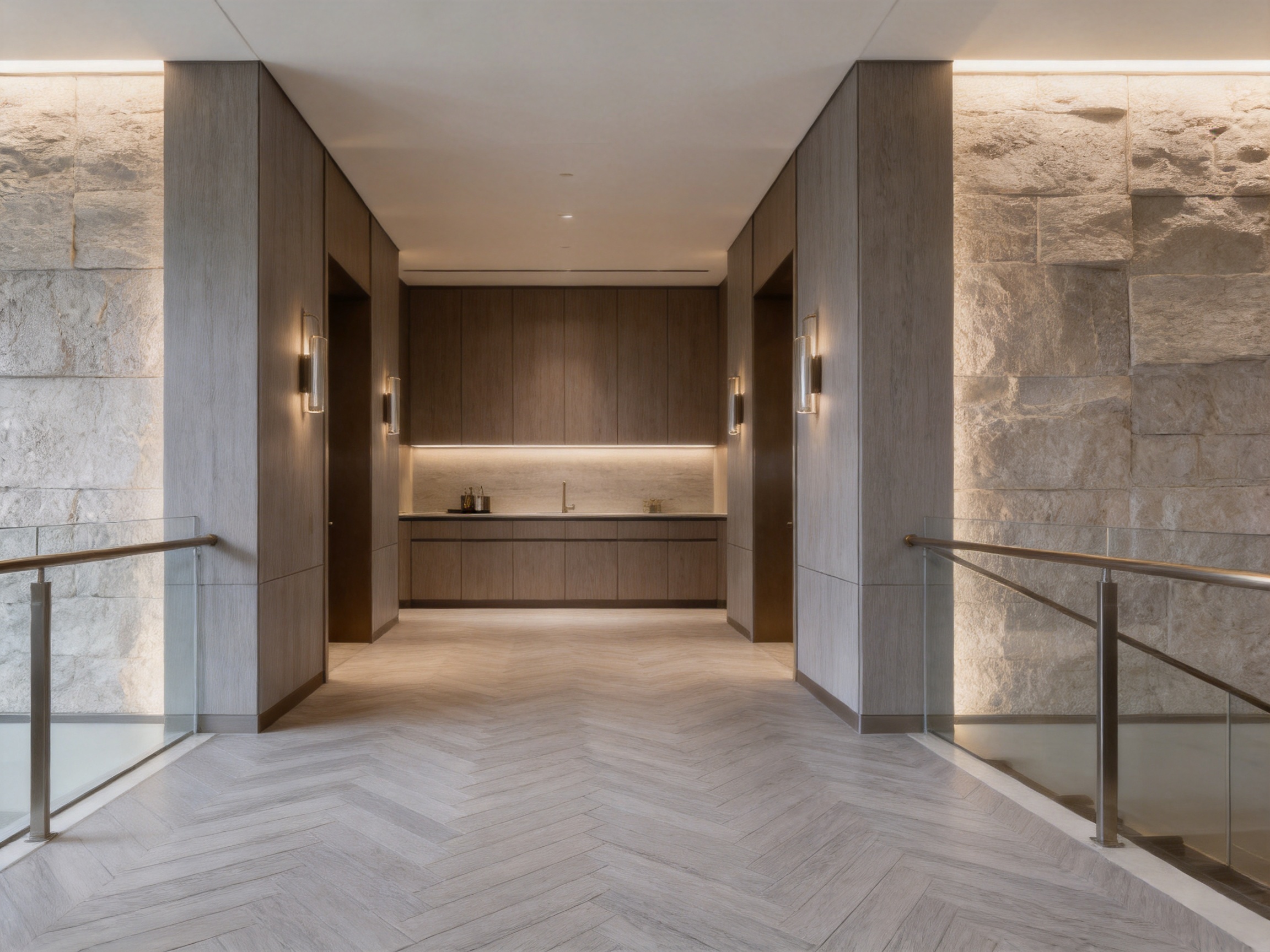
Sustainability is no longer optional in architectural materials. Developers, designers, governments, and end users increasingly expect responsible sourcing and verifiable standards. This flooring uses FSC-certified sustainable material, supporting responsible forest management and giving buyers greater confidence in the supply chain.
The manufacturer also works with international compliance requirements such as CE, CARB P2, and ISO 9001. CE compliance supports access to European markets. CARB P2 is important for controlling formaldehyde emissions in composite wood products, especially for North American buyers. ISO 9001 reflects a structured quality management system that supports consistent production and continuous improvement.
For contractors and distributors, these certifications reduce procurement risk. They help demonstrate that the product is suitable for international projects and can meet the documentation needs of architects, developers, and regulatory authorities. In competitive tenders, compliance support can be as important as price.
The flooring is designed for practical daily care. Regular dry mopping removes dust, grit, and debris that can scratch the surface over time. For deeper cleaning, a slightly damp cloth may be used, but excess water should be avoided. Like all wood flooring, it should not be soaked, steam cleaned, or exposed to standing water.
Protective pads should be used under furniture legs, especially for chairs, tables, and movable pieces. Entry mats can help reduce sand and dirt in high-traffic areas. Spills should be cleaned promptly. Although the finish provides surface protection, careful maintenance will preserve the appearance and performance of the floor for a longer period.
Direct sunlight should be managed with curtains, blinds, UV-filtering glass, or area rugs when necessary. Natural wood changes gradually with light exposure, and proper protection helps maintain more even color and texture over time. This is especially relevant for light grey finishes, where strong UV exposure may affect tone.
Indoor humidity should be kept within a stable range whenever possible. Excessive dryness may cause shrinkage, while excessive humidity may cause expansion. Using proper ventilation, humidifiers, or dehumidifiers according to the local climate can help maintain the floor’s stability.
One advantage of working with a manufacturer that also produces wooden doors and custom cabinets is the ability to coordinate the full interior wood package. In many projects, flooring, doors, wall panels, and cabinetry must relate visually. If each item is sourced from unrelated suppliers, differences in tone, texture, and finish can create a fragmented interior.
With integrated wood solution capability, project teams can request matching or complementary finishes. For example, the light grey matte parquet floor can be paired with warm white cabinet finishes, natural oak doors, walnut accents, or painted interior panels. Designers can create a controlled material palette while still allowing natural wood variation.
This is valuable for hotels, residential developments, villas, apartments, and commercial interiors where consistent design language matters. It also simplifies communication, sampling, and quality control because fewer suppliers are involved in the core woodwork package.
Standard flooring products may be suitable for small retail purchases, but project buyers often require customized solutions. A luxury residence may need a specific grey tone to match marble or wall fabric. A commercial showroom may require a more durable wear layer. A hotel lobby may need a particular texture to reduce visible wear. A distributor may need market-specific dimensions, packaging, or grade selections.
This flooring supports customization across several dimensions. Size can be adjusted to create different pattern scales. Color can be modified to match interior palettes. Veneer species can be changed to support different visual and budget requirements. Finish and texture can be selected according to traffic level and design intent. Wear layer thickness can be specified for performance and future maintenance planning.
Customization also helps buyers differentiate themselves in competitive markets. Instead of selling the same products as every other supplier, distributors can develop exclusive colors, sizes, and finishes. Contractors can meet architect specifications more accurately. Developers can create distinctive interiors that improve property value.
Even with a click-lock system, good installation planning remains important. The subfloor should be clean, dry, level, and structurally sound. Uneven subfloors can affect locking performance and surface flatness. Moisture testing should be performed according to project requirements, especially over concrete slabs or in areas with variable humidity.
Acclimation should follow the product guidance and site conditions. Wood flooring should be stored in the installation environment before installation when required, allowing it to adjust to indoor temperature and humidity. Cartons should remain protected from moisture and extreme conditions.
Because herringbone patterns require directional consistency, installers should confirm the layout before beginning full installation. Starting lines, room center points, border cuts, and transitions should be planned carefully. Left and right planks should be organized according to the pattern. Waste allowance should be calculated appropriately, as parquet installations usually require more cutting than straight plank layouts.
Expansion gaps must be maintained around walls, columns, and fixed objects. Floating floors need space to move naturally with seasonal changes. Transition profiles, skirting boards, or trim can cover expansion gaps while completing the finished look.
For residential buyers, the flooring provides a premium design upgrade with practical maintenance. It can transform a simple room into a more refined interior without requiring excessive decoration. The herringbone pattern adds sophistication, while the light grey matte finish remains easy to live with.
For commercial buyers, the product offers a stronger design identity than basic flooring options. Showrooms, studios, and hospitality spaces benefit from materials that communicate quality to visitors. A well-made parquet floor can contribute to brand perception, customer experience, and overall interior value.
For distributors, the product provides multiple selling points: natural wood appearance, herringbone pattern, click-lock installation, customization, FSC certification, international compliance, and stable factory supply. These features make it easier to target premium residential customers, contractors, and design-led projects.
For architects and designers, the product offers flexibility. It can be used as a quiet neutral base or as a visible design feature depending on layout, lighting, and surrounding materials. Its customization options allow it to fit a wide range of concepts.
The herringbone pattern creates diagonal visual movement and a more architectural appearance. Straight plank flooring is simpler and more linear, while herringbone parquet adds depth, structure, and a sense of craftsmanship. The light grey matte finish also makes the pattern elegant rather than overly decorative.
Yes. Light grey helps reflect ambient light and can make rooms feel larger and brighter. The herringbone pattern can also visually extend the space, especially when the layout is carefully planned. This makes the flooring suitable for apartments, studios, bedrooms, and compact living areas.
Yes. Customization is available for sizes, colors, veneer species, veneer grades, wear layer thicknesses, surface finishes, and textures. Options may include oak, walnut, ash, and teak veneers; AB, ABC, ABCD, and CD grades; and UV lacquer, UV oil, or wood wax oil finishes.
The flooring uses a four-side click-lock system with V-bevel detail. It is designed for floating installation, allowing faster and more convenient assembly compared with many traditional parquet methods.
Yes. It is suitable for commercial showrooms, hotel lobbies, studios, and refined public interiors, provided that the correct specification is selected for traffic level and maintenance expectations. Surface finish, wear layer, and installation conditions should be chosen according to project requirements.
Daily care should include dry mopping to remove dust and debris. For occasional deeper cleaning, use a slightly damp cloth and avoid excess water. Spills should be wiped promptly, and steam cleaning should be avoided.
FSC certification supports responsible forest management and gives buyers more confidence in the sustainability of the wood source. It is especially important for international projects, environmentally conscious developments, and buyers with green procurement requirements.
The manufacturer has more than 20 years of wood manufacturing experience, large-scale production facilities, export experience, German imported production lines, automated quality control systems, OEM and ODM capabilities, rapid prototyping, and a strict three-step quality inspection process. These strengths support stable quality and reliable supply.
White oak herringbone light grey matte parquet flooring combines natural material beauty, modern color design, architectural pattern value, and project-ready manufacturing strength. Its light grey tone creates a softer and brighter atmosphere than dark flooring, while the matte finish improves visual comfort by reducing glare. The herringbone layout adds depth and movement, making the floor suitable for high-end residences, commercial showrooms, hotel lobbies, studios, and contemporary interiors.
Beyond appearance, the product offers important technical and business advantages. Customizable sizes, colors, veneer species, grades, wear layers, finishes, and textures allow it to meet diverse project needs. The click-lock system supports efficient floating installation. FSC-certified material and international compliance capabilities support responsible and professional procurement. Advanced manufacturing processes, skilled craftsmanship, automated quality control, strong production capacity, and export experience make the product a reliable choice for global partners.
For buyers seeking a flooring solution that is more distinctive than ordinary planks, more authentic than printed imitation products, and more flexible than standard inventory flooring, this parquet option offers a strong answer. It provides the timeless appeal of wood, the visual sophistication of herringbone geometry, and the modern practicality required by today’s residential and commercial interiors.
American Hardwood Export Council. Technical Guide to American Hardwoods.
Forest Stewardship Council. FSC Principles and Criteria for Forest Stewardship.
International Organization for Standardization. ISO 9001 Quality Management Systems Requirements.
European Committee for Standardization. Wood Flooring and Parquet Product Standards.
California Air Resources Board. Composite Wood Products Airborne Toxic Control Measure Guidance.
Architectural Woodwork Institute. Architectural Woodwork Standards and Interior Wood Product Guidelines.

We provide customers with sustainable and eco-friendly
engineered wood solutions and services.
Choose DEIF for the perfect blend of
performance and aesthetics.
