


 English
 Español
 عربى
عربى

Get Social
Choose DEIF for the perfect blend of
performance and aesthetics.
 Get Free Sample

Content
Engineered wood flooring has become one of the most practical and design-forward choices for residential, commercial, and architectural interiors. Among the many products available, 3-layer oak light apricot wire-brushed click engineered wood flooring stands out because it combines the natural character of oak, the dimensional stability of engineered construction, a soft contemporary color tone, and a fast click-lock installation system. Designed for spaces that need warmth, durability, and refined visual balance, this flooring is especially suitable for Scandinavian interiors, modern homes, boutique retail spaces, cafés, offices, apartments, and hospitality projects.
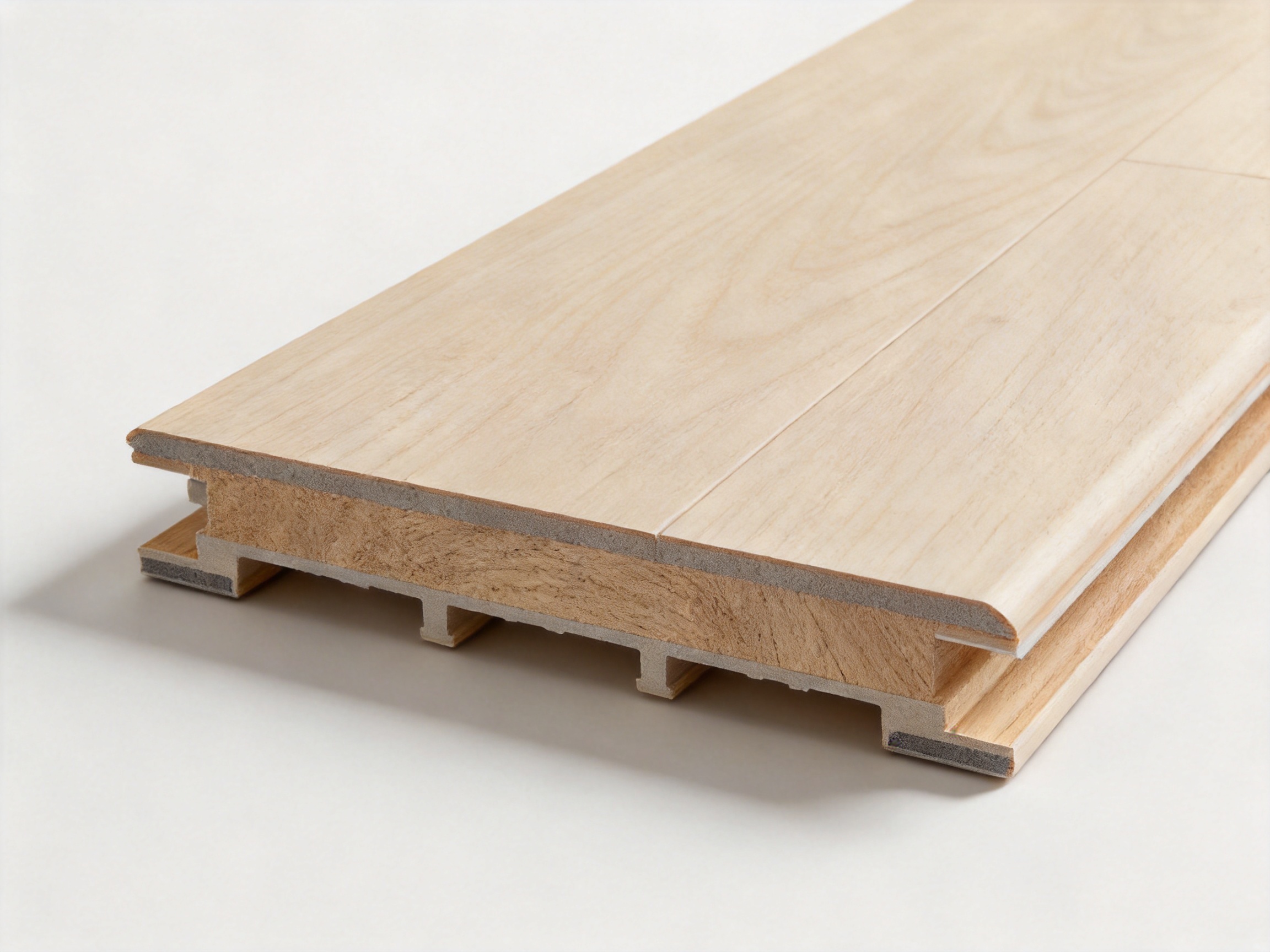
This product is built around a natural wood veneer surface and a cross-laminated 3-layer engineered structure. The oak face layer provides the authentic grain, texture, and tactile warmth that homeowners and designers expect from real wood. Beneath the surface, a fir or pine core improves structural stability and helps the plank resist warping, cracking, and seasonal movement. The result is a floor that offers the elegance of hardwood while addressing common performance concerns associated with solid wood flooring.
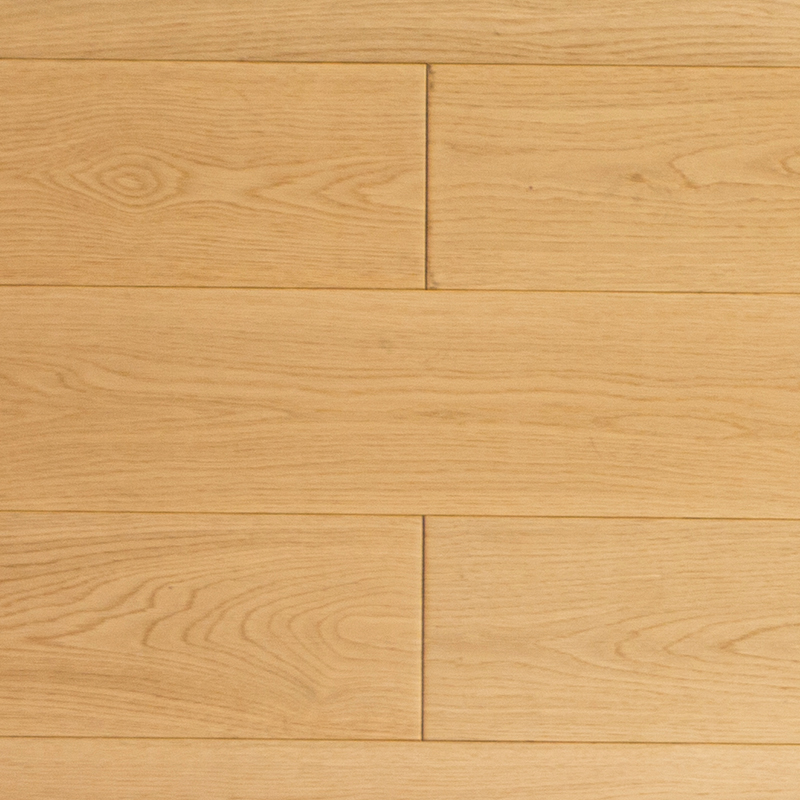
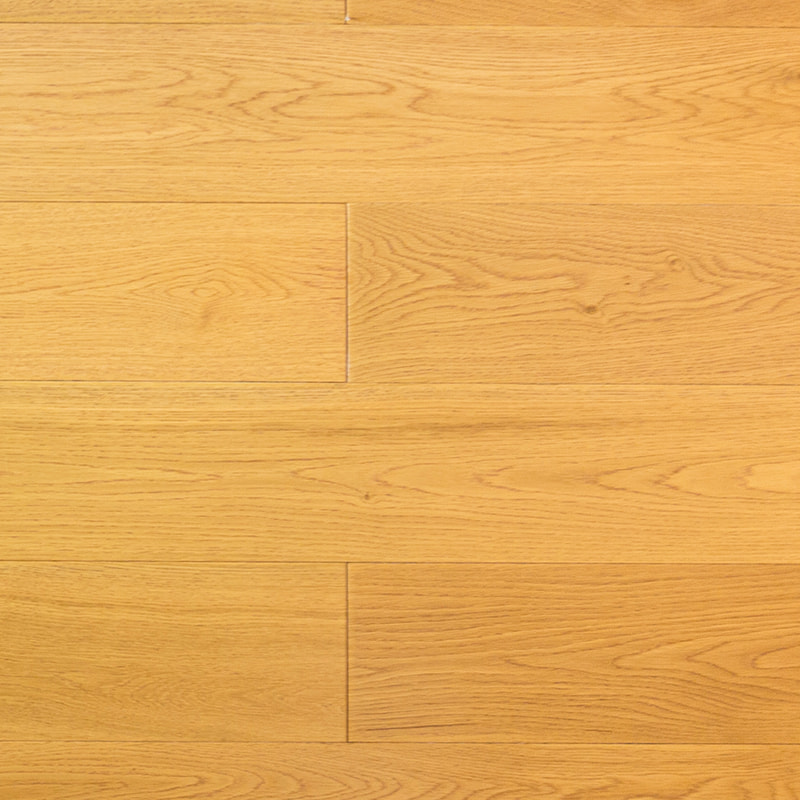
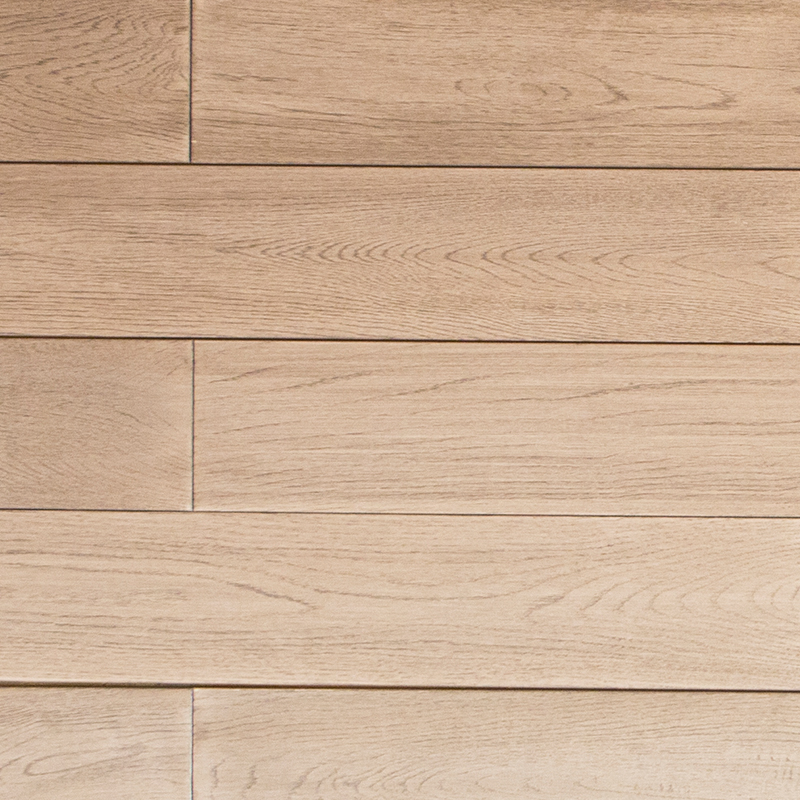
The light apricot tone gives the floor a soft, refreshing appearance. It is neither too pale nor too dark, allowing it to blend with many interior palettes. In bright rooms, it enhances openness and creates a calm atmosphere. In compact spaces, it helps reflect light and visually expands the room. In minimalist interiors, it provides natural warmth without overwhelming the design. In family homes, its balanced tone helps hide minor dust and daily wear better than very dark flooring.
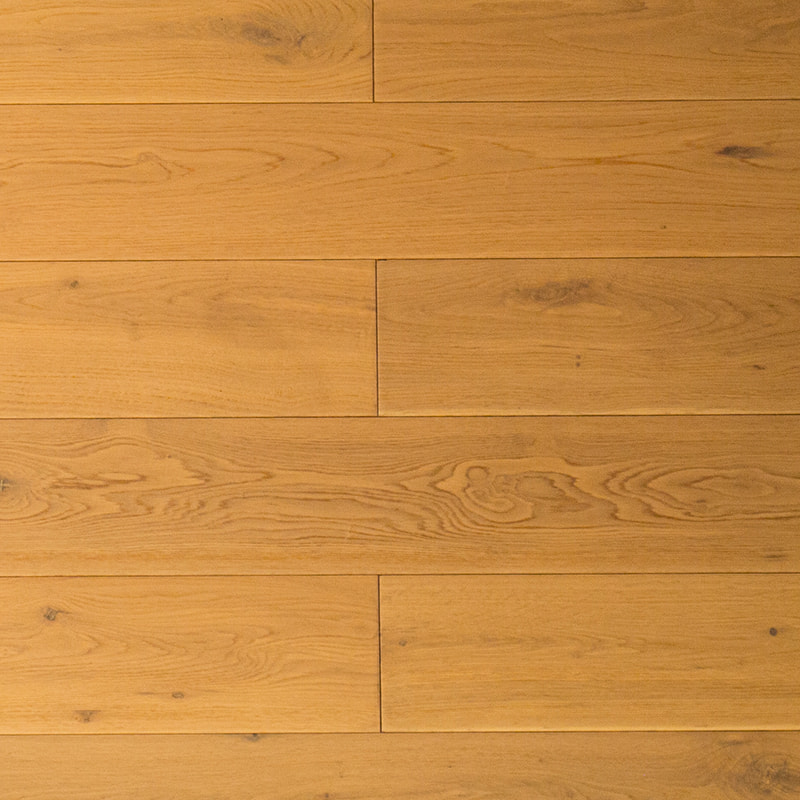
The wire-brushed texture is another important advantage. By gently removing the softer wood fibers from the surface, the process emphasizes the oak grain and gives the floor depth. This textured finish not only improves the natural appearance of the plank but also helps reduce the visibility of small scratches and everyday marks. Compared with a completely smooth floor, a wire-brushed surface provides a more practical and forgiving finish for active homes and light commercial spaces.
The click installation system further increases the product’s convenience. It supports efficient installation and helps create a secure plank-to-plank connection. For contractors, project managers, distributors, and flooring installers, faster installation can reduce labor time and improve jobsite efficiency. For homeowners, the click system provides a stable floor with a clean, professional appearance.
3-Layer Oka Light Apricot Wire-brushed Click Engineered Wood Flooring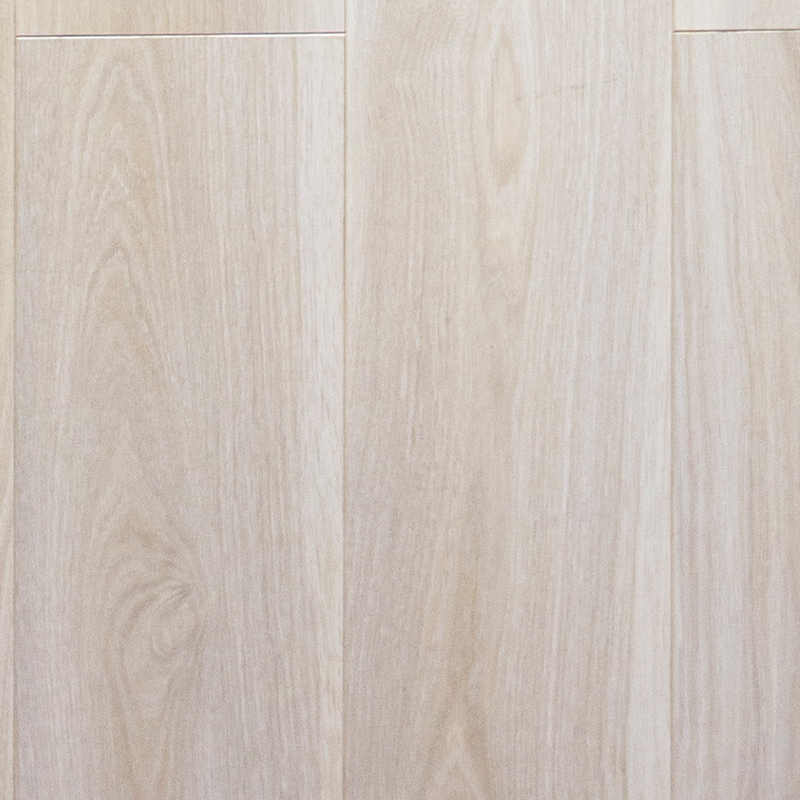
The 3-layer oak light apricot wire-brushed click engineered wood flooring is designed for users who want the authentic beauty of real wood combined with modern engineering. Its construction includes a natural wood veneer surface, a cross-laminated 3-layer core, a protective UV coating system, micro-beveled edges, and a click locking profile. These features work together to create a floor that is attractive, stable, durable, and installation-friendly.
The product belongs to the 3-layer engineered flooring category. It is especially suitable for buyers who prefer a premium real wood surface but need more structural reliability than traditional solid wood flooring can provide. The engineered construction reduces the risk of movement caused by temperature and humidity changes, making it a strong option for many climates and building conditions.
The face veneer can be customized according to project requirements. Oak is the featured material for this design, but options such as walnut, ash, and teak can also be produced. Veneer thickness can also be customized, with common options including 2 mm, 3 mm, 4 mm, and 6 mm. This flexibility helps support different market levels, from cost-effective residential projects to premium architectural specifications.
The floor uses a 3-layer engineered wood core made with spruce, fir, or pine. These materials provide a balanced structural base while helping maintain a lighter plank weight compared with some heavier hardwood constructions. The cross-laminated design improves dimensional stability and reduces the natural tendency of wood to expand and contract across the grain.
The surface can be finished with UV lacquer, UV oil, or hardwax oil, depending on the desired appearance, maintenance style, and wear performance. A 7-layer UV coating system is available for improved wear and scratch resistance. This makes the floor practical for daily living and suitable for environments where both visual appeal and long-term surface protection matter.
| Product Type | 3-Layer Engineered Wood Flooring |
| Featured Wood Species | Oak |
| Color Tone | Light Apricot |
| Surface Texture | Wire-Brushed, with Custom Options Available |
| Core Construction | 3-Layer Engineered Wood |
| Core Material | Spruce, Fir, or Pine |
| Face Veneer Options | Oak, Walnut, Ash, Teak |
| Veneer Thickness Options | 2 mm, 3 mm, 4 mm, 6 mm |
| Finish Options | UV Lacquer, UV Oil, Hardwax Oil |
| Profile | Micro-Bevel on Four Sides |
| Locking System | Click System |
| Installation Methods | Floating, Glue-Down, Staple |
| Typical Carton Coverage | 2.03 Square Meters or 21.85 Square Feet |
| Certifications | CE, FSC, CARB P2, ISO 9001 Support Available |
Color is one of the most important factors in flooring selection. The light apricot shade of this engineered oak floor offers a warm yet understated tone. It is softer than golden oak, warmer than pale gray, and more relaxed than deep brown. This balance makes it suitable for interior designers who want a natural floor that supports the overall room concept rather than dominating it.
In Scandinavian-style homes, light flooring is often used to create clarity, calm, and a sense of spaciousness. This product fits that design language well. Its subtle apricot warmth prevents the room from feeling cold, while its light tone supports a bright and open atmosphere. When paired with white walls, linen fabrics, light wood furniture, stone textures, or matte black accents, the floor creates a clean and comfortable interior foundation.
The color also works well in children’s rooms, living rooms, bedrooms, study areas, and open-plan apartments. In family environments, the floor provides a friendly and welcoming mood. It can coordinate with soft beige, cream, ivory, sage green, warm gray, pale blue, or natural rattan elements. For commercial spaces, the tone communicates approachability and calmness, making it suitable for boutique cafés, wellness studios, small offices, design showrooms, and relaxed hospitality interiors.
Compared with dark engineered flooring, light apricot oak is less likely to make a room feel heavy. It also tends to show fine dust less obviously than very dark surfaces. Compared with very whitewashed floors, it offers more natural warmth and a stronger wood identity. This gives it broad market appeal across residential and light commercial projects.
Oak is one of the most widely recognized and trusted wood species for flooring. Its popularity comes from a combination of strength, attractive grain, excellent finishing ability, and long-term design relevance. Oak has a naturally appealing grain pattern that can be calm or expressive depending on veneer grade, cut, and surface treatment. In this product, the wire-brushed texture highlights the grain and gives the floor a more tactile and natural appearance.
Oak also accepts stains, oils, and lacquers very well. This makes it ideal for creating refined tones such as light apricot. The surface can be finished to enhance the natural character of the wood while maintaining a clean and modern look. Because oak has been used in interiors for centuries, it does not easily go out of style. Buyers who choose oak flooring are investing in a material with enduring design value.
From a performance perspective, oak provides good hardness and wear resistance for residential and light commercial use. While all wood floors require proper care, oak is generally more durable than many softer wood species. When combined with engineered construction and a protective UV coating system, the result is a floor that balances beauty and practicality.
Oak’s natural grain variation also gives every plank a unique appearance. This individuality is one of the key reasons many buyers prefer real wood veneer over printed laminate or vinyl surfaces. Synthetic products can imitate wood visually, but they cannot fully reproduce the depth, touch, and organic variation of natural oak.
Traditional solid wood flooring is valued for its authenticity, but it can be sensitive to changes in moisture and temperature. Wood naturally expands and contracts, especially across the grain. In environments with seasonal humidity changes, this movement can lead to gaps, cupping, crowning, or other forms of distortion if the floor is not properly manufactured, installed, or maintained.
The 3-layer engineered structure is designed to reduce these risks. In this type of construction, the layers are arranged in a cross-laminated format. The grain direction of the core layer is typically positioned to counterbalance the movement of the surface veneer. This layered arrangement improves dimensional stability and helps the plank remain flatter over time.
The core material, using spruce, fir, or pine, supports a stable and efficient construction. These softwood core materials provide strength while helping control weight and production consistency. For contractors and installers, a stable board is easier to handle and less likely to create installation complications. For end users, improved stability means fewer concerns about deformation, cracking, or warping.
Compared with low-quality engineered flooring that uses unstable core materials or inconsistent bonding, a properly manufactured 3-layer product offers better long-term performance. The quality of adhesive application, pressing, moisture control, milling, and coating all affects the final floor. Advanced production management is therefore essential, not optional.
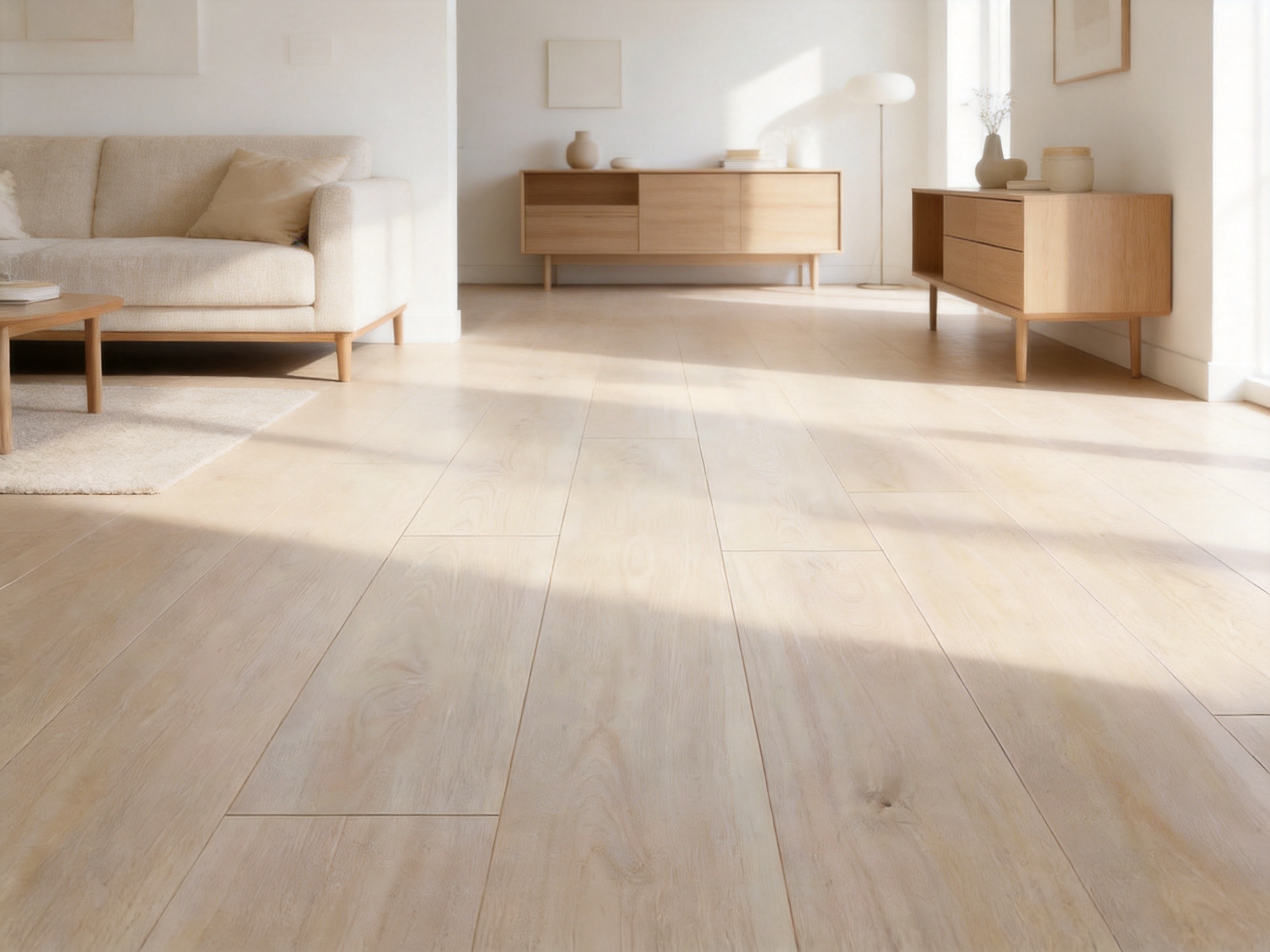
The wire-brushed surface is a major feature of this flooring. During the brushing process, the softer fibers of the oak surface are removed, while the harder grain remains more pronounced. This creates a textured surface that feels natural underfoot and visually emphasizes the structure of the wood.
This texture provides several benefits. First, it gives the floor depth and character. A flat, smooth surface can look elegant, but it may appear less natural in some interiors. Wire-brushing makes the plank look more authentic and visually rich. Second, the texture helps disguise small scratches, dents, and signs of daily use. In a busy household, where chairs move, children play, and pets walk across the floor, this is a practical advantage.
Third, wire-brushing can improve the perceived quality of the floor. The surface feels crafted rather than generic. In comparison with mass-produced smooth flooring, a brushed oak surface gives a more premium impression. It communicates natural material value and careful finishing.
The wire-brushed surface is also suitable for commercial spaces that want a natural atmosphere without excessive maintenance concerns. In cafés, boutiques, and offices, flooring must remain attractive even with regular foot traffic. A textured oak surface can age gracefully and maintain a welcoming look when properly cleaned and maintained.
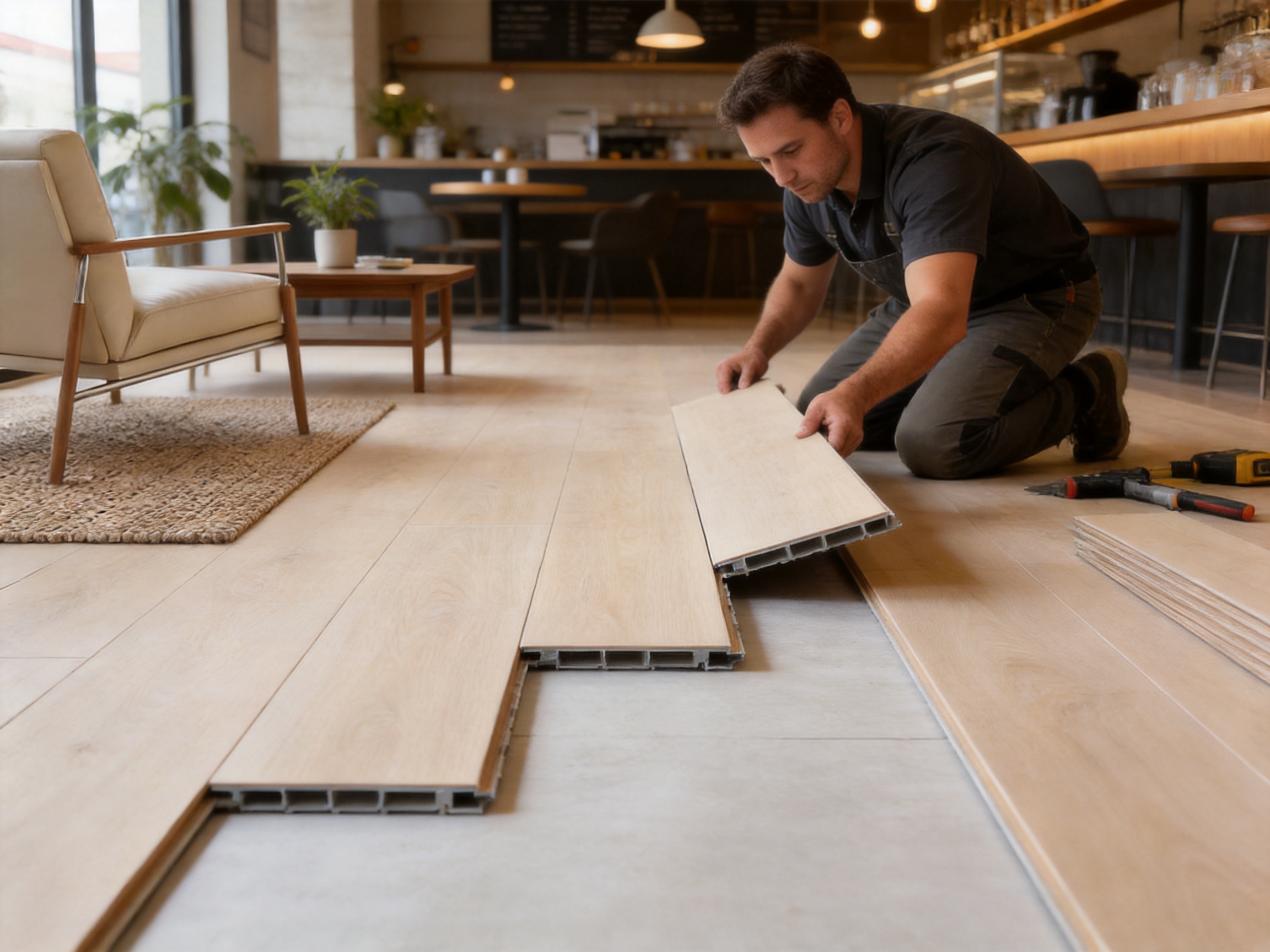
The click locking system is designed to make installation faster and more reliable. Instead of relying only on traditional tongue-and-groove fitting, the click system creates a mechanical connection between planks. This supports tight seams, secure alignment, and efficient installation.
For floating installations, the click system is especially useful. It allows the floor to be installed over suitable underlayment without full-surface adhesive. This can reduce installation time, simplify replacement of damaged planks in some cases, and reduce mess on the jobsite. For renovation projects, floating installation can be a practical way to upgrade interiors quickly.
The product can also support glue-down or staple installation methods, depending on the subfloor, project specification, and regional installation practices. This flexibility is important for contractors and distributors serving different markets. Some projects require glue-down installation for acoustic performance or a more solid underfoot feel, while others prefer floating installation for speed and convenience.
Compared with flooring that requires more complex installation systems, click engineered flooring can reduce labor dependency and installation risk. A consistent locking profile also supports better plank alignment and reduces the chance of visible gaps when installed correctly.
A floor’s surface finish plays a critical role in long-term appearance and maintenance. This engineered oak flooring can be finished with UV lacquer, UV oil, or hardwax oil, giving project buyers flexibility according to market preferences. UV lacquer provides a protective film on the surface and is often chosen for wear resistance and easier cleaning. UV oil offers a more natural look and feel while still providing protection. Hardwax oil delivers a matte, natural appearance and can be preferred in premium design-oriented interiors.
The available 7-layer UV coating system helps improve wear resistance and scratch resistance. Multiple coating layers create a more reliable protective surface than a basic finish. The coating process must be carefully controlled so that each layer bonds properly, cures evenly, and maintains the desired appearance. Too much coating can make wood look artificial, while too little coating may reduce durability. A balanced finishing system protects the floor while preserving the beauty of natural oak.
For residential use, a good finish protects against daily abrasion from shoes, furniture movement, cleaning, and general activity. For light commercial use, surface protection becomes even more important because of higher foot traffic. The combination of oak, wire-brushing, and UV coating creates a practical surface for both comfort and performance.
The flooring includes micro-bevels on all four sides. A micro-bevel is a small angled edge that defines each plank. This feature improves the visual depth of the installed floor and helps accommodate minor subfloor or plank variation more gracefully than a square-edge floor.
Micro-beveled edges are especially suitable for real wood engineered flooring because they highlight the individual plank format. They create subtle shadow lines that enhance the natural rhythm of the floor. In a light apricot oak finish, the bevels add definition without creating a heavy or rustic look.
Compared with larger bevels, micro-bevels are more refined and modern. They are easier to integrate into contemporary interiors while still providing the practical benefits of edge definition. This makes the floor suitable for modern apartments, family homes, offices, and design-led commercial spaces.
This product competes with several flooring categories, including solid hardwood, laminate flooring, luxury vinyl tile, low-cost engineered flooring, and ceramic wood-look tile. Each category has its own strengths, but 3-layer oak engineered flooring offers a balanced combination of authenticity, stability, comfort, and design quality.
Compared with solid hardwood, this engineered floor provides improved dimensional stability. Solid wood can be more sensitive to humidity changes, while the 3-layer structure helps reduce movement. The engineered format also uses valuable hardwood more efficiently by applying a real oak veneer over a stable core. This supports resource efficiency while still delivering a genuine wood surface.
Compared with laminate flooring, this product offers a real wood veneer rather than a printed decorative layer. Laminate can be cost-effective, but it does not provide the same natural depth, repair potential, or premium feel as real wood. Buyers who want authentic oak grain and tactile warmth will usually prefer engineered wood over laminate.
Compared with luxury vinyl tile, engineered oak provides a more natural material experience. Vinyl products can offer water resistance and design variety, but they are synthetic. Many residential buyers, architects, and premium project owners prefer real wood because of its environmental, sensory, and long-term design value. Natural oak creates warmth and atmosphere that plastic-based surfaces cannot fully match.
Compared with ceramic wood-look tile, engineered wood feels warmer and more comfortable underfoot. Ceramic tile can be durable and water resistant, but it may feel cold, hard, and less acoustically comfortable. In living rooms, bedrooms, children’s rooms, and offices, engineered wood often provides a more inviting experience.
Compared with low-quality engineered flooring, this product stands out through better material options, customizable veneer thickness, a stable 3-layer structure, a refined wire-brushed surface, multiple finishing choices, click installation, and certification support. Consistency in production, moisture control, pressing, milling, and coating separates reliable engineered wood flooring from lower-grade alternatives.
The quality of engineered wood flooring depends heavily on manufacturing capability. Suzhou Dicosbo Wood Co., Ltd. brings more than 20 years of wood product expertise to flooring, wooden doors, and custom cabinet solutions. Founded in 1999, the company has developed into a global wood solutions manufacturer serving distributors, contractors, architects, and project clients across international markets.
The company operates approximately 20,000 square meters of production facilities and has more than 10 years of export experience. This export background is important because global flooring markets require consistent specifications, reliable packaging, documentation support, and compliance with different regulatory expectations. Serving more than 100 global partners across Europe, North America, and Southeast Asia has strengthened the company’s ability to understand diverse design trends, installation habits, and quality expectations.
Advanced manufacturing lines, including German imported production equipment and automated quality control systems, support stable production. For engineered flooring, precision is critical. Veneer calibration, core preparation, adhesive spreading, hot or cold pressing, balancing, profiling, sanding, brushing, coating, curing, and packaging must all be managed carefully. Even small inconsistencies can affect locking strength, surface appearance, flatness, or installation performance.
The company’s annual production capacity reaches approximately 2,400,000 square meters of flooring, supporting stable supply for distributors and project buyers. Large capacity matters because commercial and residential developments often require consistent batch production, matching color control, and reliable delivery schedules. A manufacturer with scalable production can better support repeat orders, project phases, and private label programs.
OEM and ODM customization are also important strengths. Buyers can request customized sizes, colors, veneer species, surface textures, grades, finishes, and packaging. This flexibility allows distributors to build market-specific product lines and enables architects to achieve project-specific design goals. The company also supports rapid prototyping within 72 hours, helping clients evaluate samples quickly and shorten product development cycles.
Producing high-quality engineered flooring requires controlled processes from raw material selection to final inspection. The first step is selecting suitable wood veneer. Oak veneer must be checked for grain, color, thickness, defects, moisture content, and grade consistency. Depending on the target product, veneer grades such as AB, ABC, ABCD, or CD may be used. Higher grades provide cleaner visuals, while more natural grades show knots and character markings.
The core materials, such as spruce, fir, or pine, must also be properly dried and processed. Moisture content control is essential. If the core is too wet, the finished board may deform after production. If it is too dry, it may absorb moisture later and cause movement. Balanced moisture management helps create a more stable plank.
After material preparation, the layers are bonded under controlled pressure. Adhesive quality and application consistency are crucial. Uneven glue spread can create weak bonding, delamination, or internal stress. Proper pressing ensures the layers become a stable composite structure. Once pressed, the boards must be conditioned so internal moisture and stress are balanced.
The next stages include sanding and calibration. Precision sanding creates a uniform surface and prepares the veneer for brushing and finishing. The wire-brushing process must be controlled carefully to achieve the desired texture without damaging the veneer. Because veneer thickness may vary according to customer specification, operators must adjust process parameters to protect the face layer.
Profiling is another key stage. The click locking system must be milled accurately so planks fit securely. If the profile is too loose, seams may open. If too tight, installation becomes difficult or plank edges may be damaged. Micro-bevels must also be cut cleanly to maintain a refined appearance.
Finishing follows the surface preparation stage. UV coatings are applied in multiple layers and cured under controlled conditions. Each coating layer contributes to surface protection, appearance, and durability. The finish must be even, properly cured, and consistent in sheen and color. Color control is especially important for light apricot flooring because subtle tone differences can be visible in large installations.
Final inspection includes checking surface defects, color consistency, dimensions, locking profile, moisture content, finish quality, carton labeling, and packaging. The company uses a strict 3-step quality inspection process to reduce defects and improve shipment reliability. This quality discipline is one of the major advantages for distributors and project buyers who need dependable supply.
Global flooring buyers increasingly require documentation and certification. This product supports important standards such as CE and FSC, and the manufacturer’s broader compliance system includes CARB P2 and ISO 9001 support. These standards help demonstrate attention to safety, environmental responsibility, and manufacturing management.
FSC certification is important for buyers who prioritize responsible forest sourcing. It supports the use of wood from responsibly managed forests and controlled sources. For architects, contractors, and retailers, FSC support can be a key requirement in public projects, commercial interiors, and environmentally conscious markets.
CE compliance is relevant for products entering European markets. It supports product conformity with applicable safety, performance, and regulatory expectations. CARB P2 is especially important for formaldehyde emission control in composite wood products, supporting healthier indoor environments. ISO 9001 reflects a structured quality management system, helping buyers trust that production is managed through consistent processes.
In competitive markets, certification support provides an advantage over suppliers that cannot provide reliable documentation. Buyers are not only purchasing flooring; they are also purchasing assurance, traceability, and reduced project risk.
This light apricot wire-brushed oak engineered flooring is especially well suited for residential interiors. In living rooms, it creates a warm and relaxed foundation for family life. Its natural oak texture pairs well with fabric sofas, wood furniture, metal lighting, and neutral wall colors. The light tone helps make the living area feel larger and brighter.
In bedrooms, the floor contributes to a calm and comfortable atmosphere. Unlike tile, which can feel cold, wood offers natural warmth underfoot. The soft apricot tone works well with bedding in white, beige, gray, blue, or muted green. It also supports both minimalist and cozy design styles.
In children’s rooms, the flooring offers a gentle visual tone and a practical textured surface. The wire-brushed finish helps reduce the visibility of small marks, while the engineered structure improves stability. Parents should still use protective pads under furniture and clean spills quickly, but the floor is designed for real daily use.
In dining rooms and open-plan kitchens, the floor can unify the space and create a continuous visual flow. While wood flooring should not be exposed to standing water, proper maintenance and sensible use can make it suitable for many open living environments. Area rugs, entry mats, and prompt cleaning help preserve the surface.
Beyond residential settings, this engineered flooring is suitable for light commercial spaces where natural appearance and durability are both important. Boutique cafés can use the light apricot oak tone to create a welcoming atmosphere. The floor complements natural stone counters, white walls, plants, warm lighting, and minimalist furniture.
Offices can benefit from the clean and professional appearance of light oak. It creates a less formal and more human-centered atmosphere than some synthetic flooring choices. In design studios, consultation rooms, reception areas, and meeting spaces, the floor communicates quality and warmth.
Retail boutiques can use the flooring to support a premium customer experience. Natural wood helps create a refined setting for clothing, lifestyle products, cosmetics, furniture, and artisan goods. Because the wire-brushed texture is forgiving, it can maintain visual appeal with proper maintenance even under moderate foot traffic.
For hospitality projects, such as serviced apartments, boutique hotels, and guest rooms, engineered wood flooring can create a comfortable and upscale environment. The click system and multiple installation options can also support efficient project execution.
One of the strongest advantages of this product is customization. Flooring markets vary significantly by region. Some markets prefer wider planks, while others prefer standard widths. Some buyers prefer matte oil finishes, while others require UV lacquer for easier cleaning. Some projects need clean AB-grade oak, while others want more natural character grades.
The manufacturer can customize face veneer species, veneer thickness, grade, surface texture, color, finish, plank size, and packaging. Oak, walnut, ash, and teak options support a broad product range. Veneer thickness choices from 2 mm to 6 mm allow buyers to position products at different market levels. A thicker veneer may support longer service life and premium positioning, while a thinner veneer can improve cost efficiency.
Surface texture options include wire-brushed, hand-scraped, and smooth sanded. Wire-brushed is ideal for natural texture and everyday practicality. Hand-scraped can suit rustic or heritage-style interiors. Smooth sanded surfaces work well for modern luxury spaces seeking a cleaner look.
Finish options, including UV lacquer, UV oil, and hardwax oil, support different aesthetic and maintenance preferences. UV lacquer is often selected for durability and easy cleaning. UV oil and hardwax oil may be preferred when a more natural touch and matte appearance are desired.
For distributors, this customization helps build exclusive product collections and private label lines. For architects, it helps match flooring to a specific interior concept. For contractors, it improves the chance of meeting technical and budget requirements without sacrificing design quality.
Product quality does not end at the factory line. Packaging and logistics are essential for protecting engineered wood flooring during transportation and storage. A typical carton contains 10 pieces, covering approximately 2.03 square meters or 21.85 square feet, with a carton weight of about 24 kilograms. Consistent carton specifications help distributors manage warehousing, inventory, and project calculations.
International shipping requires careful moisture protection, carton strength, labeling accuracy, and pallet stability. Because engineered wood is a natural material, it should be protected from excessive moisture, impact, and unstable storage conditions. A manufacturer with export experience is better equipped to prepare shipments for long-distance transportation.
Supply reliability is a significant advantage for commercial buyers. Delayed flooring shipments can disrupt construction schedules, delay handover, and increase costs. With strong production capacity and export experience, the manufacturer is positioned to support large orders, repeat business, and project-based delivery planning.
Proper care helps preserve the appearance and performance of engineered wood flooring. Regular cleaning should be performed with a dry or slightly damp cloth, microfiber mop, or suitable wood floor cleaning tool. Dust and grit should be removed frequently because abrasive particles can scratch the surface over time.
Standing water should be avoided. Although the flooring has a protective finish, wood remains a natural material. Prolonged exposure to moisture may affect the surface, edges, or core. Spills should be wiped promptly. In entry areas, mats can reduce tracked-in dirt and moisture. In dining areas, rugs or pads may help protect high-use zones.
Furniture legs should be fitted with protective pads to prevent dents and scratches. Heavy objects should not be dragged across the floor. When moving furniture, it should be lifted or moved with appropriate protection. Chair pads may be useful in office spaces where rolling chairs are used.
Indoor humidity should be managed within a reasonable range. Extremely dry conditions can cause wood to shrink, while excessive humidity can cause expansion. Engineered construction improves stability, but it does not eliminate wood’s natural response to the environment. Maintaining a stable indoor climate supports long-term performance.
Periodic inspection is recommended. If areas show signs of wear, maintenance should be performed according to the selected finish type. UV lacquer, UV oil, and hardwax oil may require different maintenance products and methods. Following professional care guidance helps maximize the floor’s service life.
Engineered wood flooring can support more efficient use of hardwood resources than solid hardwood flooring. Because the premium oak layer is used as a veneer over a stable core, each log can produce more flooring surface area compared with full-thickness solid oak planks. This makes engineered construction an intelligent approach for balancing natural beauty and resource efficiency.
Responsible sourcing is also important. FSC support helps demonstrate attention to forest management and material traceability. For buyers serving environmentally conscious markets, this can be a significant selling point. Sustainable flooring is not only about the raw material; it also involves production efficiency, quality durability, packaging management, and long service life.
A durable floor that performs well for many years reduces replacement frequency. Frequent replacement creates additional material consumption, labor, waste, and transportation impact. Therefore, manufacturing a stable, attractive, and maintainable product is part of a responsible sustainability approach.
The market value of this flooring comes from the combination of design appeal, technical structure, customization, and manufacturing reliability. Many products offer one or two of these strengths, but the best flooring solutions combine all of them.
Its design appeal is clear: light apricot oak is warm, versatile, and modern. Its surface appeal is enhanced by wire-brushing, which brings out the natural grain while improving everyday practicality. Its structure is stable because of the 3-layer engineered construction. Its installation is efficient because of the click system. Its finish options support different market needs. Its certifications and quality control support international expectations.
For distributors, this flooring can be positioned as a premium yet practical engineered wood product. It can serve homeowners seeking real wood beauty, contractors needing reliable installation performance, and designers requiring a soft contemporary tone. For project buyers, the product offers specification flexibility and supply confidence.
For end users, the value is experienced every day. The floor feels warm, looks natural, supports a relaxed interior atmosphere, and is easier to live with than many more delicate surfaces. With proper care, it can remain attractive and functional for years.
This flooring combines a natural oak veneer, a stable 3-layer engineered structure, a wire-brushed surface, a light apricot color tone, a protective UV finishing system, and a click installation profile. The combination of design, stability, and installation convenience gives it stronger overall value than many basic engineered flooring products.
Yes. The floor uses a natural wood veneer surface. Oak is the featured species for this product, and other veneer options such as walnut, ash, and teak can be customized according to project needs.
Oak is durable, attractive, and widely accepted in global flooring markets. It has a distinctive grain pattern, accepts finishes well, and offers long-term design relevance. Its balance of hardness and beauty makes it suitable for both residential and light commercial interiors.
Wire-brushing enhances the natural grain of oak and creates a textured surface with visual depth. It also helps reduce the visibility of small scratches and daily wear compared with a completely smooth surface.
Yes. The light apricot tone is warm, soft, and versatile. It works especially well in Scandinavian, minimalist, contemporary, and natural-style interiors. It can make spaces feel brighter, calmer, and more open.
It is suitable for light commercial applications such as boutique cafés, small offices, design studios, retail boutiques, and hospitality rooms. For heavy commercial areas, project-specific performance requirements should be reviewed before selection.
The flooring supports floating, glue-down, and staple installation methods. The click system is especially convenient for floating installation, while glue-down or staple methods may be selected according to subfloor conditions and project requirements.
The cross-laminated 3-layer structure helps balance the natural movement of wood. This reduces the risk of warping, cracking, and deformation caused by temperature and humidity changes when compared with less stable constructions.
Available finish options include UV lacquer, UV oil, and hardwax oil. Each finish offers a different balance of appearance, touch, maintenance, and surface protection.
Yes. Custom sizes, colors, veneer species, veneer thicknesses, grades, textures, and finishes are available. Common veneer thickness options include 2 mm, 3 mm, 4 mm, and 6 mm.
The product supports CE and FSC certification, and the manufacturer’s broader compliance capability includes CARB P2 and ISO 9001 standards. These certifications help meet international market requirements and responsible sourcing expectations.
Regularly remove dust with a dry cloth, microfiber mop, or suitable wood floor cleaner. Avoid standing water, use protective pads under furniture, clean spills quickly, and maintain a stable indoor humidity level.
3-layer oak light apricot wire-brushed click engineered wood flooring is a strong choice for interiors that require natural beauty, modern stability, efficient installation, and long-term practicality. Its real oak veneer delivers the warmth and character of genuine wood, while the light apricot tone supports bright, calm, and versatile design schemes. The wire-brushed surface enhances texture and helps the floor perform gracefully in daily use.
The engineered 3-layer construction gives the product a clear advantage over many solid wood alternatives by improving dimensional stability and reducing the risk of deformation. The click system supports faster and more secure installation, while multiple finish, grade, texture, and veneer options provide flexibility for different markets and projects.
Behind the product is a manufacturer with more than 20 years of wood industry experience, large-scale production capacity, export expertise, advanced equipment, OEM and ODM customization, rapid prototyping, and strict quality inspection. These strengths are essential for distributors, contractors, architects, and project buyers who need both attractive products and reliable supply.
For residential spaces, the flooring creates a comfortable, stylish, and natural foundation. For light commercial interiors, it offers a premium appearance with practical surface performance. For global buyers, it provides customization, compliance support, and manufacturing reliability. In a competitive flooring market, this product stands out because it successfully combines authentic wood aesthetics, engineered stability, practical installation, and professional production strength.
Forest Stewardship Council. Responsible Forest Management and Chain of Custody Certification Guidelines.
European Committee for Standardization. Wood Flooring Performance and Conformity Assessment Standards.
International Organization for Standardization. ISO 9001 Quality Management Systems Requirements.
California Air Resources Board. Composite Wood Products Airborne Toxic Control Measure Guidance.
Wood Flooring Industry Technical Manual. Engineered Wood Flooring Construction, Installation, and Maintenance Principles.
Architectural Interior Materials Handbook. Natural Wood Surfaces, Finishes, and Sustainable Specification Practices.

We provide customers with sustainable and eco-friendly
engineered wood solutions and services.
Choose DEIF for the perfect blend of
performance and aesthetics.
