


 English
 Español
 عربى
عربى

Get Social
Choose DEIF for the perfect blend of
performance and aesthetics.
 Get Free Sample

Content
Engineered wood flooring has become one of the most important interior materials for residential, office, hospitality, and commercial projects because it combines natural wood aesthetics with improved dimensional stability. The 3-layer smooth surface arc-shaped lock engineered wood flooring described here is designed for buyers who require the beauty of real wood, the reliability of engineered construction, and the installation efficiency of a click locking system. With a natural wood veneer surface, a 3-layer cross-laminated fir or pine core, a 7-layer UV coating option, customizable dimensions, and internationally recognized compliance credentials, this flooring solution is positioned for modern interiors where appearance, performance, and project efficiency must work together.
3-Layer Smooth Surface Arc-Shaped Lock Engineered Wood Flooring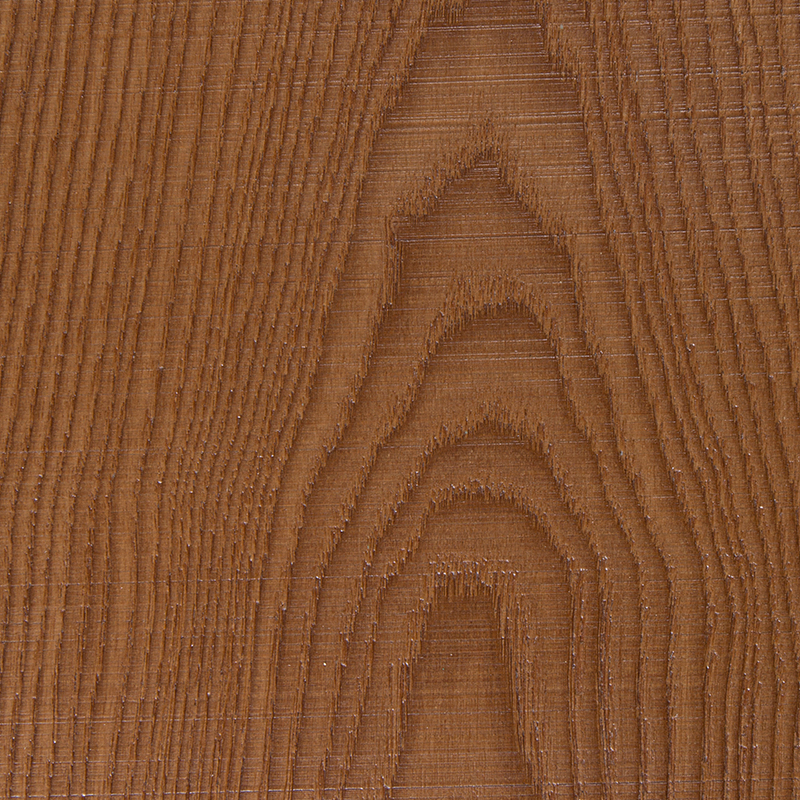
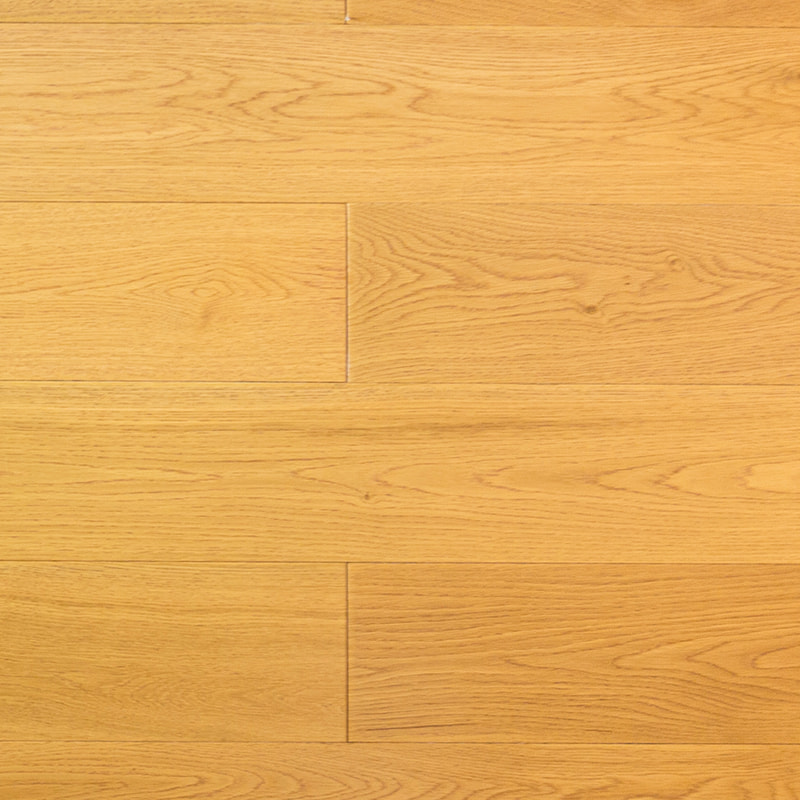
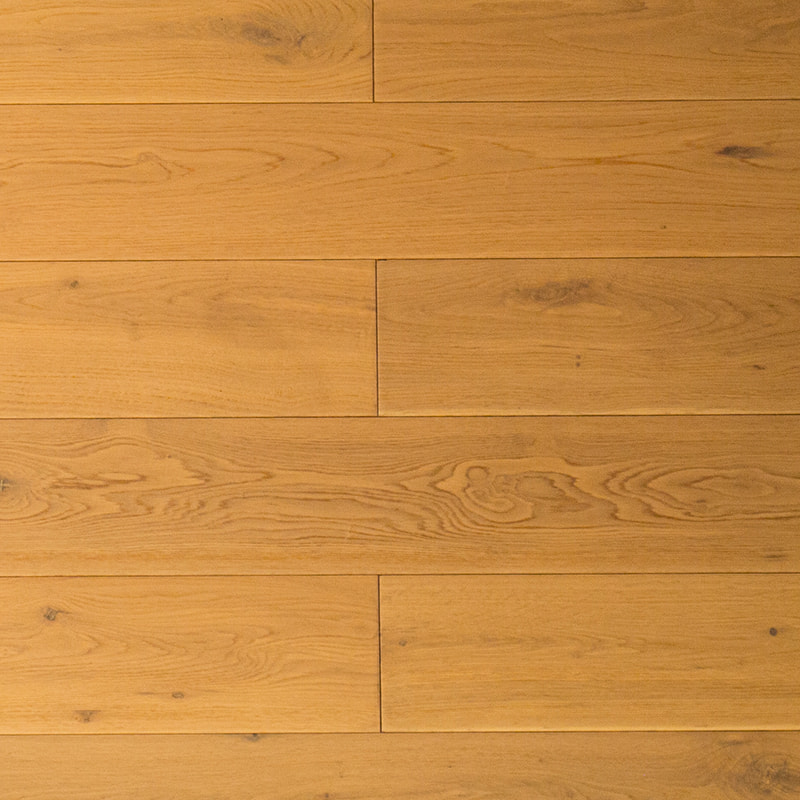
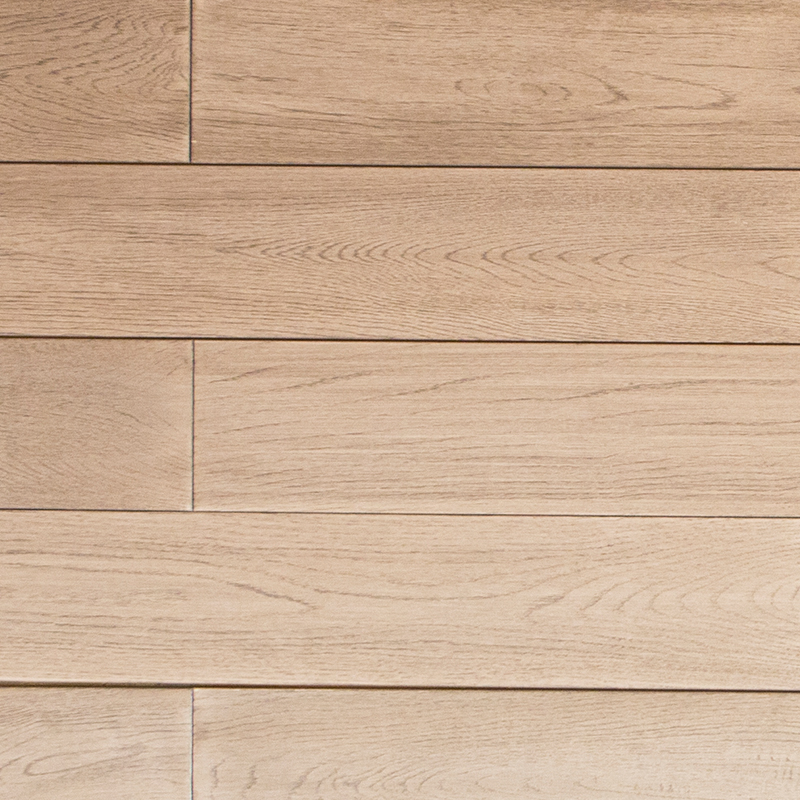
This product is especially suitable for modern minimalist homes, apartments, offices, showrooms, and commercial interiors that need a clean and refined visual effect. Its smooth surface highlights the natural wood grain without excessive texture, while the arc-shaped locking profile supports fast and secure installation. Compared with many conventional solid wood floors and low-grade engineered alternatives, this flooring offers stronger resistance to deformation and cracking, better adaptability to temperature and humidity changes, more flexible customization, and a more project-friendly installation system.
The product belongs to the 3-layer engineered flooring category. Its general structure includes a natural wood veneer top layer, a 3-layer engineered wood core made with spruce, pine, fir, or similar stable softwood materials, and a backing structure designed to balance internal stress. The available face veneer options include oak, walnut, ash, and teak, while veneer thickness can be customized in 2 mm, 3 mm, 4 mm, or 6 mm configurations. Surface finish options include UV lacquer, UV oil, and hardwax oil, enabling the flooring to match different design styles and performance needs.
For global flooring buyers, distributors, contractors, and interior project teams, the value of this product is not limited to its appearance. Its competitive strength also comes from the manufacturing platform behind it. Suzhou Dicosbo Wood Co., Ltd. has built a comprehensive wood solutions capability covering wood flooring, wooden doors, and custom cabinets. With more than 20 years of wood product expertise, large-scale production facilities, German imported production lines, automated quality control systems, OEM and ODM customization, rapid prototyping, and strict quality inspection, the company can support both standard distribution orders and project-based requirements.
The core design concept of this flooring is modern simplicity. The smooth surface creates a calm and uncluttered look, while the natural veneer preserves the warmth and uniqueness of real wood. This combination is valuable because many modern interiors require materials that feel natural without looking visually heavy. In living rooms, bedrooms, offices, and boutique commercial spaces, the flooring can support a refined atmosphere without overpowering furniture, wall finishes, lighting, or architectural details.
Unlike highly distressed or heavily textured floors, the smooth sanded surface gives the floor a delicate and clean visual expression. It is particularly suitable for minimalist, Scandinavian, contemporary, urban, and high-end office design schemes. The natural wood grain remains visible, but the surface does not create excessive shadow or rustic irregularity. This makes the product useful for projects where designers want the authenticity of wood and the calmness of a smooth, elegant surface.
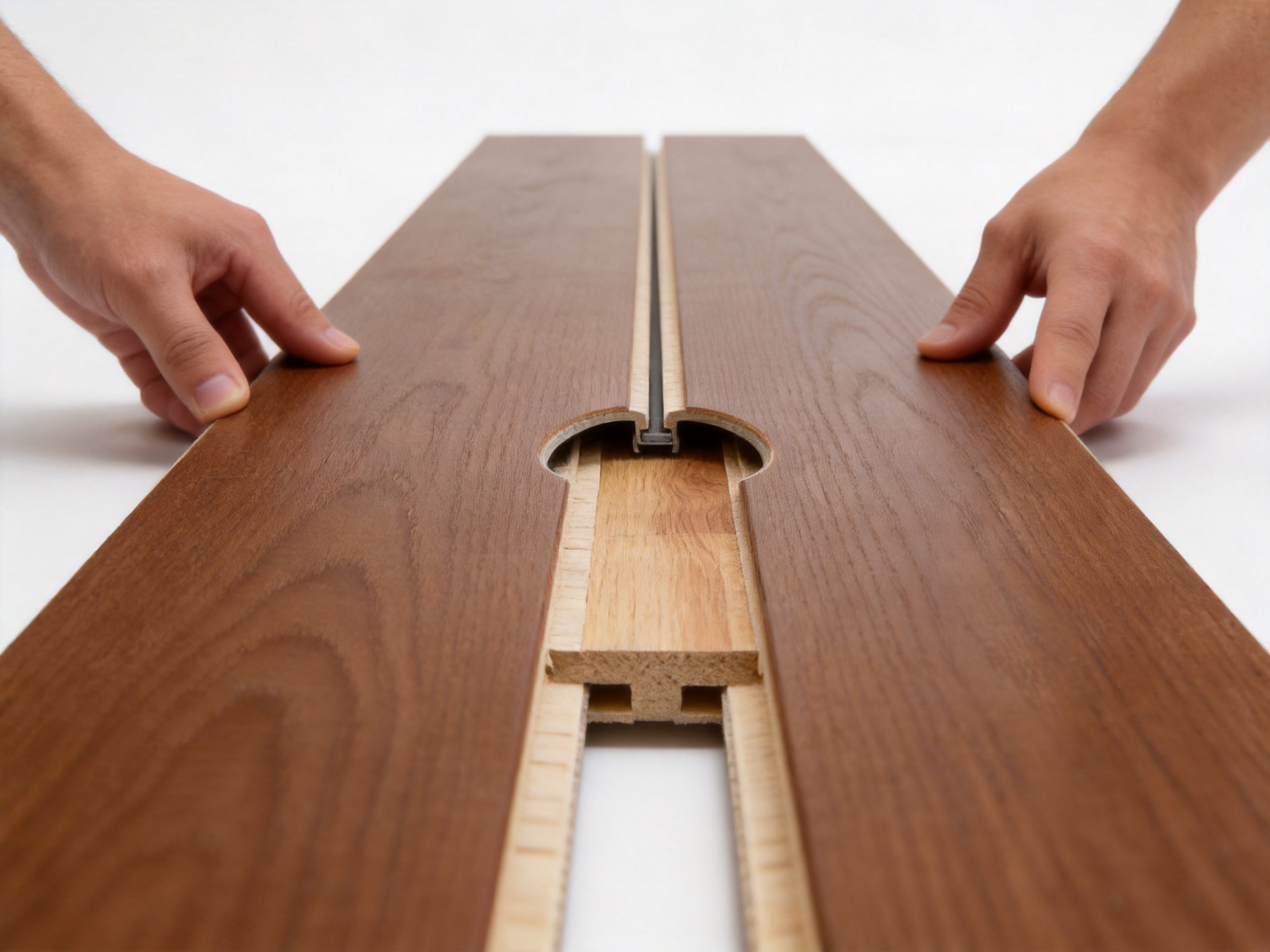
The arc-shaped locking system is another important design and technical feature. In many flooring projects, installation speed and joint stability directly influence labor cost, project schedule, and long-term user satisfaction. A well-designed click system helps installers create tighter joints with fewer gaps. The arc-shaped engagement improves alignment and makes the installation process smoother, especially in floating installations. This can be a significant advantage in apartments, offices, hospitality rooms, and commercial interiors where time on site must be controlled.
From a product positioning perspective, this flooring bridges the gap between traditional solid hardwood and cost-driven laminated or imitation wood surfaces. It uses a real wood veneer, so it provides the visual richness and tactile value associated with natural timber. At the same time, its engineered core gives it improved stability compared with many solid wood boards, especially in environments where humidity and temperature fluctuate. For buyers who want a premium natural appearance without the limitations of solid hardwood, this product offers a practical and attractive solution.
The 3-layer engineered construction is one of the main reasons this product performs well in daily use. Natural wood expands and contracts depending on moisture levels, temperature, and seasonal changes. Solid wood flooring can be beautiful, but it may cup, warp, gap, or crack if the environment changes significantly or if installation conditions are not ideal. The 3-layer cross-laminated structure helps reduce these risks by balancing movement across different layers.
In a typical 3-layer engineered floor, the top layer is the decorative and wear surface, the middle layer provides structural stability, and the bottom layer counterbalances stress. By arranging the wood fibers in different directions, the floor becomes less vulnerable to dimensional movement. The result is a more stable board that maintains flatness more effectively than many traditional solid wood alternatives.
This flooring uses a fir, pine, spruce, or similar softwood core depending on the production plan and specification. These materials are widely used in engineered wood flooring because they offer favorable strength-to-weight characteristics and good processing stability. The core is designed to support the top veneer while reducing internal tension. This improves resistance to deformation and cracking, which is especially important for long planks such as 74.8 inch by 7.7 inch boards.
The available imperial dimension of 74.8 inches by 7.7 inches by 5/8 inch gives the product a long and wide visual format. Long and wide boards are popular in modern interiors because they create a more open and continuous appearance. However, longer and wider boards also demand better structural stability. The engineered 3-layer construction helps make this format practical by improving board balance and reducing the movement issues that can affect wide solid planks.
Compared with low-cost flooring that uses unstable cores or inconsistent bonding, this product emphasizes material selection, laminated structural balance, and controlled production. These factors contribute to improved durability and better performance after installation. For contractors and project buyers, that means fewer complaints, fewer replacements, and more reliable long-term flooring performance.
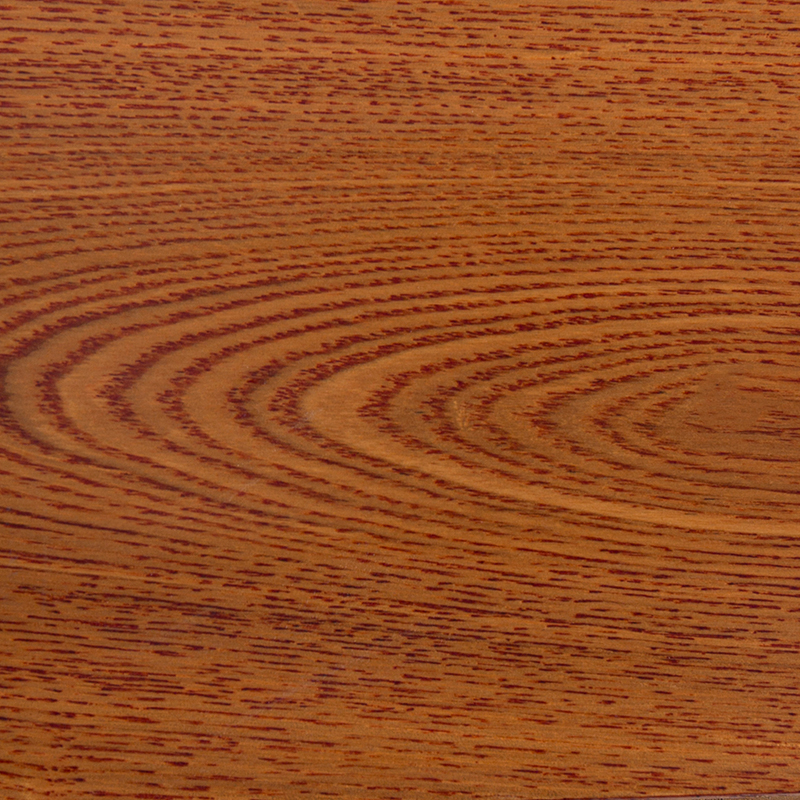
The natural wood veneer surface is central to the product’s value. It gives the floor the appearance of genuine hardwood, with unique grain, tone variation, and organic character. Buyers can choose from oak, walnut, ash, teak, or other customized veneer species depending on market preference and project design. This flexibility allows the same engineered platform to serve many different interior styles.
Oak veneer is a popular option for modern residential and commercial interiors because it provides a balanced grain, strong market acceptance, and excellent color adaptability. Walnut creates a richer and darker look suitable for luxury interiors, executive offices, and hospitality spaces. Ash offers a lighter and more energetic grain pattern, often used in Scandinavian or contemporary settings. Teak can provide a warm, premium tone for high-end projects, subject to design and sourcing requirements.
Veneer thickness options include 2 mm, 3 mm, 4 mm, and 6 mm. This is an important advantage over competitors that may offer only a single veneer thickness. A thinner veneer can be suitable for cost-sensitive projects where the floor is primarily used as a finished decorative surface. A thicker veneer can support a more premium specification and may offer better long-term renovation potential depending on the final finish, installation, and maintenance conditions. This flexibility helps distributors serve multiple price levels while contractors can match the flooring to project performance requirements.
The veneer grade is also customizable, including AB, ABC, ABCD, and CD selections. Grade selection influences the natural appearance of the floor. A higher grade may provide a cleaner look with fewer knots and less variation, while a more characterful grade can create a natural, rustic, or expressive appearance. By offering multiple veneer grades, the manufacturer allows buyers to position the product for premium showrooms, mainstream residential projects, cost-efficient developments, or design-focused commercial spaces.
Competitor products often force buyers to choose between limited species, fixed grades, and standard colors. In contrast, this flooring platform supports customized species, veneer thickness, grade, color, texture, and finish. This makes it easier for distributors to create market-specific collections and for architects to achieve a design intent without sacrificing structural performance.
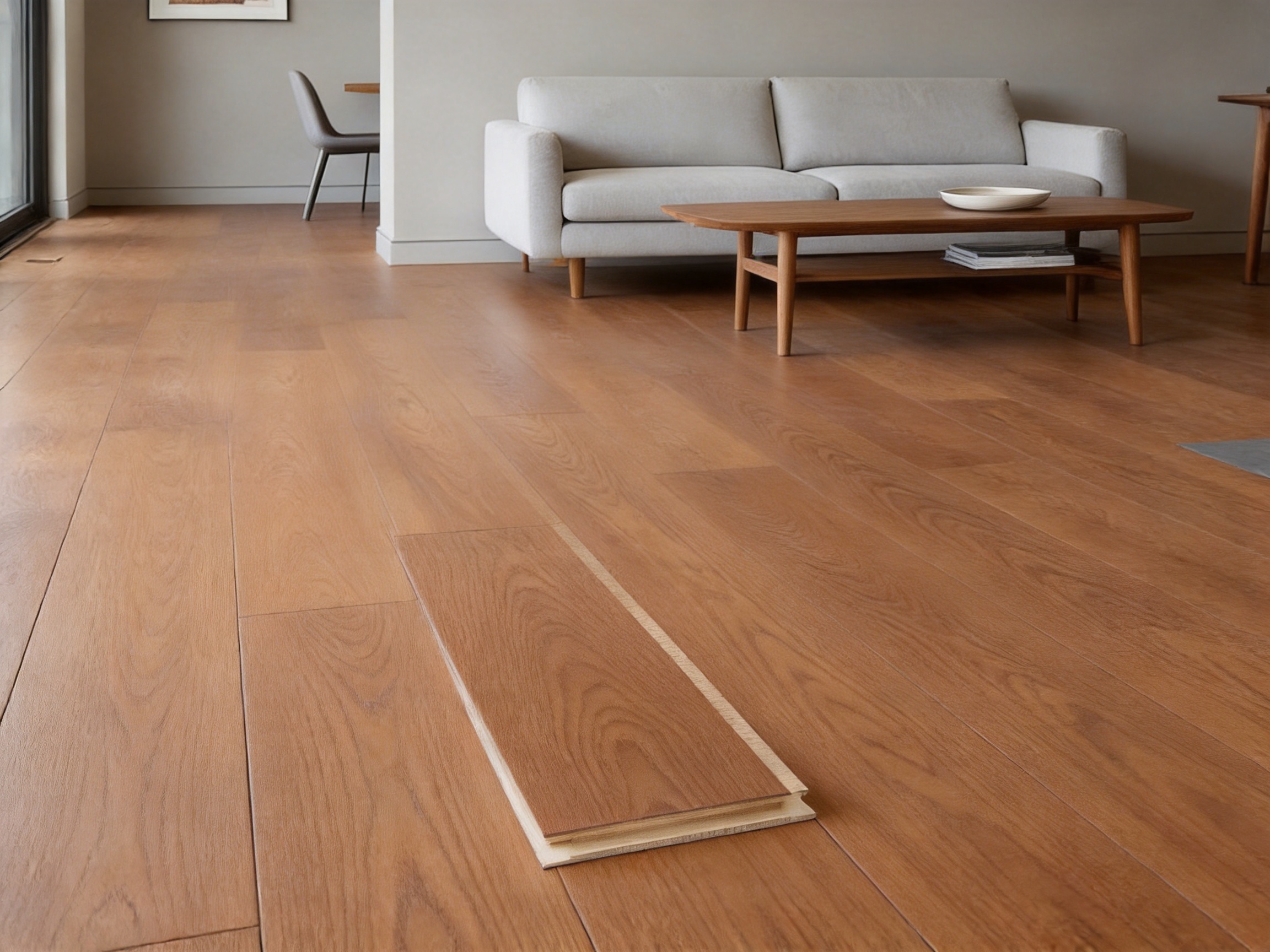
The product is described as a smooth surface engineered wood floor, and this is a significant part of its identity. Smooth sanded flooring has a refined tactile quality. It reflects light more evenly than deeply brushed surfaces and creates a contemporary feeling. For modern minimalist interiors, this effect can be very desirable because it contributes to a clean, calm, and sophisticated environment.
The smooth surface is produced through precise sanding and polishing. A consistent sanding process is essential because uneven sanding can cause finish absorption problems, visible defects, or an inconsistent sheen. Advanced production lines help control thickness, flatness, and surface quality before finishing. This improves the final appearance and contributes to stable installation.
Finish options include UV lacquer, UV oil, and hardwax oil. UV lacquer is widely used when buyers need efficient production, reliable surface protection, and good resistance to daily wear and scratches. A 7-layer UV coating system can improve durability by building a protective surface that resists abrasion and makes routine cleaning easier. UV oil can create a more natural look while still providing factory-applied protection. Hardwax oil is often selected when designers want a warm, matte, and natural-touch surface with a premium character.
Compared with unfinished flooring, factory-finished engineered wood flooring provides stronger consistency and more predictable performance. Factory coating lines can control application volume, curing, sanding between layers, and final gloss. This reduces on-site finishing uncertainty and helps contractors shorten installation time. For developers and commercial project teams, factory finishing also reduces odor, site dust, and scheduling complexity.
The 7-layer UV coating option is especially valuable in high-frequency usage scenarios. Office areas, corridors, and commercial spaces require surfaces that can withstand foot traffic, furniture movement, and routine cleaning. While no wood floor is completely immune to scratches, a well-applied UV finish gives the surface better resistance than many low-grade oil or single-layer finish systems. It also helps reduce dust accumulation and makes daily maintenance more convenient.
The arc-shaped locking system is one of the practical advantages of this flooring. A locking system influences how easily the boards connect, how tight the joints remain, and how efficiently installers can complete a project. The product uses a click system, and its arc-shaped profile is designed to support secure engagement between boards.
For floating installation, a click system can reduce the need for adhesives and specialized fastening. This is useful for apartments, renovation projects, and commercial spaces where installation time must be minimized. The boards can be connected quickly, and the floor can often be used sooner than a glue-down floor, depending on site conditions and underlayment choices. Floating installation can also simplify future removal or replacement in certain project settings.
The product also supports glue and staple installation methods. This flexibility is an advantage because different markets and project types have different installation preferences. Glue-down installation can provide a solid underfoot feel and may be preferred in certain commercial or high-end residential applications. Staple installation may be used where a suitable wood subfloor is present. By supporting floating, glue, and staple methods, the flooring can serve a broader range of site conditions.
The micro-bevel on all four sides improves the finished appearance. It helps define each board subtly, reduces the visibility of minor height differences, and gives the floor a clean plank format. In modern interiors, a micro-bevel is often preferred because it provides enough definition without creating a heavy rustic look.
In comparison with traditional tongue-and-groove flooring that requires more adhesive, clamps, or nails, the click system can reduce installation complexity. Compared with lower-quality click systems, a well-machined arc-shaped lock improves fit and joint security. This is particularly important for long and wide engineered boards, where poor locking profiles can lead to gaps, squeaks, or uneven joints over time.
| Product Category | 3-Layer Engineered Flooring |
| Product Style | Smooth Surface Arc-Shaped Lock Engineered Wood Flooring |
| Typical Dimension | 74.8 inches × 7.7 inches × 5/8 inch |
| Face Veneer | Customizable: Oak, Walnut, Ash, Teak |
| Veneer Thickness | Customizable: 2 mm, 3 mm, 4 mm, 6 mm |
| Core Construction | 3-Layer Engineered Wood |
| Core Layer | Spruce, Pine, Fir, or Similar Stable Wood Core |
| Veneer Grade | Customizable: AB, ABC, ABCD, CD |
| Veneer Cut | Sliced Veneer |
| Surface Finish | Customizable: UV Lacquer, UV Oil, Hardwax Oil |
| Surface Texture | Customizable: Smooth Sanded, Wire Brushed, Handscraped |
| Profile Detail | Micro-Bevel on All Four Sides |
| Locking System | Click System |
| Installation Methods | Floating, Glue, Staple |
| Pieces per Carton | 10 |
| Area per Carton | 2.03 Square Meters or 21.85 Square Feet |
| Weight per Carton | Approximately 24 kg |
| Certifications and Compliance | CE, FSC, CARB P2, ISO 9001, and Related Project Requirements |
Solid wood flooring has a long history and remains desirable in many markets, but it is not always the best choice for modern projects. One of the main disadvantages of solid wood is its sensitivity to moisture and temperature changes. Because each board is made from a single piece of wood, the board can expand and contract more noticeably. This can lead to cupping, crowning, cracking, or seasonal gaps.
The 3-layer engineered structure reduces these risks by balancing the movement of wood layers. For buyers in regions with seasonal climate variation, this stability can be a major advantage. It does not eliminate the need for proper installation and humidity control, but it provides a more forgiving and reliable platform than many solid wood products.
Another advantage is material efficiency. Engineered flooring uses a high-quality natural veneer on the surface and stable core materials underneath. This allows manufacturers to create a premium hardwood appearance while using valuable hardwood resources more efficiently. In a market where sustainability and responsible sourcing are increasingly important, this can be a meaningful advantage for developers, architects, and environmentally conscious buyers.
The click system also gives this product an installation advantage over many solid wood floors. Solid wood commonly requires nailing or gluing, which can increase labor time and site complexity. This engineered product supports floating installation, making it more flexible for renovation and commercial projects. The ability to choose floating, glue, or staple installation gives contractors more control over site-specific decisions.
Finally, factory-applied UV lacquer, UV oil, or hardwax oil finishes provide consistency that site-finished solid wood may struggle to achieve. On-site finishing depends heavily on worker skill, jobsite conditions, drying time, dust control, and finish compatibility. Factory finishing improves consistency and allows projects to move faster.
Not all engineered flooring products are equal. Some low-grade products use thin veneer, unstable core material, inconsistent bonding, inaccurate milling, and weak surface coatings. These deficiencies may not be obvious when the floor is new, but they can cause problems after installation. Common issues include edge chipping, joint gaps, delamination, uneven surfaces, poor wear resistance, and unstable color matching.
This flooring is designed to compete at a higher level. The veneer thickness is customizable, allowing buyers to choose a specification appropriate for their market. The 3-layer core is engineered for stability, while the micro-beveled profile and click system require accurate machining. The surface can be protected by a 7-layer UV coating system, supporting stronger wear and scratch resistance than many basic finishes.
Another important competitive advantage is customization. Low-grade suppliers often provide limited options because their production is designed only for high-volume standard products. In contrast, this manufacturing platform supports custom sizes, colors, veneer species, veneer grades, surface finishes, and textures. This helps distributors build differentiated product lines rather than competing only on price.
Quality assurance is also a key difference. The manufacturer applies a strict multi-step inspection process supported by automated quality control systems. In engineered flooring, inspection must cover raw material selection, moisture content, bonding quality, machining precision, surface finishing, packaging, and final appearance. Without disciplined quality control, even a visually attractive product can fail in real use.
For project buyers, the difference between a stable engineered floor and a low-grade engineered floor can affect the entire project outcome. A product with better structure, finish, and manufacturing control reduces risk. It also supports stronger brand reputation for distributors and better satisfaction for end users.
The product’s quality is closely connected to the company’s manufacturing foundation. Suzhou Dicosbo Wood Co., Ltd. operates as a comprehensive wood solutions manufacturer with experience in flooring, wooden doors, and custom cabinets. This broader wood product expertise is valuable because it reflects a deeper understanding of wood behavior, machining, finishing, assembly, and project customization.
Founded in 1999, the company has accumulated more than two decades of manufacturing experience. Long-term experience matters in wood production because natural materials require practical knowledge. Wood species differ in density, grain structure, moisture response, machining behavior, and finishing performance. A mature manufacturer understands how to control these variables and convert natural material into stable finished products.
The company has approximately 20,000 square meters of production facilities and an annual flooring capacity of about 2,400,000 square meters. This scale supports stable supply for distributors and large projects. Capacity is important because buyers need confidence that repeat orders, color collections, private-label programs, and project schedules can be supported without inconsistent delivery.
German imported production lines and automated quality control systems contribute to production precision. Flooring requires tight tolerances, especially for click systems and micro-beveled edges. If milling accuracy is poor, boards may not lock properly or may show uneven seams. Advanced equipment helps maintain consistent dimensions, surface flatness, and profile accuracy across large production runs.
The company also offers OEM and ODM customization. This is significant for global partners who need products adapted to local market trends. For example, a North American distributor may require specific plank dimensions, matte finishes, and FSC-certified materials. A European project buyer may need CE compliance, oak veneer, and certain emissions documentation. A Southeast Asian commercial project may need humidity-adapted specifications and color matching for interior design requirements. OEM and ODM capability allows the product to become a tailored solution rather than a fixed catalog item.
Rapid prototyping within 72 hours further strengthens project responsiveness. In flooring procurement, color approval and sample confirmation often determine whether a project moves forward. Fast sample development helps architects, developers, and distributors evaluate finishes quickly. It can shorten the decision cycle and improve the buyer’s ability to respond to tenders or showroom collection planning.
Reliable engineered wood flooring requires a disciplined production process. The quality journey begins with raw material selection. Veneers must be inspected for appearance, thickness, defects, grain consistency, and moisture content. Core materials must be selected for stability, structural suitability, and bonding performance. Improper moisture control at this stage can create future warping, cracking, or delamination problems.
After raw material preparation, the layers are bonded under controlled conditions. Adhesive quality, pressing temperature, pressure, and curing time must be managed carefully. Cross-laminated construction depends on strong bonding between layers. If bonding is weak, the floor may delaminate under stress or environmental change. A mature factory uses process controls and inspection to reduce these risks.
Next, the boards are calibrated and milled. Calibration ensures thickness consistency, while milling creates the edges, click profile, and micro-bevels. The click system must be accurate enough to allow easy installation and tight joints. Even small dimensional errors can create installation difficulty or visible gaps. Automated equipment and skilled technicians help maintain precision.
Surface sanding and finishing follow. For a smooth surface product, sanding quality is critical. The surface must be uniform, refined, and ready to receive the selected finish. The UV coating process may include multiple layers to improve adhesion, protection, wear resistance, and visual quality. Each layer must be applied and cured correctly. Final inspection checks color, gloss, surface defects, coating quality, and dimensional accuracy.
Packaging is another important stage. Engineered wood flooring must be protected during shipping and storage. Cartons should support safe handling and reduce the risk of edge damage, moisture exposure, or surface scratches. With 10 pieces per carton and approximately 24 kg per carton, the packaging must balance protection, handling convenience, and container loading efficiency.
The company’s 3-step quality inspection process supports consistency before products leave the factory. This is especially important for export markets, where returns and replacements are expensive and time-consuming. By identifying issues before shipment, the manufacturer helps protect distributors, contractors, and end users.
Global flooring markets increasingly require products that meet environmental, safety, and quality standards. This product platform supports certifications and compliance such as CE, FSC, CARB P2, and ISO 9001. These standards are valuable because they help buyers satisfy import requirements, project specifications, and customer expectations.
FSC certification relates to responsible forest management and chain-of-custody considerations. For architects, developers, and public or commercial projects, FSC documentation can be an important procurement requirement. It supports more responsible material sourcing and helps align the project with sustainability goals.
CE compliance is important for European markets and indicates that the product can meet relevant safety, health, and environmental protection requirements under applicable standards. CARB P2 compliance is important for formaldehyde emissions control in wood composite products, especially for North American markets. ISO 9001 reflects quality management system practices and supports confidence in consistent production control.
Sustainability in engineered flooring is not only about certifications. It is also about efficient material use, long product life, repairable design, and reduced waste. By using a natural wood veneer over a stable engineered core, the product delivers hardwood appearance while making efficient use of decorative hardwood resources. Its durability and dimensional stability help extend service life, reducing the need for premature replacement.
For buyers working on green building projects, the combination of responsible sourcing, emissions compliance, factory-controlled finishing, and long-term usability can strengthen the flooring specification. While project teams must confirm all required documents for their specific region and standard, the product’s compliance foundation gives it a strong starting point.
In residential interiors, flooring influences comfort, atmosphere, and long-term living quality. This 3-layer smooth surface engineered wood flooring is suitable for living rooms, bedrooms, hallways, dining areas, and similar interior spaces. The natural wood veneer brings warmth, while the smooth surface supports a clean, modern look.
For living rooms, long and wide planks can make the space feel larger and more continuous. The micro-beveled edges provide subtle plank definition, while the smooth finish keeps the overall appearance elegant. When paired with neutral walls, soft textiles, and simple furniture, the floor can become a foundation for a minimalist or contemporary home.
For bedrooms, the underfoot feel of engineered wood is more comfortable and warmer than many hard surface alternatives. The natural texture contributes to a relaxing environment. With proper maintenance, the flooring can support daily residential use for many years.
For apartments and renovation projects, the click system and floating installation option are especially useful. Installation can be completed efficiently, reducing disruption for homeowners or tenants. In multi-unit housing, a stable engineered product can also help developers standardize quality while offering attractive design options.
Office and commercial interiors require flooring that can handle more frequent use while maintaining a professional appearance. This product’s engineered stability, finish options, and clean visual style make it suitable for office spaces, meeting rooms, reception areas, boutiques, galleries, and selected hospitality interiors.
In office environments, the minimalist style helps create a refined atmosphere. Natural wood flooring can soften the feeling of workspaces that include glass, metal, and artificial lighting. It can make meeting rooms feel more welcoming and reception areas more premium.
Commercial spaces often face tight installation schedules. The click system can help reduce installation time, while factory-applied finishes reduce the need for on-site finishing. For retail and showroom environments, the natural veneer surface creates a higher-value impression than imitation wood surfaces.
For commercial use, proper specification remains important. Buyers should consider expected foot traffic, entrance matting, furniture protection, maintenance routines, and finish selection. A UV lacquer finish may be preferred where scratch and wear resistance are priorities, while hardwax oil may be selected for a softer natural appearance in boutique settings.
Proper maintenance helps preserve the beauty and performance of engineered wood flooring. Daily cleaning should be performed with a dry cloth, dry mop, or suitable vacuum attachment. Dust, sand, and grit should be removed regularly because abrasive particles can scratch the finish over time.
Water should not be allowed to soak the floor. While engineered flooring is more stable than many solid wood products, it is still made from real wood and should be protected from excessive moisture. Wet mopping, standing water, and high humidity conditions should be avoided. Spills should be wiped promptly with a soft cloth.
For stubborn stains, a neutral detergent and soft cloth may be used. Harsh chemicals, abrasive pads, and strong solvents should be avoided because they can damage the finish. Furniture pads are recommended under chair and table legs. In office spaces, protective mats can be used under rolling chairs if appropriate for the design.
Long-term care includes controlling indoor humidity, avoiding prolonged exposure to strong sunlight, and maintaining entrance mats in areas where dirt may be tracked indoors. Sunlight can gradually affect wood color, so curtains, blinds, or UV-protective window treatments may be useful in bright spaces. Regular maintenance helps preserve the floor’s surface texture, color, and refined appearance.
One of the strongest selling points of this flooring is its customization capability. Buyers can select face veneer species, veneer thickness, veneer grade, surface finish, surface texture, size, and color. This allows the product to support many business models, including wholesale distribution, private-label collections, architectural projects, and contractor supply programs.
For distributors, customization makes it easier to build a product line that stands apart from competitors. Instead of offering the same standard colors and specifications available everywhere, a distributor can develop exclusive tones, finishes, and grades. This supports brand differentiation and can improve sales margins.
For contractors and developers, customization helps match flooring to project requirements. A high-end residential development may require a thicker veneer, clean AB grade, and matte UV lacquer. A boutique hotel may prefer walnut veneer, hardwax oil, and a warm custom stain. A commercial office project may need oak veneer, durable UV coating, and stable click installation. The manufacturing platform can adapt to these needs.
For architects and interior designers, custom color and finish development is especially important. Flooring must coordinate with doors, cabinets, wall panels, furniture, and lighting. Because the company also works with wooden doors and custom cabinets, it has a broader understanding of interior wood coordination. This can help project teams create more consistent wood environments across multiple product categories.
This product stands out because it combines natural beauty, engineered stability, installation convenience, and manufacturing reliability. Many flooring products can offer one or two of these advantages, but fewer can offer them together with broad customization and export-ready compliance.
Against solid wood flooring, it offers better dimensional stability, more flexible installation, improved material efficiency, and factory finish consistency. Against low-grade engineered flooring, it offers stronger structural design, better finish options, customizable veneer thickness, more accurate milling, and stronger quality control. Against imitation wood products, it offers the authenticity of real wood veneer and a more premium interior value.
The manufacturer’s scale and experience also strengthen the product’s competitiveness. With more than 20 years of production knowledge, large annual flooring capacity, German imported production lines, automated quality control, and international export experience, Suzhou Dicosbo Wood Co., Ltd. can support buyers who need dependable supply and consistent quality. Its ability to serve more than 100 global partners reflects practical experience with different markets and project expectations.
For global procurement teams, risk reduction is often as important as price. A floor that looks good in a sample but fails after installation can create major cost and reputation damage. This product is designed to reduce that risk through stable construction, reliable finishing, certification support, and disciplined production management.
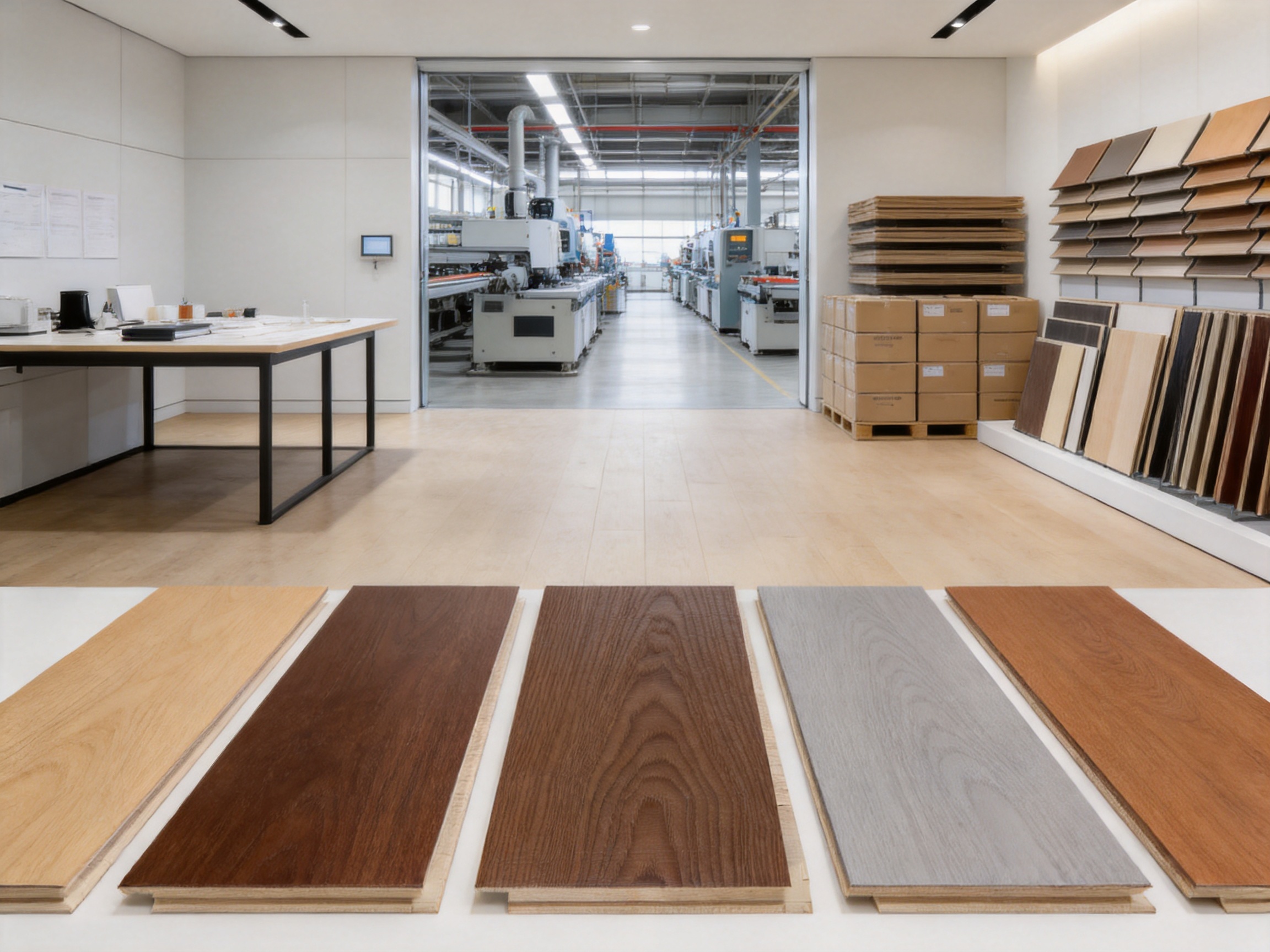
This flooring is suitable for distributors looking to expand their engineered wood flooring collections with a stable, customizable product. Its species, grade, finish, and dimension flexibility make it suitable for different price points and design styles.
It is also suitable for contractors who need reliable flooring for residential and commercial interiors. The click system and multiple installation methods help adapt to site conditions, while the engineered structure supports long-term performance.
Interior designers and architects can use this flooring when natural wood aesthetics, minimal surface texture, and modern elegance are required. The smooth surface and custom color options allow the floor to become part of a coordinated interior concept.
Developers can benefit from the product’s combination of visual quality and practical performance. For apartments, offices, and hospitality spaces, it offers a premium appearance while supporting efficient installation and stable supply.
This product uses a 3-layer engineered structure that improves dimensional stability. Compared with ordinary solid wood flooring, it is more resistant to warping, cracking, and deformation caused by temperature and humidity changes. It also supports click installation, making it more flexible for modern projects.
Yes. The top surface is a natural wood veneer. Available veneer species can include oak, walnut, ash, teak, and other customized options. This gives the floor the authentic appearance and texture of real wood.
Yes. Veneer thickness can be customized in options such as 2 mm, 3 mm, 4 mm, and 6 mm. This allows buyers to balance cost, performance, and market positioning.
The flooring can be finished with UV lacquer, UV oil, or hardwax oil. UV lacquer is suitable for buyers who need strong surface protection and efficient maintenance. UV oil and hardwax oil can provide a more natural appearance depending on the design requirement.
The flooring supports floating, glue-down, and staple installation methods. The click system is especially useful for floating installation because it allows boards to connect quickly and securely.
Yes. It can be used in office areas, showrooms, boutiques, and other suitable commercial interiors. For higher traffic areas, buyers should select the appropriate finish, apply proper entrance protection, and follow maintenance recommendations.
Regular cleaning should be done with a dry cloth, dry mop, or suitable vacuum tool. Avoid soaking the floor with water. For stains, use a neutral detergent and soft cloth.
The product platform can support compliance and certification requirements such as CE, FSC, CARB P2, and ISO 9001, depending on the specific order and documentation needs.
Yes. Custom sizes and colors are available. This is useful for distributors, contractors, and designers who need market-specific or project-specific flooring solutions.
The manufacturer has more than 20 years of wood product experience, large-scale production facilities, export experience, advanced production lines, automated quality control systems, OEM and ODM capabilities, and rapid sample development. These strengths support stable supply and customized project service.
The 3-layer smooth surface arc-shaped lock engineered wood flooring is a strong solution for modern interiors that require natural wood beauty, reliable performance, and efficient installation. Its smooth surface creates a refined minimalist appearance, while the natural wood veneer offers the warmth and authenticity that imitation surfaces cannot fully match. The 3-layer engineered structure improves stability and helps resist deformation and cracking, making it a practical alternative to conventional solid wood flooring.
The product’s click locking system, micro-beveled edges, customizable veneer options, finish flexibility, and multiple installation methods make it suitable for residential, office, and commercial applications. Its competitive strength is further supported by advanced manufacturing capabilities, German imported production lines, automated quality control, international compliance, and extensive customization service.
For distributors, contractors, developers, and designers, this flooring offers more than a single product. It provides a flexible platform for building attractive flooring collections, supporting project specifications, and delivering long-term interior value. With proper installation and maintenance, it can help create comfortable, elegant, and durable spaces for modern living and working.
1. Forest Products Laboratory. Wood Handbook: Wood as an Engineering Material. United States Department of Agriculture.
2. European Committee for Standardization. Wood Flooring Standards and Performance Requirements.
3. International Organization for Standardization. ISO 9001 Quality Management Systems Guidelines.
4. Forest Stewardship Council. Chain of Custody Certification Principles and Responsible Wood Sourcing Guidance.
5. California Air Resources Board. Composite Wood Products Airborne Toxic Control Measure Technical Guidance.
6. National Wood Flooring Association. Installation Guidelines and Maintenance Recommendations for Wood Flooring.

We provide customers with sustainable and eco-friendly
engineered wood solutions and services.
Choose DEIF for the perfect blend of
performance and aesthetics.
