


 English
 Español
 عربى
عربى

Get Social
Choose DEIF for the perfect blend of
performance and aesthetics.
 Get Free Sample

Content
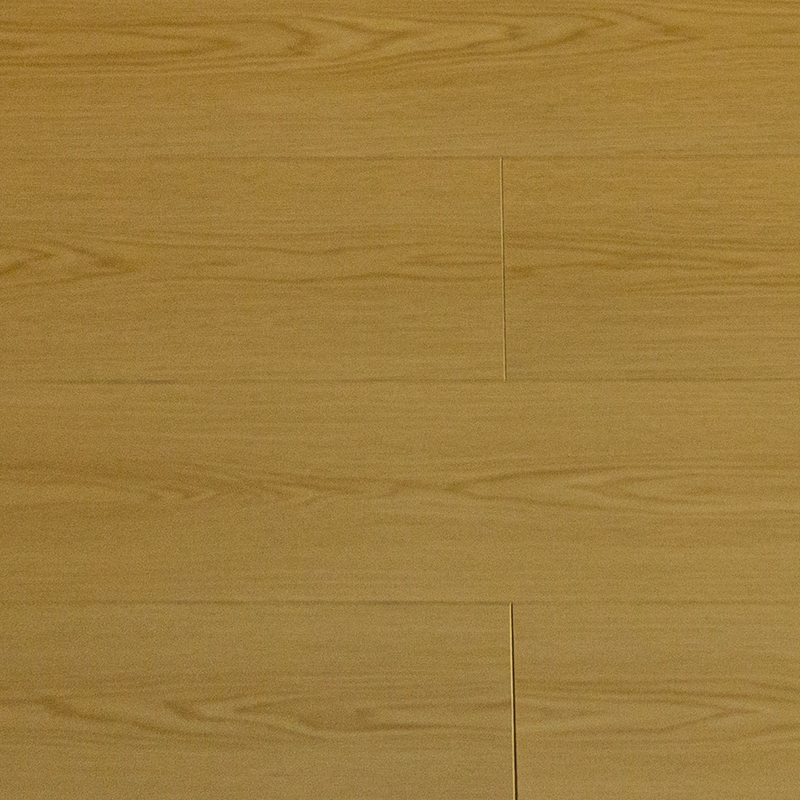
Light Oka Grain AC3 Light Yellow Matte Laminate Flooring
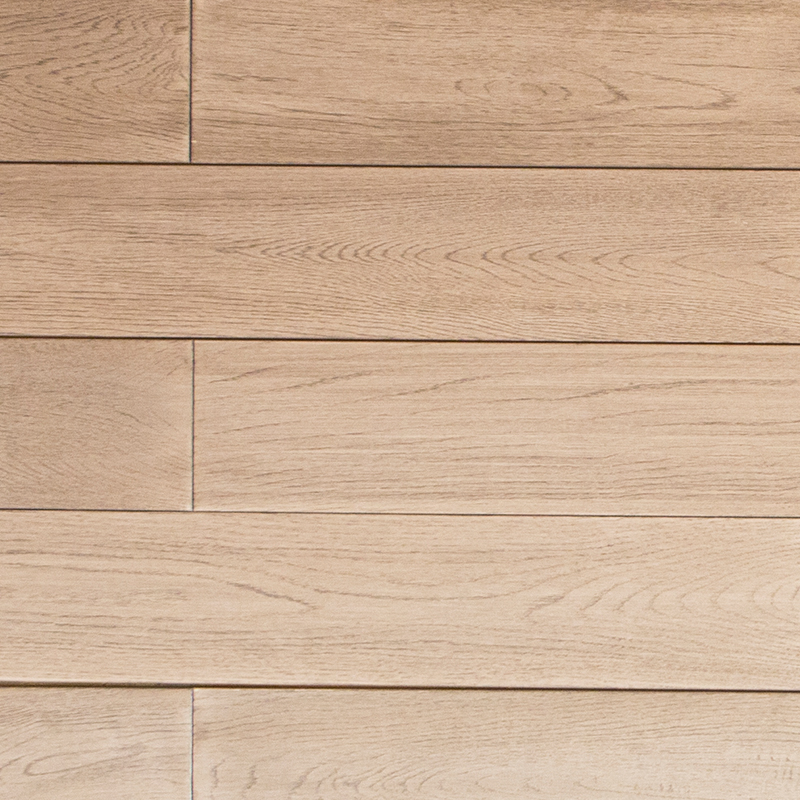
Light oak grain AC3 light yellow matte laminate flooring is designed for interiors that need the warmth of natural wood, the practical stability of engineered construction, and the everyday durability expected from a modern laminate floor. With its soft light yellow tone, realistic oak-inspired grain, matte surface, and balanced 9.5 mm structure, this flooring solution brings a calm, comfortable, and welcoming atmosphere to residential spaces such as living rooms, bedrooms, children’s rooms, apartments, and relaxation areas.
This product belongs to a 9.5 mm standard laminate flooring collection and is engineered around a high-density HDF core, a melamine wear layer enhanced with aluminum oxide, a decorative wood grain surface layer, and a click-lock profile that supports floating installation. Its AC3 wear resistance rating makes it suitable for general residential use, where daily foot traffic, furniture movement, and family activity require a surface that is tougher than ordinary decorative flooring while remaining cost-effective and visually attractive.
Compared with many competing entry-level laminate floors, this product offers a stronger combination of stable HDF construction, environmental compliance, realistic surface design, convenient installation, and customizable options. It is not merely a floor covering with a printed pattern; it is a complete interior flooring system developed to satisfy practical project requirements, from dimensional consistency and carton packaging to formaldehyde emission compliance and long-term daily maintenance.
The flooring uses a light oak visual that appeals to modern interior trends. Light wood tones are widely used in minimalist, Scandinavian, natural, Japanese-inspired, and contemporary residential designs because they make rooms feel brighter, cleaner, and more spacious. The light yellow matte finish reduces visual glare and gives the floor a soft, understated character, helping homeowners and designers create interiors that feel natural without being visually heavy.
For distributors, contractors, architects, and residential project buyers, the product’s value lies in its blend of appearance, performance, and manufacturing reliability. Produced by an experienced wood solutions manufacturer with advanced production equipment, strict quality control, OEM and ODM customization capabilities, and global compliance experience, it is positioned as a dependable flooring option for residential and project-based applications.
The light oak grain AC3 matte laminate flooring is built for daily life. Its dimensions are 48.0 inches by 7.9 inches by 3/8 inch, which corresponds to a practical plank format suitable for common residential room layouts. The product is supplied with 10 pieces per carton, covering approximately 2.44 square meters or 26.26 square feet per carton, with a carton weight of about 20.4 kg. These specifications support efficient logistics, warehousing, and jobsite handling.
The flooring is designed with a high-density fiberboard core. HDF is widely used in laminate flooring because it provides excellent structural density and dimensional stability when manufactured under controlled conditions. The product’s HDF base helps resist deformation and supports a firm walking feel, while the click system allows the planks to be installed as a floating floor without traditional glue-down methods.
The surface is made with wood grain decorative paper protected by a melamine wear layer with aluminum oxide. This combination is important because decorative paper provides the visual identity of the floor, while the wear layer protects that appearance from ordinary abrasion. Aluminum oxide is commonly used in durable flooring finishes because it improves resistance against daily wear, helping the surface maintain its look under normal residential use.
The product has an AC3 rating, which is suitable for general residential spaces. It is especially appropriate for rooms where families need a balance between aesthetics and durability, such as living rooms, bedrooms, home offices, guest rooms, children’s rooms, and leisure spaces. While AC4 or AC5 products may be selected for heavier commercial traffic, AC3 provides a practical and economical performance level for many home interiors.
Environmental performance is another key part of the product profile. The flooring is TSCA Title VI and CARB Phase 2 compliant, indicating that its composite wood components meet recognized formaldehyde emission requirements. It is also described as meeting an E0 environmental standard and as having no added formaldehyde in the intended product positioning. For residential buyers, especially families with children, low-emission materials are an important factor in product selection.
| Product Type | 9.5 mm Standard Laminate Flooring |
| Visual Style | Light oak grain, light yellow tone, matte finish |
| Dimensions | 48.0 inches × 7.9 inches × 3/8 inch |
| AC Rating | AC3 for general residential use |
| Core Construction | High-density HDF |
| Surface Material | Wood grain decorative paper |
| Wear Surface | Melamine wear layer with aluminum oxide |
| Texture | Smooth, realistic wood grain appearance |
| Profile | Micro-bevel on all four sides |
| Installation | Floating installation with click system |
| Compliance | TSCA Title VI and CARB Phase 2 compliant |
| Carton Quantity | 10 pieces per carton |
| Coverage | 2.44 square meters or 26.26 square feet per carton |
| Customization | Custom sizes and colors available |
The floor’s most immediate advantage is visual. Its light oak grain creates a natural, gentle atmosphere that works well in a wide range of residential designs. Light oak-inspired flooring is valued because it bridges the gap between warm traditional wood and clean modern design. It is bright enough to visually enlarge compact rooms, but warm enough to avoid the cold impression sometimes associated with gray or white surfaces.
The light yellow tone adds softness. In living rooms, it can make furniture colors appear more balanced. In bedrooms, it contributes to a restful environment. In children’s rooms, it creates a cheerful but not overwhelming foundation. In apartments or compact homes, the bright tone reflects available light and helps make the interior feel more open.
The matte surface finish is also significant. Glossy floors can look impressive in showrooms but may reveal dust, footprints, and reflections more easily. A matte laminate surface offers a calmer appearance and is often easier to integrate into daily living spaces. It helps the floor look closer to natural wood because real wood commonly has a softer sheen rather than a mirror-like shine.
The realistic wood grain surface gives the flooring a natural character. The visual texture is designed to resemble solid wood, providing the emotional appeal of timber without the cost, maintenance, and dimensional concerns often associated with genuine hardwood. For homeowners who want a wood-like atmosphere but need practical daily performance, this laminate construction offers a smart alternative.
Micro-bevel edges on all four sides further improve the plank effect. A micro-bevel helps define each board visually, making the installed floor appear more like individual wood planks instead of a flat printed sheet. This detail is small, but it has a strong influence on the finished interior effect.
The AC rating system is one of the most widely recognized performance indicators in laminate flooring. An AC3 rating is intended for general residential use and can handle normal household foot traffic. This makes the product a practical solution for families seeking a reliable floor for daily life without paying for a heavier commercial-grade surface that may not be necessary in a typical home.
Daily flooring wear comes from many sources: shoes, socks, children’s play, pet movement, lightweight furniture, cleaning, and normal contact with household items. The AC3 wear layer helps withstand this common abrasion and impact. It supports the surface’s ability to maintain its appearance over time, especially when combined with proper maintenance, protective furniture pads, and moisture control.
Compared with lower-grade decorative flooring, AC3 laminate provides better resistance to daily friction. It is more suitable for active home spaces than basic low-density panels or simple vinyl-look boards with limited wear protection. It gives homeowners a more durable surface while still keeping the product accessible for residential budgets.
The melamine wear layer with aluminum oxide further strengthens the product’s protective system. Aluminum oxide is known for its hardness and is often used in flooring finishes to improve abrasion resistance. In this product, it helps protect the printed wood grain layer below, ensuring the visual design remains attractive under standard residential conditions.
The product also includes a thickened abrasion-resistant layer described as 0.2 mm, which supports longer service life and improved durability. This detail is important because the wear surface is the part of the floor most exposed to daily use. A stronger wear layer can make a meaningful difference in long-term customer satisfaction.
The HDF core is central to the flooring’s performance. High-density fiberboard provides a strong and consistent base for the laminate structure. When manufactured with proper pressing, moisture control, and density management, HDF offers good dimensional stability and helps resist deformation from normal indoor environmental changes.
Compared with lower-density fiberboard or poor-quality core materials, a properly engineered HDF core has several advantages. It supports a more secure locking profile, provides a firmer feel underfoot, and reduces the risk of weak edges or unstable planks. In laminate flooring, the core quality often determines whether the product performs well after installation.
The product is described as having a moisture-resistant HDF core for general use. This does not mean the floor should be treated as waterproof or exposed to standing water, but it does mean the core is designed to perform better under ordinary indoor conditions than untreated or poorly controlled fiberboard. For kitchens, hallways, bedrooms, and living spaces, this added resistance helps protect against small spills when cleaned promptly.
The stability of the core is especially important for floating installation. In a floating floor system, the planks are connected to one another rather than permanently fixed to the subfloor. If the core is weak or inconsistent, the locking joints may loosen or the surface may feel unstable. A high-density core improves the integrity of the installed system.
For project buyers and installers, consistent HDF quality also reduces installation problems. Planks with stable dimensions are easier to align, easier to lock, and less likely to create visible gaps. This improves installation efficiency and reduces after-sales concerns.
The click-lock system is a major practical advantage of this laminate flooring. It enables floating installation, meaning the floor can be installed over an appropriate underlayment without being glued or nailed directly to the subfloor. This installation method is widely used because it is efficient, clean, and suitable for many residential renovation projects.
A good click system provides strong plank engagement and helps maintain tight seams during normal use. It also reduces installation time compared with traditional glue-based methods. For contractors, faster installation can reduce labor costs. For homeowners, it means less disruption during renovation.
Floating installation is also convenient when working with existing interiors. If the subfloor is flat, clean, dry, and structurally sound, laminate planks can often be installed efficiently. This makes the product suitable for apartments, rental upgrades, residential refurbishments, and new home interiors.
The micro-bevel profile works together with the click system to create a refined finished appearance. Each plank edge is subtly defined, making the floor look more dimensional and authentic. A well-manufactured profile is important because poor locking precision can lead to gaps, unevenness, or noise after installation.
Compared with flooring products that require more complex installation, this click-lock laminate offers a strong advantage in convenience. It does not require the same acclimation and finishing process as unfinished hardwood, and it avoids the mess of adhesive-heavy systems. This gives it a clear practical edge for modern residential projects where speed, cleanliness, and consistency matter.
Indoor air quality is a major concern in residential material selection. This product addresses that concern through compliance with TSCA Title VI and CARB Phase 2 requirements. These standards are associated with formaldehyde emission limits for composite wood products, helping buyers identify products that meet recognized environmental and health-related expectations.
The product is also described as meeting the E0 environmental standard and having no added formaldehyde in its general positioning. For families, schools, apartments, and residential developments, such features provide reassurance that the material has been produced with attention to low-emission performance.
Environmental performance is not only about certification; it is also about manufacturing discipline. Consistent emissions performance depends on raw material selection, adhesive control, pressing parameters, curing conditions, and quality testing. A manufacturer with organized production systems and strict inspection procedures is better able to deliver stable compliance across repeated orders.
Compared with unverified low-cost flooring, compliant laminate flooring provides a safer and more credible choice. Some cheaper products may look similar at first glance but lack reliable documentation, consistent core quality, or controlled emissions performance. For professional buyers, this difference is essential because project acceptance increasingly depends on material compliance.
In daily use, the product’s smooth matte surface also supports a comfortable indoor experience. It is easy to clean with light methods, and its visual warmth helps create a relaxed atmosphere. A floor is not only a functional surface; it shapes how people feel in a space. This flooring is designed to support comfort visually, physically, and environmentally.
The product is supported by a wood solutions manufacturer with more than two decades of industry experience. Founded in 1999, the company has developed expertise across wood flooring, wooden doors, and custom cabinet solutions. This wider wood manufacturing background is valuable because it reflects a deep understanding of interior wood materials, surface finishing, structural stability, and project-based customization.
The manufacturer operates approximately 20,000 square meters of production facilities and has more than 10 years of export experience. It serves over 100 global partners across Europe, North America, and Southeast Asia. These facts matter because international markets often require strict quality consistency, packaging reliability, documentation, and compliance with regional standards.
Advanced manufacturing equipment is another advantage. German imported production lines and automated quality control systems support stable production. In laminate flooring, precision is critical at every stage: board pressing, surface lamination, cutting, profiling, beveling, packaging, and inspection. Even small deviations can affect installation quality, visual alignment, or product durability.
The manufacturer applies a strict three-step quality inspection process. While the exact internal procedures may vary by order, such a system typically includes raw material inspection, in-process control, and final product verification. This helps prevent defective products from entering shipment and supports consistent customer satisfaction.
The annual production capacity of 2,400,000 square meters of flooring demonstrates the ability to support large orders and ongoing supply. For distributors and contractors, capacity is not only about volume; it is about reliability. A supplier with stable capacity can support seasonal demand, project timelines, repeat orders, and customized programs more effectively than small workshops with limited output.
The manufacturing process for a high-quality laminate floor begins with material selection. The HDF core must meet density, moisture, thickness, and internal bonding requirements. If the core is too weak, too wet, too dry, or uneven, the final plank may not perform correctly. Controlled raw material sourcing is therefore essential.
After core preparation, the decorative paper and wear layer are combined with the board through heat and pressure. The decorative paper provides the light oak grain pattern, while the wear layer protects the surface. The pressure and temperature must be carefully controlled so that the layers bond properly and the surface achieves the intended finish.
Surface treatment is another important stage. The matte finish must be uniform, and the wood grain appearance must remain clear and realistic. Synchronized or enhanced embossing methods can improve the three-dimensional effect of the surface, making the floor feel and look closer to natural wood. Even when the listed texture is smooth, the visual impression can still carry a natural wood-grain depth through high-quality printing and finishing.
Cutting and profiling are highly precise operations. Each plank must be cut to accurate dimensions, and the click-lock edges must be milled with consistency. The micro-bevel on all four sides requires careful tooling so that the bevel appears clean and uniform. Poor edge profiling can result in installation gaps, uneven surfaces, or weak locking performance.
Quality control follows every major production stage. Dimensional accuracy, surface appearance, locking fit, thickness, carton weight, and packaging condition must be checked. For export orders, packaging strength is especially important because products may pass through long-distance shipping, warehousing, and jobsite handling before installation.
By combining automated production with experienced inspection, the manufacturer can produce flooring that meets both visual and technical expectations. This process-oriented strength is a major advantage over competitors that rely heavily on manual correction or inconsistent production controls.
This laminate flooring competes in a market filled with many options, including low-cost laminate, vinyl flooring, engineered wood, and solid hardwood. Its advantage is not based on one feature alone, but on the balance of design, durability, compliance, installation efficiency, and manufacturing reliability.
Compared with very low-cost laminate flooring, this product offers a more credible performance package. The AC3 rating, HDF core, melamine wear layer with aluminum oxide, click system, micro-bevel profile, and environmental compliance provide a stronger foundation for long-term residential use. Cheaper alternatives may compromise core density, locking precision, surface wear resistance, or emissions documentation.
Compared with solid hardwood, the product offers better affordability and easier installation. Solid wood has natural beauty, but it is more sensitive to moisture and dimensional changes, often requires professional installation, and can be more expensive. This laminate floor gives homeowners a wood-like visual effect with less maintenance complexity.
Compared with engineered wood, this laminate product is generally more accessible in price and easier to maintain against everyday surface wear. Engineered wood has a real wood veneer, but that veneer can still scratch, dent, or require refinishing considerations. Laminate with a strong wear layer can be more practical for families who want the look of wood but prioritize daily durability.
Compared with many vinyl floors, laminate often provides a firmer wood-like walking feel and a more authentic plank impression when made with a high-density core and realistic decorative surface. Vinyl can be advantageous in moisture-prone areas, but for dry residential interiors where wood aesthetics are the priority, laminate remains a highly attractive option.
The product’s custom sizes and colors available also help it compete in project markets. Buyers are not limited to a single standard look. Customization allows distributors, designers, and contractors to align flooring with regional preferences, interior concepts, and branding needs.
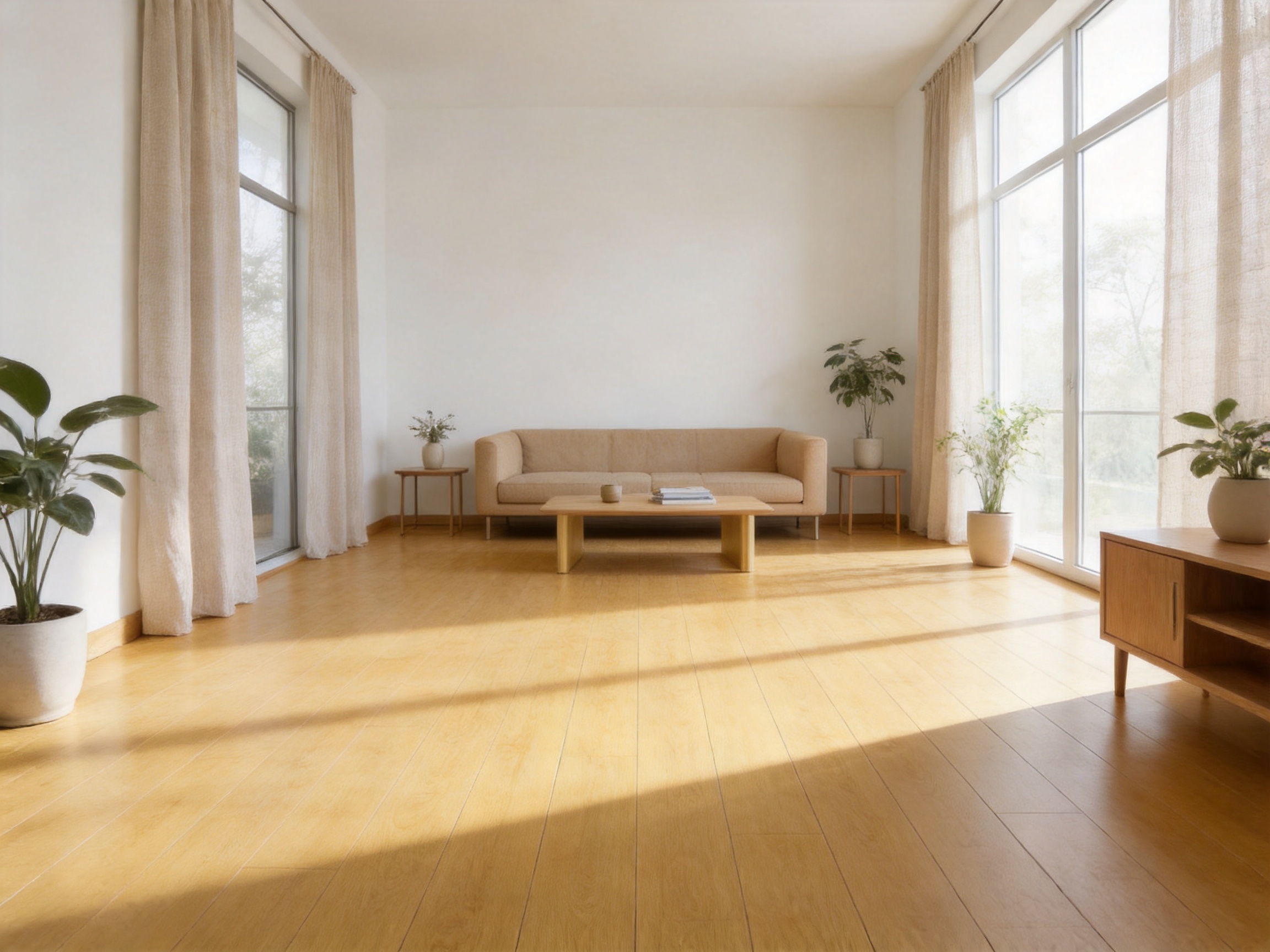
This flooring is well suited for family living spaces. In living rooms, it provides a warm and natural foundation for sofas, coffee tables, media walls, and open-plan arrangements. The light oak color can pair well with white walls, beige fabrics, black metal accents, natural stone, and wood furniture.
In bedrooms, the floor creates a calm and restful setting. The matte finish avoids excessive reflection, while the light yellow wood grain brings warmth to the space. It works well with soft textiles, neutral bedding, and minimal décor.
In children’s rooms, the AC3 wear resistance is useful for daily play, movement, and general activity. The floor is easier to clean than carpet and visually softer than many hard surfaces. Its low-emission compliance also supports the material concerns of family buyers.
In home offices, the floor creates a professional but comfortable atmosphere. The surface can handle normal chair movement when protective mats or suitable chair wheels are used. The light color also supports a bright workspace, which is increasingly important as remote work becomes more common.
In apartments and rental properties, the product offers excellent practical value. It improves the visual quality of the interior while remaining efficient to install. The floating click system is especially useful for renovation projects where time and labor control are important.
Daily maintenance is simple. Stains should be wiped with a damp cloth, and routine cleaning should focus on light methods. Sweeping, vacuuming with a suitable hard-floor attachment, and occasional damp mopping are usually sufficient for normal residential use.
Moisture protection is important. Although the HDF core is described as moisture resistant for general use, laminate flooring should not be exposed to prolonged standing water. Spills should be cleaned promptly, and wet mops should be avoided. Excessive water can penetrate seams and affect the core over time.
Furniture protection can extend service life. Felt pads under chairs, tables, and sofas help reduce friction and prevent unnecessary surface marks. Heavy furniture should be lifted rather than dragged across the floor. Entry mats can reduce dirt and grit brought in from outside.
Indoor environmental control also supports long-term performance. Like many wood-based flooring products, laminate performs best in stable indoor humidity and temperature conditions. Extreme dryness or excessive humidity should be avoided when possible.
With reasonable care, the flooring can maintain its attractive appearance and practical performance for many years in residential use. Its design is intended to support everyday life without requiring complex maintenance routines.
One of the product’s important commercial advantages is customization. Custom sizes and colors are available, allowing the flooring to be adjusted for different market needs and interior design concepts. This is valuable for distributors building product collections, contractors working on residential developments, and architects seeking coordinated material palettes.
Color customization can adapt the oak grain concept to warmer, cooler, lighter, or slightly deeper tones. In some markets, pale oak and natural beige tones are preferred; in others, honey oak, gray oak, or neutral brown variations may sell better. A manufacturer with OEM and ODM capabilities can help buyers respond to these preferences.
Size customization can also support project differentiation. Wider planks may create a more luxurious and modern effect, while standard plank sizes may be preferred for cost efficiency and easy installation. Thickness and packaging formats can also be considered depending on project requirements and shipping needs.
The company’s 72-hour rapid prototyping capability is especially valuable for customization. In competitive markets, speed matters. Fast sample development allows buyers to evaluate colors, textures, finishes, and specifications quickly before confirming mass production.
Customization is supported by the manufacturer’s wider experience in flooring, doors, and cabinets. This cross-category capability can be useful for interior projects that need coordinated wood solutions. A buyer may require matching flooring, doors, and cabinet finishes for a unified interior style, and an experienced wood manufacturer is better positioned to support that need.
Quality assurance is essential in flooring because problems are often discovered only after installation, when correction becomes costly. A reliable manufacturer must control quality before shipment. This product benefits from a production system that emphasizes inspection, compliance, and stable supply.
The flooring is aligned with recognized standards and certifications, including CE, FSC, CARB P2, and ISO 9001 in the company’s broader compliance framework. These credentials demonstrate the manufacturer’s commitment to responsible sourcing, quality management, and international market expectations.
TSCA Title VI and CARB Phase 2 compliance are particularly important for products shipped to markets concerned with composite wood emissions. Buyers in North America and other regions often require documentation showing that materials meet formaldehyde emission regulations. Having compliant products reduces risk for distributors and project owners.
FSC-related capability supports responsible forest product sourcing. While laminate flooring uses processed wood materials, responsible sourcing remains important for sustainability-focused customers and projects. ISO 9001 supports a quality management approach that emphasizes consistency and continuous improvement.
Compared with suppliers that lack documentation or standardized management systems, a compliance-focused manufacturer offers stronger confidence. Professional buyers increasingly need more than attractive product photos; they need traceability, test data, stable packaging, consistent specifications, and reliable communication.
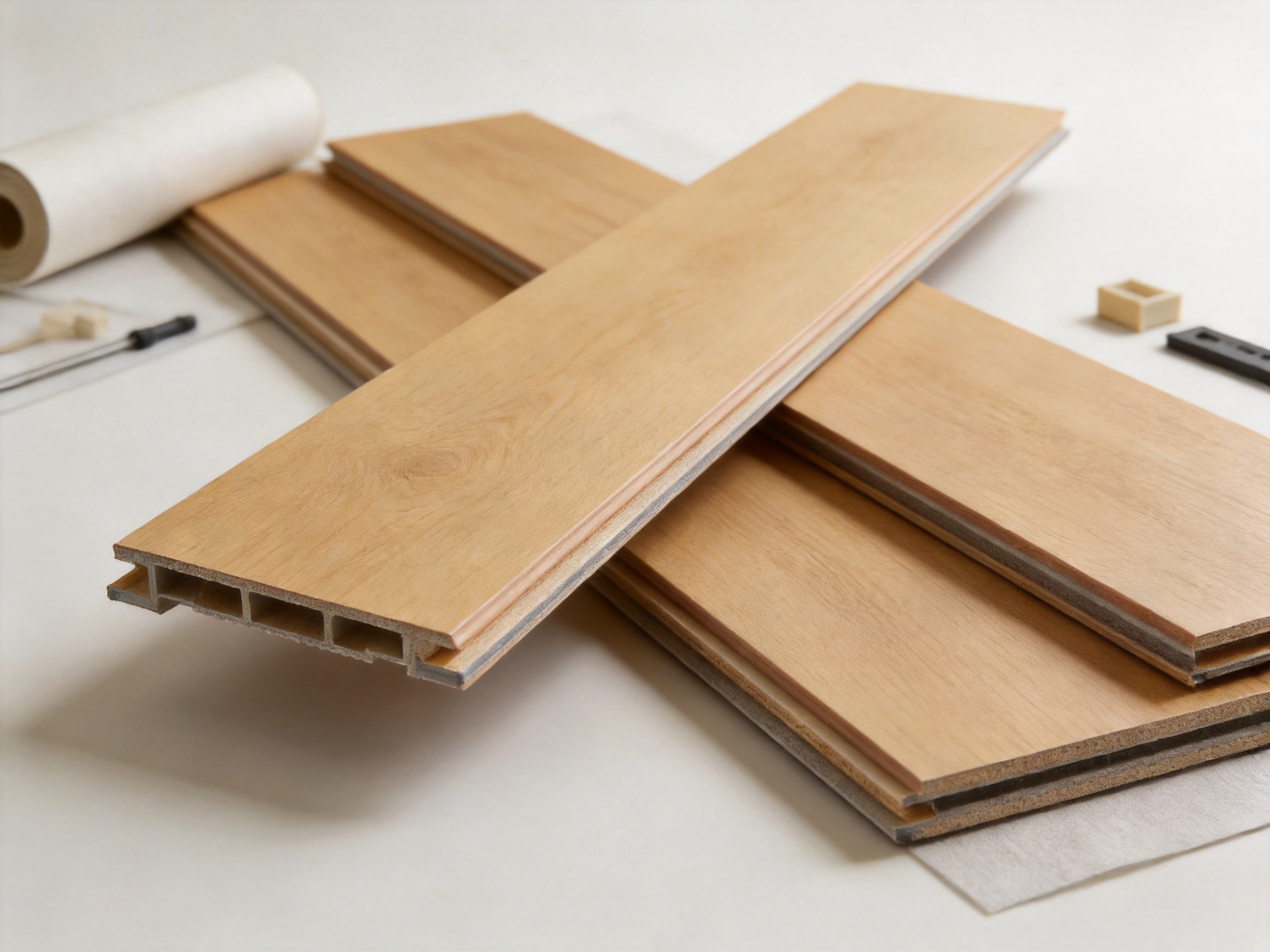
The carton specifications of this flooring are designed for practical handling. Each carton contains 10 pieces and covers 2.44 square meters or 26.26 square feet. This makes quantity calculation relatively straightforward for projects and retail sales. The carton weight of approximately 20.4 kg is manageable for warehouse and jobsite operations while still reflecting the density of the HDF core.
Good packaging protects edges, corners, and surfaces during transportation. Laminate flooring can be vulnerable to edge damage if packaging is weak or handling is poor. A manufacturer with export experience understands the importance of carton strength, pallet stability, moisture protection, and container loading practices.
For distributors, consistent packaging improves inventory management. Clear carton data, stable piece count, and predictable coverage help avoid confusion during order fulfillment. For contractors, accurate coverage information helps reduce waste and ensures the correct amount of material is ordered.
Project efficiency also depends on product consistency. If planks from different cartons vary in dimension or locking quality, installation slows down. Stable production and inspection reduce these risks. This is one reason manufacturing strength matters as much as surface design.
The product’s floating installation method further improves project efficiency. Contractors can complete floors faster, and renovation projects can move forward with less disruption. In residential developments or multi-unit projects, these time savings can be significant.
The light oak matte design is highly versatile. In Scandinavian-style interiors, it pairs naturally with white walls, light fabrics, simple furniture, and soft natural light. In minimalist interiors, it provides warmth without visual clutter. In modern apartments, it balances clean lines with a sense of comfort.
In natural-style interiors, the oak grain supports an organic atmosphere. It works well with plants, linen curtains, rattan furniture, ceramic décor, and neutral color palettes. The light yellow tone adds warmth that complements earth colors and soft greens.
In family-oriented spaces, the flooring feels approachable and relaxed. It does not create the formal or heavy impression associated with dark wood floors. Instead, it makes rooms feel open, friendly, and easy to live in.
Designers can use the floor as a neutral base. Because the grain is realistic but not overly dramatic, it does not compete with furniture or wall finishes. This makes it suitable for both simple interiors and more layered design schemes.
The matte finish also photographs well, which can be an advantage for property developers, real estate staging, and interior marketing. It reduces glare and helps the room appear natural in visual presentations.
Professional buyers evaluate flooring differently from one-time consumers. They consider not only the appearance but also the supplier’s capacity, consistency, certification, customization ability, and after-sales reliability. This product meets those priorities through a balanced combination of specification and manufacturing support.
Distributors can benefit from a product that is easy to explain to customers: AC3 wear resistance, HDF core, click installation, light oak matte design, environmental compliance, and customization options. These features address common consumer questions and provide clear selling points.
Contractors can benefit from the click-lock system, consistent plank dimensions, and practical carton coverage. Efficient installation and predictable material behavior help reduce project risk. The flooring is suitable for residential renovation and new-build interiors where timing and cost control matter.
Architects and designers can use the product in concepts requiring a natural wood look with controlled budget and reliable compliance. The light oak tone works in many design directions, and custom options allow adjustment for specific projects.
Project owners can benefit from the manufacturer’s production capacity and export experience. Stable supply is essential when flooring is needed across multiple units, phases, or locations. A supplier with global experience is better equipped to manage documentation, packaging, and delivery expectations.
It is best suited for residential interiors such as living rooms, bedrooms, children’s rooms, home offices, guest rooms, apartments, and relaxation areas. Its AC3 rating is designed for general household use and daily family activity.
AC3 indicates that the laminate flooring is suitable for general residential traffic. It can withstand normal daily friction, walking, and household activity when properly installed and maintained.
No. It uses a wood grain decorative paper surface to create a realistic oak appearance, protected by a melamine wear layer with aluminum oxide. The core is high-density HDF, giving the floor stability and practical performance.
Yes. The product uses a click-lock system for floating installation. It is designed to be installed over a suitable underlayment and properly prepared subfloor without traditional glue-down methods.
The HDF core is moisture resistant for general use, but the floor should not be treated as fully waterproof. Standing water and prolonged surface moisture should be avoided. Spills should be wiped promptly.
The light oak grain creates a warm and natural look, while the matte surface reduces glare and gives the floor a calm, comfortable character. It is suitable for modern, minimalist, Scandinavian, and natural-style interiors.
Compared with many low-cost alternatives, it offers a stronger overall package: AC3 wear resistance, high-density HDF construction, aluminum oxide enhanced wear surface, click-lock installation, micro-bevel edges, and recognized environmental compliance.
Yes. It is listed as TSCA Title VI and CARB Phase 2 compliant and is positioned with E0 environmental performance. These features support low-emission residential use and international market requirements.
Yes. Custom sizes and colors are available, making the product suitable for distributors, contractors, and design projects that need specific visual or technical requirements.
Daily cleaning should be simple and light. Sweep or vacuum regularly, wipe stains with a damp cloth, and avoid excessive water. Furniture pads and entry mats can help protect the surface over time.
When selecting laminate flooring, buyers should consider more than color. The first consideration is the intended use area. For typical residential spaces, AC3 is often a practical choice because it provides daily durability without unnecessary cost. For heavy commercial spaces, a higher AC rating may be more appropriate.
The second consideration is core quality. A high-density HDF core supports stability, locking strength, and walking feel. Buyers should avoid products with unclear core specifications or inconsistent thickness, as these may cause installation and performance problems.
The third consideration is compliance. TSCA Title VI and CARB Phase 2 compliance are important indicators for composite wood products. Buyers should request proper documentation when purchasing for regulated markets or formal projects.
The fourth consideration is installation method. Click-lock floating floors are efficient, but they still require proper subfloor preparation. The subfloor should be flat, dry, clean, and structurally sound. Expansion gaps and underlayment should follow installation guidelines.
The fifth consideration is supplier capability. A product is only as reliable as the production system behind it. Buyers should evaluate manufacturing capacity, quality control processes, export experience, customization support, and communication efficiency.
The manufacturer behind this flooring has built a strong position as a global wood solutions provider. With experience dating back to 1999, it has developed long-term knowledge of flooring production, wood surface treatment, project customization, and export service. This background supports the product’s reliability in both residential and project markets.
The company’s production facilities cover around 20,000 square meters, providing the physical scale needed for stable manufacturing. Its annual flooring capacity of 2,400,000 square meters demonstrates that it can support meaningful order volumes and repeated supply programs. This is important for distributors who need consistent inventory and for contractors who must complete projects on schedule.
Export experience across Europe, North America, and Southeast Asia indicates familiarity with different market expectations. Each region may have its own preferences for color, packaging, compliance, and documentation. A supplier with international experience is better able to anticipate these needs.
OEM and ODM customization are major advantages. Buyers can request tailored colors, surface effects, dimensions, and collection concepts. The company’s 72-hour rapid prototyping capability helps accelerate the sampling and approval process, reducing development time for new product lines.
The company’s mission to create durable, sustainable wood products aligns with the needs of modern construction and interior design. Customers increasingly want products that combine beauty, durability, environmental responsibility, and practical value. This laminate flooring reflects that direction.
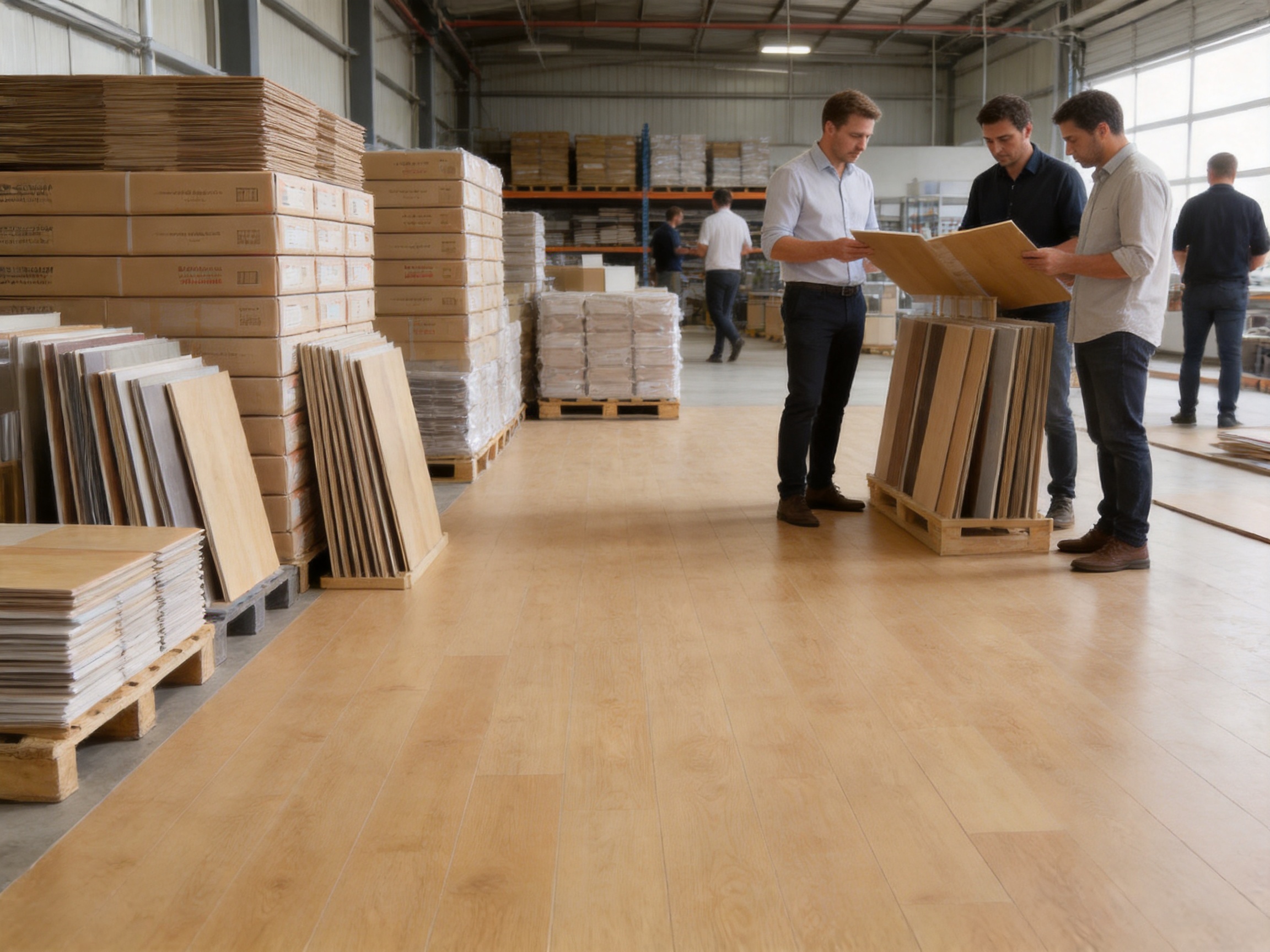
The true value of a floor is revealed through daily use. A floor must look good on the first day, but it must also remain practical after weeks, months, and years of family activity. This product is designed for that reality. Its wear-resistant surface protects the light oak visual, its HDF core supports stability, and its click-lock installation creates a functional plank system.
The soft oak tone can adapt as furniture and décor change. Homeowners may replace sofas, repaint walls, or update curtains, but the floor remains a flexible foundation. This adaptability increases long-term value because the floor does not lock the interior into a narrow design style.
Daily cleaning is simple, which is important for busy families. A floor that requires complicated maintenance can become frustrating, even if it looks beautiful. This laminate floor offers a practical balance: attractive wood-like design with easy care.
The product also offers emotional value. Wood visuals are associated with warmth, comfort, and nature. The light oak grain creates a soothing foundation that helps interiors feel more livable. In modern homes where people work, rest, study, and gather in the same spaces, this sense of comfort matters.
For property developers and landlords, the product’s practical durability and broad visual appeal can improve interior presentation while controlling costs. A bright, clean, wood-like floor can make a unit feel more desirable without the investment and maintenance burden of solid hardwood.
Sustainability in flooring involves several dimensions: responsible raw materials, efficient manufacturing, product durability, emissions control, and long-term usability. This laminate flooring contributes to these goals through composite wood construction, compliance focus, and durable surface protection.
Using HDF allows wood fibers to be engineered into stable panels, making efficient use of wood resources. When combined with responsible sourcing practices and quality management, engineered wood products can support more efficient material utilization than some traditional solid wood applications.
Durability also supports sustainability. A floor that lasts longer and resists everyday wear reduces replacement frequency. The AC3 wear layer and aluminum oxide enhanced surface help protect the product’s appearance in residential use, supporting a longer useful life under proper care.
Emission compliance supports healthier indoor environments. Low-emission composite wood products are increasingly important as homes become more tightly sealed and indoor air quality receives greater attention. TSCA Title VI and CARB Phase 2 compliance help address these concerns.
The manufacturer’s broader certifications and quality systems further support responsible production. For professional buyers, sustainability is not only a marketing statement; it must be supported by documentation, consistent manufacturing, and a supplier that understands global requirements.
Before installation, the flooring should be acclimated according to project guidelines and site conditions. The installation area should be dry, enclosed, and maintained within normal indoor temperature and humidity ranges. The cartons should be handled carefully to avoid edge damage.
The subfloor must be flat, clean, dry, and structurally stable. Any unevenness should be corrected before installation. Moisture conditions should be checked, especially over concrete subfloors. A suitable underlayment should be used according to the project requirement and flooring guidelines.
Expansion gaps should be left around walls, columns, and fixed objects. These gaps allow the floating floor system to respond to normal environmental movement. Skipping expansion space can create pressure, lifting, or joint stress.
During installation, planks should be mixed from multiple cartons when appropriate to create a balanced visual effect. Although laminate designs are controlled, mixing cartons can improve natural variation and avoid repeated pattern concentration.
After installation, the floor should be protected from construction debris, heavy dragging, and excessive moisture. If other work continues in the room, protective covering should be used, but breathable materials are preferred to avoid trapping moisture.
Light oak grain AC3 light yellow matte laminate flooring is a practical and attractive solution for modern residential interiors. It combines a warm oak-inspired appearance with a stable HDF core, AC3 wear resistance, a melamine wear layer enhanced with aluminum oxide, micro-bevel edges, click-lock floating installation, and recognized environmental compliance.
Its key strength is balance. It offers the natural visual comfort of wood, the installation efficiency of modern laminate, the durability needed for daily family use, and the manufacturing reliability required by professional buyers. Compared with many competing products, it provides stronger value through better core construction, credible compliance, realistic design, customization capability, and supplier strength.
Backed by an experienced wood solutions manufacturer with advanced production lines, automated quality control, large-scale capacity, export experience, OEM and ODM support, and a strict inspection process, the product is suitable not only for individual homes but also for distributors, contractors, architects, and residential projects.
For interiors that require warmth, comfort, durability, and efficient installation, this light oak matte laminate flooring presents a compelling choice. It is a floor designed for everyday living, professional supply, and long-term visual appeal.
European Producers of Laminate Flooring. Technical Bulletins on Laminate Flooring Classification and Use.
California Air Resources Board. Composite Wood Products Regulation Guidance Materials.
United States Environmental Protection Agency. Formaldehyde Emission Standards for Composite Wood Products.
International Organization for Standardization. ISO 9001 Quality Management Systems Requirements.
Forest Stewardship Council. Responsible Forest Management and Chain of Custody Principles.
Floor Covering Installation Board. General Guidelines for Floating Laminate Flooring Installation.
Building Materials Research Council. Performance Characteristics of High-Density Fiberboard in Interior Flooring Applications.

We provide customers with sustainable and eco-friendly
engineered wood solutions and services.
Choose DEIF for the perfect blend of
performance and aesthetics.
