


 English
 Español
 عربى


Get Social
Choose DEIF for the perfect blend of
performance and aesthetics.
 Get Free Sample

Content
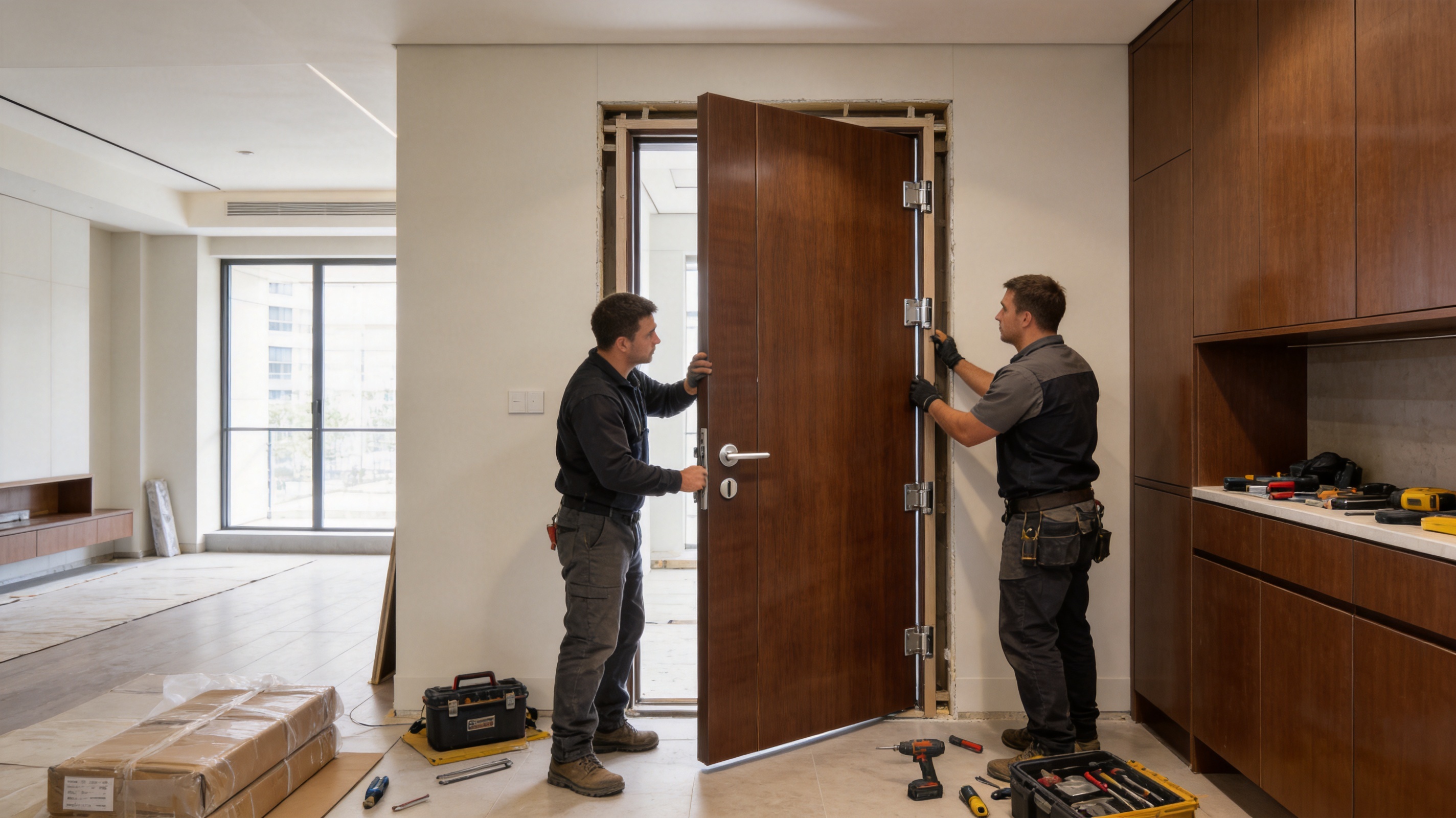
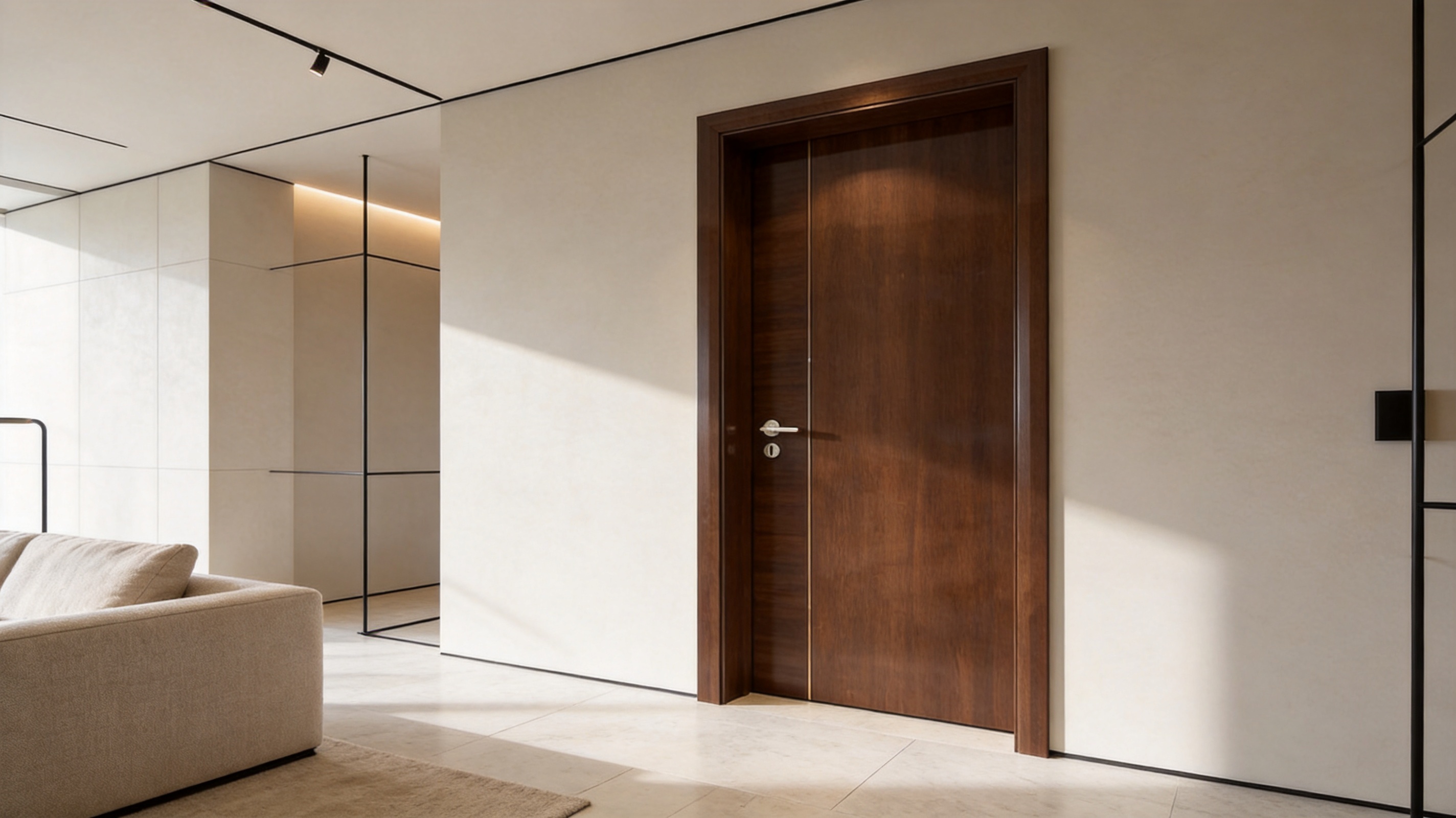
A well-designed interior door does more than separate rooms. It contributes to the atmosphere, acoustic comfort, visual continuity, durability, and long-term value of an entire project. For residential developments, hotels, offices, commercial properties, and high-end fit-out applications, the choice of door can influence both the user experience and the efficiency of installation. The Warm Walnut Natural Veneer Door is designed to meet these requirements through a combination of authentic wood character, stable engineered construction, precise manufacturing, and flexible project customization.
With its rich walnut appearance, clean linear design, and carefully selected material options, this door provides the visual appeal of premium solid wood while offering greater consistency and cost control. Its natural veneer surface preserves the distinctive grain patterns and tactile quality of real timber, while the engineered core and professionally processed components help address common problems associated with conventional solid wood doors, including excessive movement, cracking, warping, and inconsistent dimensions.
The door is suitable for interior applications where appearance, durability, installation efficiency, and budget management must be considered together. It can be adapted for residential interiors, apartments, villas, hotels, office buildings, clubs, showrooms, and other commercial environments. Its customizable dimensions, surface finishes, colors, core structures, edge treatments, hardware preparation, and opening directions enable architects, contractors, developers, and distributors to coordinate the door with a wide range of interior concepts.
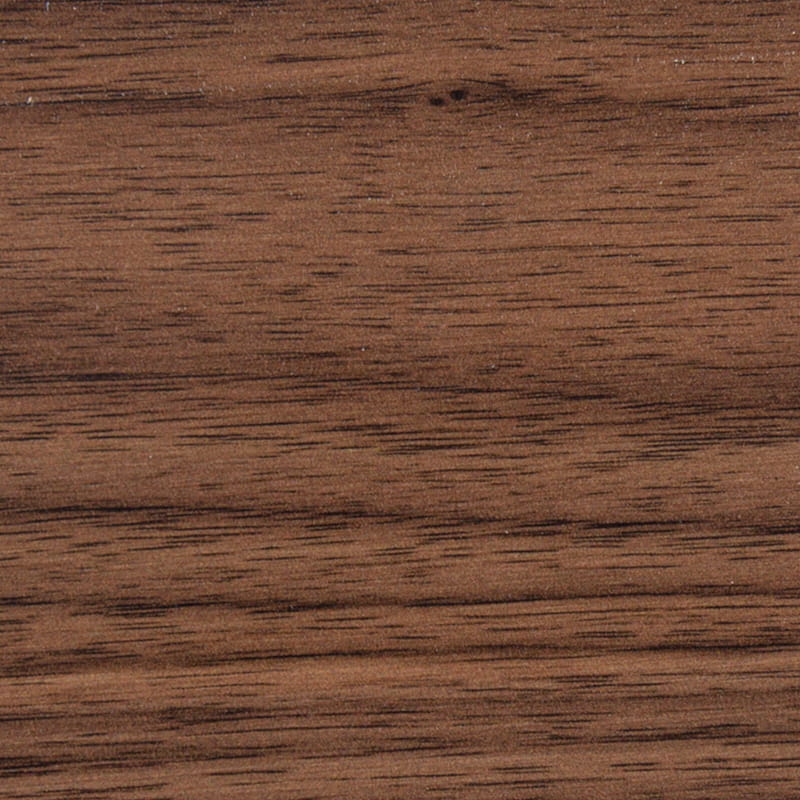
Walnut has long been valued in interior architecture for its depth of color, refined grain, and natural sense of luxury. Unlike printed wood-effect materials, natural walnut veneer is produced from real timber. The veneer retains the authentic visual variation of the species, including differences in grain direction, tone, and pattern. These subtle variations give each door a distinctive identity while maintaining a coordinated appearance across a project.
The Warm Walnut Natural Veneer Door uses a warm walnut surface to create a welcoming and sophisticated interior impression. Its color can complement neutral walls, stone surfaces, metal details, glass partitions, textiles, and contemporary lighting. The finish is especially suitable for modern minimalist, contemporary luxury, Japandi, wabi-sabi, transitional, and upscale commercial design schemes.
A natural veneer door can also provide a more convincing material experience than many decorative alternatives. When users approach the door, they can see the real grain structure rather than a repetitive printed pattern. Depending on the selected finish, the surface may emphasize the open texture of the wood or provide a smoother closed-pore appearance. This allows the same basic door design to be adapted to different levels of visual expression.
The linear design adds architectural definition without making the door visually heavy. Clean lines can align with wall panels, cabinetry, flooring patterns, skirting, and other interior elements. This is valuable in projects where the door must integrate with a larger design language rather than appear as an isolated feature.
Natural veneer is selected from wood logs and sliced to preserve the authentic appearance of the species. Because it is a genuine wood surface, each door may display individual grain variations. These variations are not defects; they are part of the natural material character that distinguishes veneer from synthetic imitation.
For larger projects, veneer selection and finishing can be coordinated to create a balanced visual rhythm. Doors may be produced with similar color ranges and grain orientations, while still retaining the natural variation expected from real wood. This approach provides a more refined result than using completely uniform artificial surfaces.
The warm walnut tone can soften interiors that contain hard architectural materials such as concrete, porcelain tile, stone, glass, and powder-coated metal. It can also complement lighter oak flooring, neutral wall finishes, warm-white paint, beige upholstery, and natural textiles.
In hospitality environments, the warm color can contribute to a sense of comfort and premium quality. In residential applications, it creates a calm and welcoming transition between rooms. In offices and commercial interiors, it adds warmth to spaces that might otherwise feel overly technical or impersonal.
One of the primary advantages of an engineered natural veneer door is the combination of a real wood surface with a carefully designed internal structure. Pure solid wood doors can offer strong visual appeal, but they may be more sensitive to changes in temperature and humidity. Wood naturally expands and contracts. If this movement is not adequately managed, doors may develop dimensional instability, surface cracking, sticking, or warping.
The Warm Walnut Natural Veneer Door uses a high-strength engineered construction intended to improve stability and reduce the risks associated with uncontrolled wood movement. Depending on project requirements, the base board may be specified as MDF, HDF, or plywood, while the internal core may use honeycomb paper, solid wood, or plywood. This range of options allows the structure to be matched to the intended performance, weight, budget, and installation conditions.
The composite construction is scientifically designed to distribute stress more evenly across the door panel. Instead of relying entirely on one solid timber section, the engineered structure combines multiple materials and layers for better dimensional control. This can help reduce the root causes of cracking and warping while maintaining a premium natural wood appearance.
MDF and HDF provide smooth, consistent substrates for veneer application and finishing. Their uniform composition helps support a stable surface and allows precise machining for edges, hinges, locks, and other components. Plywood can be selected when a project requires a specific balance of strength, screw-holding performance, and structural resilience.
Honeycomb paper cores can reduce overall weight and may be appropriate for projects where easier handling and lower door weight are priorities. Solid wood or plywood cores can be selected when additional density, impact resistance, or hardware support is required. The appropriate structure can be discussed according to door size, hardware type, acoustic expectations, and project specifications.
Door stability is important not only for appearance but also for daily operation. A stable door is more likely to maintain consistent clearances and reliable alignment with the frame. This supports smoother opening and closing, helps prevent premature hardware stress, and reduces the need for repeated adjustment after installation.
The product’s moisture content is specified at 8% to 10%, with a tolerance of approximately plus or minus 2%. Appropriate moisture control during manufacturing and storage is an important part of maintaining the performance of wood-based products. After installation, stable indoor temperature and humidity should also be maintained to support the long-term condition of the natural veneer.
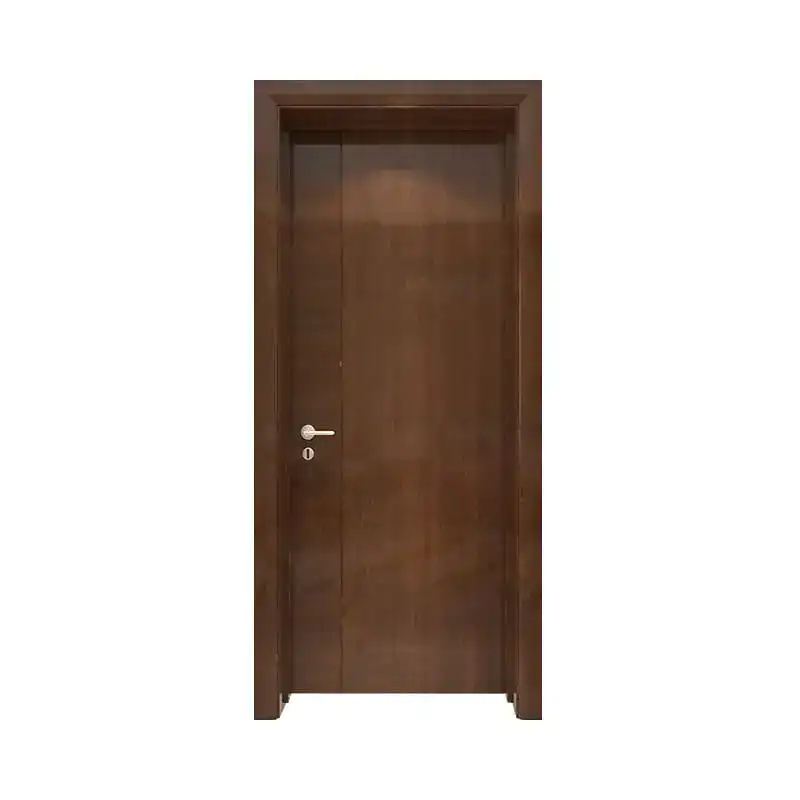
Warm Walnut Natural Veneer Door
The appearance of a natural veneer door depends heavily on the quality of its manufacturing process. Selecting attractive veneer is only the beginning. The final product also requires controlled substrate preparation, accurate bonding, careful machining, consistent finishing, and detailed inspection. DEIF’s manufacturing capabilities are structured to support these requirements across customized residential and commercial orders.
Founded in 1999, Suzhou Dicosbo Wood Co., Ltd. has developed extensive experience in wood flooring, wooden doors, and custom cabinet solutions. The company operates production facilities covering approximately 20,000 square meters and has more than ten years of export experience. Its annual production capacity includes approximately 2,400,000 square meters of flooring and 5,000 sets of doors.
The manufacturing system uses German imported production lines together with automated quality control systems. This equipment supports repeatable processing, stable dimensional accuracy, and improved consistency across production batches. For projects involving multiple door sizes or large quantities, process repeatability is particularly important because small variations can become visible when products are installed side by side.
Natural veneer requires careful handling because each sheet contains an individual grain pattern and may vary in color. Veneer preparation includes selection, alignment, cutting, matching, and positioning. The aim is to present the natural character of the wood while achieving a visually balanced result on the finished door.
Depending on the design direction, veneer may be arranged to emphasize vertical movement, horizontal continuity, or a more distinctive pattern. Consistent orientation can help doors align with adjacent wall systems and cabinetry. For custom projects, veneer tone and finish can be coordinated with other wood elements throughout the interior.
The surface substrate must be flat, clean, and properly prepared before veneer application. Unevenness or contamination can affect bonding quality and may become visible through the finished surface. Computer-controlled and precision-guided processing helps improve panel consistency before the veneer is applied.
Accurate panel preparation also supports the later machining of hinges, locks, handles, and edge treatments. This is particularly important for doors that will be paired with customized frames or project-specific hardware.
The Warm Walnut Natural Veneer Door can be specified with different finishing approaches, including open-pore and closed-pore finishes. An open-pore finish allows more of the natural texture to remain visually and tactually apparent. It is suitable for designs that emphasize an organic, handcrafted, or natural material effect.
A closed-pore finish provides a smoother and more uniform appearance. It may be appropriate for contemporary interiors where the door needs to coordinate with smooth painted walls, refined metal details, or minimalist furniture. Color customization is also available, allowing the walnut appearance to be adjusted to the overall palette of the project.
Professional finishing must balance visual quality with everyday practicality. The surface should be attractive but also sufficiently durable for routine interior use. Consistent application helps reduce differences in gloss, color, and texture between individual doors.
DEIF applies a three-step quality inspection process intended to identify issues before products are shipped. While the exact inspection checkpoints may vary according to the order, a structured inspection system typically reviews materials, production quality, and finished-product performance.
Material inspection verifies that the selected veneer, base board, core structure, and accessories correspond with the approved requirements. Process inspection focuses on dimensions, bonding, edge treatment, machining, and surface finishing. Final inspection reviews the completed door set, including appearance, hardware preparation, packaging condition, and order conformity.
This multi-stage approach is more reliable than relying only on a final visual check. Early identification of material or process deviations can reduce rework, protect delivery schedules, and improve consistency across large orders.
Interior projects rarely use only one standard door size. Renovation projects may involve irregular openings, historic buildings may contain non-standard dimensions, and high-end developments may require oversized doors to create a stronger architectural statement. The Warm Walnut Natural Veneer Door supports customized sizes and configurations for these conditions.
The standard slab size is listed as 2100 by 900 by 45 millimeters, while customized dimensions are available. Extra-wide and extra-high doorways can be considered through project consultation. Irregular shapes and special opening conditions may also be reviewed according to technical feasibility and production requirements.
Customization is not limited to panel dimensions. Projects can also specify wall thickness ranges, frames, edge banding, colors, core structures, acoustic performance, fire-rating requirements, opening directions, and pre-drilled hardware locations.
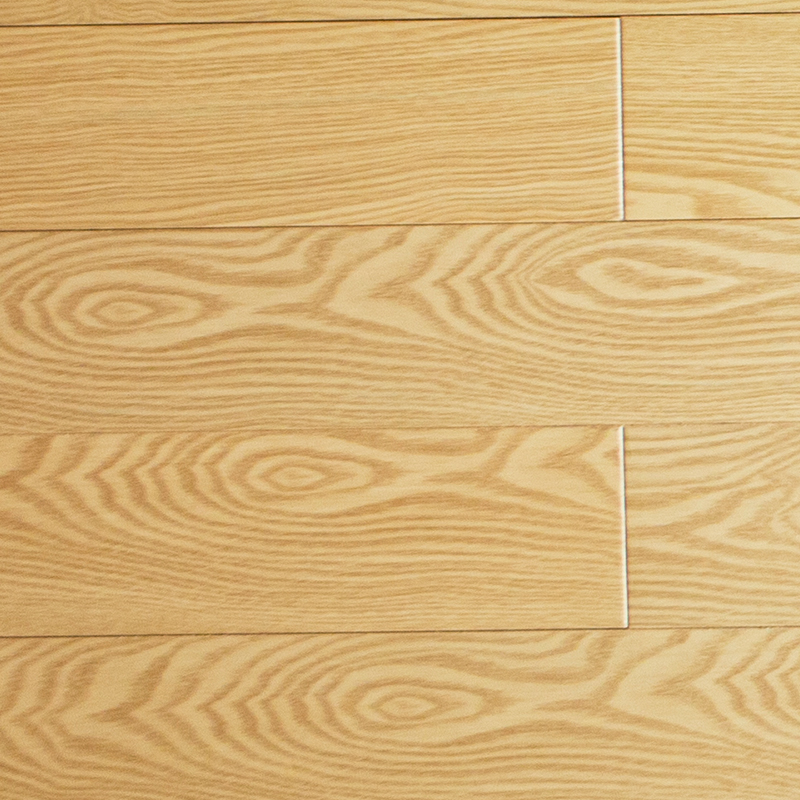
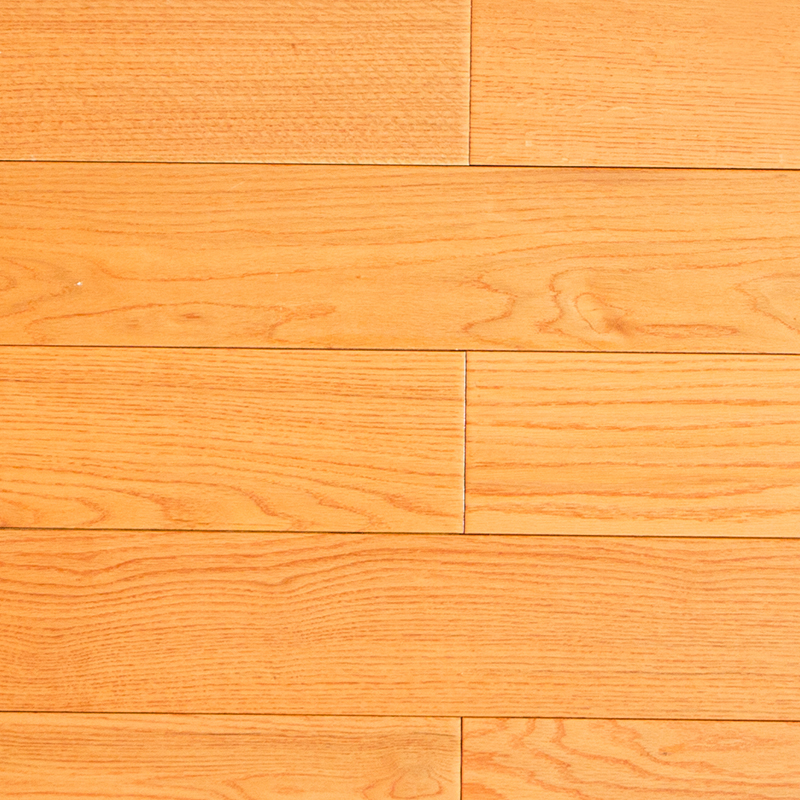
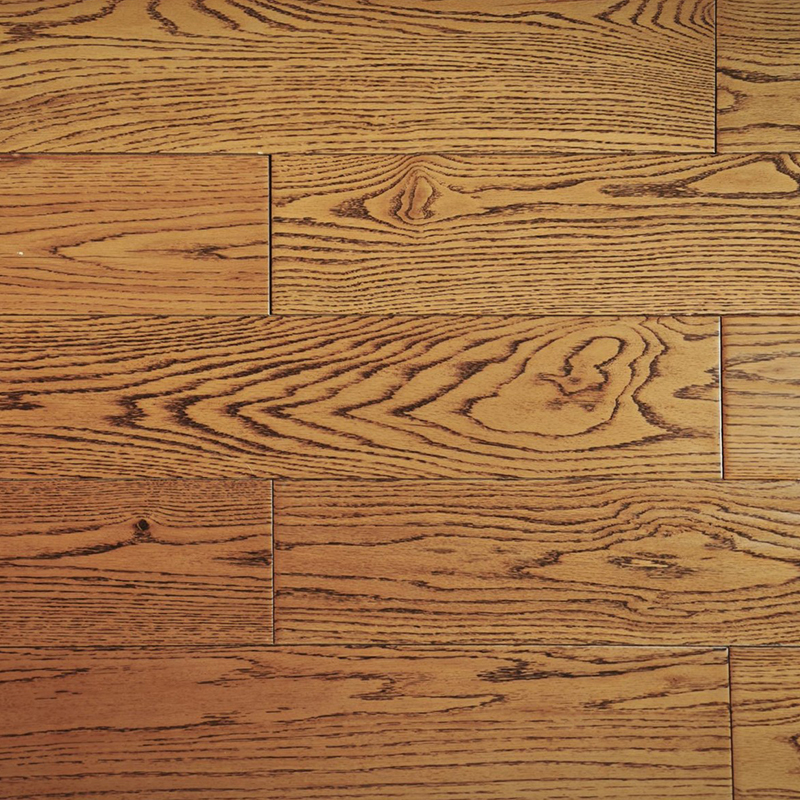
Although the featured product is presented in warm walnut, the available wood species and surface options include Red Oak, Black Walnut, and White Ash. This gives designers a broader palette for coordinated interiors or different project areas.
Color customization allows the door to match a specific design sample, flooring tone, cabinet finish, or furniture scheme. Since natural wood responds differently to stains and coatings, color approval should be based on physical samples where possible. Sample review is especially important for projects requiring close coordination among doors, flooring, wall panels, and custom cabinetry.
Frames may be produced using MDF or plywood, depending on the project’s structural and finishing requirements. The delivery form is a knock-down frame plus slab, which can provide logistical advantages during transportation and site handling. Knock-down components may be easier to package, move through restricted access routes, and assemble during installation.
PUR edge banding and laser edge banding are available. These edge treatments can improve the visual continuity and durability of the door perimeter. Edge selection should consider the intended finish, impact exposure, design expectations, and installation conditions.
The door can be configured for left-hand or right-hand operation, as well as inward or outward opening, subject to the approved project schedule. Clear coordination of opening direction is essential for circulation planning, furniture placement, accessibility, and compliance with project requirements.
Hinge and lock holes can be pre-drilled before shipment. Accurate pre-drilling can reduce on-site measuring, marking, and machining. The stated preparation may improve installation efficiency by approximately 50% when the hardware schedule, door dimensions, and site conditions are properly coordinated in advance.
Pre-drilling is particularly useful for hotel rooms, apartment developments, office fit-outs, and other projects with repeated door types. It can reduce installation variability and help contractors maintain a consistent quality level across many units.
The Warm Walnut Natural Veneer Door competes in a market that includes solid wood doors, decorative laminate doors, painted engineered doors, and lower-cost hollow-core products. Each category has a role, but the natural veneer construction offers a balanced combination of appearance, customization, structural control, and project value.
Pure solid wood doors provide authentic material character, but they can be more sensitive to moisture changes and may require careful control of timber selection, drying, and construction. Large solid wood components can also be heavier and more expensive, particularly when oversized dimensions or premium species are required.
The natural veneer door retains a genuine wood surface while using an engineered construction to improve dimensional control. This can reduce the risk of movement-related issues and make the product easier to adapt to different sizes and performance requirements. It may also provide a more controllable project cost than a full solid wood door with similar visual quality.
Printed wood-grain surfaces can provide uniform color and low initial cost, but they generally cannot reproduce the depth, variation, and tactile authenticity of real veneer. Repetitive patterns may become noticeable across a large installation, especially in high-visibility areas.
Natural veneer offers a more premium visual impression and can contribute to the material richness of a finished interior. Its authentic grain is particularly valuable in hospitality, luxury residential, and high-end commercial projects where users interact closely with the door surface.
Basic hollow-core doors may be lightweight and economical, but they often provide fewer options for customization, acoustic enhancement, hardware preparation, and premium finishing. They may not meet the design expectations of high-end developments or commercial interiors that require a stronger sense of permanence.
The featured door provides a wider range of core structures, surface finishes, dimensions, frames, and hardware options. Its standard acoustic performance is listed at approximately Rw 28–32 dB, with customizable performance available for projects with specific requirements. The final result depends on the complete door assembly, frame, seals, hardware, and installation quality.
Cost-effectiveness should not be measured only by the purchase price. A door that requires repeated site adjustment, replacement, or finishing correction may create additional labor and schedule costs. A door that does not match the approved appearance may also affect the perceived quality of the entire interior.
The Warm Walnut Natural Veneer Door is intended to provide a premium visual effect comparable to the appearance of high-quality solid wood while maintaining a more controllable project budget. Custom production, pre-drilled hardware holes, coordinated frames, and repeatable manufacturing can help reduce installation complexity and improve overall project value.
Environmental responsibility is increasingly important in interior construction. Designers, developers, and building owners want wood products that combine attractive design with responsible sourcing and compliance documentation. The product information identifies FSC and CE certification, while the company also states compliance with CARB P2 and ISO 9001 standards across its product and quality systems.
FSC certification relates to responsible forest management and supply-chain control. When properly documented for the relevant product order, it can help project teams demonstrate that wood materials have been sourced through a recognized responsible forestry system. This is valuable for projects pursuing sustainability targets, green building assessments, or environmentally focused procurement policies.
CE compliance indicates conformity with applicable European product and safety requirements where relevant to the product and market. For export projects, documentation and testing should be reviewed according to the destination country, product configuration, and applicable regulations.
The product specification includes optional E0 and E1 environmental grades. These classifications relate to formaldehyde emission performance for wood-based panels. The selected grade should be confirmed in the technical documentation and purchase order, particularly when the project has strict indoor air quality requirements.
Responsible manufacturing also involves reducing waste, maintaining stable quality, and selecting materials efficiently. The ability to customize dimensions and structures can help avoid unnecessary oversizing or unsuitable substitutions. Automated production and inspection systems can further support material consistency and production control.
Architects and contractors should request the applicable certification documents, test reports, material declarations, and production information during the specification process. Documentation should correspond to the actual product configuration, including the veneer species, substrate, core, finish, adhesives, and frame components.
Environmental performance is a system issue rather than a single label. Responsible sourcing, low-emission substrates, durable construction, repairability, packaging management, and long service life all contribute to a more sustainable product decision.
The product’s warm color and adaptable configuration make it suitable for numerous interior environments. Its design can be used as a quiet background element or as part of a coordinated wood package that includes flooring, wall panels, built-in cabinets, and furniture.
In homes, the door can be used for bedrooms, studies, dressing rooms, living areas, utility spaces, and private suites. The warm walnut finish can make corridors feel less plain and help connect individual rooms with a consistent material language.
For apartments and villas, customized dimensions can support different floor plans and ceiling heights. The choice of open-pore or closed-pore finishing allows the door to coordinate with either natural, textured interiors or smoother contemporary schemes.
Hotel guest rooms and suites require doors that support a strong first impression while withstanding repeated use. Natural veneer can contribute to a sense of comfort and quality in guestroom corridors, bedroom entrances, suites, and executive areas.
Pre-drilled hardware holes and repeatable production are useful for hospitality projects with many similar room layouts. Acoustic customization may also be considered where privacy and room-to-corridor sound control are important. The performance of the complete door assembly should be verified through the project’s required testing method.
In offices, the door can be used for meeting rooms, executive offices, private workspaces, reception areas, and amenity zones. Its warm wood surface can soften glass partitions, metal frames, and other technical workplace elements.
Commercial interiors often require a balance between visual identity and maintenance practicality. A properly selected finish can provide a refined appearance without creating excessive maintenance demands. Door hardware and opening direction can be coordinated with circulation patterns and accessibility planning.
High-visibility areas benefit from materials that communicate quality at close range. The genuine walnut veneer offers a tactile and visual experience that can strengthen the design of clubs, reception areas, showrooms, sales centers, and premium retail environments.
In these applications, doors may be used as part of a broader feature wall or architectural composition. Matching veneer direction, color, and finishing across doors and adjacent panels can create a seamless, custom-designed effect.
The following table summarizes the principal product options and standard information. Final specifications should be confirmed according to the approved quotation, drawings, samples, hardware schedule, and project requirements.
| Specification | Available or Standard Information |
|---|---|
| Product type | Warm walnut natural veneer interior door |
| Wood species or surface material | Customizable: Red Oak, Black Walnut, White Ash, and other approved options |
| Base board | MDF, HDF, or plywood available |
| Core structure | Honeycomb paper, solid wood, or plywood available |
| Surface finish | Primed or painted finished; open-pore and closed-pore options subject to approval |
| Color | Customized colors available |
| Standard slab size | 2100 × 900 × 45 millimeters |
| Custom sizes | Available for non-standard widths, heights, and project conditions |
| Wall thickness range | 100–300 millimeters, customizable |
| Edge banding | PUR or laser edge banding available |
| Frame material | MDF or plywood available |
| Fire rating | Not applicable as standard; customizable subject to requirements |
| Acoustic performance | Approximately Rw 28–32 dB; customizable |
| Environmental grade | E0 and E1 grades optional |
| Moisture content | 8%–10%, approximately plus or minus 2% |
| Delivery form | Knock-down frame plus door slab |
| Opening direction | Left or right; inward or outward customization available |
| Pre-drilling | Hinge and lock holes can be pre-drilled |
| Approximate weight | 45 kilograms per set, including door panels and frames |
| Packaging | PE film, foam, and carton |
| Sets per pallet | Approximately 25 sets |
The approximate weight of 45 kilograms per set includes the door panels and frames. Actual weight may vary according to dimensions, core structure, frame configuration, hardware, and surface treatment. Packaging uses PE film, foam, and carton protection to help reduce handling and transportation damage.
Good installation results begin before the product reaches the site. Door opening dimensions, wall thickness, floor finish levels, hardware types, swing directions, and frame details should be coordinated during the technical approval stage. Clear documentation reduces the risk of mismatched components and site modifications.
The knock-down frame and slab delivery format can support more efficient logistics, especially where site access is restricted. Components can be moved through elevators, corridors, and stairways more easily than fully assembled units in some project conditions. Contractors should still protect all components from impact, moisture, dust, and uncontrolled storage environments.
Pre-drilled hinge and lock positions can reduce installation time, but the holes must correspond exactly with the approved hardware. Hardware schedules should therefore be finalized before production. Any changes made after drilling may require additional machining or replacement components.
The wall opening should first be checked for dimensions, plumb, level, and structural readiness. The floor finish and finished floor height should be confirmed because they influence the clearance below the door slab. The frame can then be assembled, positioned, aligned, and securely fixed according to the approved installation method.
After the frame is stable, the slab should be hung on the prepared hinges and checked for swing, clearance, and alignment. Lock bodies, handles, seals, closers, and other hardware should be installed and tested. Final adjustments should be completed before protective packaging is removed from all finished surfaces.
Installation teams should avoid dragging the door slab across rough floors or placing it directly against damp surfaces. Natural veneer can be damaged by sharp tools, metal edges, excessive pressure, and unsuitable cleaning products. Clean gloves and padded supports are recommended during handling.
Natural veneer is durable when properly maintained, but it should be treated as a real wood surface rather than as an indestructible synthetic material. Regular care helps preserve the color, texture, and finish of the door over time.
Clean the surface regularly with a soft, dry cloth. If additional cleaning is necessary, use a lightly dampened cloth and remove excess moisture immediately. Avoid soaking the surface or allowing water to remain around the edges, joints, hardware cutouts, or bottom rail.
Sharp objects should be kept away from the door because they may scratch or cut the veneer. Furniture, carts, equipment, and cleaning tools should not be pushed directly against the door surface. In busy commercial environments, protective planning may be needed around high-contact areas.
Do not use strong acidic or alkaline cleaning agents. Abrasive powders, rough scouring pads, solvent-based products, and unapproved waxes may alter the finish or create visible marks. Cleaning products should be tested in an inconspicuous area if their compatibility is uncertain.
Excessive moisture and prolonged exposure to humid conditions should be avoided. Bathrooms, kitchens, coastal properties, and poorly ventilated areas may require additional planning. Stable indoor temperature and humidity help minimize natural wood movement and support the long-term condition of the veneer.
Hardware should be inspected periodically. Hinges, locks, handles, closers, and seals should operate smoothly and remain securely fixed. Loose hardware can place additional stress on the door and frame. Early adjustment can prevent more extensive repair requirements.
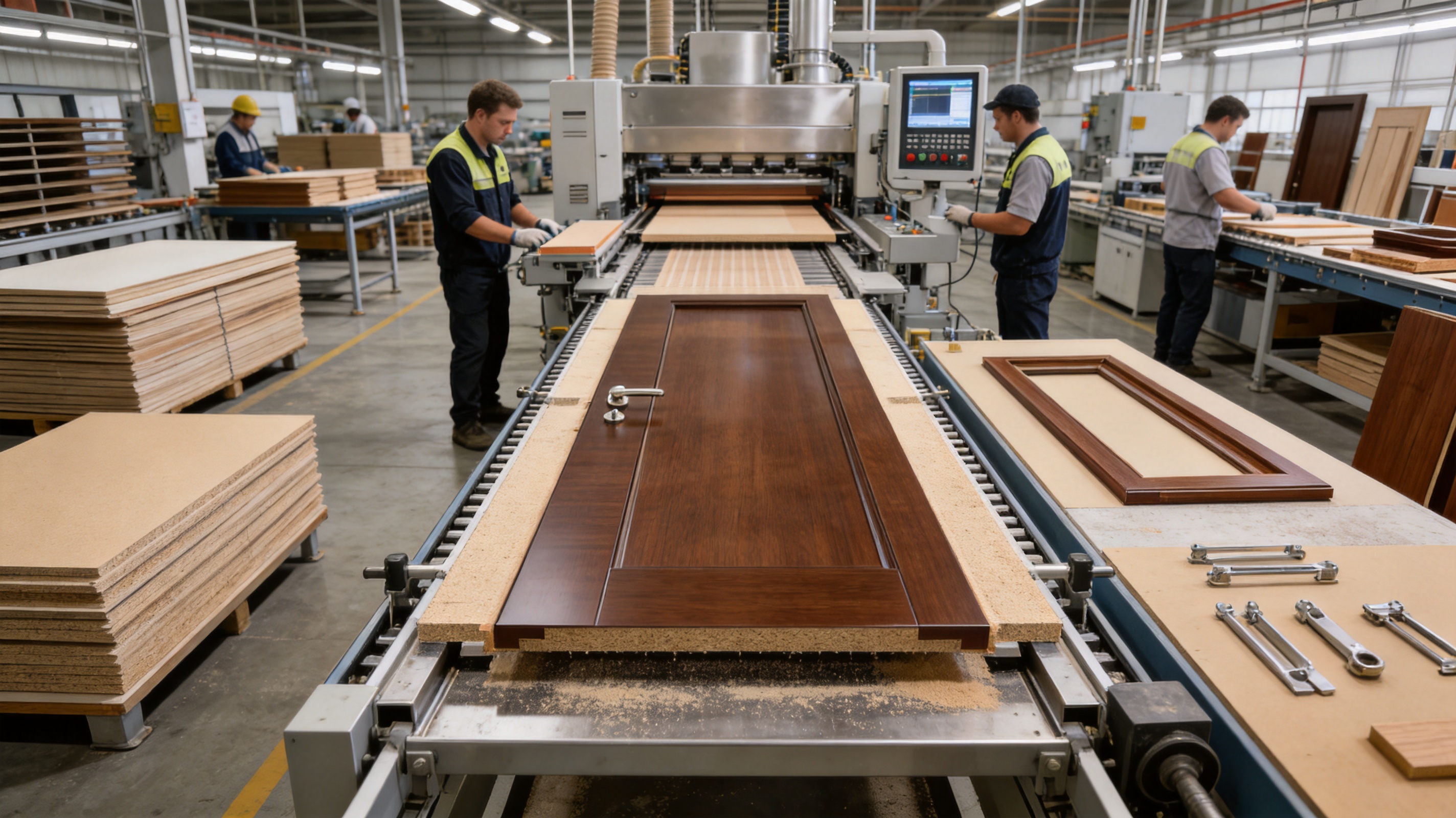
A successful door supplier must provide more than an attractive product image. International projects require reliable communication, technical coordination, manufacturing capacity, quality control, packaging, and export experience. DEIF combines these capabilities with a product portfolio covering wood flooring, wooden doors, and custom cabinet solutions.
The company has served global partners across Europe, North America, and Southeast Asia. Its more than ten years of export experience supports familiarity with international project expectations, documentation requirements, packaging considerations, and customized production schedules.
OEM and ODM customization enables clients to develop products according to their own design language, market requirements, or project specifications. This is important for distributors and contractors that need products under a private label, as well as for architects who require a specific appearance or construction detail.
The company states that it can provide rapid prototyping within 72 hours for suitable development requirements. Fast prototyping can help project teams review material, color, proportion, and design direction before committing to larger production quantities. Prototype timing should be confirmed according to the complexity of the requested sample and the availability of approved materials.
Annual capacity of approximately 5,000 door sets provides a production foundation for both customized orders and repeat project supply. The additional flooring capacity is also valuable for clients seeking coordinated wood solutions from a single manufacturing partner. Doors, flooring, and cabinetry can be developed with complementary species, colors, and finishes to create a more unified interior package.
Experience across flooring, doors, and cabinetry gives the manufacturer a broader understanding of how wood products interact within an interior. Flooring requires attention to wear, dimensional stability, and installation conditions. Doors require precise machining, hardware coordination, and frame integration. Cabinets require accurate component processing and surface consistency.
This integrated knowledge can support better coordination when a project includes several wood elements. Instead of treating each item as an independent purchase, designers and contractors can develop a coherent material strategy covering color, grain direction, finish level, edge details, and maintenance expectations.
The featured door uses a natural walnut veneer surface. Natural veneer is real wood sliced from selected logs and applied to an engineered door substrate. The surface preserves authentic wood grain and natural variation, while the internal construction may use MDF, HDF, plywood, honeycomb paper, or solid wood according to the approved specification.
Natural veneer is produced from real timber and therefore displays genuine grain structure, tonal variation, and tactile character. Printed finishes reproduce a wood appearance through an image or decorative pattern. Natural veneer generally provides a more authentic and premium visual experience, particularly in high-end residential and commercial interiors.
Yes. Customized dimensions are available, including options for extra-wide, extra-high, and certain irregular openings. The final size should be reviewed against the selected core, frame, hardware, transportation conditions, and project installation requirements.
Yes. Customized colors are available. The final color should be approved using a physical sample whenever possible because natural veneer can respond differently to stains and finishes depending on grain, species, and surface preparation.
The available options include honeycomb paper, solid wood, and plywood. The appropriate core depends on the required weight, strength, acoustic performance, hardware support, door size, budget, and installation conditions.
Yes. The stated delivery form is a knock-down frame plus slab. Frame materials include MDF and plywood options. The frame configuration should be coordinated with wall thickness, architraves, hardware, opening direction, and finished floor levels.
Yes. Hinge and lock holes can be pre-drilled. To ensure accuracy, the hardware model, position, handing, and installation details should be finalized before production begins.
The listed acoustic performance is approximately Rw 28–32 dB, with customization available. Actual acoustic performance depends on the complete system, including the slab, frame, seals, hardware, wall construction, and installation quality.
Yes. The door is suitable for hotel guest rooms, suites, office spaces, clubs, reception areas, showrooms, and other commercial environments. Its natural veneer appearance, customization options, repeatable production, and pre-drilling service support project-based applications.
The product information identifies FSC and CE certification, while the company also states compliance with CARB P2 and ISO 9001 standards. Specific documents should be requested and verified for the exact product configuration and destination market. E0 and E1 environmental grades are available as options for relevant wood-based components.
Use a soft, dry cloth for regular cleaning. If necessary, use a slightly damp cloth and remove moisture promptly. Avoid abrasive materials, strong acidic or alkaline cleaners, excessive water, sharp objects, and unapproved chemical products.
Store the door in a clean, dry, ventilated indoor area away from direct moisture, standing water, excessive heat, and prolonged sunlight. Keep the components flat or securely supported according to the supplier’s handling instructions, and avoid placing heavy objects on the finished surfaces.
It can provide a premium solid-wood-like visual effect at a more controllable project cost because the surface uses natural veneer while the internal structure is engineered for stability and efficient production. The final cost depends on species, dimensions, core, finish, hardware, frame, quantity, packaging, and shipping requirements.
Yes. The manufacturer specializes in wood flooring, wooden doors, and custom cabinets. Door veneer, flooring tone, cabinet finish, and other wood elements can be coordinated through sample approval and project-specific material planning.
When specifying the Warm Walnut Natural Veneer Door, project teams should identify the required species, veneer direction, finish type, color reference, core structure, slab size, frame material, wall thickness, opening direction, hardware, acoustic target, fire requirements, environmental grade, and delivery format.
Drawings should clearly indicate door handing, swing direction, frame profile, architrave details, floor clearance, hardware positions, and the relationship to adjacent wall finishes. A coordinated door schedule is recommended for projects with multiple types, sizes, or performance levels.
Sample approval should cover more than color alone. Teams should also review grain direction, veneer matching, edge appearance, pore visibility, gloss level, corner details, and the relationship between the slab and frame. A physical mock-up may be valuable for high-visibility areas or large developments.
Performance requirements should be established at the complete assembly level. If fire resistance, acoustic control, impact resistance, or special durability is required, the slab, frame, seals, hardware, wall, and installation method must be considered together. Custom performance should be confirmed through the appropriate technical documentation or testing.
The Warm Walnut Natural Veneer Door offers a balanced solution for projects seeking authentic wood character, reliable construction, flexible customization, and controlled project value. Its natural walnut surface creates a warm and elegant visual impression, while its engineered core options help improve stability and reduce common problems associated with conventional solid wood construction.
The product is strengthened by precise manufacturing capabilities, German imported production lines, automated quality control, structured inspection procedures, pre-drilled hardware services, and extensive experience in international wood product supply. These advantages make it suitable for residential interiors, apartments, villas, hotels, offices, clubs, showrooms, and premium commercial fit-outs.
Its ability to support non-standard sizes, customized colors, multiple wood species, different core structures, tailored acoustic performance, flexible frames, and varied opening directions allows it to respond to real project conditions rather than forcing every application into one standard format.
For designers, contractors, developers, and distributors, the product provides more than a decorative door surface. It represents a coordinated interior component that can contribute to material quality, installation efficiency, long-term usability, and a refined architectural identity. With appropriate specification, storage, installation, and maintenance, the Warm Walnut Natural Veneer Door can deliver enduring natural beauty and dependable performance across a wide range of interior projects.
1. Product technical information for the Warm Walnut Natural Veneer Door, including material options, dimensions, core structures, finishes, hardware preparation, packaging, and performance data.
2. FSC principles and guidance concerning responsible forest management and wood-product supply chains.
3. European conformity and product safety guidance applicable to interior building products and related components.
4. General technical guidance for MDF, HDF, plywood, natural wood veneer, and engineered wood composite construction.
5. Interior door installation and maintenance practices for wood-based door slabs, frames, hardware, and finished surfaces.
6. General guidance on acoustic door assemblies, sound reduction ratings, seals, frames, and installation quality.
7. Company information regarding manufacturing facilities, export experience, OEM and ODM services, production capacity, quality inspection, and international product compliance.

We provide customers with sustainable and eco-friendly
engineered wood solutions and services.
Choose DEIF for the perfect blend of
performance and aesthetics.
