


 English
 Español
 عربى
عربى

Get Social
Choose DEIF for the perfect blend of
performance and aesthetics.
 Get Free Sample

Content
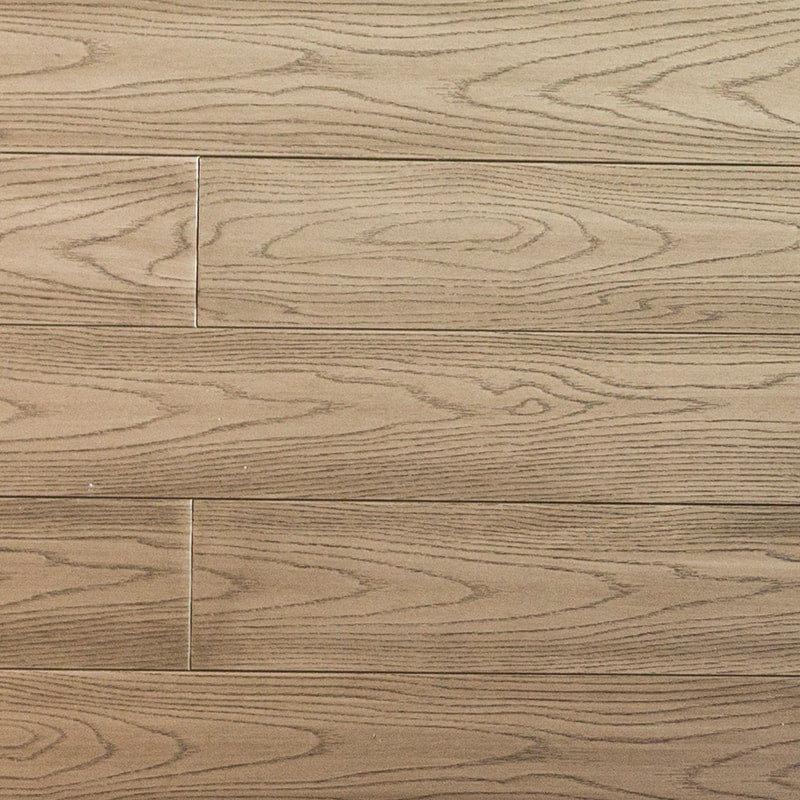
Engineered wood flooring has become a preferred interior surface for designers, contractors, developers, distributors, and homeowners who want the warmth of real wood with improved dimensional stability and efficient installation. The 3-Layer Oak Dark Grey Wire-Brushed Click Engineered Wood Flooring is designed for projects that require a premium visual effect, dependable construction, and flexible customization. With a genuine oak veneer surface, a stable three-layer fir or pine core, a textured wire-brushed finish, and a click-lock profile, this flooring brings together natural beauty and modern manufacturing performance.
This product is particularly suited to industrial-style interiors, modern luxury homes, boutique retail environments, cafes, restaurants, offices, hospitality areas, and commercial spaces where a strong design identity is needed. Its dark grey tone creates an elegant and contemporary mood, while the wire-brushed surface highlights the natural grain of oak. The result is a floor that feels authentic, visually deep, and practical for everyday use.
Unlike conventional solid wood flooring, three-layer engineered wood flooring is built to reduce the risk of warping, cracking, and seasonal movement. Its layered structure helps balance the tension of natural wood, making it more stable in changing indoor environments. Compared with many low-cost laminated or synthetic alternatives, this product provides the real texture and character of natural wood veneer while still offering project-friendly installation and maintenance advantages.
Suzhou Dicosbo Wood Co., Ltd., operating under the DEIF wood solutions manufacturing system, supports this product with more than 20 years of wood manufacturing experience, large-scale production capacity, OEM and ODM customization, advanced German imported production lines, automated quality control systems, and international compliance standards such as CE, FSC, CARB P2, and ISO 9001. For distributors, contractors, architects, and project buyers, the product is not only a decorative surface but also a reliable flooring solution supported by a mature manufacturer.
3-Layer Oka Dark Grey Wire-brushed Click Engineered Wood Flooring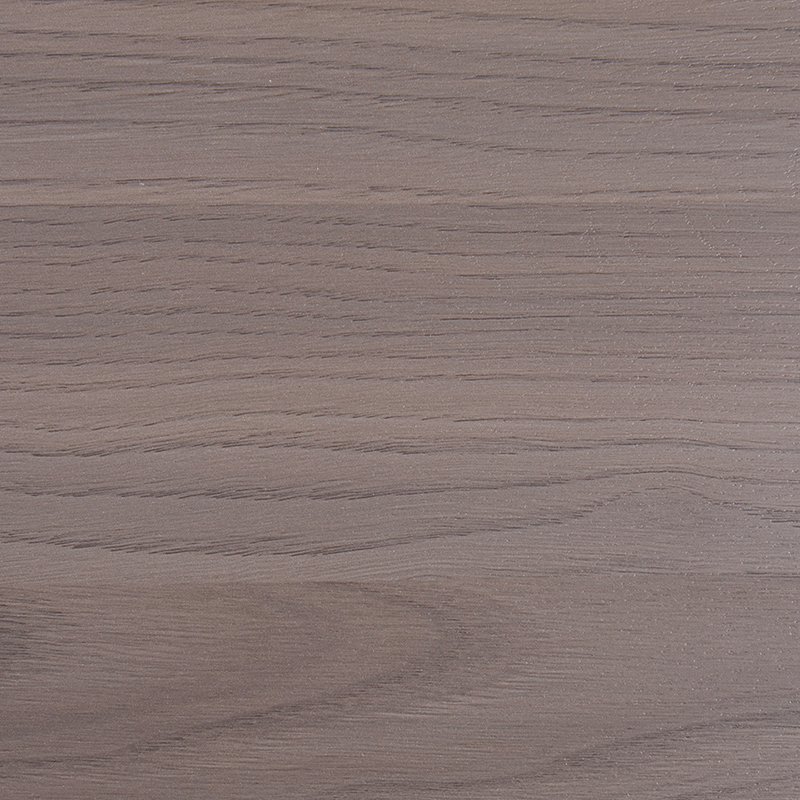
The 3-Layer Oak Dark Grey Wire-Brushed Click Engineered Wood Flooring is part of a three-layer engineered flooring collection. Its standard listed dimension is 48.0 inches by 7.7 inches by 5/8 inch, and it is packaged with 10 pieces per carton, covering approximately 2.03 square meters or 21.85 square feet per carton. Each carton weighs about 24 kilograms. The flooring can be installed by floating, glue-down, or staple methods, depending on project requirements and subfloor conditions.
The face veneer is customizable and can be produced in oak, walnut, ash, or teak, although the featured product uses oak for its surface. Oak is widely valued in flooring because of its hard-wearing nature, visible grain, timeless appeal, and ability to accept stains and finishes with excellent depth. In this product, the oak veneer is finished in a dark grey tone that is especially compatible with modern architecture, industrial interiors, and high-end minimalist spaces.
The veneer thickness is customizable, with available options such as 2 mm, 3 mm, 4 mm, and 6 mm. This flexibility allows the product to meet different market expectations, price positions, and technical requirements. For higher-end projects, a thicker veneer may be preferred because it provides greater long-term value and can support future refinishing under suitable conditions. For cost-sensitive commercial projects, a thinner veneer can still deliver genuine wood appearance while keeping the overall budget under control.
The core construction uses three-layer engineered wood, supported by spruce or pine core layers. This structure improves stability compared with many solid wood options because the different layers help counteract movement caused by humidity or temperature changes. The profile includes micro-bevels on all four sides, giving each plank a defined outline while maintaining a refined surface appearance. The click system allows faster and cleaner installation, especially in floating floor applications.
| Product Type | 3-Layer Engineered Wood Flooring |
| Featured Surface | Oak Veneer |
| Color Style | Dark Grey |
| Surface Texture | Wire Brushed, Customizable |
| Standard Dimension | 48.0 inches × 7.7 inches × 5/8 inch |
| Face Veneer Options | Oak, Walnut, Ash, Teak |
| Veneer Thickness Options | 2 mm, 3 mm, 4 mm, 6 mm |
| Core Construction | 3-Layer Engineered Wood |
| Core Layer | Spruce or Pine |
| Veneer Grade Options | AB, ABC, ABCD, CD |
| Finish Options | UV Lacquer, UV Oil, Hardwax Oil |
| Profile Detail | Micro-Bevel on Four Sides |
| Locking System | Click System |
| Installation Methods | Floating, Glue-Down, Staple |
| Pieces per Carton | 10 |
| Coverage per Carton | 2.03 Square Meters / 21.85 Square Feet |
| Certifications and Standards | CE, FSC, CARB P2, ISO 9001 Supported by Manufacturer |
Color plays a major role in the identity of a floor. Natural oak is often associated with warm honey tones, beige shades, or golden brown finishes. This dark grey version takes oak in a more architectural direction. The grey tone creates a cooler, more restrained visual language, making it suitable for spaces that combine metal, stone, glass, concrete, leather, black fixtures, and modern furniture.
Dark grey flooring can help create contrast in bright interiors and depth in large open spaces. In residential design, it works well in modern living rooms, loft apartments, study rooms, bedrooms, kitchens, and open-plan interiors. In commercial design, it can strengthen a brand atmosphere in cafes, fashion boutiques, restaurants, design studios, hotels, showrooms, and offices. The color is refined enough for luxury interiors but bold enough for industrial and urban concepts.
One of the advantages of using oak as the surface material is that the grain remains visible even under a dark stain. The wire-brushed process further enhances this effect by removing softer fibers from the surface and leaving the harder grain slightly raised. This creates texture, depth, and a tactile quality that printed surfaces or flat synthetic materials often cannot match. When light moves across the floor, the brushed grain catches subtle highlights and shadows, giving the surface a natural sense of movement.
Compared with smooth dark floors, a wire-brushed dark grey oak floor is usually more forgiving in real-life use. Minor dust, small marks, and daily wear are less visible on a textured surface than on a glossy, flat, dark surface. This makes the product especially practical for busy interiors where appearance must remain attractive between cleaning cycles.
The wire-brushed finish is one of the defining features of this engineered flooring. During production, the oak veneer surface is brushed with specialized equipment to expose and emphasize the natural grain. This technique gives the floor a lightly textured feel underfoot, making the surface more visually expressive than standard smooth sanding.
In design terms, wire brushing communicates authenticity. It shows that the surface is real wood, not a printed imitation. The grain is not only visible but also tactile. This matters to architects and designers who want materials to contribute to the sensory quality of an interior. Floors occupy a large visual area, and their texture can affect how a space feels. A wire-brushed floor creates warmth and character while maintaining a controlled, modern appearance.
In practical terms, wire brushing can help mask small scratches and signs of daily use. In a busy restaurant, retail shop, or family living area, floors experience foot traffic, moving furniture, and routine cleaning. A highly polished flat surface may show wear quickly, while a textured surface can integrate minor marks into the natural appearance of the wood. This does not eliminate the need for care, but it improves visual tolerance and long-term usability.
The product can also be customized with alternative surface textures, including handscraped or smooth sanded finishes. This makes it suitable for different markets. Wire brushed is ideal for contemporary and industrial themes. Handscraped may suit rustic, farmhouse, or heritage-inspired interiors. Smooth sanded is often selected for minimalist, refined, or formal spaces. This flexibility gives distributors and project buyers more room to match local design trends.
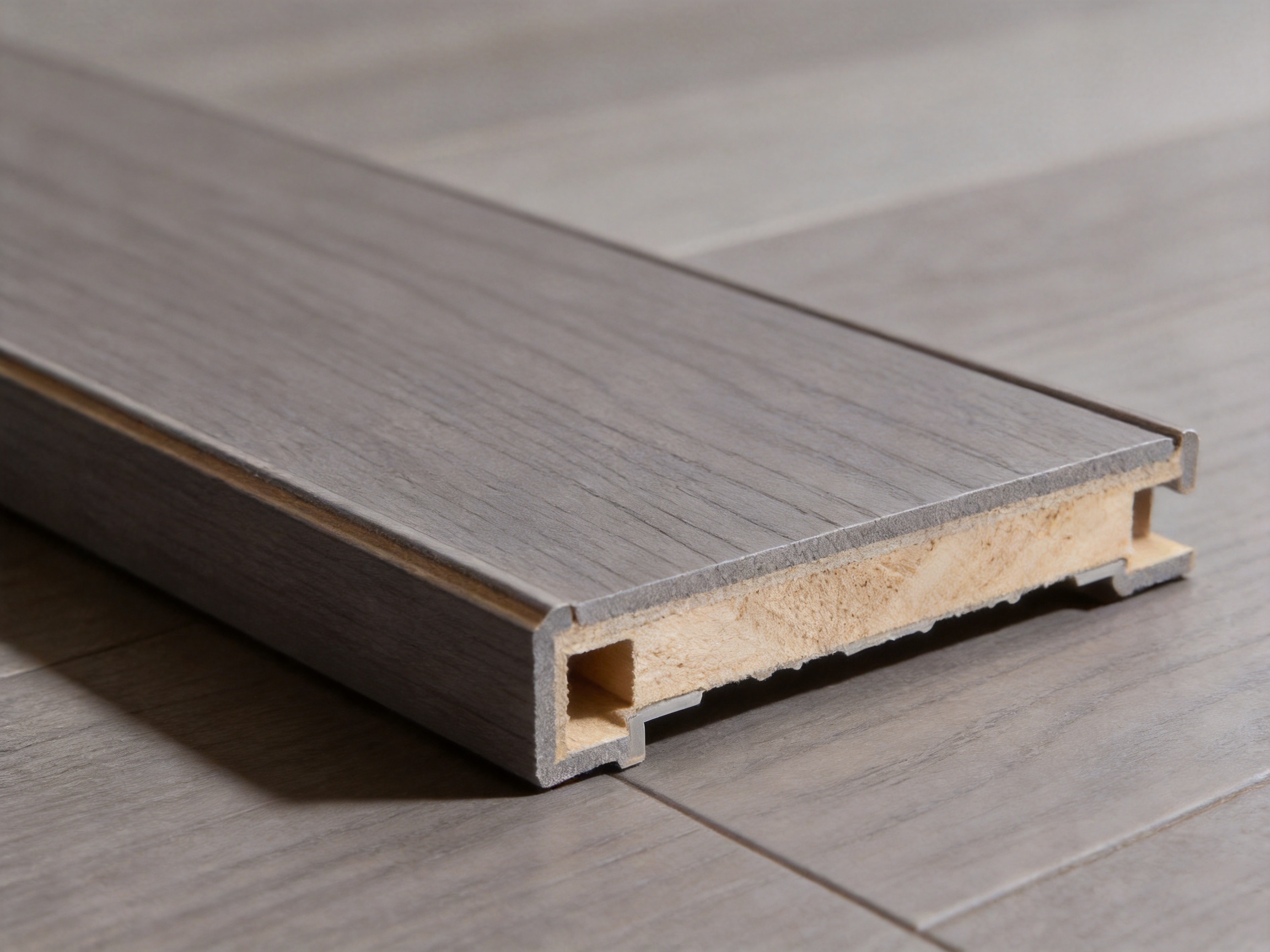
Solid wood flooring is beautiful, but it is naturally sensitive to changes in humidity and temperature. Wood expands and contracts as it absorbs or releases moisture. In wide planks, this movement can lead to cupping, gapping, cracking, or distortion if the environment is not carefully controlled. Engineered wood flooring was developed to address these challenges while preserving the surface beauty of real wood.
The three-layer structure of this product combines a natural wood veneer surface with a stable engineered core. The core uses spruce or pine, selected for suitable structural performance and workability. By arranging layers in a balanced configuration, the flooring reduces internal stress and improves dimensional stability. This is especially important for markets with seasonal climate changes or for interiors where heating and air-conditioning systems affect humidity levels.
Compared with low-grade engineered flooring that may use inconsistent cores, the three-layer construction used here is designed for strength, stability, and reliable installation. The product is resistant to deformation and cracking, making it a dependable choice for residential and commercial applications. For contractors, this stability reduces installation risks. For owners, it helps protect the appearance and usability of the floor over time.
Three-layer engineered wood also provides a more natural walking feel than many thin synthetic flooring products. The structure gives the plank substance, while the oak veneer surface provides authentic wood contact. This balance is important for premium interiors where customers expect more than a decorative image. They expect the floor to look, feel, and perform like a quality architectural material.
The click system is another major advantage of this flooring. Traditional wood flooring installation can require glue, nails, or complex fitting, increasing labor time and project cost. A click-lock profile is designed to connect planks securely with tight seams, allowing faster installation and a cleaner working process. The arc-shaped click-lock design supports alignment and helps create stable connections between boards.
For residential renovation, click installation reduces disruption. A floating installation can often be completed more quickly than traditional methods, depending on site conditions. This is valuable for homeowners who want to upgrade their interior without excessive downtime. For commercial projects, faster installation can help reduce closure time, labor cost, and scheduling pressure.
The product also supports glue-down and staple installation methods. This flexibility is important because not every project has the same requirements. Floating installation is efficient and suitable for many residential and light commercial environments. Glue-down installation may be preferred where a firmer acoustic feel is desired or where project specifications call for direct bonding to the subfloor. Staple installation may be suitable for specific wood subfloor conditions. By offering multiple installation options, the flooring can serve a broader range of projects.
Micro-bevels on all four sides contribute to the finished look and help define each plank. The bevel detail provides a subtle line between boards, emphasizing the natural plank format. It can also help visually manage minor height differences that may occur during installation or over time. This detail is particularly effective in dark grey flooring because it creates fine shadow lines that reinforce the architectural character of the floor.
The flooring is available with UV lacquer, UV oil, or hardwax oil surface finishes. The featured product uses a premium UV environmentally friendly lacquer coating designed to improve abrasion resistance and stain protection. A multi-layer UV coating system helps protect the wood surface from everyday wear, making the floor suitable for both homes and commercial interiors.
UV lacquer is often selected for projects that require a durable, easy-to-clean surface. It forms a protective film over the wood and can provide good resistance to stains and scratches. UV oil offers a more natural appearance and can enhance the wood grain with a softer, penetrating finish. Hardwax oil combines natural aesthetics with protective performance and is often preferred in design-focused projects that want a low-sheen, authentic feel.
The ability to customize surface finish is a significant competitive advantage. Different markets have different preferences. Some customers want a matte European-style oiled appearance, while others prefer the practical cleaning benefits of lacquer. Commercial buyers may require higher wear performance, while residential buyers may prioritize natural touch and visual warmth. With several finish options, the product can be adapted to the expectations of distributors, contractors, and designers.
The product information also refers to E0 formaldehyde standards for healthier indoor environments. Indoor air quality is an increasingly important topic in construction and renovation. Buyers are more aware of emissions, adhesives, coatings, and certification standards. A floor that supports low-emission requirements can be more competitive in residential developments, schools, hospitality projects, healthcare-related interiors, and green building programs.
This flooring has several advantages when compared with common alternatives in the market. Against solid wood flooring, it offers better dimensional stability and a reduced risk of warping or cracking. Solid wood remains desirable, but it can be more sensitive to climate and may require more strict site control. The engineered three-layer structure provides a more practical solution while preserving the real oak surface that buyers want.
Against laminate flooring, the main advantage is authenticity. Laminate products use printed decorative layers rather than real wood veneer. Although modern printing can be attractive, it cannot fully reproduce the tactile character, natural variation, and depth of real oak. This product provides an actual wood veneer surface, making it more suitable for premium projects where material quality matters.
Against vinyl flooring, this engineered wood floor offers a more natural, architectural value. Vinyl can be waterproof and economical, but it is still a synthetic floor. Many high-end homeowners, architects, and commercial brands prefer real wood because it communicates quality and permanence. The dark grey oak veneer gives the interior a premium identity that synthetic materials may struggle to match.
Against low-cost engineered flooring, this product stands out through customization, certified manufacturing support, controlled coating systems, and stable core construction. Some inexpensive engineered floors may use thin veneers, weak cores, inconsistent milling, or limited quality control. In contrast, this product is supported by a manufacturer with more than two decades of experience, automated quality control, a three-step inspection process, and global export knowledge.
Against many standard click floors, the combination of wire-brushed texture, customizable veneer thickness, multiple grade options, multiple finish options, and compliance support makes the product more flexible for project-based procurement. This matters for distributors who serve diverse customer groups and for contractors who need a supplier capable of meeting specific design, technical, and documentation requirements.
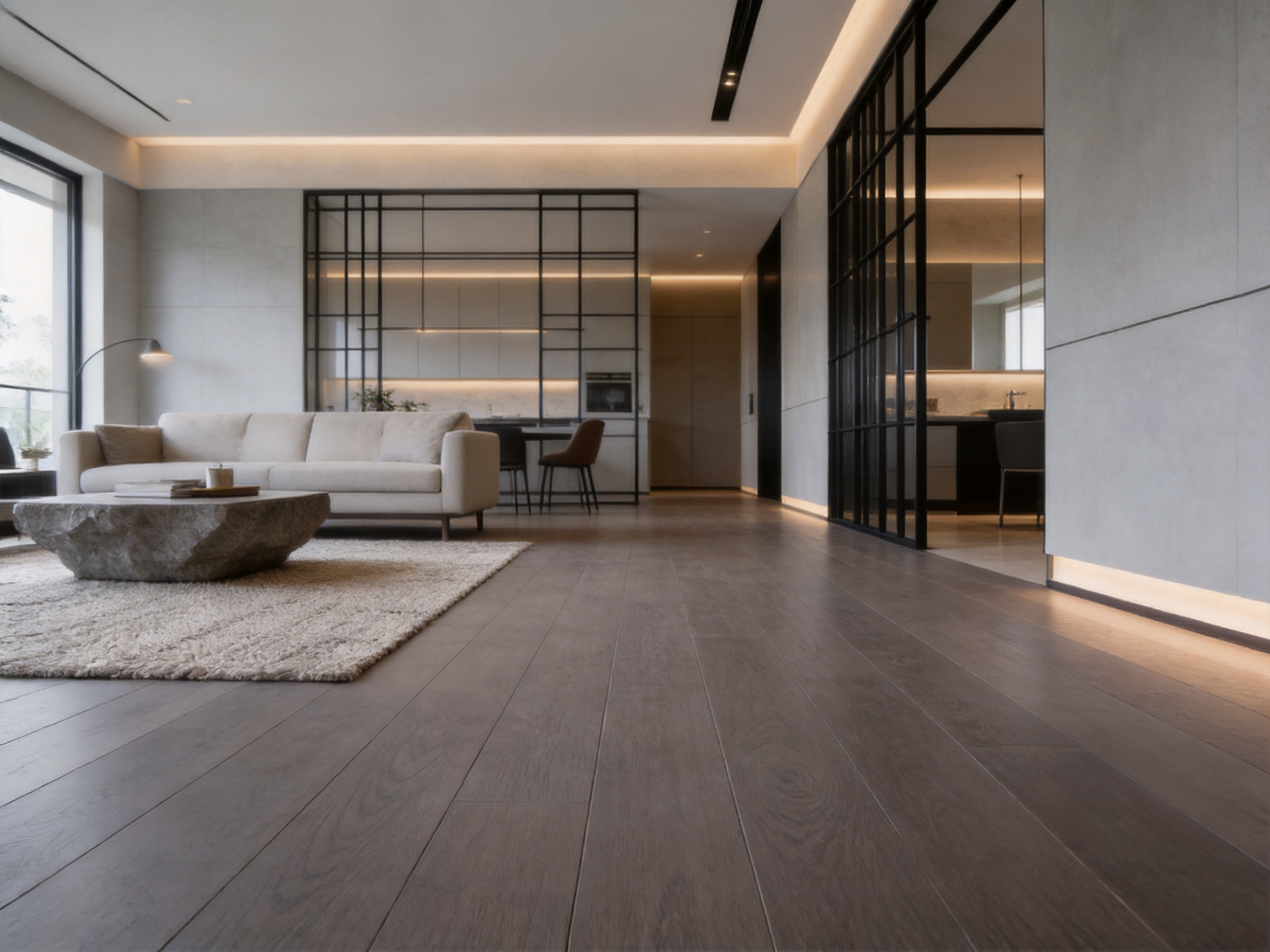
One of the most important strengths of this flooring is its customization capability. The product can be adapted in face veneer species, veneer thickness, veneer grade, surface finish, surface texture, dimensions, and colors. This allows it to serve different price segments, design styles, and project requirements without sacrificing the core benefits of engineered wood construction.
Face veneer options include oak, walnut, ash, and teak. Oak is a balanced choice with broad global appeal. Walnut offers darker luxury aesthetics. Ash can provide a cleaner, lighter grain. Teak is often associated with premium durability and rich color. By offering multiple species, the manufacturer can support distributors who need a diverse product portfolio.
Veneer grade options include AB, ABC, ABCD, and CD. Higher grades typically offer cleaner appearance with fewer knots and variations, suitable for luxury homes, hotels, and refined commercial interiors. More character-rich grades can be ideal for rustic, industrial, or natural design themes. This grading flexibility allows buyers to control both visual style and cost.
Surface finish options include UV lacquer, UV oil, and hardwax oil. Surface texture options include wire brushed, handscraped, and smooth sanded. These options give designers the ability to control the emotional tone of the floor. A wire-brushed dark grey oak floor feels urban and sophisticated. A handscraped warm oak floor may feel traditional and handcrafted. A smooth sanded walnut floor may feel elegant and contemporary.
Custom sizes and colors are also available. This is especially important for project buyers who need to match an interior design specification or create a private-label collection. Standardized products are useful, but customization creates competitive differentiation. For distributors, exclusive colors or dimensions can strengthen market position. For architects, custom finishes can align the floor with the overall material palette of a project.
The performance of engineered wood flooring depends not only on product design but also on manufacturing discipline. Suzhou Dicosbo Wood Co., Ltd. has a background in wood flooring, wooden doors, and custom cabinet solutions. Founded in 1999, the company has accumulated more than 20 years of expertise in wood product manufacturing and more than 10 years of export experience. This experience is important because international projects often require consistent quality, reliable packaging, documentation, compliance awareness, and communication across different standards.
The company operates approximately 20,000 square meters of production facilities and serves more than 100 global partners across Europe, North America, and Southeast Asia. Its annual production capacity includes 2,400,000 square meters of flooring and 5,000 sets of doors. This scale provides stable supply for distributors and project buyers who need dependable volume rather than one-time production.
Advanced production lines imported from Germany support precision processing and consistent manufacturing quality. In wood flooring, milling accuracy is critical. If the profile is not precise, installation becomes difficult, seams may open, and the finished floor may appear uneven. A well-controlled production process improves plank geometry, click profile reliability, surface consistency, and packaging uniformity.
The company also uses automated quality control systems and a strict three-step quality inspection process. Quality inspection is essential in engineered flooring because defects can occur at multiple stages, including raw material selection, veneer preparation, pressing, profiling, coating, and packing. A structured inspection process helps identify issues before shipment, reducing risk for importers, contractors, and end users.
OEM and ODM customization capabilities are another strength. OEM production supports customers who want products manufactured under their own brand specifications. ODM support helps customers develop new product concepts, colors, textures, and technical configurations. The company also offers 72-hour rapid prototyping, which can shorten the product development cycle and help buyers respond faster to market trends.
A high-quality engineered floor begins with raw material selection. For the featured product, the oak veneer must have suitable grain, color potential, thickness tolerance, and surface integrity. Veneer defects, improper moisture content, or weak bonding can affect long-term performance. The core materials, such as spruce or pine, also need controlled moisture content and structural consistency.
Moisture management is one of the most important aspects of wood flooring manufacturing. If materials are too wet or too dry during production, the flooring may become unstable after installation. Proper drying and conditioning help reduce the risk of deformation. In engineered flooring, the balance between the top veneer, core, and backing layer must be carefully managed.
Pressing and bonding are also critical. The layers must be securely bonded to prevent delamination. The adhesive system and pressing parameters need to match the material structure. Uniform pressure, proper curing, and stable production conditions contribute to long-term board integrity. This is one reason why experienced manufacturing and quality systems matter.
After pressing, the boards are milled to exact dimensions and profiled for the click-lock system. Precision milling determines how well the boards fit together. Poor milling can cause gaps, uneven seams, difficult installation, or weak locking performance. The micro-bevel must also be consistent so the floor has a professional finished appearance.
The surface treatment stage includes sanding, wire brushing, staining, and coating. Each step affects final appearance. The dark grey color must be consistent across production batches while still allowing natural oak variation. The wire-brushed texture must be controlled so it enhances the grain without damaging the veneer. The UV coating must be applied evenly and cured properly to deliver wear and stain resistance.
Final inspection and packaging protect the product before shipment. Boards should be checked for visual defects, dimensional accuracy, profile quality, surface finish, and packaging condition. Good packaging helps prevent transport damage and moisture exposure during international logistics. For export markets, this is a key part of customer satisfaction.
Modern flooring procurement increasingly requires compliance documentation and sustainability awareness. The manufacturer supports standards including CE, FSC, CARB P2, and ISO 9001. These standards help buyers demonstrate product responsibility and meet regulatory or project requirements in different regions.
FSC certification is particularly important for customers who care about responsible forest management. It indicates that wood materials are sourced through systems that support environmental and social responsibility. For architects and developers working on sustainable building projects, FSC-supported products can contribute to responsible material selection.
CARB P2 compliance is important for formaldehyde emissions in composite wood products. Many buyers in North America and other markets pay close attention to emission requirements. Low-emission flooring helps support healthier indoor environments and reduces regulatory risk. The product information also refers to E0 formaldehyde standards, reinforcing its suitability for indoor spaces where air quality matters.
CE certification supports access to European markets and provides confidence that the product aligns with relevant health, safety, and performance requirements. ISO 9001 reflects quality management discipline, indicating that the manufacturer operates under structured procedures for consistent production and continuous improvement.
Sustainability is not limited to certification. Engineered wood flooring can also use valuable hardwood more efficiently than solid wood flooring. Because only the surface layer uses premium hardwood veneer, the structure can reduce the amount of slow-growing hardwood required while still delivering a real wood surface. This makes engineered wood a resource-conscious option when produced responsibly.
In residential spaces, this dark grey wire-brushed oak flooring creates a stylish and sophisticated foundation. It is especially suitable for modern apartments, loft-style homes, villas, studios, and open-plan interiors. The dark grey color can anchor a room visually, allowing walls, furniture, lighting, and artwork to stand out.
In living rooms, the floor pairs well with neutral sofas, black metal accents, natural stone tables, warm lighting, and textured rugs. It can create a modern luxury atmosphere without feeling overly decorative. In bedrooms, the dark grey tone can support a calm, restful mood, especially when combined with soft textiles, warm wood furniture, and muted wall colors.
In kitchens and dining areas, the wire-brushed surface provides a practical texture while maintaining an elegant appearance. As with all wood flooring, moisture should be managed carefully. Spills should be wiped promptly, and excessive standing water should be avoided. With proper care, the floor can contribute warmth and continuity to open-plan kitchen and dining layouts.
In home offices and studios, the floor gives a professional and creative feeling. The industrial-modern character works well with bookshelves, desks, metal fixtures, acoustic panels, and design-focused furniture. For homeowners who want a distinctive floor that does not look ordinary, the dark grey wire-brushed oak surface provides a strong design identity.
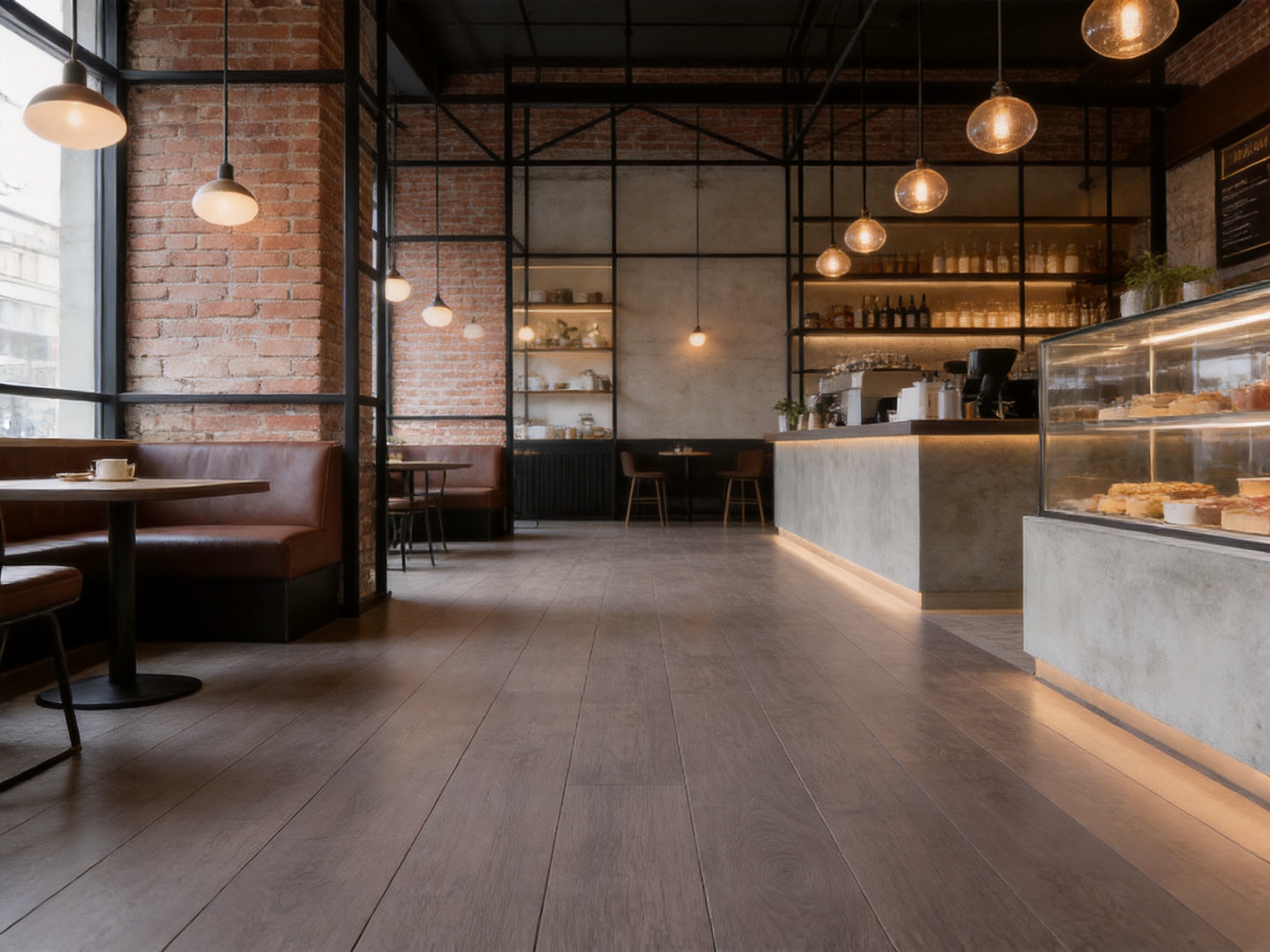
Commercial interiors often need materials that combine brand impact, durability, and practical maintenance. This product is suitable for cafes, restaurants, retail stores, showrooms, offices, boutique hotels, reception areas, galleries, and other public-facing spaces. The dark grey oak surface can help create an upscale impression while the engineered structure supports stability in high-use environments.
In cafes and restaurants, flooring contributes strongly to atmosphere. Dark grey wire-brushed oak can create a retro-modern fusion, especially when combined with exposed brick, black steel, leather seating, concrete textures, and warm pendant lighting. The real wood surface makes the space feel more inviting than many purely industrial materials.
In retail environments, the floor can support brand storytelling. Fashion boutiques, furniture stores, and lifestyle shops often use flooring as part of the customer experience. A premium wood surface can make products appear more valuable and the space more curated. The dark grey color provides contrast for displays and merchandise.
In offices, the floor can help create a professional but warm atmosphere. Compared with carpet tiles or plain vinyl, engineered oak flooring communicates quality and permanence. It can be used in executive areas, meeting rooms, lounges, reception spaces, and design studios. The click system and installation flexibility may also help with renovation timelines.
For contractors, the product’s stable construction and multiple installation methods are practical advantages. For architects, the customizable surface and compliance support make specification easier. For developers, the balance of premium appearance and engineered performance can improve property appeal.
Proper maintenance helps preserve the beauty and performance of engineered wood flooring. Routine cleaning should be simple and consistent. A dry cloth, microfiber mop, or soft broom can be used for daily cleaning. Dust and grit should be removed regularly because abrasive particles can wear the surface over time.
Excess moisture should be avoided. Wood flooring should not be soaked or cleaned with large amounts of water. If damp cleaning is needed, the mop should be well wrung out, and the surface should dry quickly. Spills should be wiped promptly to prevent moisture from entering seams or affecting the finish.
Furniture pads are recommended under chair legs, tables, sofas, and movable furniture. In commercial spaces, entrance mats can reduce dirt and grit from foot traffic. Rolling chairs should be used with suitable protective mats or soft wheels to reduce localized wear.
The product information recommends waxing every 6 to 12 months for deep maintenance to maintain shine and durability. The exact maintenance method should match the selected finish. UV lacquer, UV oil, and hardwax oil may require different care products. Buyers should follow the manufacturer’s maintenance guidance and avoid harsh chemicals, steam cleaners, or abrasive pads.
Indoor humidity should also be managed. Although engineered flooring is more stable than solid wood, it is still a natural wood product. Maintaining a comfortable indoor humidity range helps minimize seasonal movement. This is especially important in regions with dry winters or humid summers.
Global distributors and project buyers need products that are attractive, reliable, customizable, and supported by a capable manufacturer. This flooring meets those needs by combining a desirable design style with engineered wood performance and export-ready manufacturing support.
The dark grey wire-brushed oak appearance aligns with international interior trends. Modern luxury, industrial design, urban minimalism, and natural textures remain popular across many markets. This floor can fit those trends while still offering the timeless appeal of oak.
The technical flexibility allows buyers to create product lines for different customer segments. Veneer thickness, grade, finish, texture, and color can be adjusted. This means a distributor can order a premium version for high-end showrooms and a more cost-efficient version for volume residential projects, while maintaining a consistent product concept.
The manufacturer’s export experience reduces procurement risk. International buyers often need clear communication, consistent lead times, stable production, proper packaging, and compliance documentation. A company with more than 10 years of export experience and over 100 global partners is better positioned to support these requirements.
The production capacity of 2,400,000 square meters of flooring per year provides confidence for larger projects and long-term supply programs. For wholesalers and distributors, continuity of supply is essential. For contractors, product availability can affect construction schedules. A stable manufacturer can help reduce delays and substitutions.
This floor pairs exceptionally well with contemporary interior materials. With white or light grey walls, it creates a strong contrast and makes rooms feel clean and architectural. With dark walls, it creates a dramatic and immersive atmosphere. With warm lighting, the dark grey surface becomes softer and more inviting.
Metal accents are a natural partner. Black steel frames, brushed nickel hardware, bronze fixtures, and stainless-steel details all work well with the industrial character of the floor. Stone surfaces such as marble, slate, limestone, or concrete-look materials also complement the dark grey oak tone.
Furniture can move the floor in different stylistic directions. Light oak or beige furniture creates contrast and Scandinavian balance. Black furniture creates a bold modern look. Brown leather adds warmth and vintage character. Velvet, wool, linen, and textured fabrics help soften the stronger industrial tone.
In commercial interiors, brand color can be layered over the neutral dark grey base. Because grey is versatile, it can support many accent colors, including deep green, navy blue, burgundy, mustard, brass, cream, and charcoal. This makes the floor useful for evolving brand concepts and seasonal design updates.
Before ordering engineered wood flooring for a project, buyers should confirm several technical details. These include veneer species, veneer thickness, grade, dimensions, finish type, surface texture, installation method, packaging requirements, and compliance documentation. For large projects, samples should be reviewed under actual lighting conditions because color and texture can appear different in showrooms, photographs, and completed interiors.
Subfloor preparation is also essential. Even the best flooring can fail if installed over an unsuitable subfloor. The subfloor should be clean, dry, flat, and structurally sound. Moisture testing should be performed where required. Installation should follow professional guidelines for expansion gaps, acclimation, underlayment, adhesive, or fastening systems.
Buyers should also consider maintenance expectations. A restaurant, office, and private bedroom do not experience the same traffic conditions. Finish selection should reflect the expected use. UV lacquer may be preferred for easy cleaning and practical durability. UV oil or hardwax oil may be selected for natural aesthetics and repairability, depending on project priorities.
For distributors developing a private-label collection, it is useful to request multiple sample options. Different grey tones can create very different effects. A cool blue-grey feels urban and modern, while a warmer charcoal-grey feels more natural and luxurious. The ability to customize color is a major benefit when building a market-specific flooring range.
This product uses a real oak veneer surface, while laminate flooring normally uses a printed decorative layer. The real wood surface provides natural grain, authentic texture, and a premium appearance that printed surfaces cannot fully reproduce.
Three-layer engineered flooring offers improved dimensional stability. It is designed to reduce the risk of warping, cracking, and seasonal movement while still providing the beauty of a genuine wood surface.
Yes. The dark grey tone is versatile and works well in modern homes, lofts, cafes, restaurants, retail stores, offices, showrooms, and hospitality interiors. It creates a refined, contemporary atmosphere.
The wire-brushed process enhances the natural grain of oak and creates a tactile surface. It adds visual depth and can help make small signs of daily use less noticeable compared with a flat glossy surface.
Yes. Customization options include face veneer species, veneer thickness, grade, surface finish, surface texture, dimensions, and colors. This makes the product suitable for distributors, contractors, architects, and private-label programs.
The flooring can be installed by floating, glue-down, or staple methods. The click-lock system supports efficient installation and tight seams, especially for floating floor applications.
Available finish options include UV lacquer, UV oil, and hardwax oil. Each finish provides a different balance of durability, appearance, and maintenance characteristics.
Routine cleaning should be done with a dry cloth, microfiber mop, or soft broom. Excess water should be avoided, and spills should be wiped promptly. Deep maintenance can be performed according to the selected finish and manufacturer guidance.
Yes, it can be used in many commercial spaces such as cafes, restaurants, retail areas, and offices. For very high-traffic projects, buyers should confirm the preferred finish, maintenance plan, and installation method with the supplier.
The manufacturer supports international standards including CE, FSC, CARB P2, and ISO 9001. These standards help buyers address compliance, sustainability, emissions, and quality management requirements.
The 3-Layer Oak Dark Grey Wire-Brushed Click Engineered Wood Flooring combines the visual richness of natural oak with the stability of engineered construction and the convenience of click-lock installation. Its dark grey tone gives interiors a modern, industrial, and luxurious character, while the wire-brushed texture enhances the authentic grain of the wood.
Compared with solid wood, it offers improved stability. Compared with laminate or vinyl, it provides a genuine wood surface and a more premium material identity. Compared with many standard engineered products, it stands out through customization options, strong manufacturing support, international compliance, and quality control systems.
For residential buyers, it creates a sophisticated foundation for modern living spaces. For commercial designers, it helps build a distinctive brand atmosphere. For contractors, it offers installation flexibility and dependable construction. For distributors and global project buyers, it is supported by a manufacturer with scale, experience, certifications, OEM and ODM capability, rapid prototyping, and mature export service.
As interior design continues to favor authentic materials, textured surfaces, and sustainable wood solutions, this flooring offers a compelling balance of beauty, performance, and procurement value. It is not merely a floor covering; it is an architectural surface designed to enhance the atmosphere, durability, and long-term quality of interior spaces.
American Hardwood Export Council. Technical Guide to American Hardwood Species and Applications.
European Federation of the Parquet Industry. Parquet Flooring Technical Information and Market Guidance.
Forest Stewardship Council. Principles of Responsible Forest Management and Chain of Custody Certification.
International Organization for Standardization. ISO 9001 Quality Management Systems Requirements.
California Air Resources Board. Composite Wood Products Airborne Toxic Control Measure Guidance.
National Wood Flooring Association. Wood Flooring Installation Guidelines and Maintenance Recommendations.
European Committee for Standardization. Wood Flooring Product Performance and CE Marking Guidance.

We provide customers with sustainable and eco-friendly
engineered wood solutions and services.
Choose DEIF for the perfect blend of
performance and aesthetics.
