


 English
 Español
 عربى
عربى

Get Social
Choose DEIF for the perfect blend of
performance and aesthetics.
 Get Free Sample

Content
Engineered wood flooring has become one of the most practical and desirable surface solutions for contemporary residential and light commercial interiors. Among the many options available, 3-layer eco-friendly locking engineered wood flooring stands out because it combines the warmth of natural wood with dimensional stability, installation efficiency, and modern environmental performance. This product is designed for homeowners, designers, contractors, distributors, and project developers who need a floor that looks refined, performs reliably, and supports healthier indoor living.
The 3-layer eco-friendly smooth surface locking engineered wood flooring described here is built around a natural wood veneer surface, a stable engineered core, a durable multi-layer UV coating system, and a convenient click locking profile. Its appearance is elegant and natural, while its construction is engineered to reduce common problems associated with solid wood flooring, such as warping, cracking, and instability under changing indoor conditions. The flooring is suitable for living rooms, bedrooms, studies, apartments, villas, hospitality areas, and other interior spaces where visual comfort, durability, and installation flexibility are required.
Unlike basic laminate flooring, this product uses real wood veneer on the surface, giving each plank authentic grain character and natural texture. Unlike traditional solid wood flooring, it uses a carefully balanced 3-layer construction that improves structural stability and makes installation more flexible. Compared with ordinary low-cost engineered flooring, it offers customizable veneer species, veneer thickness, finish options, surface textures, grades, and colors, allowing it to meet different design and project requirements.
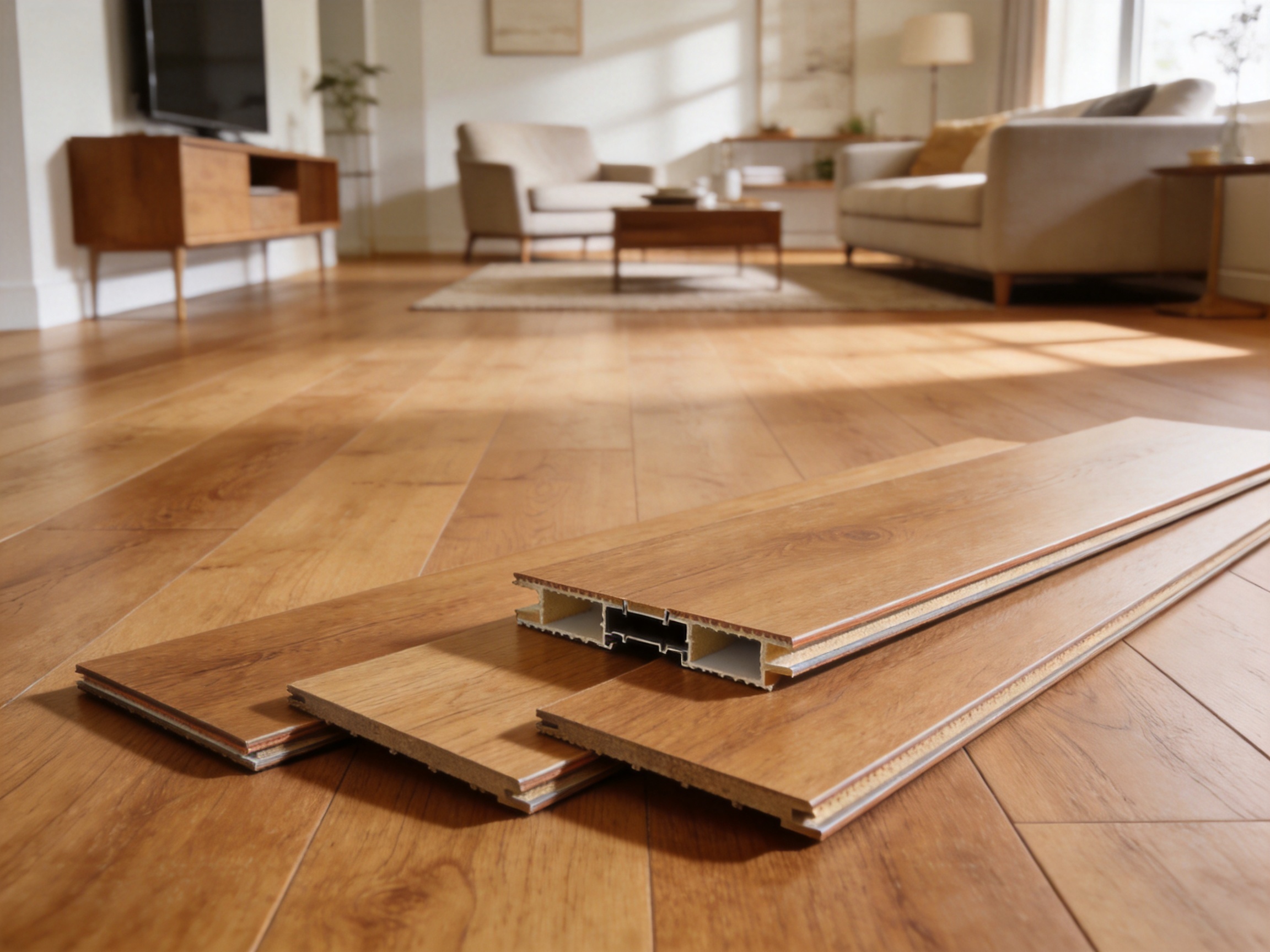
This engineered wood flooring belongs to the 3-layer engineered flooring category. It is designed with a natural wood veneer surface and a stable engineered base structure. The standard plank dimension is approximately 48.0 inches by 7.7 inches by 5/8 inch, offering a balanced plank format suitable for both compact rooms and open-plan interiors. The product can be manufactured with different face veneers, including oak, walnut, ash, and teak, depending on design preference and project specifications.
The face veneer thickness can also be customized, with available options including 2 mm, 3 mm, 4 mm, and 6 mm. This flexibility is important because veneer thickness influences service life, refinishing potential, cost positioning, and premium perception. For projects that require a luxurious solid-wood-like experience, a thicker veneer can be selected. For cost-sensitive residential developments, a thinner but still natural veneer option may provide the right balance between beauty and budget.
The core construction is 3-layer engineered wood, typically using spruce or pine as the core layer. This structure is designed to enhance dimensional stability by balancing the natural movement of wood. The surface can be finished with UV lacquer, UV oil, or hardwax oil. Surface texture options include wire brushed, handscraped, and smooth sanded finishes. The product described here emphasizes a smooth surface, creating a clean, modern, and easy-to-maintain look.
The flooring uses a click locking system that supports floating installation, while also allowing glue-down or staple installation depending on site conditions and project preferences. The profile includes micro-bevels on all four sides, helping define each plank subtly and giving the installed floor a refined, architectural appearance. With 10 pieces per carton and approximately 2.39 square meters per carton, the product is organized for efficient transportation, warehousing, and jobsite handling.
| Product Category | 3-Layer Engineered Wood Flooring |
| Standard Dimensions | 48.0″ × 7.7″ × 5/8″ |
| Face Veneer Options | Oak, Walnut, Ash, Teak |
| Veneer Thickness Options | 2 mm, 3 mm, 4 mm, 6 mm |
| Core Construction | 3-Layer Engineered Wood |
| Core Material | Spruce or Pine |
| Veneer Grade Options | AB, ABC, ABCD, CD |
| Surface Finish Options | UV Lacquer, UV Oil, Hardwax Oil |
| Surface Texture Options | Smooth Sanded, Wire Brushed, Handscraped |
| Profile | Micro-Bevel on All Four Sides |
| Locking System | Click System |
| Installation Methods | Floating, Glue-Down, Staple |
| Pieces Per Carton | 10 |
| Coverage Per Carton | 2.39 Square Meters / 25.73 Square Feet |
| Weight Per Carton | Approximately 24 kg |
The most immediate advantage of this flooring is its natural wood veneer surface. Real wood provides visual depth that cannot be fully reproduced by printed decorative layers. Each plank carries the organic variation of the selected wood species, including grain movement, mineral streaks, color changes, and subtle natural character. These details create a warm and premium interior atmosphere.
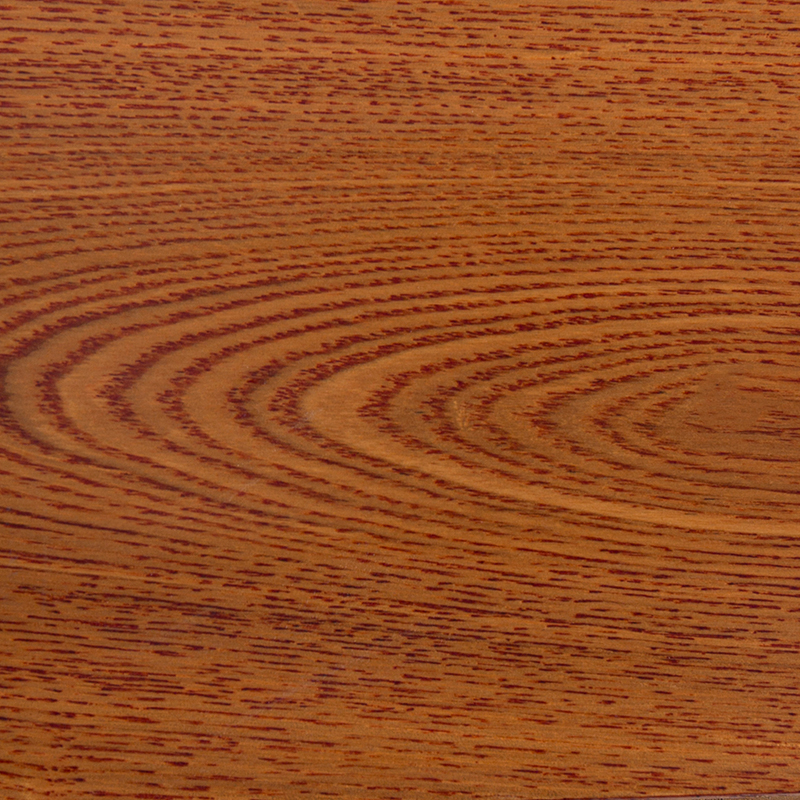
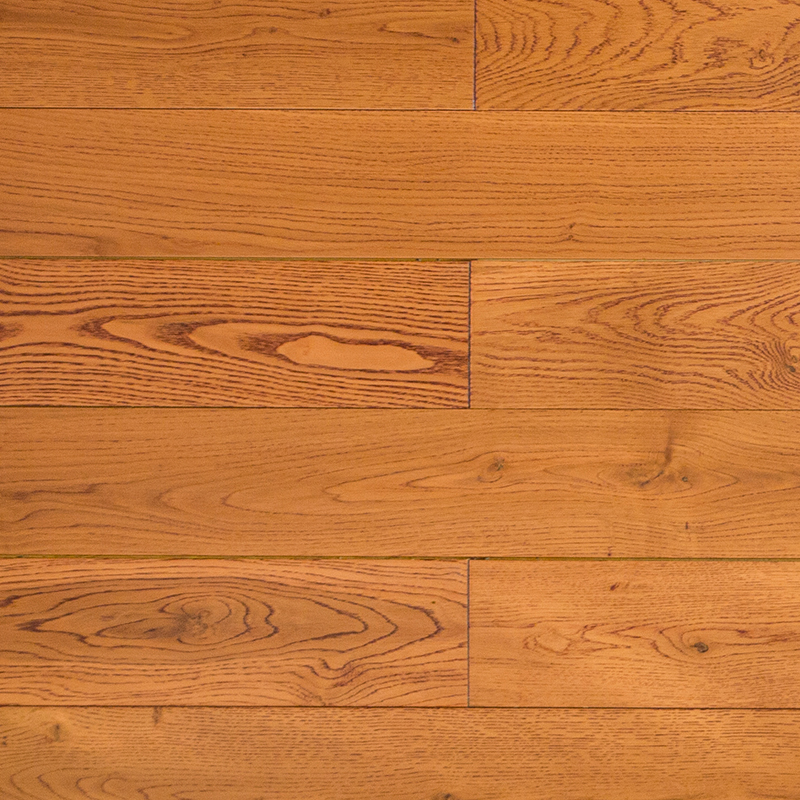
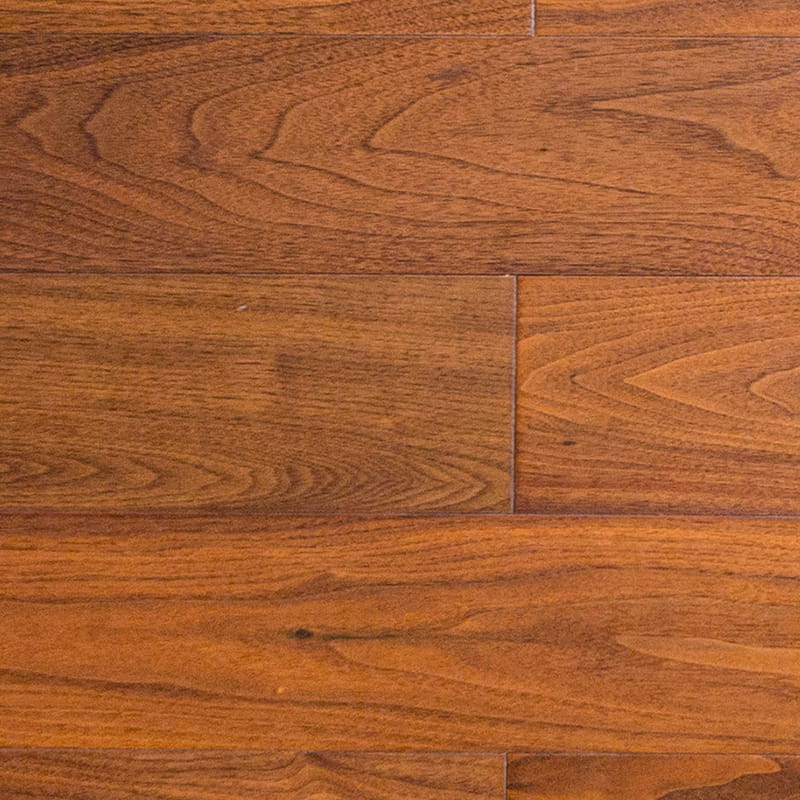
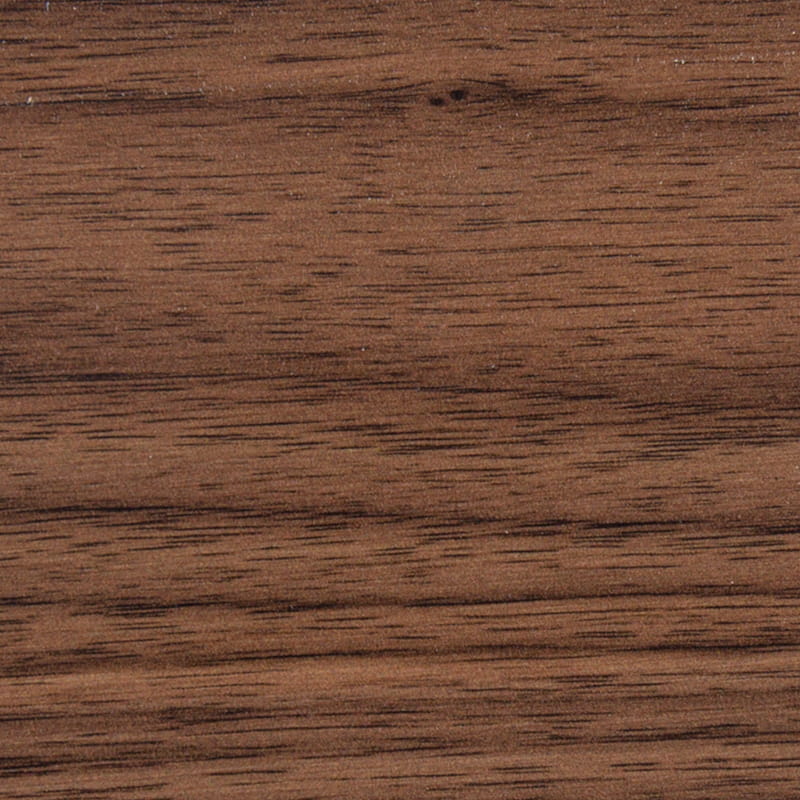
Oak is often chosen for its balanced grain, timeless appeal, and broad compatibility with modern, Scandinavian, rustic, and transitional interiors. Walnut offers a deeper, richer tone that is suitable for luxury apartments, private residences, boutique hospitality spaces, and executive interiors. Ash provides a lighter, clean-grained look that works well in bright contemporary rooms. Teak delivers a distinctive tone and is valued for its elegant natural color and premium association.
The ability to customize veneer grade is another advantage. AB grade creates a cleaner and more uniform look, ideal for refined residential or high-end commercial spaces. ABC and ABCD grades introduce more natural variation and can deliver a more relaxed, organic appearance. CD grade may be suitable for rustic or budget-conscious designs where natural knots and character marks are acceptable or even desirable. This grading flexibility allows the same flooring platform to serve multiple market segments.
Compared with competitors that offer only limited color and veneer choices, this product gives project buyers and distributors wider specification control. This is especially valuable for developers, architects, and interior design companies that need flooring to coordinate with doors, cabinets, wall panels, and furniture. Since the company also specializes in wood flooring, wooden doors, and custom cabinets, it can support integrated interior woodwork solutions, helping projects achieve consistent material language across multiple elements.
Wood is a natural material that expands and contracts with changes in humidity and temperature. Solid wood flooring can be beautiful, but it is more vulnerable to dimensional movement when indoor conditions fluctuate. The 3-layer engineered construction is designed to address this issue. By combining a natural wood top layer with a balanced core and backing structure, the plank gains improved resistance to deformation, warping, and cracking.
The spruce or pine core contributes to the plank’s stability while keeping the product practical and manageable. In a well-designed 3-layer structure, each layer supports the others, reducing the degree of movement that might occur if the plank were made from one solid piece of wood. This makes engineered flooring especially suitable for modern homes where heating, air conditioning, seasonal humidity changes, and varied subfloor conditions can affect flooring performance.
Compared with ordinary 2-layer flooring or low-density engineered alternatives, a high-quality 3-layer board can provide better balance and more predictable performance. Compared with solid hardwood, it is typically more stable and can be easier to install in a wider range of interiors. For homeowners, this means fewer concerns about gaps, cupping, and cracking when the flooring is properly installed and maintained. For contractors, it means fewer callbacks and improved customer satisfaction.
Another important advantage is that the construction supports multiple installation methods. The floor can be floated using the locking system, glued down for a more permanent installation, or stapled where appropriate. This flexibility allows contractors to adapt to different jobsite requirements, including concrete subfloors, plywood subfloors, apartments, renovation projects, and new residential developments.
Modern consumers increasingly care about indoor air quality and sustainable materials. This 3-layer engineered flooring is positioned as an eco-friendly solution for families who value health, comfort, and environmental responsibility. The product is designed with raw materials that meet environmental standards, helping reduce concerns about harmful emissions in indoor spaces.
Certifications such as CE and FSC are important for international markets because they provide external validation of product compliance and responsible sourcing. FSC certification supports responsible forest management and helps customers verify that wood materials come from controlled and sustainable sources. CE compliance supports access to European markets and indicates that the product meets relevant safety, health, and environmental protection requirements.
The company’s broader compliance capabilities include CE, FSC, CARB P2, and ISO 9001 standards. This is especially important for distributors and project buyers who need documentation for regulatory requirements, green building programs, procurement standards, or client assurance. Products intended for North America, Europe, and Southeast Asia often require different documentation, and a manufacturer with export experience can help buyers navigate these requirements more efficiently.
For families, eco-friendly flooring contributes to a more comfortable home environment. The smooth natural surface feels warm and pleasant underfoot, while the engineered structure provides dependable performance. When combined with proper ventilation, routine cleaning, and good humidity control, the flooring can help create an interior that feels fresh, calm, and healthy.
The surface coating is a critical factor in flooring durability. This product uses a 7-layer UV coating system designed to improve wear resistance and scratch resistance. UV coatings are cured using ultraviolet light, creating a protective surface that helps defend the natural veneer from everyday use. The coating system supports easier cleaning and helps preserve the floor’s visual quality over time.
In daily residential use, floors are exposed to shoes, dust, furniture movement, pet activity, children’s play, and accidental spills. A strong UV coating helps reduce surface damage from routine activity. While no real wood floor is completely scratch-proof, a high-quality multi-layer coating provides meaningful protection compared with unfinished wood or low-grade coating systems.
The product can be finished with UV lacquer, UV oil, or hardwax oil. UV lacquer is often selected for durability and easier maintenance. UV oil can provide a more natural matte appearance and highlight the wood’s grain. Hardwax oil offers a tactile surface with a warm, natural feel and can be suitable for interiors that prioritize a handcrafted look. The availability of multiple finishes gives buyers the ability to choose between higher gloss, natural matte, or oil-like aesthetics.
The smooth surface option is particularly attractive for modern interiors because it provides clean visual continuity and is easy to wipe. Dust and light debris can be removed with a dry cloth or suitable flooring mop. The smooth finish also works well with minimalist furniture, contemporary cabinetry, and modern wall finishes. For homeowners who want a floor that looks elegant without requiring complex maintenance routines, this product offers a practical solution.
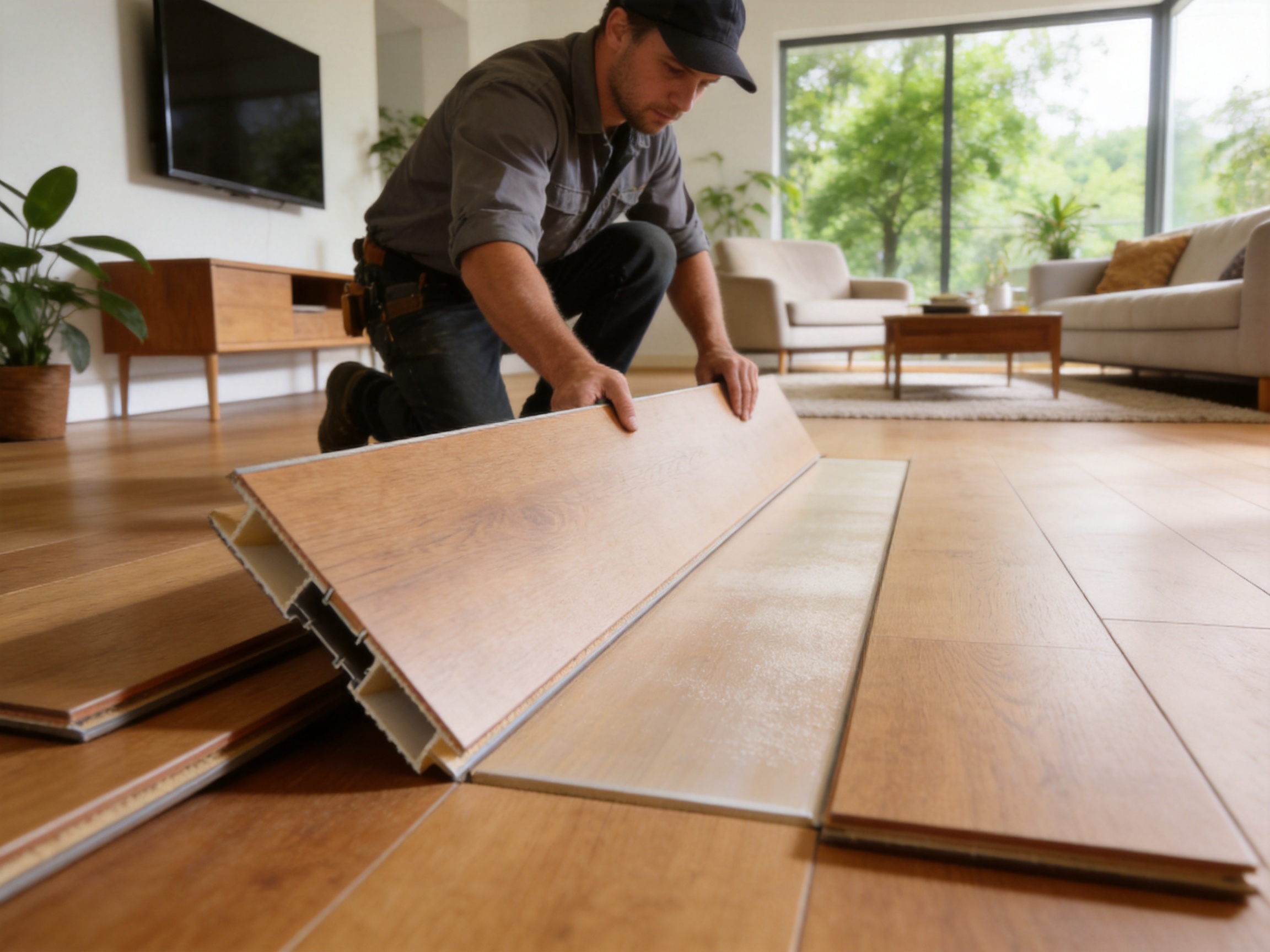
The click locking system is one of the most practical features of this engineered wood flooring. Traditional tongue-and-groove flooring often requires glue along the joints or more specialized installation techniques. A click system allows planks to connect securely, forming tight joints that support a stable finished surface. This can significantly reduce installation time, especially in residential renovation projects where speed and cleanliness matter.
Floating installation is often preferred for apartments and renovations because it can reduce subfloor preparation demands and may be easier to remove or replace in the future. The click system helps contractors install the floor efficiently while maintaining consistent joint alignment. For large residential projects, time savings can translate directly into lower labor costs and faster project delivery.
The product also supports glue-down and staple installation methods. Glue-down installation may be selected when a more solid acoustic feel is desired or when project specifications require full adhesion. Staple installation can be appropriate over suitable wooden subfloors. The ability to choose among floating, glue, and staple methods gives the flooring an advantage over products that support only one installation approach.
Micro-bevels on all four sides help create a professional finished appearance. They subtly define the plank edges, reduce the visual impact of minor height variation, and emphasize the plank format. This detail is especially useful in real wood veneer flooring, where the natural individuality of each plank becomes part of the design.
When selecting flooring, customers often compare engineered wood against solid hardwood, laminate, vinyl, and cheaper engineered alternatives. This 3-layer eco-friendly locking engineered wood flooring offers a balanced combination of advantages that make it competitive across several categories.
Compared with solid hardwood flooring, this product provides better dimensional stability. Solid wood is more likely to expand, contract, cup, or crack when indoor humidity changes. Engineered construction reduces this risk. Solid hardwood may offer multiple sanding cycles, but it is often more expensive, more demanding to install, and less forgiving in certain environments. With customizable veneer thickness up to 6 mm, this engineered flooring can still offer a premium real wood experience while improving stability.
Compared with laminate flooring, this product offers authentic natural wood. Laminate uses a printed decorative layer, which may look attractive but does not have the same depth, texture, or premium value as real wood veneer. For property owners who want the emotional and market value of real wood, engineered flooring is a stronger choice. It also provides a more natural underfoot experience and can increase the perceived quality of an interior.
Compared with vinyl flooring, this product offers a more natural and sustainable material identity. Vinyl can be water-resistant and budget-friendly, but it is not real wood and may not deliver the same warmth or premium impression. In spaces where design authenticity matters, natural wood veneer flooring often has stronger appeal. For homeowners and designers who want a healthier, more natural interior atmosphere, engineered wood can be a preferred choice.
Compared with low-cost engineered flooring, this product offers stronger customization, recognized certifications, advanced manufacturing capacity, and strict quality control. Many low-cost alternatives are limited in veneer selection, coating durability, locking precision, and documentation. This flooring is supported by a manufacturer with over 20 years of wood product expertise, automated quality control systems, German imported production lines, and export experience across major international markets.
A high-quality engineered floor is not created by materials alone. Manufacturing precision determines whether the plank will install correctly, remain stable, and perform consistently. The manufacturer behind this product has been operating since 1999 and has accumulated more than 20 years of experience in wood solutions. This experience is important because wood flooring production requires deep understanding of moisture control, veneer selection, bonding, pressing, profiling, sanding, finishing, grading, and packaging.
The company operates approximately 20,000 square meters of production facilities and has more than 10 years of export experience. This scale allows it to serve distributors, contractors, architects, and project buyers who require stable supply and consistent specifications. With annual production capacity reaching approximately 2,400,000 square meters of flooring and 5,000 sets of doors, the company can support both standard product orders and customized project-based manufacturing.
German imported production lines contribute to manufacturing precision and repeatability. In engineered wood flooring, precision matters at every stage. Veneer must be prepared to consistent thickness. Core materials must be dried and conditioned. Pressing must create stable bonding. Sanding must produce an even surface. Coating must be applied uniformly. Profiling must create accurate locking edges. Packaging must protect the finished planks during storage and international transportation.
Automated quality control systems further improve reliability. Human experience remains valuable, but automated inspection and controlled production processes help reduce variation. For international buyers, this means fewer defects, fewer installation issues, better carton consistency, and more predictable project outcomes. The company also uses a strict 3-step quality inspection process, helping ensure that raw materials, semi-finished products, and finished goods meet required standards before shipment.
The manufacturing process begins with raw material selection. For the face veneer, species such as oak, walnut, ash, and teak may be selected according to the customer’s requirements. Veneer quality affects not only appearance but also performance. Properly selected veneer should have suitable grain, moisture content, thickness consistency, and surface integrity.
Veneer cut also influences visual character. The product uses sliced veneer, which provides an authentic natural grain presentation. Sliced veneer can display elegant and continuous grain patterns, making it suitable for high-value engineered flooring. After cutting, veneer must be dried and conditioned carefully. Excess moisture can cause instability later, while overly dry material may become brittle or difficult to process.
The core layer, typically spruce or pine for this 3-layer product, must also be selected for stability and machining performance. Core material should be properly dried, free from major structural defects, and prepared to consistent dimensions. The balance between face veneer, core, and backing layer is essential to the final plank’s dimensional stability.
Manufacturers with strong wood expertise understand that each species behaves differently. Oak, walnut, ash, and teak have different densities, grain structures, and finishing characteristics. A production team must adjust sanding, coating, and pressing parameters accordingly. This is one reason experienced manufacturers have an advantage over basic producers that rely only on standard formulas.
After veneer and core preparation, the layers are assembled and bonded. The adhesive system and pressing conditions must be carefully controlled. Proper bonding prevents delamination and supports long-term product performance. Pressing pressure, temperature, time, and moisture balance all influence the final result.
In a 3-layer engineered floor, structural balance is essential. The layers must work together to resist movement. If one layer expands or contracts disproportionately, the plank may warp or twist. By controlling material preparation and pressing accuracy, the manufacturer helps ensure that the finished plank remains flat and stable.
This structural control is one of the product’s key advantages over lower-grade alternatives. Some inexpensive engineered floors may appear attractive at first but develop issues after installation because of poor bonding, uneven moisture content, or unstable core construction. A properly engineered 3-layer floor is designed from the inside out, not merely decorated on the surface.
For distributors and project contractors, consistent bonding quality is crucial. Flooring failures can be costly because they affect occupied interiors and require labor-intensive repairs. A manufacturer with strict quality inspection and stable production processes helps reduce these risks, creating confidence for long-term cooperation.
Once the engineered blank is pressed and stabilized, the surface must be sanded and prepared for finishing. Smooth sanding is especially important for this product because the smooth surface is a major design feature. Uneven sanding can create visible imperfections after coating, while excessive sanding can reduce veneer thickness unnecessarily.
The product can also be customized with wire brushed or handscraped textures. Wire brushing removes softer grain material and emphasizes the natural texture of the wood, creating a tactile surface that works well in rustic, industrial, and natural interiors. Handscraped texture provides a handcrafted appearance and can add character to traditional or vintage-inspired spaces. Smooth sanding, however, remains ideal for clean, modern interiors where simplicity and elegance are priorities.
The surface texture also affects maintenance perception. Smooth surfaces are generally easier to wipe and clean, while textured surfaces can help conceal small scratches and daily wear. By offering multiple texture options, the manufacturer gives buyers the freedom to match flooring performance and appearance to the intended usage environment.
Color customization further expands design possibilities. Light natural tones can make rooms feel larger and brighter. Medium oak tones provide warmth and timeless appeal. Dark walnut tones create drama and sophistication. Grey, smoked, or stained finishes can align with contemporary architectural palettes. This level of customization is especially valuable for designers and developers who need flooring to support a specific interior concept.
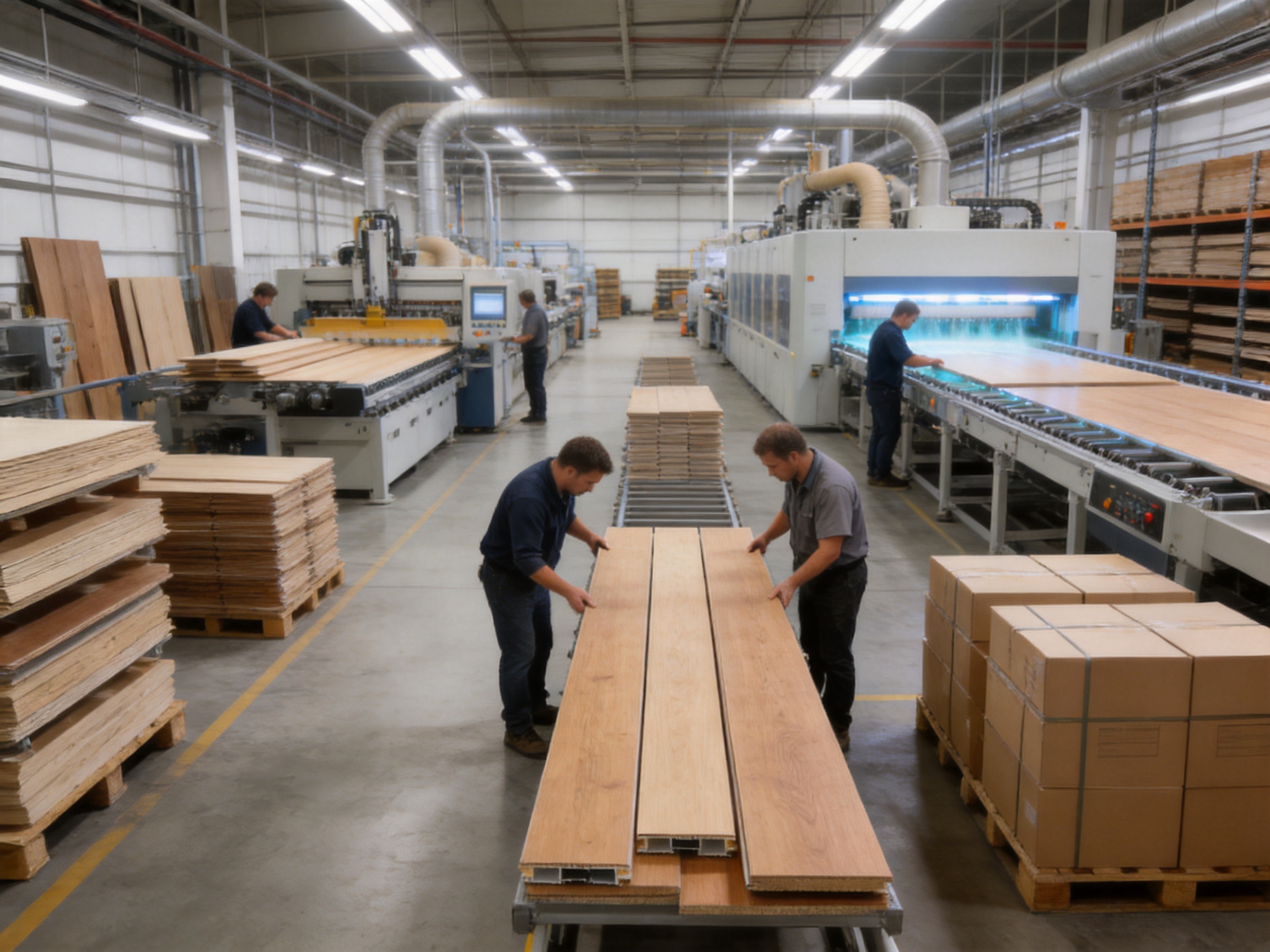
The finishing stage is where the flooring gains much of its wear resistance and final visual character. The 7-layer UV coating system is designed to build a protective surface while preserving the natural beauty of the veneer. Each coating layer must be applied evenly and cured properly. If coating thickness is inconsistent, the floor may show uneven sheen, reduced durability, or surface defects.
UV lacquer finishes are popular because they provide a durable and practical surface for daily living. UV oil finishes can provide a softer, more natural appearance, often preferred in premium residential interiors. Hardwax oil offers another option for customers who value natural touch and a low-sheen aesthetic. These choices allow the same engineered flooring structure to serve multiple markets, from practical family homes to boutique interior projects.
Scratch resistance is particularly important in high-use areas such as living rooms, corridors, and studies. The 7-layer system helps protect the surface from routine wear, although appropriate care remains necessary. Using protective pads under furniture, placing mats at entrances, and avoiding dragging heavy objects will extend the floor’s appearance and service life.
Coating technology also influences cleaning convenience. A well-finished floor resists dust penetration and allows easy dry cleaning. The recommended daily care is to wipe with a dry cloth or suitable dry mop. Wet cloths and excessive water should be avoided because real wood flooring can be damaged by prolonged moisture exposure. With simple care habits, the floor can maintain its elegant look for years.
The click locking profile must be machined with high precision. If the profile is too loose, joints may open or create movement. If it is too tight, installation becomes difficult and planks may be damaged during assembly. The manufacturer’s advanced production lines help maintain accurate milling tolerances, supporting smooth installation and tight joints.
Micro-bevel machining also requires consistency. Uneven bevels can make the floor look unprofessional after installation. A clean micro-bevel on all four sides creates a subtle shadow line that enhances plank definition without making the floor difficult to maintain. This detail is small but important for premium visual quality.
Click system accuracy is a major advantage over some competing engineered floors. Installers often judge flooring quality by how well the planks connect. A reliable locking system reduces installation frustration, improves productivity, and helps prevent post-installation issues. For distributors, good installation feedback strengthens product reputation and repeat sales.
Because this product supports floating, glue-down, and staple installation, profiling and plank balance must meet versatile performance expectations. Floating floors rely heavily on joint strength and plank stability. Glue-down floors require flatness and surface precision. Staple installation requires structural integrity. A product that can support all three methods provides a valuable advantage for multi-market distribution.
The company follows a strict 3-step quality inspection process. While specific inspection checkpoints can vary by order and specification, a comprehensive process typically includes raw material inspection, production-stage inspection, and final product inspection. This approach helps detect issues early and reduces the chance of defective flooring reaching customers.
Raw material inspection may include veneer appearance, moisture content, core quality, and material dimensions. Production-stage inspection may check bonding, pressing quality, sanding accuracy, coating application, and profiling. Final inspection may verify dimensions, surface defects, color consistency, locking performance, carton labels, packaging strength, and documentation.
International buyers need consistency from one shipment to the next. Color range, grade standards, dimensions, locking profile, and carton coverage must remain stable. Inconsistent production creates problems for distributors because customers may need replacement planks or future matching stock. A manufacturer with standardized processes and automated quality control is better positioned to deliver repeatable results.
Export experience is also critical. Flooring must withstand transport conditions, including container loading, long-distance shipping, temperature changes, and humidity variation. Proper packaging and moisture control help reduce risk. With more than 10 years of export experience and cooperation with over 100 global partners, the company has practical knowledge of international logistics and market expectations.
One of the most important strengths of this product is customization. Buyers can select wood species, veneer thickness, grade, finish, texture, color, and installation profile. This makes the flooring suitable for private-label programs, project tenders, residential developments, design studios, and regional distribution channels.
OEM and ODM capabilities allow customers to develop products aligned with their own brand positioning. A distributor may require a specific oak color collection for a local market. A contractor may need a stable specification for a hotel or apartment project. An architect may need a custom finish that coordinates with doors and cabinetry. The manufacturer’s ability to provide tailored solutions helps reduce sourcing complexity.
The company also offers rapid prototyping within 72 hours. This is a major advantage in project-based sales, where samples often determine whether a specification is approved. Fast sample development can shorten decision cycles and help buyers respond quickly to market opportunities. For architects and designers, quick prototyping allows material concepts to be tested before final selection.
Because the company manufactures wood flooring, wooden doors, and custom cabinets, it can support integrated wood interior solutions. This matters when a project needs consistent veneer tones, coordinated finishes, or matching material direction across floors, doors, and built-in furniture. Instead of sourcing each element from unrelated suppliers, project buyers can work with one experienced wood solutions manufacturer.
This flooring is especially suitable for residential spaces such as living rooms, bedrooms, studies, dining areas, and corridors. Its smooth surface creates a clean and refined atmosphere, while the natural wood veneer adds warmth and comfort. Families who prioritize health and environmental protection can benefit from the product’s eco-friendly positioning and compliance support.
In living rooms, the flooring provides a natural foundation for sofas, coffee tables, shelving, and entertainment areas. The plank size gives the room a balanced visual rhythm, and the micro-bevels add subtle definition. In bedrooms, the natural wood surface creates a calm and comfortable environment. In studies, the smooth finish supports a focused and elegant workspace.
The product can also be used in boutique commercial interiors where wood authenticity matters. Small offices, showrooms, design studios, hospitality suites, and premium retail areas can benefit from the real wood appearance and stable engineered construction. For heavy commercial environments, buyers should review traffic requirements, finish selection, and maintenance plans to ensure proper suitability.
For multi-unit residential developments, the flooring offers a strong combination of appearance, installation efficiency, and specification flexibility. Developers can select grades and finishes that match target pricing. Contractors benefit from click installation and stable carton coverage. End users receive a floor that feels more premium than laminate or vinyl while remaining more dimensionally stable than solid hardwood.
Proper maintenance is essential for preserving any real wood floor. Daily cleaning should be performed with a dry cloth, dry mop, or suitable vacuum attachment. Wet cloths and excessive water should be avoided because prolonged moisture can damage wood flooring. Spills should be wiped promptly with a soft dry or slightly damp cloth, followed by drying.
Humidity control is important. Wood flooring performs best in stable indoor conditions. Extremely dry air may cause shrinkage or small gaps, while excessive humidity may cause expansion or deformation. Homeowners should maintain reasonable indoor humidity levels and avoid exposing the floor to long-term damp environments.
Furniture pads should be placed under chair legs, tables, sofas, and cabinets. Heavy furniture should not be dragged across the surface. Entry mats can help capture sand, grit, and moisture from shoes, reducing abrasion. High heels, sharp objects, and pet claws may scratch the finish, so preventive care is recommended.
Periodic maintenance can help preserve the floor’s shine and durability. Depending on the finish and traffic conditions, waxing or professional maintenance may be considered every 6 to 12 months. The correct maintenance product should be selected according to the surface finish, whether UV lacquer, UV oil, or hardwax oil. Following manufacturer guidance will help avoid incompatible cleaning chemicals or residue buildup.
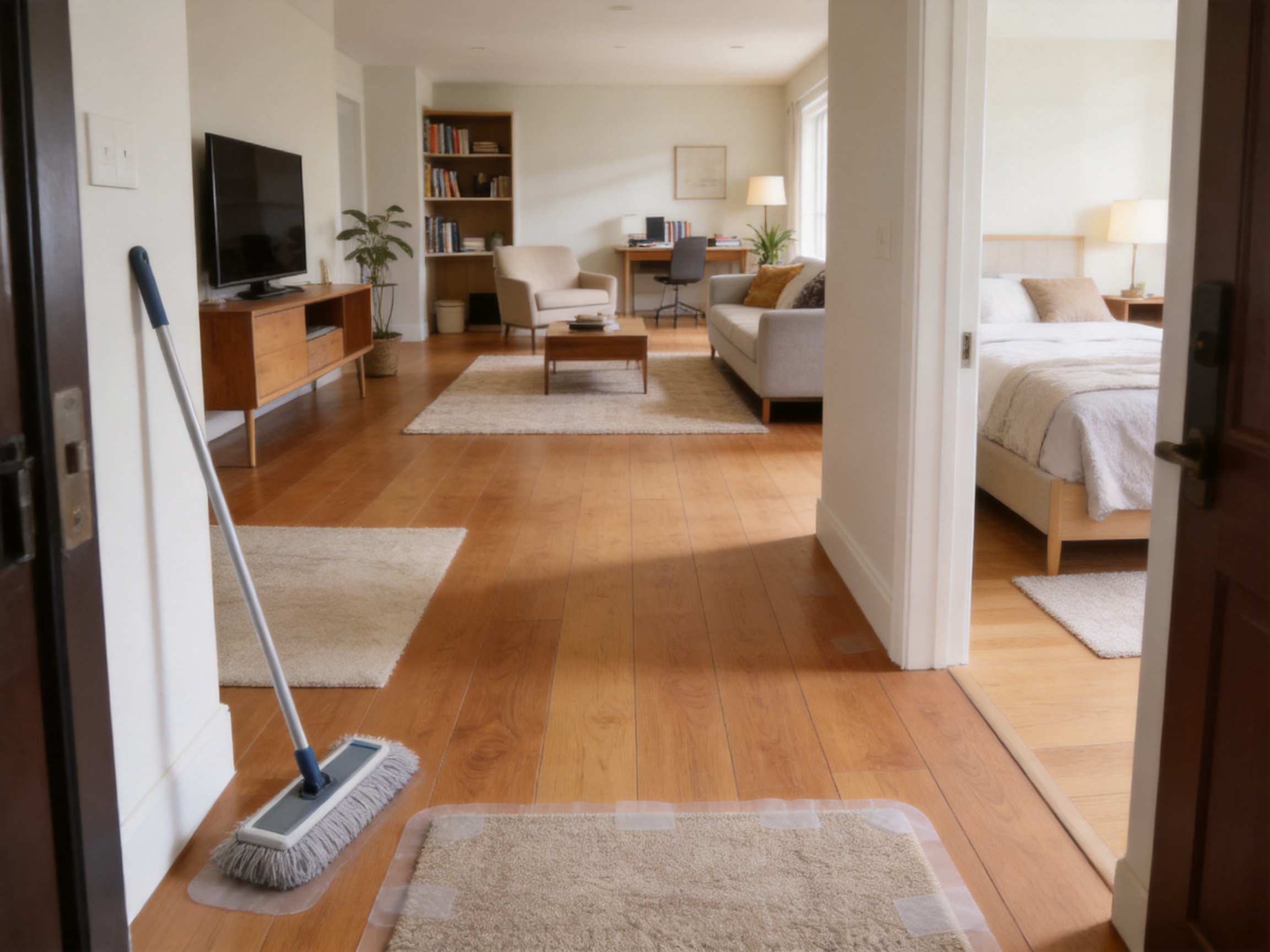
Global flooring buyers need more than an attractive plank. They need stable manufacturing, customization, compliance, documentation, and reliable supply. This 3-layer eco-friendly locking engineered wood flooring is supported by a manufacturer with strong production capacity and international experience. That combination creates value for importers, wholesalers, contractors, and design professionals.
For distributors, product flexibility supports different market segments. A single product platform can be adapted into entry-level, mid-range, and premium collections by adjusting veneer species, thickness, grade, color, and finish. This makes inventory planning more efficient and allows distributors to respond to local design trends.
For contractors, installation flexibility and locking precision reduce jobsite risk. The product can be floated, glued, or stapled, allowing adaptation to site requirements. Accurate profiling and stable construction support faster installation and better finished results. This helps contractors protect schedules and reduce post-installation service issues.
For architects and interior designers, customization supports creative control. Wood species, finish sheen, texture, and color can be selected to match the project concept. The smooth surface option is especially suitable for modern interiors where clean lines and understated natural materials are preferred. The availability of coordinated wood solutions, including doors and cabinets, further supports design consistency.
For homeowners, the product offers authentic wood beauty, eco-friendly material positioning, easy cleaning, and long-term comfort. It delivers the warmth of natural flooring while reducing some of the instability concerns associated with solid wood. The result is a floor that feels premium, practical, and suitable for modern living.
Suzhou Dicosbo Wood Co., Ltd. is a global wood solutions manufacturer specializing in wood flooring, wooden doors, and custom cabinet solutions. Founded in 1999, the company has more than 20 years of industry expertise and over 10 years of export experience. Its production facilities cover approximately 20,000 square meters, supporting large-scale and customized manufacturing.
The company serves more than 100 global partners across Europe, North America, and Southeast Asia. This international experience helps it understand different market requirements, from certification documentation to color preferences and packaging expectations. Export capability is particularly important for flooring buyers because shipping, labeling, moisture control, and after-sales communication all affect customer satisfaction.
Annual production capacity reaches approximately 2,400,000 square meters of flooring and 5,000 sets of doors. This scale supports stable supply for distributors and project buyers. Whether the order involves standard flooring collections or customized OEM/ODM programs, strong capacity helps reduce lead-time risk and supports long-term cooperation.
The use of German imported production lines and automated quality control systems reflects the company’s commitment to precision manufacturing. These capabilities support better consistency in sanding, profiling, coating, and product inspection. Combined with a strict 3-step quality inspection process, the company is positioned to deliver flooring that meets international quality expectations.
Its products comply with CE, FSC, CARB P2, and ISO 9001 standards. These certifications and management systems help buyers meet regulatory and project requirements. For global partners, working with a certified manufacturer reduces sourcing uncertainty and supports stronger market credibility.
Modern interiors increasingly emphasize natural materials, healthier living, warm minimalism, and long-lasting design. This flooring supports those trends through its real wood veneer surface and clean smooth finish. It can be used to create interiors that feel both contemporary and comfortable.
Light oak and ash tones work well with Scandinavian, Japanese-inspired, and minimalist interiors. They pair naturally with white walls, light cabinetry, soft textiles, and simple furniture. Medium wood tones support transitional homes and family interiors because they feel warm, practical, and timeless. Dark walnut tones create luxury and contrast, especially when paired with stone, metal, leather, or deep-colored cabinetry.
The smooth surface option fits current preferences for cleaner, quieter surfaces. While rustic textures remain popular in some markets, many urban homeowners prefer smooth floors that are easier to maintain and visually calm. This product can serve both directions because texture options are customizable.
Wide planks and micro-bevel details also align with modern design preferences. Wider planks reduce visual clutter compared with narrow strip flooring and help rooms feel more open. Micro-bevels provide definition without creating heavy grooves. The result is a floor that looks natural, refined, and architecturally balanced.
When specifying this flooring, buyers should consider veneer species, veneer thickness, grade, surface finish, texture, color, installation method, and maintenance expectations. These choices should match the intended use and market positioning.
For high-end residential projects, a thicker veneer such as 4 mm or 6 mm, a premium grade, and a natural oil or hardwax oil finish may be preferred. For mainstream residential developments, a 2 mm or 3 mm veneer with UV lacquer can provide excellent value and practical durability. For rustic designs, ABCD or CD grade with wire brushed or handscraped texture may create strong visual character.
Installation method should be selected according to subfloor conditions and project needs. Floating installation is efficient and often suitable for renovation. Glue-down installation may improve acoustic solidity and is common in premium projects. Staple installation may be used over suitable wood subfloors. Professional installation is recommended to ensure correct expansion gaps, subfloor preparation, and plank acclimation.
Buyers should also request samples before final approval. Because real wood has natural variation, samples help confirm color, grade, texture, and finish. Rapid prototyping capability makes sample development faster and supports project decision-making. For large orders, approved reference samples should be used to guide production consistency.
3-layer engineered wood flooring uses a natural wood veneer surface bonded to a stable engineered core and backing structure. This layered design improves resistance to warping, cracking, and deformation compared with solid wood, especially when indoor humidity changes. It still provides the beauty of real wood but with better dimensional stability.
Yes. The surface is natural wood veneer. Available veneer options include oak, walnut, ash, and teak. Because the surface is real wood, each plank has authentic grain, color variation, and natural character.
Yes. Veneer thickness can be customized with options such as 2 mm, 3 mm, 4 mm, and 6 mm. Thicker veneer options can provide a more premium specification and may support longer service life depending on use and maintenance.
The flooring supports floating, glue-down, and staple installation methods. The click locking system makes floating installation faster and more convenient, while glue-down and staple methods may be selected based on project requirements and subfloor conditions.
Yes. The product is positioned as an eco-friendly flooring solution and is supported by certifications and compliance capabilities such as CE, FSC, CARB P2, and ISO 9001. It is designed for residential interiors where healthier living and environmental responsibility are important.
Daily cleaning should be done with a dry cloth, dry mop, or suitable vacuum attachment. Avoid excessive water and do not use wet cloths for routine cleaning. Spills should be wiped quickly and the surface should be dried to prevent moisture damage.
The main advantage is the real wood veneer surface. Laminate flooring uses a printed decorative layer, while engineered wood provides authentic wood grain, natural variation, and a more premium interior feeling. Engineered wood also offers stronger value for customers who prefer natural materials.
This product offers stronger customization, a stable 3-layer structure, a 7-layer UV coating system, precision click locking, international certification support, and advanced manufacturing backed by German imported production lines and automated quality control systems.
Yes. Sizes, colors, veneer species, veneer grades, surface finishes, and textures can be customized. Finish options include UV lacquer, UV oil, and hardwax oil. Texture options include smooth sanded, wire brushed, and handscraped.
It is ideal for living rooms, bedrooms, studies, dining areas, apartments, villas, and many modern residential interiors. It can also be used in light commercial or boutique project spaces where natural wood appearance and stable performance are required.
3-layer eco-friendly smooth surface locking engineered wood flooring offers a compelling combination of natural beauty, structural stability, environmental responsibility, and installation convenience. Its real wood veneer surface provides authentic warmth and visual depth, while the engineered 3-layer construction helps resist warping and cracking. The 7-layer UV coating system improves daily durability, and the click locking profile supports efficient installation with tight, reliable joints.
The product’s customization options make it suitable for a wide range of markets and project requirements. Buyers can choose veneer species, veneer thickness, grade, color, finish, texture, and installation method. This flexibility allows the flooring to serve high-end residential interiors, mainstream housing projects, distributor collections, and customized architectural specifications.
Behind the product is a manufacturer with more than 20 years of wood industry expertise, large-scale production facilities, German imported production lines, automated quality control systems, and international certification capabilities. These strengths help ensure consistency, compliance, and reliable supply for global buyers. For homeowners, contractors, distributors, and designers seeking a practical yet premium wood flooring solution, this 3-layer engineered flooring represents a strong balance of beauty, performance, and manufacturing confidence.
Forest Stewardship Council. Principles and Criteria for Responsible Forest Management.
European Committee for Standardization. Wood Flooring Standards and Performance Requirements.
International Organization for Standardization. ISO 9001 Quality Management Systems.
California Air Resources Board. Composite Wood Products Airborne Toxic Control Measure Guidance.
Architectural Woodwork Institute. Wood Material Selection and Interior Performance Guidelines.
National Wood Flooring Association. Installation Guidelines for Wood Flooring.
Building Research Establishment. Indoor Air Quality and Low-Emission Building Materials.

We provide customers with sustainable and eco-friendly
engineered wood solutions and services.
Choose DEIF for the perfect blend of
performance and aesthetics.
