


 English
 Español
 عربى
عربى

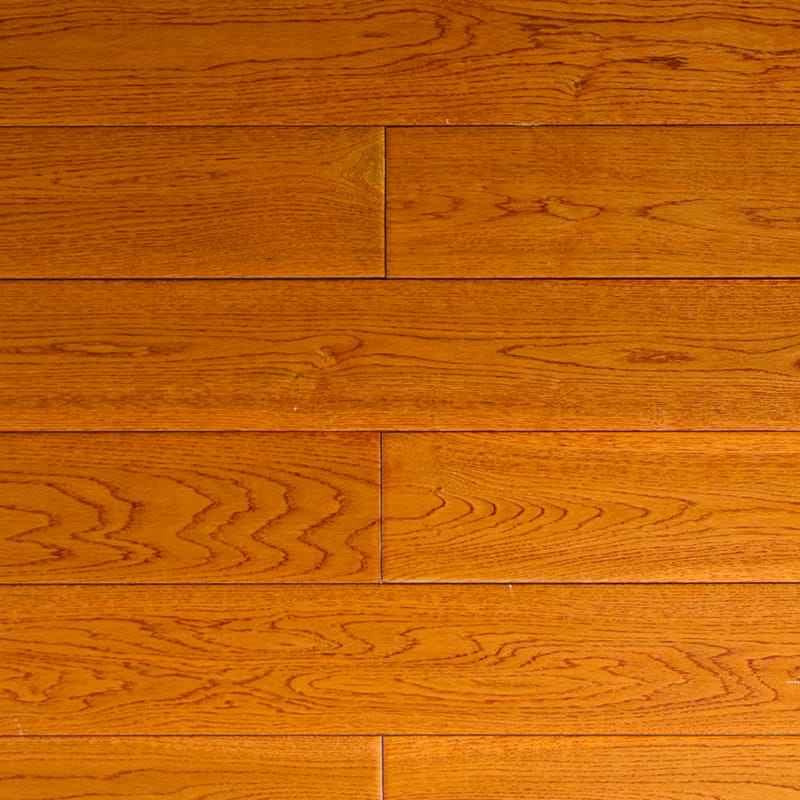
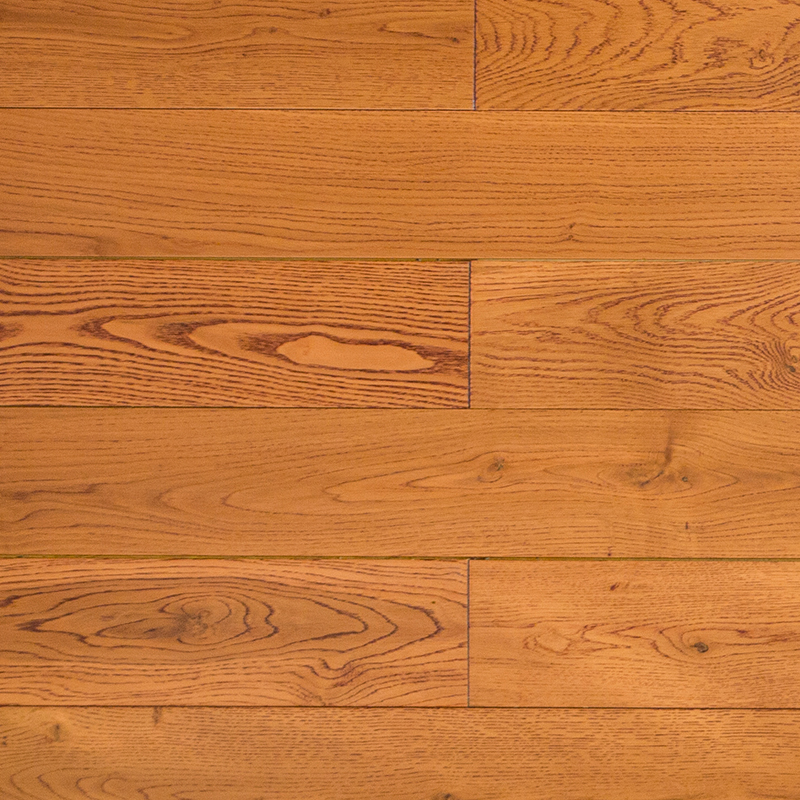
Get Social
Choose DEIF for the perfect blend of
performance and aesthetics.
 Get Free Sample

Content
Engineered wood flooring has become one of the most practical and visually desirable choices for modern residential and commercial interiors, especially when a project requires the authentic beauty of real wood with improved dimensional stability. The 3-Layer Oak Tan Natural Grain Surface Click Engineered Wood Flooring is designed for precisely that balance: a real oak veneer surface, a stable cross-laminated structure, a warm tan tone, and an installation-friendly click system. It brings the character of oak into living rooms, studies, hospitality areas, boutique retail spaces, offices, and project interiors where appearance, durability, and construction efficiency all matter.
3-Layer Oka Tan Natural Grain Surface Click Engineered Wood Flooring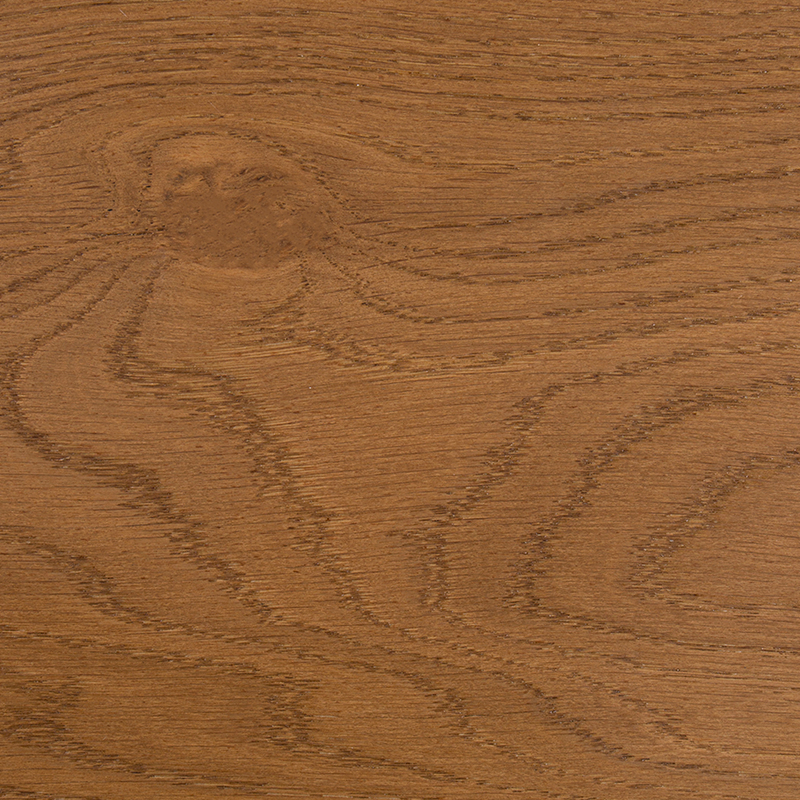
This product belongs to the 3-layer engineered flooring category and is built around a simple but highly effective construction principle. A natural wood veneer surface provides the visible and tactile wood character. Beneath it, a fir, spruce, or pine-based engineered core supports the plank with structural reliability. The layered arrangement helps reduce the expansion, contraction, warping, and cracking risks commonly associated with solid wood flooring, particularly in environments where humidity and temperature fluctuate across seasons.
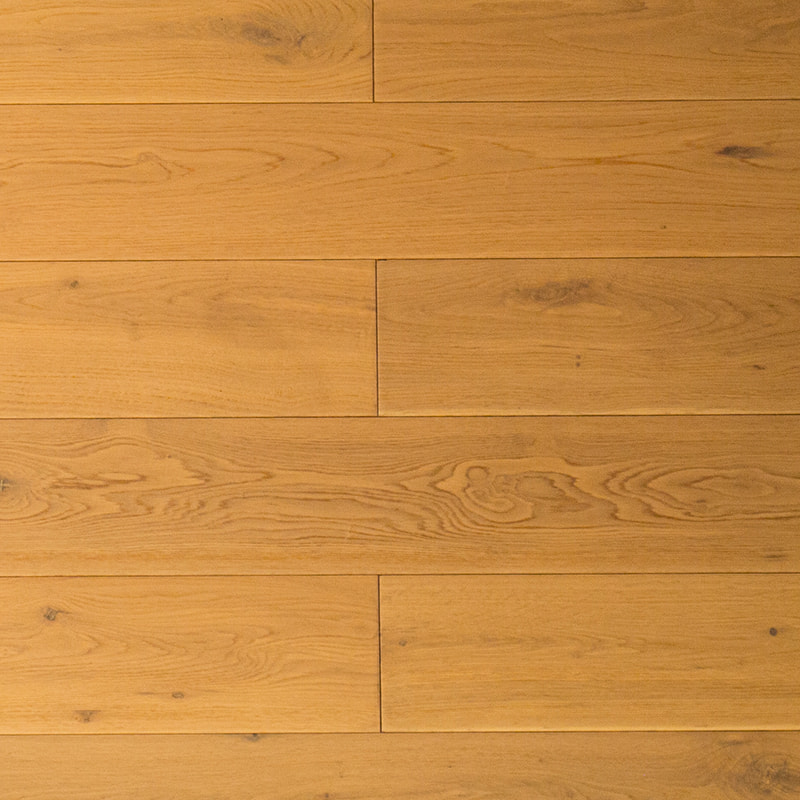
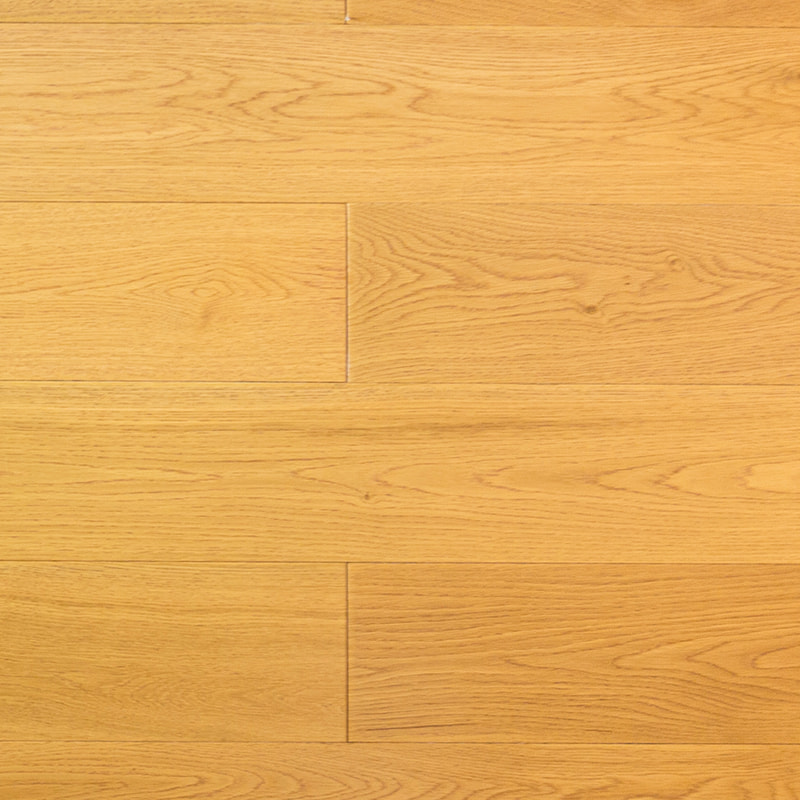
The oak tan natural grain surface gives the flooring a classic brown-yellow warmth that suits several interior directions. It can soften minimalist spaces, enrich light luxury interiors, and support new Chinese-inspired decoration schemes that favor calm natural textures. Unlike heavily artificial decorative surfaces, the veneer maintains the original grain expression of oak, giving each plank a more organic appearance. The result is flooring that does not simply cover a space but contributes to its atmosphere.
From a buyer’s perspective, the product’s greatest value lies in the combination of real wood aesthetics, engineered stability, customizable specifications, and manufacturing support from an experienced wood solutions producer. For distributors, contractors, architects, and project developers, these factors help reduce uncertainty. A flooring material must look attractive in the showroom, but it must also perform after installation, arrive in consistent quality, meet compliance expectations, and allow customization for different market preferences. This product is developed with those commercial realities in mind.
The 3-Layer Oak Tan Natural Grain Surface Click Engineered Wood Flooring is identified by the model code DC-X1211 and is positioned as a premium yet practical engineered flooring solution. Its standard listed dimensions are 48.0 inches by 7.7 inches by 5/8 inch, a format that offers visual balance between plank presence and installation practicality. The product is packed at 10 pieces per carton, covering approximately 2.03 square meters or 21.85 square feet per carton, with a carton weight of around 24 kilograms.
The surface veneer is customizable and can be produced in oak, walnut, ash, or teak according to project needs. For this specific oak tan version, oak is the defining visual material. Oak remains one of the most widely recognized hardwood species for flooring because of its familiar grain, dependable wear characteristics, and broad design compatibility. The tan color treatment adds warmth without becoming too dark, making it especially useful for interiors that need a natural foundation but still want a bright, spacious feeling.
Veneer thickness can be customized at 2 millimeters, 3 millimeters, 4 millimeters, or 6 millimeters. This flexibility is important because different markets and project types have different expectations regarding lifecycle, refinishing potential, pricing, and specification level. A thinner veneer may be suitable for cost-sensitive developments where the goal is real wood appearance with efficient project budgeting. A thicker veneer may be preferred for higher-end residential homes, commercial environments, or long-term project applications where a more substantial surface layer is desired.
The core construction is 3-layer engineered wood, typically using spruce, fir, or pine in a cross-laminated arrangement. This structure distinguishes it from single-layer solid wood flooring and also from ordinary laminate flooring. It is not a printed imitation; it is real wood on the surface. At the same time, it is not limited by the same instability concerns associated with solid planks. The engineered body supports more predictable performance and helps the floor adapt to modern installation conditions.
The surface finish can be customized with UV lacquer, UV oil, or hardwax oil. UV lacquer offers strong surface protection and is often selected for wear and scratch resistance. UV oil provides a more natural, low-sheen wood feel while still benefiting from controlled finishing technology. Hardwax oil is appreciated for its tactile quality and repair-friendly characteristics. These options allow the same base flooring concept to be adapted for different visual standards and maintenance preferences.
| Item | Specification | Project Value |
| Product Category | 3-Layer Engineered Flooring | Real wood surface with stable engineered structure |
| Model | DC-X1211 | Oak tan natural grain surface style |
| Dimensions | 48.0 inches × 7.7 inches × 5/8 inch | Balanced plank size for residential and commercial interiors |
| Face Veneer | Customizable oak, walnut, ash, or teak | Adaptable to different design and market requirements |
| Veneer Thickness | Customizable 2 mm, 3 mm, 4 mm, or 6 mm | Supports different budget, durability, and lifecycle needs |
| Core Construction | 3-layer engineered wood | Improved dimensional stability compared with solid wood |
| Core Layer | Spruce, fir, or pine | Reliable base material for structural performance |
| Veneer Grade | Customizable AB, ABC, ABCD, or CD | Flexible visual grading for premium or rustic styles |
| Surface Finish | UV lacquer, UV oil, or hardwax oil | Customizable protection, sheen, and tactile quality |
| Surface Texture | Wire brushed, hand-scraped, or smooth sanded | Multiple design expressions from modern to rustic |
| Profile Detail | Micro-bevel on all four sides | Defined plank outline and refined installed appearance |
| Locking System | Click system | Fast, clean, and efficient installation |
| Installation Methods | Floating, glue-down, or staple | Flexible installation for different jobsite conditions |
| Certifications | CE, FSC, CARB P2, ISO 9001 related compliance capability | Supports international project and procurement requirements |
The surface is the part of a floor that people see, touch, clean, and live with every day. For this reason, the natural oak veneer is one of the most important elements of this flooring. Oak has a grain pattern that is recognizable but not visually overwhelming. It can appear calm and elegant in straight-grain selections, more lively in mixed character grades, or more rustic when knots and color variation are intentionally accepted. With customizable veneer grades such as AB, ABC, ABCD, and CD, the product can be matched to the design intent of different interiors.
The oak tan color is particularly versatile. Very pale floors can sometimes make a room feel cool or sparse, while very dark floors may visually reduce space and show dust more easily. A tan brown-yellow tone sits between these extremes. It introduces warmth, supports natural daylight, and works with white, beige, cream, gray, black, bronze, stone, linen, leather, and many common furniture finishes. This makes it a reliable choice for developers and designers who need broad market appeal.
In modern light luxury interiors, the flooring can provide warmth beneath refined finishes such as marble-effect panels, soft metallic accents, and minimalist furniture. In new Chinese style interiors, it works with wood furniture, screens, neutral walls, and balanced symmetrical layouts. In Scandinavian-inspired homes, the tan oak tone helps create a bright and comfortable environment. In commercial settings, it can make a reception area, showroom, or boutique feel more welcoming than ceramic tile or synthetic flooring.
Another advantage of a natural wood veneer surface is emotional authenticity. Customers increasingly understand the difference between printed patterns and real material. While high-quality printed products can be useful in some applications, they cannot fully replicate the subtle depth, pore structure, grain variation, and touch of genuine wood. This flooring uses real wood veneer to deliver a more convincing and lasting natural impression.
Surface texture options further expand design flexibility. A smooth sanded surface creates a clean and contemporary look, ideal for refined homes and professional spaces. A wire-brushed texture emphasizes the grain and improves tactile depth, helping the floor feel more natural underfoot. A hand-scraped effect can add artisanal character and is often selected for rustic, heritage, or personalized interiors. Combined with stain and finish options, these textures allow the flooring to be adjusted for different markets without changing the fundamental product platform.
Solid wood flooring has a long tradition, but it is also more sensitive to environmental change. Wood naturally expands and contracts with moisture. When a solid plank absorbs or releases moisture unevenly, it can cup, crown, gap, or crack. These effects vary according to species, plank width, installation method, subfloor condition, and climate. In many modern interiors with air conditioning, heating, large windows, and changing seasonal humidity, dimensional stability has become a central performance requirement.
The 3-layer engineered structure addresses this issue by arranging wood layers in a more balanced construction. Instead of relying on one thick piece of timber, the flooring uses a real wood surface supported by a core layer designed to resist movement. Cross-lamination helps distribute internal stresses more evenly. The fir, spruce, or pine core provides a lightweight yet stable foundation, while the top veneer supplies the desired hardwood appearance.
This construction is especially useful for wider planks. Wider solid wood boards are more vulnerable to movement because there is more surface area across the grain. Engineered flooring allows designers to use attractive wider formats with reduced risk. The listed 7.7-inch width gives the floor a more premium visual scale than narrow strip flooring while still benefiting from engineered stability.
Compared with low-grade multi-material flooring, 3-layer engineered wood also offers a more authentic and repairable surface. It is not simply a decorative overlay. Depending on veneer thickness and finish system, the surface can support long-term use and, in some specifications, future maintenance interventions. This gives the product a stronger position in projects where the floor must contribute to property value rather than serve as a short-term covering.
For contractors, stability also means fewer after-sales problems. Flooring complaints often arise from gaps, uneven joints, buckling, or surface failure. Although proper installation and site conditions remain essential, a well-manufactured engineered structure reduces many inherent material risks. This is one of the major reasons engineered wood has become a preferred solution for apartments, villas, hotels, offices, and commercial interiors worldwide.
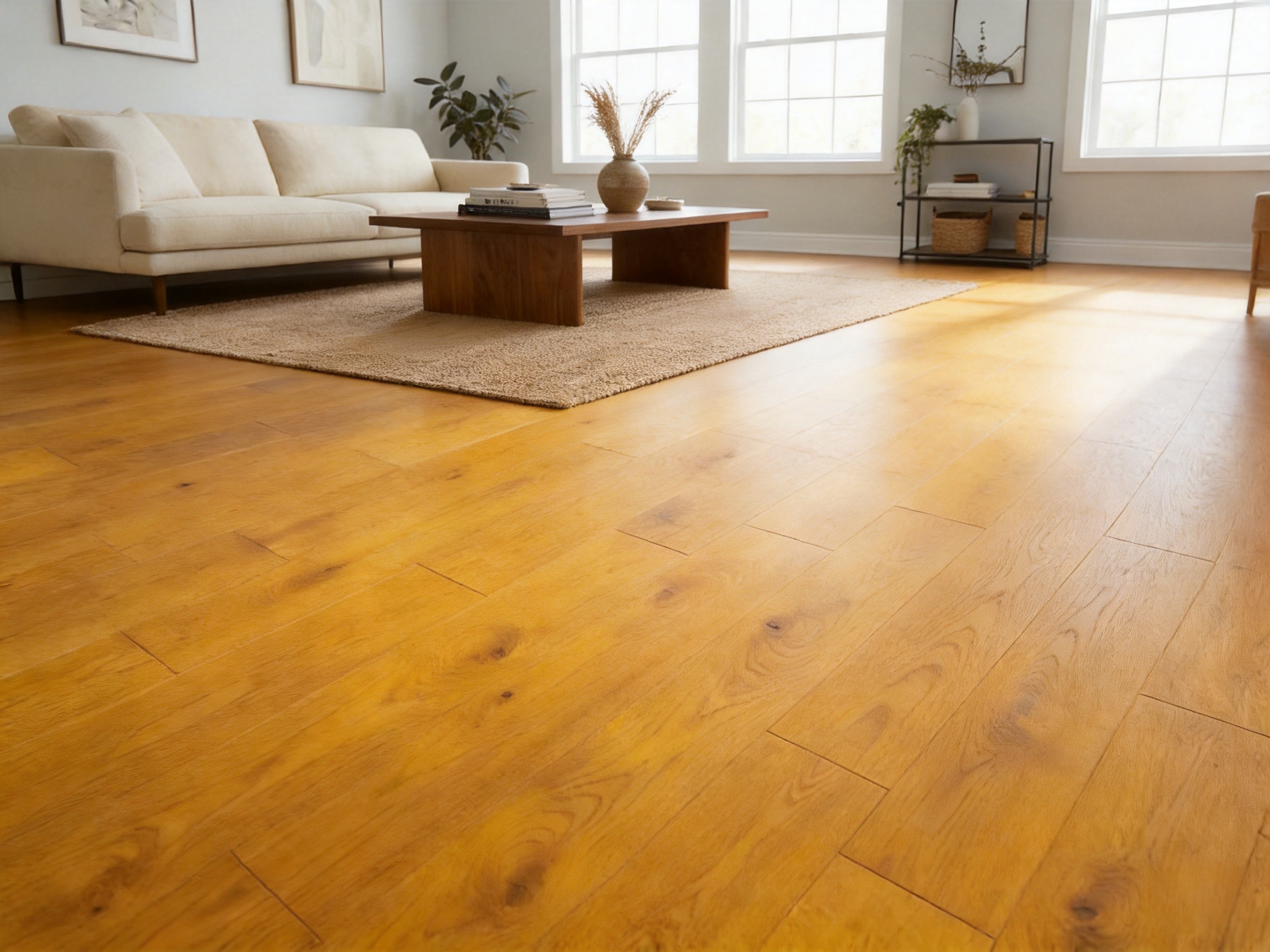
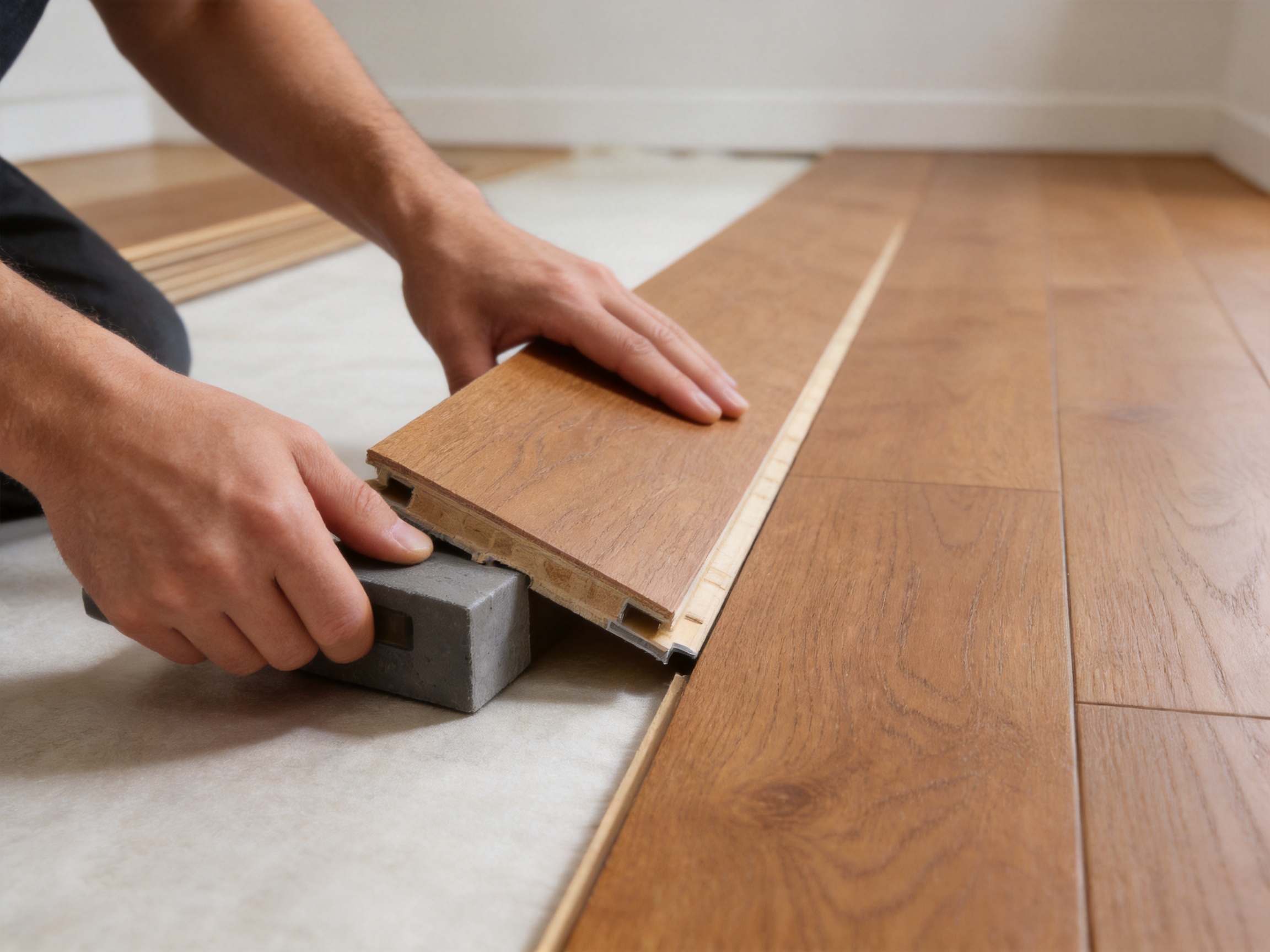
The product uses a click system with an arc-shaped locking concept designed to simplify installation and create tight joints. Installation efficiency is not a minor detail; it directly affects project schedules, labor cost, and jobsite coordination. A flooring product that installs cleanly and quickly can help contractors complete rooms faster, reduce adhesive mess in floating installations, and limit disruption in renovation environments.
The floor can be installed by floating, glue-down, or staple methods, giving professionals flexibility. Floating installation is often chosen for speed and cleanliness, especially when subfloor conditions are suitable and underlayment performance is required. Glue-down installation can provide a firm feel and is common in commercial or higher-end residential applications. Staple installation may be selected over appropriate wood subfloors when mechanical fastening is preferred. This range of methods allows one product platform to serve multiple project requirements.
The micro-bevel on all four sides improves the finished appearance by defining each plank subtly. A micro-bevel can help reduce the visual impact of slight subfloor or plank tolerance variations and gives the floor a refined board-by-board appearance. It is less dramatic than a deep bevel but more forgiving and visually structured than a completely square edge. For a natural oak floor, this profile detail supports a premium installed look.
Click-lock flooring also has advantages for distribution. Installers and end users often prefer systems that are familiar, efficient, and reliable. A product that requires complex installation is harder to sell, especially in markets where skilled labor availability varies. By offering a click system along with alternative installation methods, the flooring meets both professional and practical expectations.
For renovation projects, speed matters even more. Homeowners and commercial operators want less downtime, less dust, and less disturbance. A click engineered wood floor can often be installed more efficiently than traditional unfinished wood flooring that requires sanding and finishing on site. Factory-applied finishes also provide controlled quality and reduce odor and curing concerns associated with site finishing.
A flooring surface must resist everyday friction, foot traffic, small impacts, cleaning routines, and the occasional movement of furniture. The product’s 7-layer UV coating system is designed to improve wear and scratch resistance while preserving the beauty of the natural veneer. UV coating technology allows finishes to cure rapidly under controlled factory conditions, creating a consistent protective layer that would be difficult to reproduce manually on site.
The phrase 7-layer UV coating indicates a structured finishing process rather than a single simple coat. Multiple layers can contribute to adhesion, leveling, color control, surface protection, and final sheen. In a professional manufacturing environment, each step can be monitored for coating weight, curing quality, and surface uniformity. This is important because finish performance depends not only on the material used but also on how consistently it is applied.
UV lacquer is often chosen for projects requiring strong protection and easy daily cleaning. It forms a more sealed surface and can help resist staining and abrasion in active households or commercial spaces. UV oil creates a more natural look and may allow the grain and texture to feel more open. Hardwax oil sits between traditional oil aesthetics and protective surface performance, offering a warm tactile quality. Because the product supports customizable finish systems, buyers can align the surface with target market expectations.
Scratch resistance does not mean a floor is impossible to scratch. All real wood floors require reasonable care. Sharp objects, dragged furniture, abrasive sand, and prolonged water exposure can damage the surface. However, a well-applied UV system gives the floor stronger everyday protection than untreated or poorly finished wood. This is essential for customers who want natural wood but do not want fragile performance.
Maintenance is straightforward. Routine care should include dry wiping, vacuuming with a suitable brush head, prompt removal of spills, and the use of protective pads under furniture. Prolonged standing water should be avoided. With regular cleaning and appropriate humidity management, the flooring can maintain its beauty and durability over time.
One of the strongest competitive advantages of this flooring is the level of customization available. Flooring markets vary significantly by region. Some customers prefer pale oak with a matte finish; others prefer darker tones, brushed textures, rustic knots, or high-grade clean faces. Commercial projects may require consistent color lots and specific surface performance, while residential customers may prioritize warmth and natural variation. A manufacturer that can support customization helps customers address these different requirements without sourcing from multiple suppliers.
The customizable veneer species include oak, walnut, ash, and teak. Oak offers a broad mainstream appeal. Walnut provides a deeper, more luxurious color and is often associated with premium interiors. Ash can offer a lighter, active grain pattern suitable for contemporary design. Teak is valued for rich tone and distinctive character. Although the highlighted product uses oak, the same manufacturing capability can support a wider product portfolio.
Veneer thickness options give procurement teams control over cost-performance positioning. A 2 mm veneer can serve value-oriented real wood flooring markets. A 3 mm or 4 mm veneer can provide a stronger mid-to-premium specification. A 6 mm veneer can support high-end demands where a thicker wear layer is a selling point. This flexibility is valuable for distributors managing multiple price tiers.
Veneer grading is another important design lever. AB grade is cleaner and more uniform, suitable for modern luxury interiors. ABC grade allows moderate natural variation. ABCD and CD grades can express a more rustic or natural character with knots, color differences, and stronger grain presence. Rather than treating natural variation as a defect, the right grading strategy turns it into a design feature.
Color customization is equally important. The oak tan style is warm, balanced, and versatile, but project designers may request lighter beige, smoked brown, gray undertones, honey tones, or custom stains. With controlled sampling and production, a manufacturer can help architects and buyers achieve consistent visual results across large projects.
The company also supports OEM and ODM customization, which is especially important for international partners. Distributors may require private-label packaging, regional specification adjustments, unique color lines, or exclusive textures. Contractors may need project-specific thicknesses, finishes, or certification documentation. The ability to move from concept to prototype quickly supports faster decision-making and more efficient sales development.
Behind the product is Suzhou Dicosbo Wood Co., Ltd., operating under the DEIF wood solutions identity. The company has specialized in wood flooring, wooden doors, and custom cabinet solutions since 1999. More than two decades of experience in wood processing gives the manufacturer a strong understanding of material behavior, production control, export documentation, and project requirements. This history matters because engineered wood flooring is not only a design product; it is a precision-manufactured building material.
The company operates around 20,000 square meters of production facilities and has more than 10 years of export experience. It serves over 100 global partners across regions such as Europe, North America, and Southeast Asia. For international buyers, export experience is critical. It means the supplier is familiar with packaging standards, shipping requirements, documentation, product consistency, communication expectations, and compliance demands across different markets.
Annual production capacity reaches approximately 2,400,000 square meters of flooring and 5,000 sets of doors. Capacity is important for both large projects and stable distribution supply. A supplier with insufficient capacity may perform well for small orders but struggle when repeat demand increases. Strong capacity helps reduce lead time risk and supports long-term partner planning.
The manufacturing system includes German imported production lines and automated quality control systems. Advanced equipment contributes to precision in cutting, profiling, coating, and finishing. In engineered flooring, accuracy is essential. If plank dimensions are inconsistent, installation becomes difficult. If locking profiles vary, joints may fail or create gaps. If sanding and coating are uneven, the surface may show defects or wear inconsistently. Automated and standardized processes reduce these risks.
The company follows a strict 3-step quality inspection process. Although each production batch may involve many detailed checks, the concept of multi-stage inspection is essential: materials must be evaluated before production, semi-finished products must be monitored during processing, and finished goods must be checked before packaging and shipment. This layered inspection approach helps prevent defects from moving forward unnoticed.
Another important strength is 72-hour rapid prototyping. In the flooring industry, color and texture approval can slow down projects. Designers often need samples for mood boards, showrooms, client meetings, and mock-ups. A fast prototyping capability allows buyers to evaluate custom colors and finishes quickly, shortening the time from idea to order. This is a competitive advantage in project bidding and private-label product development.
Modern flooring procurement increasingly requires documentation related to safety, sustainability, and quality management. The product is supported by compliance capabilities including CE, FSC, CARB P2, and ISO 9001 standards. These are not merely marketing terms; they help buyers satisfy legal, environmental, and project specification requirements.
FSC certification supports responsible forest resource management and is especially valuable in markets where sustainability is a procurement priority. Architects, developers, and retailers increasingly ask whether wood materials can be traced to responsibly managed sources. FSC-related capability helps answer that question and improves the product’s suitability for green building projects.
CARB P2 compliance is relevant for formaldehyde emission control in composite wood products. Indoor air quality is a major concern for residential and commercial interiors. Flooring materials must not only look good but also support healthier indoor spaces. Compliance with recognized emission standards helps reassure buyers, especially in North American-related markets or projects influenced by similar requirements.
CE marking supports access to European market expectations for product conformity. ISO 9001 reflects a quality management system approach, emphasizing consistent processes, documentation, improvement, and customer satisfaction. For international distributors, these standards reduce procurement risk and make the product easier to introduce into regulated or quality-sensitive markets.
Sustainability also appears in the engineered structure itself. By using a real hardwood veneer over a stable core, engineered flooring can make efficient use of valuable hardwood resources. Instead of using a full-thickness solid oak plank, the product concentrates oak where it matters most visually and functionally: on the surface. The core can use suitable fast-growing or structurally appropriate materials, supporting a more resource-efficient approach.
Long service life is another sustainability factor. A low-quality floor that fails early creates waste, replacement cost, and customer dissatisfaction. A stable engineered floor with proper coating, installation, and maintenance can remain attractive for many years. Durability is therefore not only an economic advantage but also an environmental one.
The product competes in a market that includes solid wood flooring, laminate flooring, SPC flooring, low-cost engineered wood, and premium multi-layer products. Each category has strengths, but the 3-layer oak tan engineered flooring offers a balanced value proposition that makes it especially competitive for customers seeking real wood aesthetics with practical performance.
Compared with solid wood flooring, the main advantage is stability. Solid wood can be beautiful, but it is more vulnerable to movement. The 3-layer engineered structure reduces risks of warping and cracking by using a balanced core construction. This makes it more suitable for modern interiors with changing humidity, wider planks, and varied installation conditions.
Compared with laminate flooring, the advantage is authenticity. Laminate typically uses a printed decorative image rather than a real wood wear layer. While laminate can be cost-effective, it lacks the depth, natural variation, and tactile quality of real veneer. The oak tan engineered floor provides genuine wood character, helping interiors feel warmer and more premium.
Compared with SPC or rigid vinyl flooring, the advantage is natural material value. SPC can offer water resistance and dimensional stability, but it does not deliver the same real wood surface. For hotels, residences, and high-end commercial interiors where natural materials are part of the design story, engineered wood creates a more elevated impression. It also aligns better with clients who prefer wood-based interior finishes.
Compared with low-grade engineered flooring, the advantage lies in manufacturing control, customization, and certifications. Not all engineered floors are equal. Poor-quality products may have weak cores, inconsistent locking systems, uneven veneer selection, unstable coating, or limited compliance documentation. This product is supported by experienced production, quality inspection, customizable specifications, and international certification capabilities.
Compared with generic oak flooring, the product’s tan natural grain surface offers a carefully positioned color that is easy to apply across many design styles. Some competitor products use colors that are too trend-specific, making them harder to sell over time. A warm, balanced tan tone has longer market life and broader compatibility.
Another competitive advantage is the manufacturer’s integrated wood solutions background. Because the company also works with wooden doors and custom cabinets, it understands full interior coordination. Flooring is often selected together with doors, wall panels, cabinetry, stairs, and furniture. A supplier familiar with multiple woodwork categories can better support designers and project buyers seeking harmonious interior material palettes.
In residential interiors, flooring is one of the most influential surfaces. It covers a large area, affects light reflection, influences acoustic comfort, and shapes the emotional tone of a room. The oak tan engineered floor is well suited to homes that need comfort, natural warmth, and long-term practicality.
In a living room, the warm oak tone can create a welcoming foundation for sofas, rugs, low tables, and media walls. It pairs well with neutral fabrics, natural stone, warm lighting, and wood furniture. The natural grain adds interest without overwhelming the space. For open-plan apartments, the floor can help connect dining, living, and circulation zones into a cohesive environment.
In a study or home office, the floor supports a calm and focused atmosphere. The tan tone is not too dark, which helps maintain brightness, but it is rich enough to feel grounded and serious. With bookshelves, cabinets, or a writing desk, the oak surface creates an environment that feels mature and comfortable.
In bedrooms, engineered wood is often preferred over colder surfaces because it feels visually soft and inviting. The natural veneer adds a sense of comfort that synthetic flooring may not fully achieve. With suitable underlayment and installation, it can also contribute to a quieter walking experience compared with some hard mineral surfaces.
For villas and premium apartments, customization options become especially valuable. Designers can specify veneer grade, finish sheen, texture, and color to match doors, cabinets, stair treads, or wall panels. The result is a more coordinated interior rather than a floor selected in isolation.
Daily maintenance is manageable for homeowners. Dry cleaning, prompt spill removal, furniture pads, and avoidance of sharp scratching are simple habits. The UV coating system supports ordinary household use, while the engineered core helps reduce seasonal movement problems that can concern solid wood users.
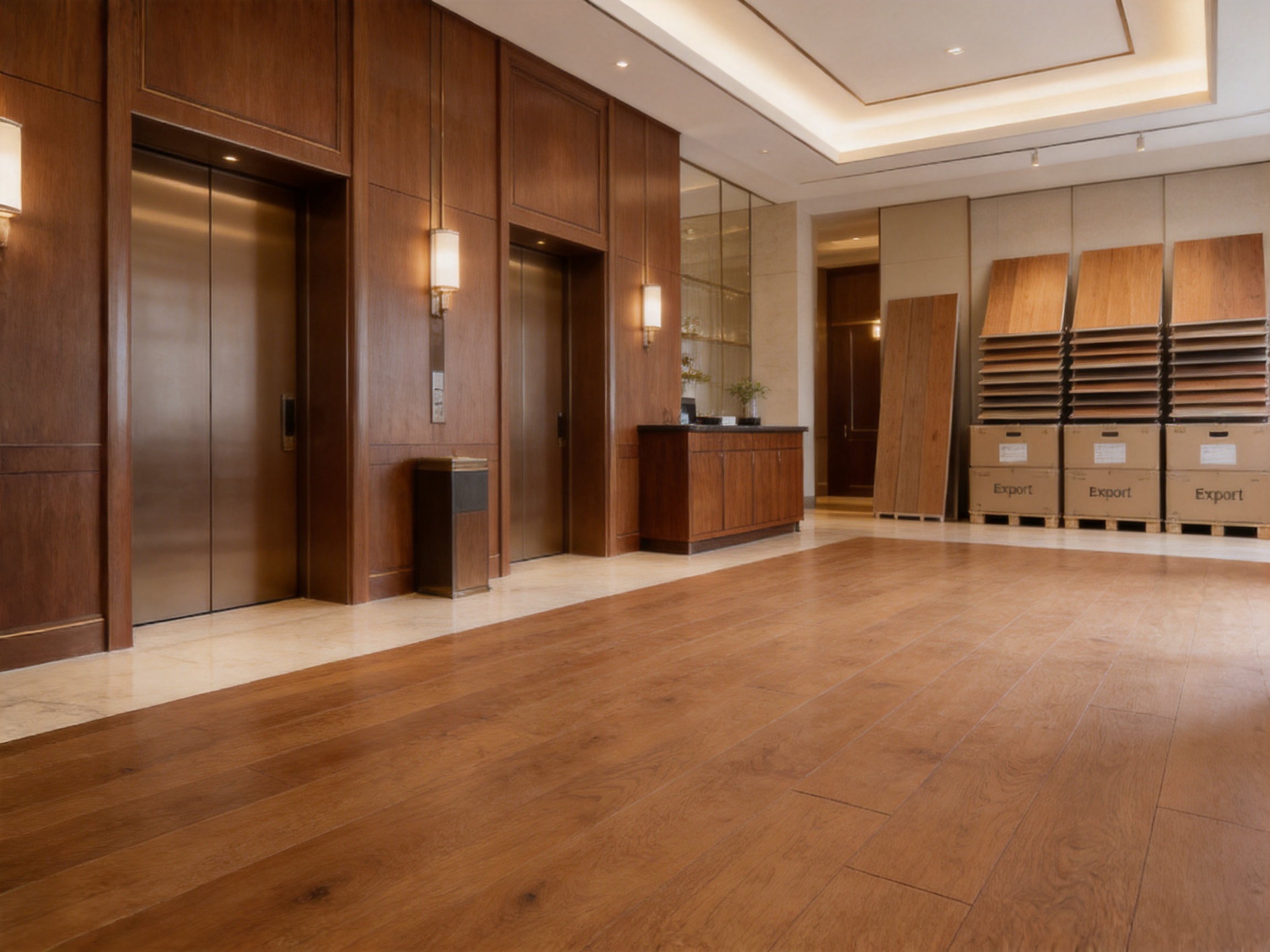
Commercial interiors require a different balance of beauty and durability. A floor may need to welcome customers, support brand image, and withstand higher traffic than a typical home. The 3-layer oak tan engineered flooring is suitable for commercial spaces where a natural and elegant look is required, provided that the correct specification, finish, installation method, and maintenance plan are selected.
In boutique retail spaces, wood flooring can help create warmth and a sense of quality. Products displayed in a natural wood environment often appear more refined and approachable. The tan oak tone is neutral enough not to compete with merchandise but rich enough to improve the store atmosphere.
In offices, the floor can be used in executive areas, meeting rooms, reception zones, and collaborative spaces. Wood brings a humanizing element to workplaces that might otherwise feel too technical or cold. The click system and engineered construction can support efficient fit-out schedules, while customizable finishes allow the floor to align with corporate identity.
In hospitality settings such as hotel suites, lounges, serviced apartments, and private clubs, oak engineered flooring can contribute to a sense of comfort and sophistication. The 7-layer UV coating helps with surface protection, and the real wood veneer improves the perceived quality of the interior. Proper cleaning protocols and entrance matting are important in these environments to reduce abrasive wear.
In residential development projects, the product’s broad color appeal and compliance support are especially useful. Developers want a floor that helps sell the space, reduces maintenance complaints, and fits procurement budgets. The ability to customize veneer thickness, finish, and grade allows the product to be positioned for different levels of development, from mid-range apartments to premium homes.
For architects, the product provides specification flexibility. It can be proposed as a real wood surface with engineered stability, available in multiple textures, finishes, grades, and installation methods. That flexibility simplifies design coordination and allows flooring schedules to match different areas within a project.
Flooring is heavy, bulky, and sensitive to moisture, impact, and handling. Good product performance begins at the factory but must be protected through packaging, storage, shipping, and jobsite preparation. The listed carton configuration of 10 pieces, 2.03 square meters, and 24 kilograms provides a practical balance between coverage and handling. Cartons are substantial enough for efficient logistics but still manageable for installers.
For international buyers, supply reliability is a decisive factor. A flooring product may be attractive, but if production schedules are unstable or packaging is inconsistent, project risk increases. The company’s production capacity and export experience help support stable supply for distributors and project customers. Serving more than 100 global partners indicates familiarity with repeat orders, market variations, and international communication.
Consistency across batches is especially important for flooring. Color, gloss, texture, dimensions, and locking precision must remain controlled. If a distributor sells from inventory or a contractor installs across multiple phases, inconsistent batches can create visual and installation problems. Advanced production equipment, standardized finishing, and multi-step inspection reduce this risk.
OEM and ODM support also affects logistics planning. Private-label customers often require specific cartons, labels, instructions, barcodes, and marketing documentation. A supplier capable of adapting packaging and product presentation helps distributors build their own market identity while relying on experienced manufacturing.
Before installation, cartons should be stored in dry, enclosed conditions and allowed to acclimate according to professional flooring practice and local requirements. Even stable engineered wood is still wood-based and should be protected from excessive moisture, direct rain, and extreme temperature changes. Proper logistics and installation discipline ensure that the product’s engineered advantages are fully realized.
A successful floor is not judged only on the day of installation. It must continue to look good through years of daily use. The oak tan engineered flooring is designed for long-term value when matched with appropriate maintenance habits. The surface coating improves resistance to wear and scratching, while the engineered structure helps maintain board stability.
Daily care should include sweeping, vacuuming with a soft floor attachment, or wiping with a dry or slightly damp cloth when appropriate. Excessive water should be avoided because prolonged water exposure can damage real wood flooring. Spills should be removed promptly, especially liquids that may stain or penetrate joints. Entrance mats can reduce sand and grit, which are major causes of surface abrasion.
Furniture protection is important. Felt pads should be used under chairs, tables, and movable furniture. Heavy furniture should not be dragged directly across the floor. Office chairs should use suitable mats or soft casters. These simple measures extend the surface life of any real wood floor.
Humidity management also supports performance. Extremely dry conditions can cause shrinkage, while excessive humidity can cause swelling. Engineered flooring is more stable than solid wood, but it still benefits from normal indoor humidity control. This is particularly important in regions with strong seasonal climate changes.
The lifecycle value of engineered flooring comes from the combination of beauty, stability, maintainability, and user satisfaction. A cheaper material may reduce initial cost but fail to deliver the same interior value or long-term appeal. A well-made engineered oak floor can contribute to property quality and create a lasting impression for residents, guests, tenants, and customers.
Because the manufacturer specializes not only in flooring but also in wooden doors and custom cabinets, the flooring can be considered within a broader interior woodwork strategy. This is increasingly important for residential and commercial projects where designers want consistent wood tones and coordinated finishes. A beautiful floor can lose impact if doors, cabinets, and other wood elements clash in color or texture.
The oak tan tone works well as a base for coordinated interiors. Doors can be specified in complementary warm wood colors, cabinets can use matching or contrasting finishes, and wall panels can be selected to reinforce the design language. The ability to discuss flooring, doors, and cabinets with one experienced wood solutions manufacturer can simplify project communication.
For developers, coordinated woodwork may improve the perceived quality of a property. Buyers notice when flooring, cabinetry, and doors feel intentionally matched. Even when exact matching is not required, harmony in undertone, grain scale, and sheen can make interiors feel more expensive and professionally designed.
For contractors, working with a supplier familiar with multiple categories can reduce sourcing complexity. Different interior elements still require separate technical considerations, but a coordinated supplier relationship can improve sample approval, color matching, production planning, and after-sales communication.
This integrated approach also benefits distributors. A distributor may begin by purchasing flooring and later expand into doors or cabinets for project clients. The manufacturer’s broader capability creates opportunities for portfolio development and deeper customer relationships.
The main difference is the engineered 3-layer structure. Solid wood is made from one full piece of timber and can move more noticeably with humidity and temperature changes. This flooring uses a natural oak veneer over a stable engineered core, helping reduce deformation, warping, and cracking risks while still preserving the appearance of real wood.
The surface is real natural wood veneer. For the highlighted version, the visible layer is oak with a tan natural grain appearance. This gives the floor authentic grain depth, texture, and variation that printed decorative flooring cannot fully reproduce.
Yes. Veneer thickness can be customized in 2 mm, 3 mm, 4 mm, or 6 mm options. This allows buyers to choose a specification that matches budget, durability expectations, and project positioning.
The flooring can be installed by floating, glue-down, or staple methods. It also uses a click system for efficient installation and tight plank joints. The correct method should be selected based on subfloor condition, project requirements, and professional installation guidance.
The surface finish can be customized with UV lacquer, UV oil, or hardwax oil. UV lacquer is often chosen for strong surface protection, UV oil for a more natural appearance, and hardwax oil for a warm tactile feel.
Yes, it is suitable for commercial spaces where natural appearance and durability are important, such as reception areas, boutiques, offices, showrooms, hotel suites, and lounges. The final suitability depends on traffic level, selected finish, installation method, and maintenance plan.
Routine maintenance includes dry wiping, sweeping, vacuuming with a soft brush attachment, and promptly cleaning spills. Avoid prolonged water exposure, sharp object scratching, and dragging heavy furniture. Protective pads and entrance mats are recommended.
The manufacturer supports compliance capabilities including CE, FSC, CARB P2, and ISO 9001. These standards help address quality, sustainability, emissions, and international procurement expectations.
Yes. The product supports customizable sizes, colors, veneer grades, surface textures, finishes, and OEM or ODM requirements. This is useful for distributors, contractors, and designers who need exclusive collections or project-specific specifications.
Oak tan provides a warm, balanced tone that is neither too pale nor too dark. It works with many interior styles, including modern light luxury, new Chinese style, Scandinavian-inspired spaces, and commercial environments that need a welcoming natural surface.
The 3-Layer Oak Tan Natural Grain Surface Click Engineered Wood Flooring offers a compelling combination of real oak beauty, engineered structural stability, customizable specifications, and professional manufacturing support. Its warm tan color and natural grain surface make it suitable for a wide range of interiors, while its 3-layer construction helps address the movement risks associated with solid wood. The click system improves installation efficiency, and the UV coating options support everyday durability.
For homeowners, the product creates a comfortable and elegant living environment. For designers, it provides a flexible material that can adapt to many styles. For contractors, it offers practical installation options and stable performance. For distributors and project buyers, it is supported by customization capability, international compliance, production scale, and experienced export service.
In a competitive flooring market, the product stands out because it does not rely on one advantage alone. It combines aesthetics, structure, finish technology, customization, certification support, and manufacturing strength. This integrated value makes it a strong choice for residential flooring, commercial wood flooring, and architectural floor covering projects that demand both beauty and reliability.
Forest Stewardship Council. FSC Principles and Criteria for Forest Stewardship.
International Organization for Standardization. ISO 9001 Quality Management Systems Requirements.
California Air Resources Board. Airborne Toxic Control Measure for Composite Wood Products.
European Committee for Standardization. Wood Flooring Product Performance and Conformity Guidance.
Wood Handbook: Wood as an Engineering Material. Forest Products Laboratory, United States Department of Agriculture.
Architectural Woodwork Institute. Architectural Woodwork Standards and Interior Wood Product Guidelines.
National Wood Flooring Association. Wood Flooring Installation Guidelines and Maintenance Recommendations.

We provide customers with sustainable and eco-friendly
engineered wood solutions and services.
Choose DEIF for the perfect blend of
performance and aesthetics.
