


 English
 Español
 عربى
عربى

Get Social
Choose DEIF for the perfect blend of
performance and aesthetics.
 Get Free Sample

Content
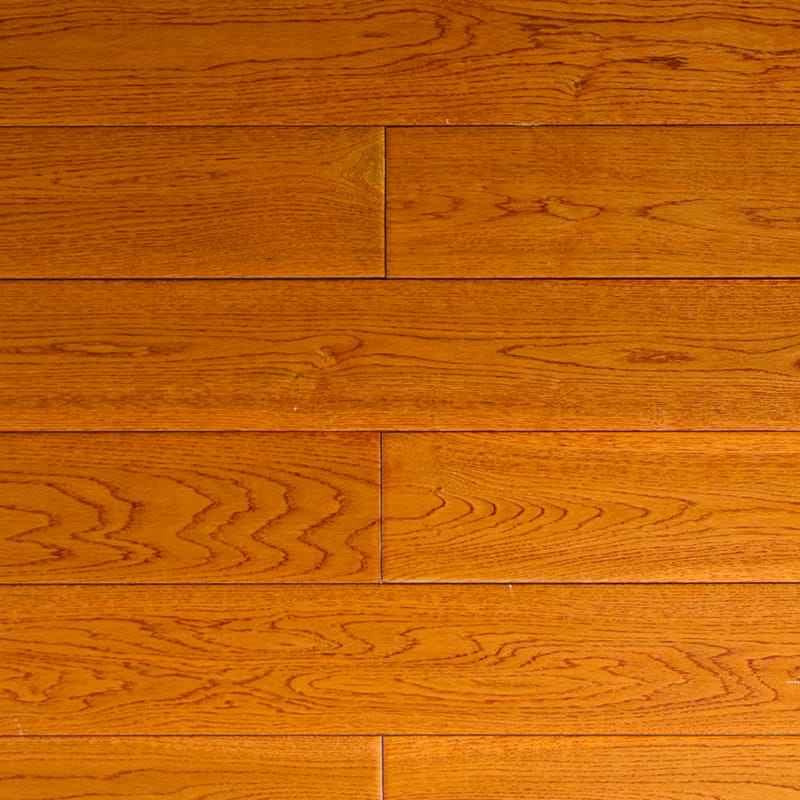
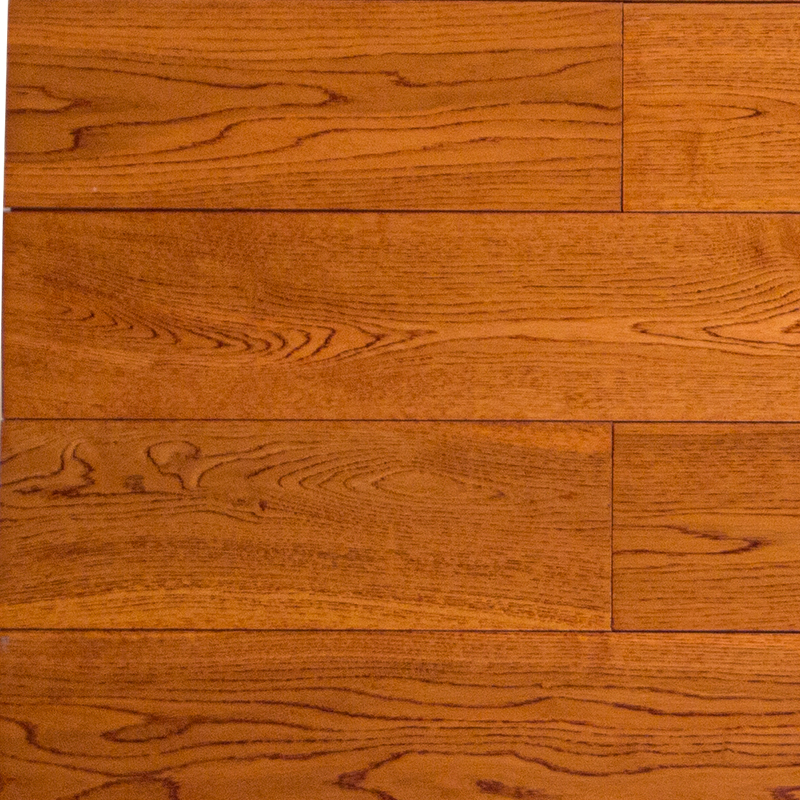
Antique espresso stained oak flooring with a deep wire-brushed surface is designed for interiors that require warmth, character, durability, and a refined vintage atmosphere. Built from a solid oak hardwood core and finished with a rich espresso tone, this flooring combines traditional wood craftsmanship with modern performance requirements for residential, hospitality, retail, and light commercial environments.
The product belongs to the solid oak wood flooring category and is engineered around a clear design intention: to create a floor that looks historically grounded while performing reliably in contemporary spaces. Its dark coffee-colored stain, matte surface, deep wire-brushed texture, and natural oak grain deliver a visual identity that is both elegant and expressive. For designers and project owners who want more than a standard flat wood surface, this flooring offers depth, texture, and a tactile sense of authenticity.
At the same time, the flooring is not only about appearance. It uses a 100% solid hardwood core, E0 environmental standard materials, tongue-and-groove profiling, micro-beveled edges, and customizable surface finishing options. These details support stable installation, long-term service, comfortable walking performance, and the adaptability required by modern interior projects. With CE and FSC certification available as part of the broader manufacturing system, it also meets the expectations of global buyers who require compliance, sustainability, and dependable quality control.
Antique espresso stained oak flooring, deep wire brushed, is a solid wood flooring solution made for spaces where premium aesthetics and practical performance must work together. The flooring uses oak as the primary wood species, a material valued for its strength, attractive grain, dimensional stability, and long-standing reputation in architectural interiors. Oak has been used in flooring for centuries because it provides a balance of hardness, workability, and visual richness.
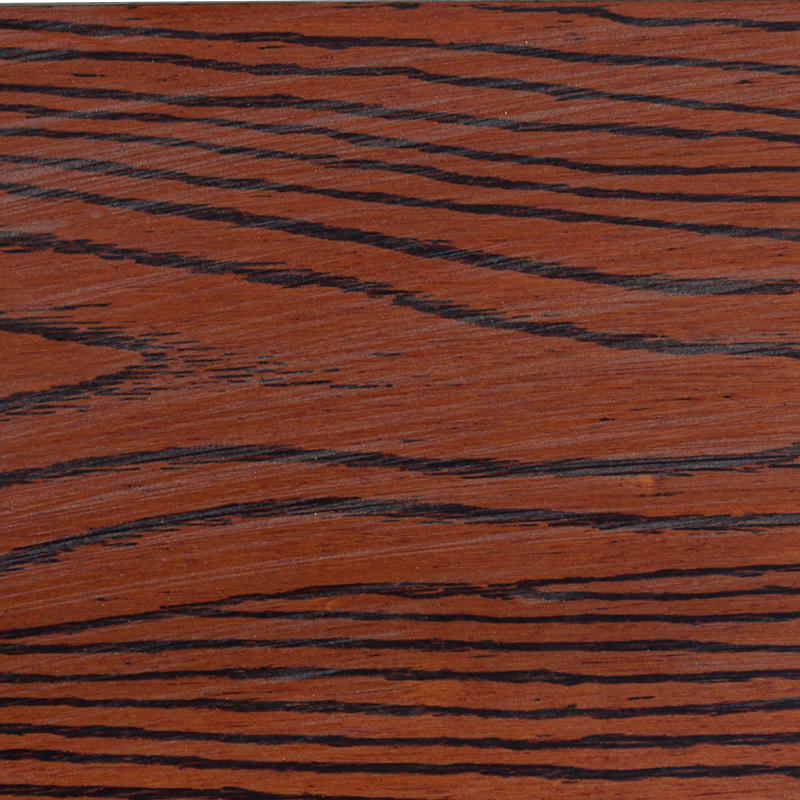
The espresso stain creates a deep coffee-brown tone that gives the floor a mature and elegant atmosphere. Unlike lighter natural oak floors that emphasize brightness and openness, this antique espresso tone creates depth, intimacy, and visual weight. It is particularly suitable for interiors seeking a classic, high-end, or heritage-inspired mood. Living rooms, bedrooms, dining rooms, restaurants, hotels, bars, cafés, and executive offices can all benefit from the flooring’s distinctive visual identity.
The deep wire-brushed surface is another defining characteristic. Wire brushing removes softer wood fibers from the surface and leaves the harder grain raised, creating a textured finish that visually emphasizes the natural oak pattern. This process produces a floor that feels more organic and dimensional than a completely smooth surface. It also helps disguise minor marks from daily use, making the floor practical for active spaces.
In addition to its appearance, the product is designed with modern installation and use requirements in mind. The tongue-and-groove profile enables secure board-to-board connection, while the micro-beveled edge creates subtle definition between planks. The standard dimensions are approximately 35.83 inches by 6.02 inches by 0.71 inches, providing a balanced plank format that works well in both compact and spacious interiors.
| Product Type | Solid Oak Wood Flooring |
| Wood Species | Oak |
| Color Style | Antique Espresso Stain |
| Surface Texture | Deep Wire Brushed; Customizable Options Include Wire Brushed, Handscraped, and Smooth Sanded |
| Surface Finish | Customizable Options Include UV Lacquer, UV Oil, and Hardwax Oil |
| Core Structure | 100% Solid Hardwood Core |
| Profile | Tongue and Groove on Four Sides with Micro-Bevel |
| Standard Dimensions | 35.83 in x 6.02 in x 0.71 in |
| Grade | ABCD Character Grade |
| Pieces Per Carton | 10 |
| Area Per Carton | 1.39 sq.m / 14.99 sq.ft |
| Weight Per Carton | 18.8 kg |
| Moisture Content | 8%–10% with +/- 2% Tolerance |
| Installation Methods | Glue or Staple |
| Environmental Standard | E0, Formaldehyde Emission ≤ 0.05 mg/m³ |
| Certification Support | CE and FSC |
Oak is one of the most respected hardwood species for flooring because it combines density, grain beauty, structural strength, and long-term usability. In interior design, oak carries a broad emotional and architectural appeal. It can look traditional, rustic, modern, industrial, or luxurious depending on how it is cut, stained, brushed, and finished. For this antique espresso stained floor, oak serves as the ideal foundation because its natural grain responds well to deep brushing and dark staining.
Solid oak flooring has a direct advantage over many lower-grade alternatives because the entire board is made from hardwood rather than a thin decorative layer over a composite base. This gives the floor authenticity in both appearance and performance. The walking feel is warmer and more natural, and the wood surface can be maintained over time with proper care. In many projects, solid hardwood also contributes to a sense of permanence and property value.
Compared with laminate flooring, solid oak offers more natural variation and a more genuine tactile experience. Laminate products can imitate wood visually, but they cannot fully reproduce the depth, grain movement, and natural surface feel of real oak. Compared with many vinyl flooring products, oak provides a more premium architectural identity and does not rely on printed decorative films. Compared with low-quality engineered floors, this solid oak product offers a more substantial wood structure and a stronger connection to traditional craftsmanship.
The oak species used in this flooring also supports the antique espresso color beautifully. The grain accepts stain in a way that creates contrast between earlywood and latewood, while wire brushing enhances this contrast further. The result is a surface with visual rhythm rather than flat darkness. This is important because dark floors can sometimes appear heavy or plain if the texture is not well developed. The deep brushed oak grain prevents that problem by adding movement and character.
The espresso stain is one of the strongest design elements of this flooring. It creates a deep brown shade associated with coffee, aged timber, antique furniture, and classic interiors. The tone is not merely dark; it has warmth, richness, and a refined vintage personality. In homes, it can make living areas feel grounded and inviting. In commercial interiors, it can create a sense of sophistication and atmosphere.
Dark stained floors are especially effective when paired with light-colored walls, brass or black metal details, leather furniture, stone surfaces, textured fabrics, and warm lighting. The antique espresso tone provides a dramatic base that allows other design elements to stand out. In a hotel lobby, it can help create an upscale first impression. In a restaurant or café, it can support a relaxed but elegant guest experience. In an executive office, it can communicate stability, maturity, and confidence.
Another advantage of espresso staining is its ability to unify natural wood variation. Oak boards naturally contain differences in grain and color. The dark stain reduces extreme visual contrast while still allowing the grain to remain visible. This makes it suitable for projects that want natural character without a chaotic appearance. The result is controlled variation: enough to feel authentic, but balanced enough to support professional interior design schemes.
The use of environmentally friendly dyes further strengthens the product’s value proposition. A high-quality stain does not simply darken the surface; it enhances the natural beauty of the wood while contributing to a distinctive aged tone. When combined with a matte coating, the espresso color becomes elegant rather than glossy or artificial. This understated finish is increasingly preferred in modern premium interiors because it feels more natural and less reflective.
Deep wire brushing is both an aesthetic and functional surface process. During wire brushing, specialized brushes abrade the softer portions of the oak surface while leaving harder grain lines more pronounced. This creates a textured pattern that follows the natural structure of the wood. The deeper the brushing, the more noticeable the grain relief and tactile quality become.
From a design perspective, wire brushing gives the floor an aged, handcrafted, and architectural appearance. It is especially suitable for an antique espresso stained product because the dark stain settles into the textured grain, highlighting the three-dimensional structure of the wood. The effect is different from a smooth stained floor, which can sometimes appear more formal or uniform. Deep brushing gives the floor a lived-in elegance and a strong historical character.
From a practical perspective, wire brushing can help reduce the visibility of small scratches, dents, and daily wear marks. A perfectly smooth, glossy dark floor may show marks more easily because surface reflections reveal imperfections. A brushed matte surface is more forgiving. This makes the flooring useful for busy homes, boutique commercial spaces, hospitality areas, and dining environments where foot traffic and furniture movement are common.
Wire brushing also enhances anti-slip performance compared with high-gloss smooth surfaces. The raised texture gives the foot more contact variation, while the matte coating reduces reflectivity and slickness. Although no wood floor should be treated as a specialized industrial safety surface unless tested for that purpose, this product’s surface design supports safer daily use in residential and light commercial environments.
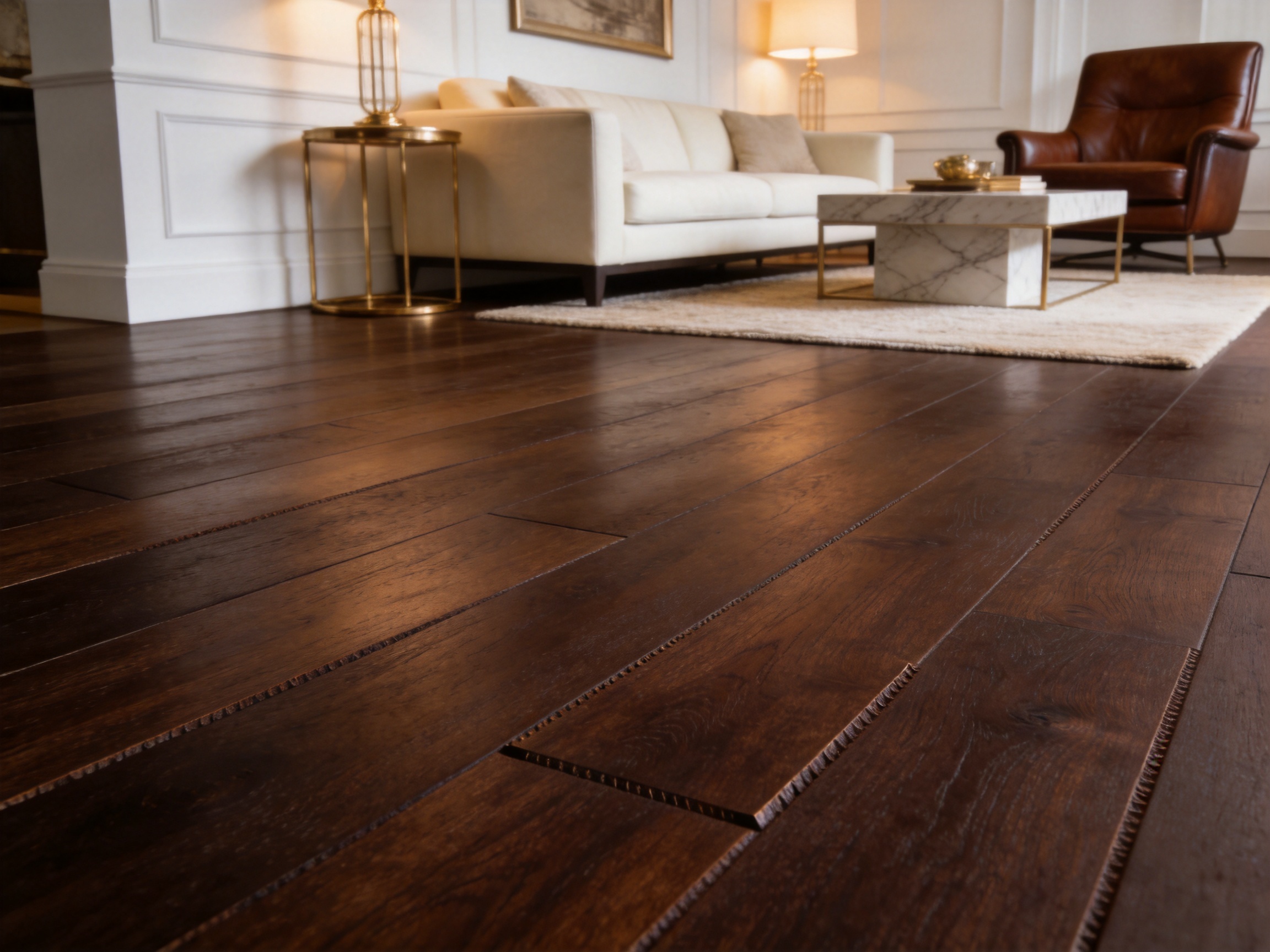
The protective coating is essential to the long-term performance of any wood flooring. For this antique espresso stained oak floor, a matte finish is used to support durability, reduce unwanted glare, and preserve the natural feeling of the brushed surface. Matte finishes have become widely preferred in premium wood flooring because they look less artificial and more connected to the natural material.
The product can be customized with UV lacquer, UV oil, or hardwax oil depending on project requirements. UV lacquer is often selected for strong surface protection, efficient production curing, and good wear resistance. UV oil offers a more natural look and can enhance the grain depth. Hardwax oil provides a breathable, tactile finish with a traditional appearance and is valued in projects seeking a more handcrafted or European-style surface feel.
The protective coating helps improve resistance to daily wear, supports easier cleaning, and contributes to long-term appearance retention. It can also reduce dust accumulation compared with some highly glossy surfaces because matte texture tends to show less visible dust and reflection. For commercial spaces such as restaurants, bars, cafés, and hotel rooms, this can be especially helpful because floors must remain presentable under frequent use.
The finish is not only a protective layer but also a design tool. A glossy espresso floor can look formal and dramatic, but it may also reveal scratches and require more careful maintenance. A matte espresso floor feels warmer and more contemporary. It allows the deep stain and brushed grain to be appreciated without mirror-like reflection. This makes the floor suitable for interiors that want elegance without excessive shine.
Modern flooring buyers increasingly consider environmental standards, indoor air quality, and responsible sourcing. This product is designed to meet the E0 environmental standard, with formaldehyde emission of no more than 0.05 mg/m³. For interior products, low emissions are important because flooring covers a large surface area and remains in place for many years. A low-emission wood flooring product can contribute to healthier indoor environments.
The use of a 100% solid hardwood core also reduces dependence on composite layers. Unlike some flooring products that rely heavily on adhesives within multi-layer structures, a solid hardwood board is made from natural wood throughout. This supports a more authentic material composition. For projects where clients value natural interiors, sustainability messaging, and long-term material integrity, this is a strong advantage.
Certification support such as CE and FSC further strengthens the product’s position for international markets. CE compliance is important for European project requirements, while FSC certification supports responsible forest management and traceability expectations. Many distributors, contractors, architects, and project owners now require such documentation before selecting materials for large-scale or high-value projects.
Environmental responsibility is not only about certification; it is also about product lifespan. A durable floor that remains attractive for many years can reduce replacement frequency and material waste. The combination of solid oak, a protective matte finish, and maintainable surface treatment supports long-term use. When properly installed and cared for, solid oak flooring can provide excellent value over its service life.
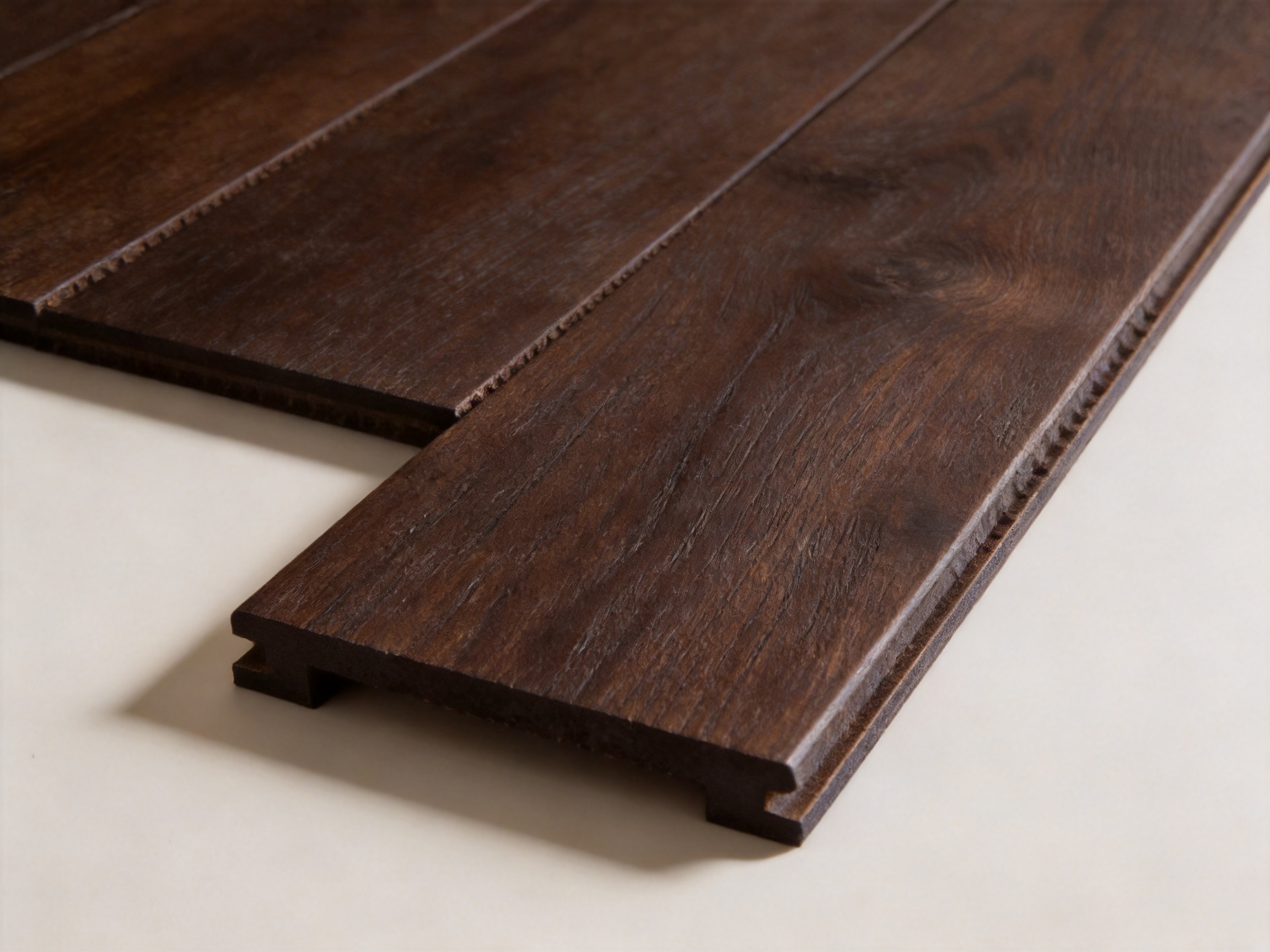
The flooring uses a tongue-and-groove system on four sides with micro-beveled edges. Tongue-and-groove profiling is a proven installation method for hardwood flooring because it creates reliable board alignment and tight structural connection. The tongue of one board fits into the groove of the adjacent board, helping maintain a stable floor surface after installation.
This product is suitable for glue or staple installation methods. Glue installation can provide strong adhesion to the subfloor and is often selected when a secure, quiet floor is desired. Staple installation is a traditional hardwood flooring method that mechanically fastens boards to a suitable wood subfloor. The correct method depends on site conditions, subfloor type, climate, and project requirements.
The micro-beveled edge adds a subtle line between planks. This detail is useful for real wood flooring because it accommodates slight natural dimensional variation and gives the installed floor a defined plank appearance. It also complements the antique design style, making each board visually distinct without creating overly wide gaps.
Moisture content is controlled at 8%–10% with a tolerance of +/- 2%, which is important for dimensional stability. Wood naturally expands and contracts in response to humidity changes. Proper kiln drying, moisture control, and acclimation before installation all help reduce movement, cupping, crowning, and gaps. Professional installation practices remain essential, but manufacturing moisture control provides a reliable foundation.
The product information indicates suitability for underfloor heating under appropriate conditions. This is increasingly important because many residential and hospitality projects now use radiant heating systems for comfort and energy efficiency. Wood flooring over underfloor heating requires careful specification, stable material preparation, correct installation, and controlled operating conditions.
Oak is a favorable hardwood choice for many heating applications because it has relatively good stability compared with some more movement-prone wood species. However, all solid wood flooring must be managed carefully when used with radiant heat. Gradual heating, proper subfloor preparation, moisture testing, and stable indoor humidity are essential. The floor should not be exposed to sudden extreme temperature changes or excessive moisture.
When installed correctly, the natural warmth of solid oak enhances the comfort of underfloor heating. Unlike some cold hard surfaces, wood feels pleasant underfoot and contributes to a more comfortable living environment. This supports the product’s appeal for bedrooms, living rooms, dining spaces, and boutique hospitality rooms where comfort is a priority.
The brushed matte surface further enhances the tactile experience. Walking on this floor is not only about temperature but also about texture. The surface has a natural feel that makes the space more sensory and inviting. For high-end interiors, such details can significantly improve the perceived quality of the environment.
The value of this flooring is closely connected to the manufacturer’s production capability. Suzhou Dicosbo Wood Co., Ltd., operating with the DEIF wood solutions platform, has developed a broad manufacturing system for wood flooring, wooden doors, and custom cabinets. Founded in 1999, the company has more than 20 years of experience in wood product manufacturing and more than 10 years of export experience.
The company operates approximately 20,000 square meters of production facilities and serves more than 100 global partners across Europe, North America, and Southeast Asia. This scale matters because flooring buyers, distributors, contractors, and architects need more than an attractive product sample. They need repeatable quality, stable supply, technical support, customization capability, and compliance documentation.
Annual production capacity reaches approximately 2,400,000 square meters of flooring, allowing the company to support both ongoing distribution programs and project-based orders. This capacity gives buyers confidence when selecting materials for multi-room residential developments, hospitality projects, retail chains, or commercial renovations. A supplier with limited capacity may struggle to deliver consistent batches, but a mature production system can better manage order volume and delivery schedules.
The company is equipped with German imported production lines and automated quality control systems. Advanced equipment improves precision in cutting, profiling, surface treatment, finishing, and inspection. For solid wood flooring, manufacturing precision is essential because small errors in milling or moisture control can affect installation quality and long-term performance. A tight tongue-and-groove profile, consistent board thickness, and accurate edge treatment all contribute to a better finished floor.
The production of antique espresso stained oak flooring requires coordinated control across multiple stages. It begins with wood selection. Oak boards must be evaluated for grain, defects, stability, and suitability for the intended grade. The ABCD character grade allows natural variation, knots, and grain features that support the floor’s vintage identity. However, character grade still requires careful selection so that the final floor looks intentional rather than random or low quality.
After selection, drying and moisture conditioning are critical. Wood that is too wet may shrink after installation; wood that is too dry may expand when exposed to normal indoor humidity. The target moisture content of 8%–10% supports stability for many interior environments. Controlled drying also helps reduce internal stress and deformation risk.
Precision milling follows. Boards are cut to dimension and profiled with tongue-and-groove connections on four sides. The micro-bevel is added to create clean edge definition. Milling accuracy determines how well the flooring fits together during installation. Poorly milled boards can create gaps, uneven surfaces, or installation delays. A professional manufacturing process reduces these risks.
Surface preparation is then performed. For the deep wire-brushed version, the surface is brushed to raise and expose the natural oak grain. The brushing depth must be consistent across boards so the installed floor has a harmonious texture. If brushing is too shallow, the vintage effect may be weak. If it is too aggressive or inconsistent, the surface may feel uneven or visually unstable. Skilled process control is therefore essential.
Staining is another key stage. The antique espresso color must penetrate and highlight the grain without hiding the wood’s natural beauty. High-quality, environmentally friendly dyes are used to produce a rich coffee tone. Color consistency is particularly important for project orders, because visible mismatch between cartons can affect the final installation. Professional manufacturers control stain formulation, application method, drying time, and batch inspection to reduce this risk.
The protective finish is applied after staining. Depending on project requirements, UV lacquer, UV oil, or hardwax oil can be selected. The finishing line must control coating thickness, curing, adhesion, surface feel, gloss level, and wear performance. The final matte appearance must be elegant and uniform while preserving the tactile brushed texture.
Inspection is performed before packaging. The company uses a strict three-step quality inspection process, supporting dimensional consistency, surface quality, color control, moisture content, and packaging accuracy. This is especially valuable for international buyers because shipping wood flooring across regions requires confidence that products will arrive ready for professional installation.
One of the strongest advantages of this flooring is its customization capability. The product can be customized in size, color, surface texture, and finish. This matters because flooring markets vary significantly. European buyers may prefer natural oils and subtle matte surfaces. North American clients may prioritize specific widths, stable packaging, and compliance documentation. Southeast Asian projects may focus on climate adaptation, design flexibility, and fast supply.
Surface texture options include wire brushed, handscraped, and smooth sanded. Wire brushed is ideal for the antique espresso style because it emphasizes grain and vintage character. Handscraped surfaces can create a more rustic, handcrafted look, suitable for farmhouse, lodge, boutique hotel, or heritage renovation projects. Smooth sanded surfaces are appropriate for cleaner contemporary interiors where texture must be subtle.
Finish options include UV lacquer, UV oil, and hardwax oil. This allows the flooring to be adapted to different performance and design expectations. A distributor may select UV lacquer for easy maintenance and strong wear resistance. A designer may choose hardwax oil for a more natural tactile surface. A project contractor may request UV oil to balance durability and grain enhancement.
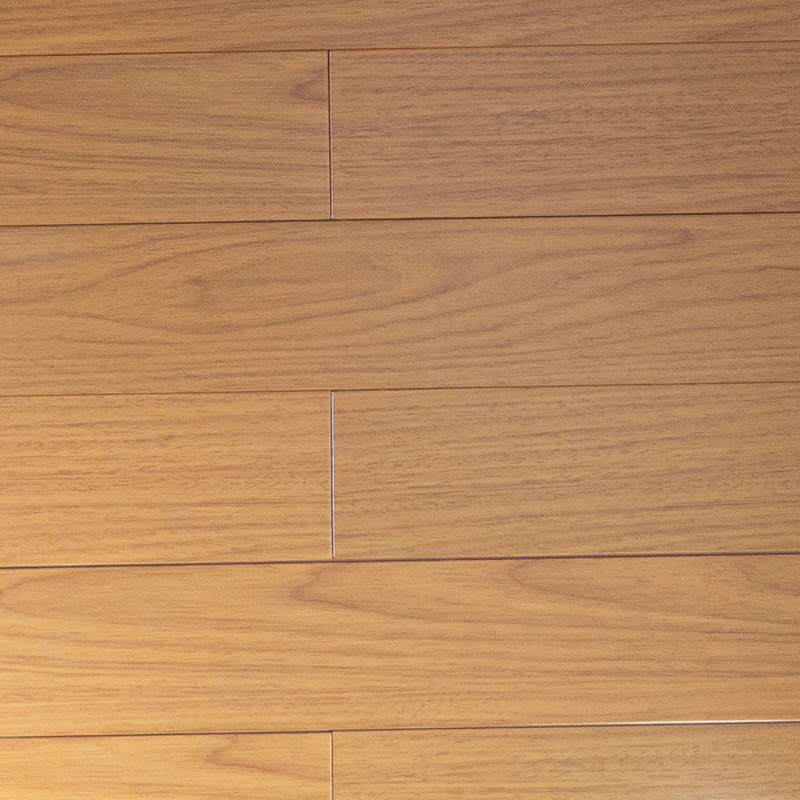
Color customization is also important. While antique espresso is a strong and attractive option, project designers may request lighter brown, smoked oak, grey-brown, natural, walnut tone, or other stains. A manufacturer with OEM and ODM capability can support private-label programs, project-specific samples, and rapid prototyping. The company’s 72-hour rapid prototyping capability is especially useful for buyers who need fast sample development before confirming orders.
Customization also extends to packaging, carton information, and project supply planning. For global distributors, consistent labeling and carton specifications support warehouse management and sales operations. For contractors, predictable carton coverage and weight help with site logistics and installation planning. The product’s carton data, including 10 pieces per carton and 1.39 square meters per carton, supports accurate material estimation.
This antique espresso stained oak flooring offers several advantages compared with many competitor flooring products. The first advantage is material authenticity. Because the floor uses a solid hardwood core, it delivers the natural look, feel, and value of real oak. Competitor products that rely on printed surfaces, thin veneers, or synthetic cores may offer lower initial cost, but they often cannot match the depth, tactile quality, and long-term premium image of solid oak.
The second advantage is the combination of deep brushing and espresso staining. Some dark floors are smooth and visually flat, while some brushed floors lack a refined color tone. This product combines both: the deep wire-brushed surface creates texture and grain relief, while the espresso stain adds elegance and antique depth. The result is a floor with stronger design identity and greater emotional appeal.
The third advantage is environmental performance. The E0 standard, with formaldehyde emission ≤ 0.05 mg/m³, supports healthier indoor use and helps buyers meet strict expectations for indoor materials. Competitor products with higher emissions or unclear documentation may be less suitable for premium residential and commercial projects. In markets where environmental compliance is a purchasing requirement, this is a significant advantage.
The fourth advantage is manufacturing capacity and quality control. The manufacturer’s large production base, advanced equipment, automated quality control systems, and three-step inspection process support consistent supply and stable quality. Competitors with smaller workshops may produce attractive samples but struggle with batch consistency, delivery reliability, or export documentation. For professional buyers, consistency often matters as much as design.
The fifth advantage is customization. Many standard flooring suppliers offer fixed colors and dimensions. This product can be adjusted in texture, finish, color, and size, making it more suitable for designers, distributors, contractors, and private-label partners. Customization allows buyers to differentiate their product lines and satisfy specific project requirements.
The sixth advantage is global project suitability. With CE, FSC, CARB P2, and ISO 9001 compliance available within the company’s broader product system, the manufacturer is prepared for international business requirements. Global buyers benefit from a supplier that understands export markets, documentation, quality expectations, and communication standards.
In residential interiors, antique espresso stained oak flooring creates a warm, elegant, and comfortable atmosphere. It is particularly effective in living rooms, bedrooms, dining areas, studies, and open-plan spaces. The dark tone provides visual grounding, while the natural oak grain prevents the space from feeling cold or artificial.
In living rooms, the flooring pairs well with upholstered sofas, area rugs, wooden furniture, marble coffee tables, and warm lighting. It can support traditional, transitional, industrial, or modern classic design schemes. The antique surface gives the room a sense of maturity and depth, making it suitable for homeowners who want an interior that feels established and refined.
In bedrooms, the floor’s warm underfoot quality enhances comfort. The espresso color creates a restful and intimate environment, especially when combined with soft textiles, neutral walls, and layered lighting. The matte finish reduces glare, helping create a calmer visual experience.
In dining rooms, the flooring can complement both formal and casual furniture. The deep color works well with walnut, black, cream, brass, and stone elements. The wire-brushed texture also helps disguise small signs of daily use, which is useful in spaces where chairs are moved frequently.
For home offices and studies, the floor communicates seriousness and sophistication. It works well with bookshelves, leather chairs, dark metal details, and classic cabinetry. Because the company also provides custom cabinet solutions, integrated interior packages can be developed for projects requiring coordinated wood tones across flooring and built-in furniture.
Commercial interiors require flooring that can support frequent use while contributing to brand atmosphere. This antique espresso stained oak flooring is well suited for hotels, restaurants, bars, cafés, boutiques, showrooms, and high-end office spaces. Its deep color and textured grain create a memorable interior identity.
In hotels, flooring plays an important role in guest perception. A dark brushed oak floor can make rooms feel premium, comfortable, and calm. In lobbies or lounge areas, it can help create a luxurious atmosphere when paired with stone, metal, fabric wall panels, and architectural lighting. For boutique hotels, the antique character can support storytelling and local design concepts.
Restaurants and bars benefit from the floor’s warm vintage tone. Dining spaces often seek atmosphere rather than sterile brightness. The espresso color creates intimacy, while the brushed surface adds texture under varied lighting conditions. Matte surfaces are particularly useful in hospitality because they reduce glare and create a softer visual environment.
Cafés and retail spaces can use this floor to create a premium but welcoming image. The natural wood texture helps customers feel comfortable and encourages longer visits. For retail showrooms, the dark oak surface can provide a sophisticated background for furniture, fashion, jewelry, or lifestyle products.
In office projects, the flooring is suitable for executive rooms, conference areas, reception zones, and high-end workspaces. It communicates stability and professionalism. Compared with plain synthetic flooring, real oak can elevate the interior and support a stronger corporate image.
Because the floor has a strong espresso tone, careful design pairing helps maximize its beauty. Light walls are a common and effective choice. Warm white, cream, light beige, soft grey, and muted taupe can create contrast while keeping the space balanced. Dark walls can also work, but they should be used intentionally with strong lighting and lighter furniture accents.
Furniture materials such as leather, linen, rattan, brass, black steel, marble, and natural stone pair well with antique espresso oak. Leather adds richness, linen softens the atmosphere, brass introduces warmth, and black metal supports an industrial or contemporary style. Natural stone counters or fireplace surrounds can create elegant contrast against the dark wood.
Area rugs are useful in residential and hospitality settings. Light neutral rugs can brighten the space and define seating areas. Patterned rugs can enhance the antique character. In dining or commercial spaces, rugs should be selected carefully based on maintenance needs and traffic levels.
Lighting is especially important with dark wood flooring. Warm lighting enhances the coffee-brown tone and brings out the brushed texture. Directional light can highlight the grain relief, while soft ambient light creates a calm and luxurious atmosphere. Excessively cool lighting may make the floor look less warm, so designers should test lighting temperature during material selection.
Proper maintenance helps preserve the beauty and performance of antique espresso stained oak flooring. Routine cleaning should be done with dry mopping, soft brooms, or vacuum equipment suitable for wood floors. Grit and sand should be removed regularly because they can act like abrasives underfoot.
Water exposure should be controlled. Although the protective finish improves surface durability, wood is still a natural material and should not be exposed to standing water or excessive moisture. Spills should be wiped promptly with a soft cloth. Wet mopping should be avoided unless the cleaning method is specifically approved for the selected finish.
For deeper cleaning, neutral cleaners and soft cloths are recommended. Strong acidic or alkaline cleaning agents should not be used because they may damage the finish or alter the stained surface. Abrasive pads and harsh chemicals should also be avoided.
Furniture protection is important. Felt pads should be placed under chair legs, tables, cabinets, and movable furniture. Entrance mats can reduce dirt and grit brought in from outside. In commercial spaces, cleaning schedules should be adapted to traffic levels, and protective measures should be used in high-wear zones.
Long-term care may include wax treatment every 6–12 months, depending on finish type, traffic, and maintenance expectations. The exact care procedure should follow the finish system selected for the project. UV lacquer, UV oil, and hardwax oil may have different maintenance recommendations, so buyers should confirm care instructions before installation.
Flooring performance begins at manufacturing but continues through packaging, transport, storage, and installation. Each carton contains 10 pieces, covering approximately 1.39 square meters or 14.99 square feet, with a carton weight of about 18.8 kilograms. This information helps contractors calculate material quantities, storage space, labor handling, and freight requirements.
For project orders, it is advisable to include a waste allowance. The exact allowance depends on room layout, installation pattern, cutting requirements, and board selection preferences. Straight installations typically require less waste than diagonal or complex layouts. Character grade flooring may also require on-site selection to achieve the desired visual balance.
Cartons should be stored in a dry, enclosed environment before installation. They should not be placed directly on wet concrete or exposed to rain, high humidity, or direct heat sources. Acclimation procedures should follow professional hardwood flooring guidelines and local site conditions. Proper storage reduces the risk of moisture imbalance before installation.
International buyers benefit from working with a manufacturer experienced in export operations. With more than 10 years of export experience and partners across several regions, the company understands the importance of packaging strength, documentation accuracy, production scheduling, and communication. This reduces risk for distributors and project buyers who must manage long supply chains.
Quality assurance is a central strength behind this flooring. A strict three-step quality inspection process helps ensure that product appearance and performance meet expectations before shipment. Inspection can include raw material evaluation, in-process monitoring, and final product review.
Raw material inspection focuses on species, grade, defects, and moisture. In-process inspection checks milling accuracy, brushing consistency, stain quality, and coating performance. Final inspection verifies dimensions, surface appearance, color matching, profile accuracy, moisture content, packaging, and carton labeling.
Automated quality control systems improve consistency by reducing dependence on manual judgment alone. However, experienced human inspection remains important for wood products because natural materials require visual evaluation. The combination of automated systems and skilled staff provides a balanced quality approach.
For buyers, quality assurance reduces installation complaints, project delays, and after-sales problems. A floor that fits well, looks consistent, and performs reliably protects the reputation of distributors, contractors, architects, and developers. This is why manufacturing quality is a competitive advantage, not just an internal production detail.
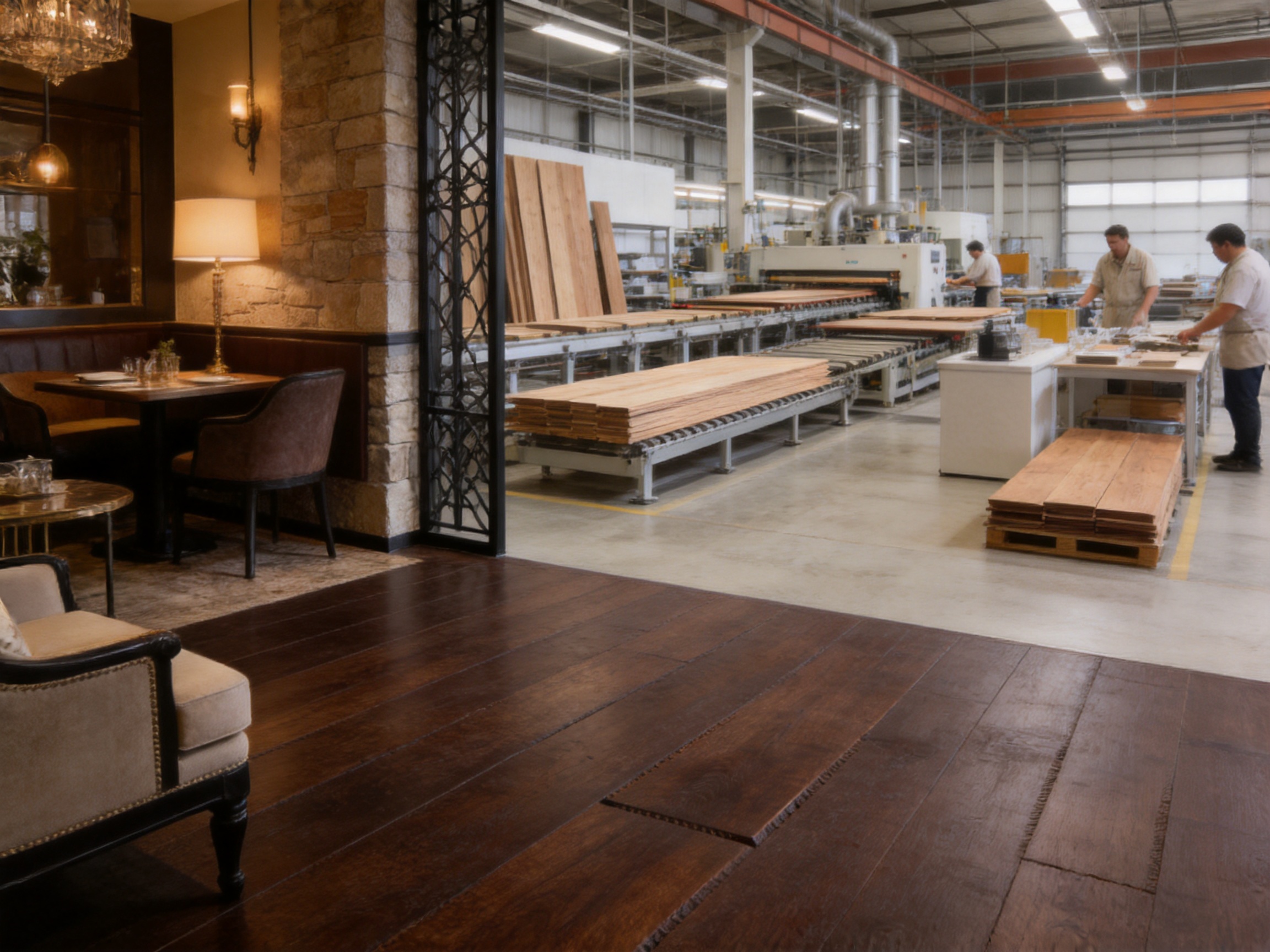
Sustainable value in flooring includes responsible materials, low emissions, durability, repairability, and timeless design. Antique espresso stained oak flooring addresses these points through its solid hardwood composition, E0 environmental standard, certification support, and long-lasting aesthetic appeal.
Trendy floors can become outdated quickly, leading to replacement even when the material is still functional. By contrast, dark oak flooring with a brushed antique character has a timeless quality. It connects with classic interiors but can also work in contemporary spaces. This design longevity supports sustainability because clients are less likely to replace it for style reasons after only a few years.
The natural wood structure also supports emotional durability. People often develop a stronger attachment to real wood surfaces than to synthetic imitations. The grain, texture, and color variations create a sense of individuality. In homes and hospitality spaces, this emotional connection can make interiors feel more meaningful and less disposable.
Responsible sourcing and compliance support further strengthen the flooring’s suitability for sustainable projects. FSC certification, where required, helps demonstrate attention to forest management. Low formaldehyde emissions support indoor health goals. Long service life reduces replacement demand. Together, these qualities make the product a strong option for clients seeking beauty, performance, and environmental responsibility.
This flooring combines a deep espresso stain with a wire-brushed oak surface. Ordinary oak flooring may be smooth and natural colored, while this product has a darker antique tone, stronger grain texture, and a more sophisticated vintage appearance. The result is a floor with greater design depth and character.
Yes. The product uses a 100% solid hardwood core made from oak. It does not rely on composite layers for its main structure, which supports a natural walking feel, authentic grain, and premium material value.
It is suitable for residential spaces such as living rooms, bedrooms, dining rooms, and studies. It is also suitable for light commercial and hospitality applications such as hotels, restaurants, bars, cafés, boutique retail spaces, and high-end offices.
The matte wire-brushed surface helps reduce the visibility of minor daily marks compared with a glossy smooth dark floor. Regular dry mopping, prompt spill cleaning, and proper furniture protection will help maintain the surface. Strong acidic or alkaline cleaners should be avoided.
Yes. Finish options include UV lacquer, UV oil, and hardwax oil. The right choice depends on the desired appearance, maintenance preference, and project performance requirements.
Yes. Available surface texture options include wire brushed, handscraped, and smooth sanded. The deep wire-brushed option is especially recommended for antique and vintage design styles.
The product meets the E0 environmental standard, with formaldehyde emission no higher than 0.05 mg/m³. Certification support such as CE and FSC is also available, helping meet international project and market requirements.
The flooring is indicated as compatible with underfloor heating when installed and operated under appropriate conditions. Professional installation, moisture control, gradual heating, and stable indoor humidity are essential for good performance.
The product can be installed using glue or staple methods, depending on subfloor type and project conditions. Professional installation is recommended to ensure correct moisture testing, acclimation, expansion spacing, and board alignment.
The manufacturer has more than 20 years of wood product manufacturing experience, a 20,000-square-meter production base, advanced German imported production lines, automated quality control systems, OEM and ODM customization capability, and large annual flooring production capacity. These strengths support stable supply, consistent quality, and international project readiness.
Antique espresso stained oak flooring with a deep wire-brushed surface is a premium flooring solution for interiors that demand character, comfort, durability, and design sophistication. Its solid oak core provides authentic hardwood value, while the espresso stain and brushed matte texture create a rich antique appearance. The floor is warm underfoot, visually distinctive, customizable, and suitable for both residential and light commercial environments.
Compared with many competitor products, it offers stronger material authenticity, deeper visual texture, better customization flexibility, low-emission environmental performance, and the support of advanced manufacturing capabilities. For distributors, contractors, architects, and project owners, these advantages translate into better product differentiation, greater design flexibility, and more reliable project execution.
Supported by an experienced wood solutions manufacturer with large-scale production capacity, German imported production lines, automated quality control, rapid prototyping, and international compliance awareness, this flooring represents more than a decorative surface. It is a carefully manufactured architectural material designed to enhance interiors, support long-term use, and meet the expectations of global wood flooring markets.
Forest Stewardship Council. Principles and Criteria for Responsible Forest Management.
European Committee for Standardization. Wood Flooring Standards and CE Marking Guidance.
National Wood Flooring Association. Wood Flooring Installation Guidelines and Methods.
International Organization for Standardization. ISO 9001 Quality Management Systems Requirements.
Environmental Protection and Indoor Air Quality Literature on Low-Emission Building Materials.
Architectural Wood Flooring Design Manuals for Residential and Commercial Interior Applications.

We provide customers with sustainable and eco-friendly
engineered wood solutions and services.
Choose DEIF for the perfect blend of
performance and aesthetics.
