


 English
 Español
 عربى


Get Social
Choose DEIF for the perfect blend of
performance and aesthetics.
 Get Free Sample

Content
Wood flooring has a unique ability to make an interior feel warmer, more established, and more connected to nature. Among the many hardwood options available to homeowners, designers, contractors, and flooring distributors, American red oak remains one of the most dependable choices. Its recognizable open grain, naturally varied character, and strong wear performance give it a balance of beauty and practicality that is difficult to achieve with synthetic or composite alternatives.
American Red Oak Natural Brown Solid Wood Flooring is designed for customers seeking authentic hardwood construction, a classic natural appearance, and flexible project configuration. Manufactured as a solid oak flooring product, it combines a 100% solid wood core with a natural brown finish, tongue-and-groove installation, customizable surface treatments, and certification-oriented production standards. The result is a flooring solution suitable for residential rooms, traditional interiors, hospitality environments, and light commercial applications where authentic wood character and long-term usability are important.
This product is supplied by Suzhou Dicosbo Wood Co., Ltd., also operating under the DEIF wood solutions name. With expertise in wood flooring, wooden doors, and custom cabinet solutions, the company supports distributors, contractors, architects, and project buyers seeking consistent manufacturing, custom specifications, and international compliance. Its production capabilities include German imported production lines, automated quality control systems, OEM and ODM support, rapid prototyping, and a structured quality inspection process.
The following guide explains the product’s construction, appearance, performance characteristics, manufacturing strengths, customization options, installation considerations, maintenance requirements, and suitability for different projects.
American Red Oak Natural Brown Solid Wood Flooring
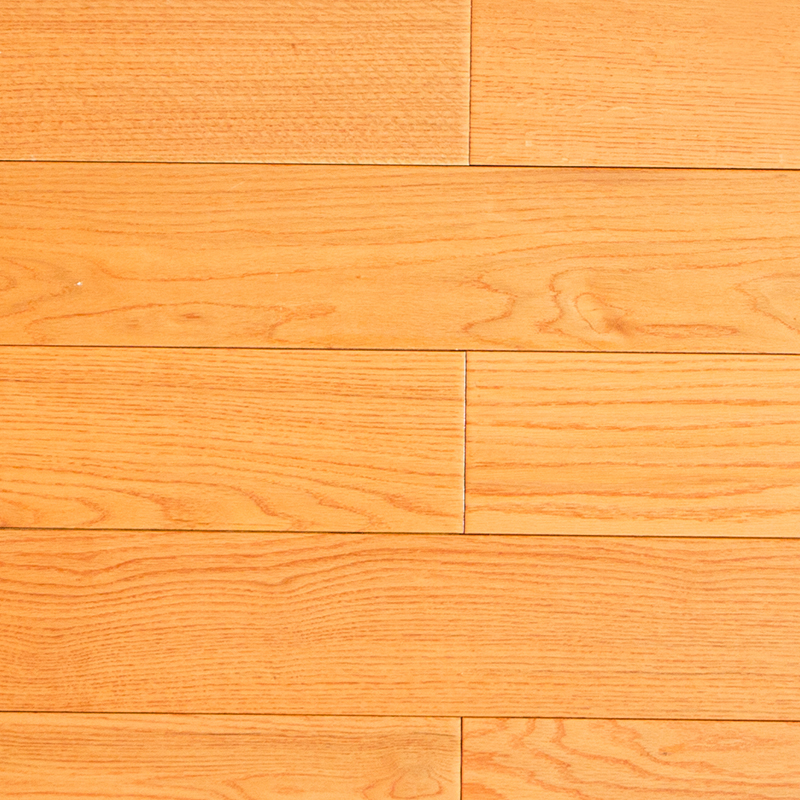
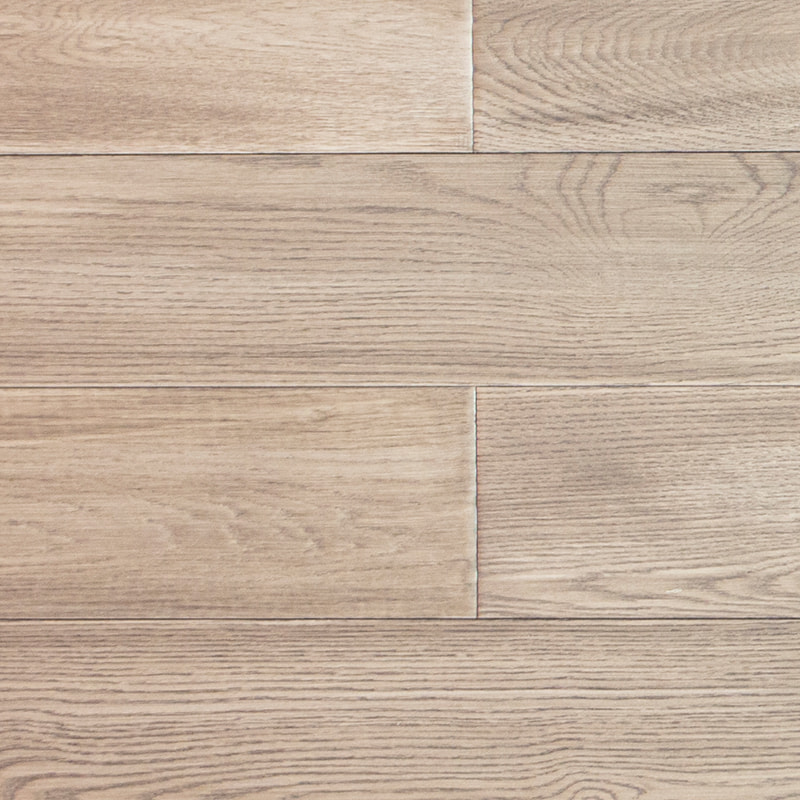
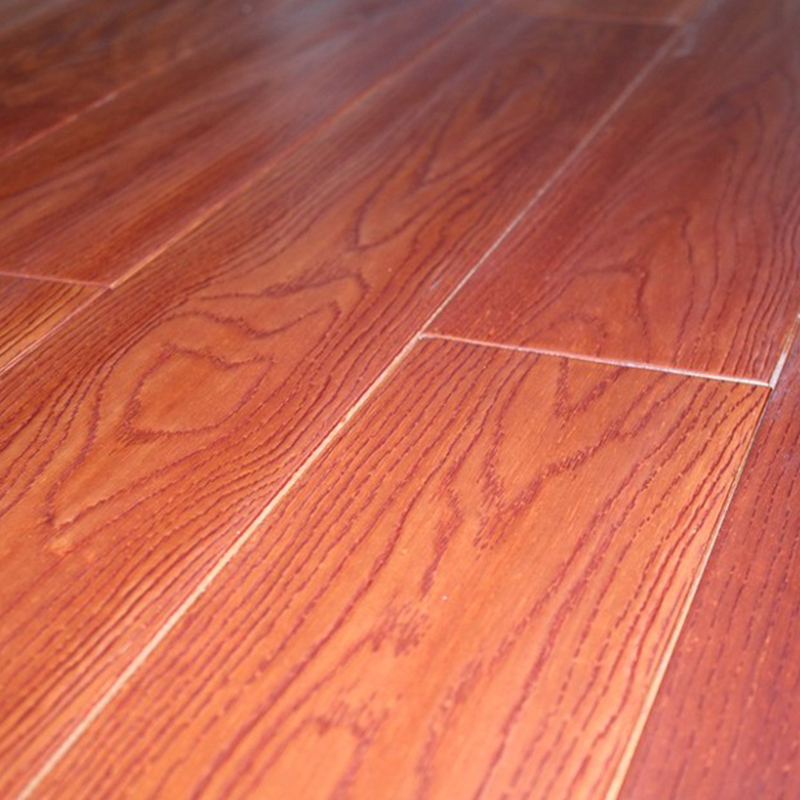
American Red Oak Natural Brown Solid Wood Flooring belongs to the solid oak wood flooring category. The flooring uses American red oak as its primary material and is presented in a natural brown visual style that preserves the warmth and texture associated with genuine hardwood. Its open grain creates visual depth, helping a room look more layered without relying on highly decorative patterns or artificial surface effects.
The listed standard dimensions are approximately 35.83 inches long, 6.61 inches wide, and 0.71 inches thick. These dimensions provide a balanced plank proportion for many residential and commercial interiors. The relatively substantial thickness contributes to the solid character of the floor and allows the material to feel stable underfoot when correctly installed over a suitable subfloor.
The product is specified with a four-sided tongue-and-groove profile and micro-beveled edges. The tongue-and-groove system is intended to support accurate plank alignment and a secure connection between boards. Depending on the project configuration, installation can be completed using glue or staples. The information supplied for the product also identifies a locking system based on tongue-and-groove construction. Installation details should be confirmed according to the selected production configuration, site conditions, subfloor type, and local building requirements.
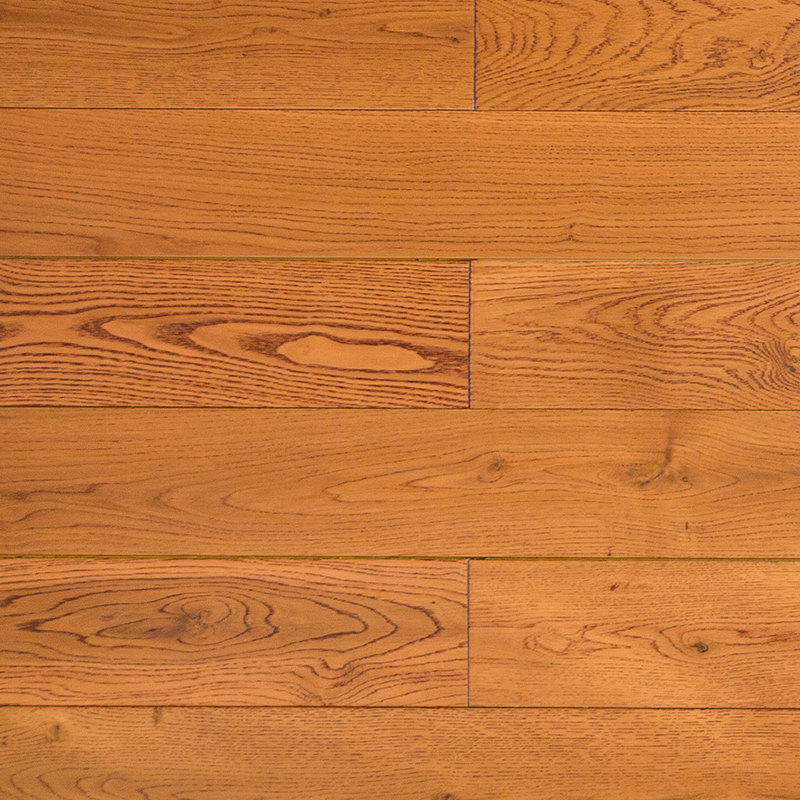
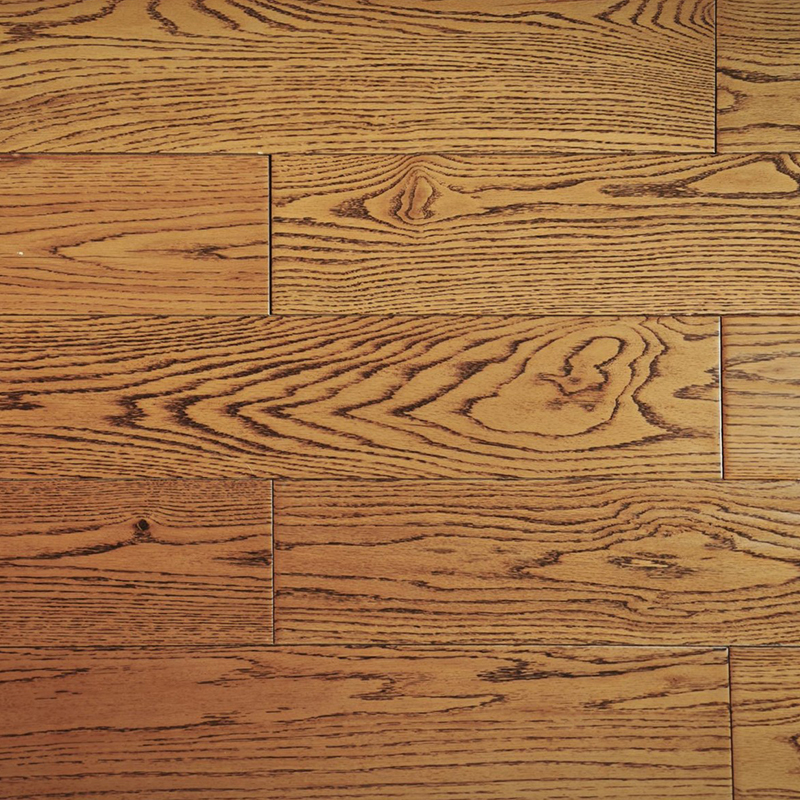
The flooring is available in an ABCD character grade. This grade is appropriate for customers who appreciate natural wood variation rather than a highly uniform appearance. Character-grade oak may display knots, mineral variation, grain movement, and tonal differences that reinforce the authenticity of the material. These visual features are not simply imperfections; they are part of the natural identity of solid wood flooring.
| Product Attribute | Specification |
|---|---|
| Product name | American Red Oak Natural Brown Solid Wood Flooring |
| Product code | DF-SM01 |
| Product category | Solid Oak Wood Flooring |
| Core construction | 100% solid hardwood core |
| Wood species | American red oak |
| Standard dimensions | 35.83 inches x 6.61 inches x 0.71 inches |
| Surface texture options | Wire brushed, hand scraped, or smooth sanded |
| Finish options | UV lacquer, UV oil, or hardwax oil |
| Edge and profile | Tongue-and-groove on four sides with micro-bevel |
| Grade | ABCD character grade |
| Pieces per carton | 10 |
| Coverage per carton | 1.53 square meters or 16.46 square feet |
| Approximate carton weight | 20.4 kilograms |
| Moisture content | 8%–10%, with a tolerance of approximately plus or minus 2% |
| Installation methods | Glue or staple, according to project configuration |
American red oak has been widely used in interior flooring because it offers a practical combination of hardness, visual character, workability, and design flexibility. Compared with flooring products that imitate wood through printed imagery, solid red oak provides a genuine grain structure that can be seen and felt. Every plank has a natural pattern, and small differences between boards help create a floor with a more authentic and individual appearance.
One of the most important competitive advantages of this product is its solid wood construction. Many flooring products are manufactured with composite cores, decorative films, or multiple engineered layers. Those systems can be useful in particular applications, but they do not provide the same material composition as a floor made from one solid hardwood core. For buyers who specifically want a natural, substantial, and repairable wood surface, solid oak offers a clear point of differentiation.
The natural brown appearance is another advantage. It is warm enough for traditional interiors but sufficiently neutral for transitional and contemporary design schemes. The color can coordinate with wood furniture, fabric seating, stone surfaces, painted cabinetry, and vintage-style rugs. Because the appearance is based on the natural character of the oak rather than a strongly artificial color effect, it can remain visually relevant as furnishings and wall colors change over time.
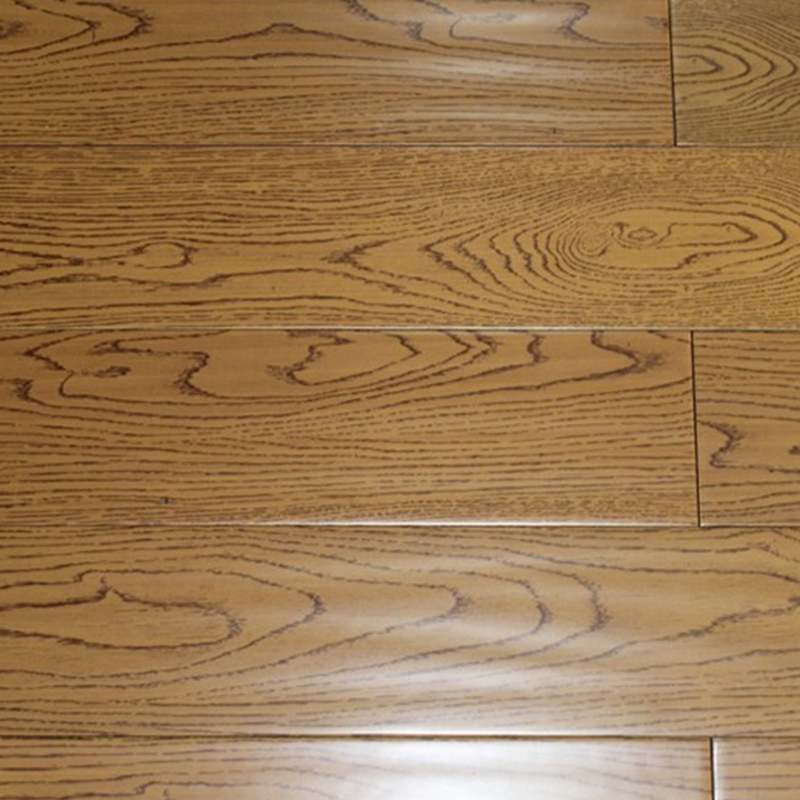
The open grain of red oak contributes to both texture and visual movement. In a large room, the grain prevents the floor from appearing flat or monotonous. In a smaller room, it can add subtle character without overwhelming the space. When paired with a smooth sanded surface, the grain appears refined and clear. With wire brushing or hand scraping, the texture becomes more pronounced and tactile.
Solid oak also offers a service-life advantage when it is properly installed and maintained. A natural wood floor can be cared for, recoated, and, where appropriate, refinished over its service life. This gives property owners more options than they may have with certain thin decorative floor coverings that cannot be renewed in the same way. The correct maintenance and refinishing approach depends on the thickness, surface finish, installation method, and condition of the floor.
A composite or printed floor may reproduce the visual appearance of oak, but the experience is different. Solid red oak presents real grain depth, natural tonal variation, and a genuine wood surface. The floor feels warm and comfortable underfoot, and its material identity remains visible from different angles and in changing light.
The solid hardwood core also supports a clear product story for distributors and project specifiers. Customers who request natural materials, authentic wood construction, and long-term interior value can understand what they are purchasing. This transparency is particularly useful in residential projects, boutique hospitality spaces, renovation programs, and architectural interiors where material authenticity is part of the design brief.
The ABCD character grade allows the flooring to show more of the natural personality of the oak. Rather than attempting to remove every visible variation, character grading accepts the presence of knots, grain transitions, and color movement. This makes the floor especially suitable for customers who prefer a relaxed, lived-in, or heritage-inspired visual effect.
Character-grade planks can complement rustic interiors, traditional homes, farmhouse-inspired spaces, and contemporary rooms that use natural materials as a focal point. They can also help create continuity between a floor and other timber elements such as dining tables, exposed beams, wooden doors, and custom cabinets.
Color has a direct effect on how people experience a room. A natural brown floor introduces warmth without requiring strong red, yellow, or gray undertones. It can make an interior feel more grounded and comfortable while allowing furniture and architectural details to remain visible.
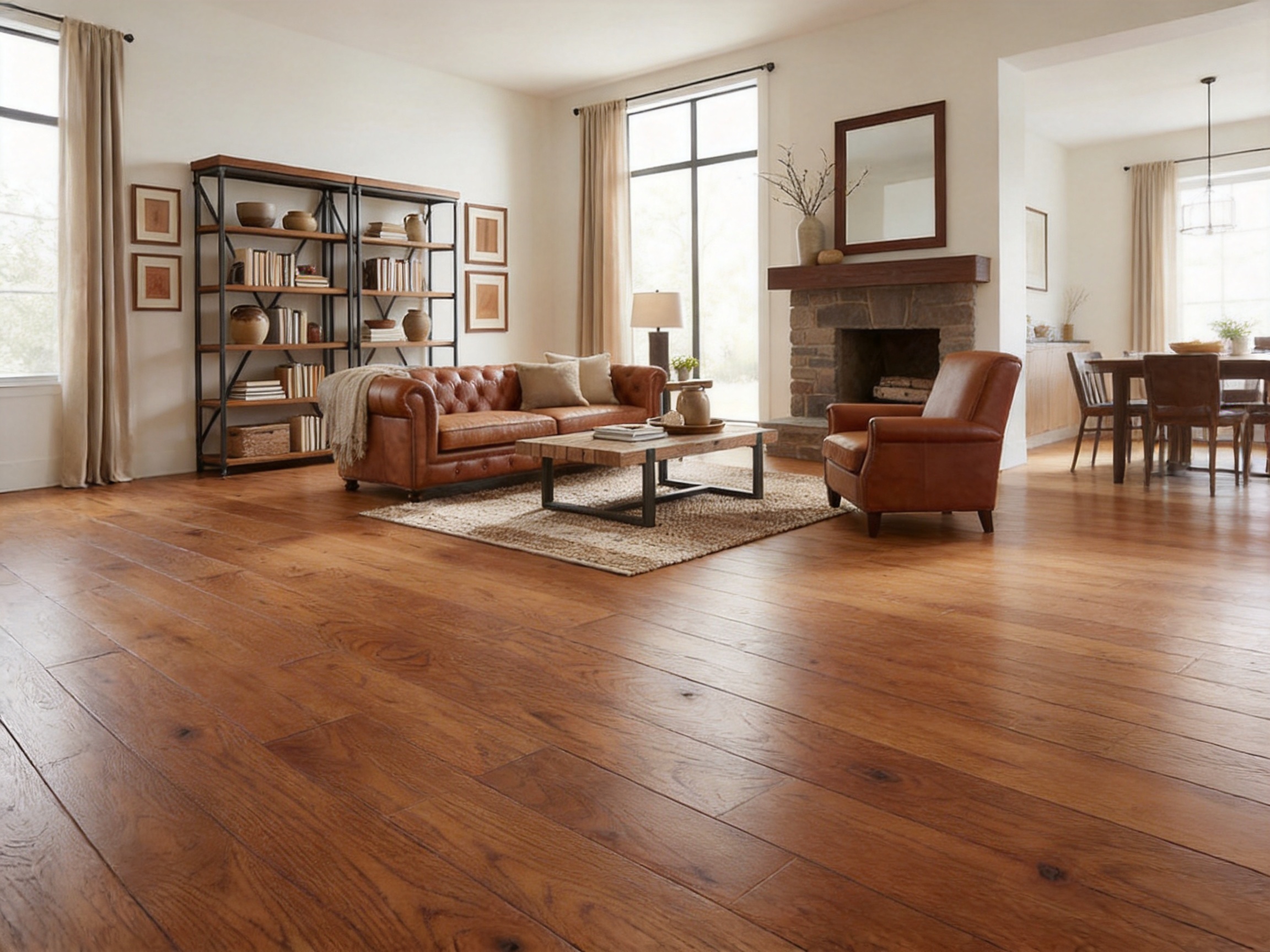
The natural brown finish is especially effective in living rooms and dining rooms, where occupants often want a welcoming atmosphere. It also works well in open-plan areas because the color can connect separate functional zones. A consistent floor tone helps link a kitchen, dining area, hallway, and living space into one coherent interior composition.
For traditional homes, the floor can be paired with wooden furniture, fabric sofas, patterned rugs, and warm wall colors. For modern interiors, it can provide a natural counterpoint to white walls, black metal, glass, concrete-look surfaces, or simple cabinetry. The result is a versatile foundation rather than a highly restrictive decorative statement.
The visible grain texture is an important part of the product’s visual performance. Grain direction gives the eye a sense of length and movement, while natural variation creates a surface that changes subtly with daylight. This is one reason genuine wood flooring often feels more visually dynamic than uniform synthetic flooring.
Although the standard product is identified as natural brown solid oak flooring, the surface can be customized to meet different design and performance preferences. The listed surface texture options include wire brushed, hand scraped, and smooth sanded treatments. Each process changes how the grain is seen, how the floor feels underfoot, and how the finish interacts with the wood.
Wire brushing emphasizes the softer portions of the wood grain and creates a more tactile surface. This treatment can give the floor a gently aged appearance while maintaining the natural structure of the oak. It is suitable for customers who want visible texture without an aggressively distressed look.
A wire-brushed surface can be particularly effective in casual residential interiors, hospitality spaces, and design schemes that use linen, natural stone, woven materials, or matte metal. The texture also helps the floor maintain visual interest when viewed across a large open area.
Hand scraping creates a more pronounced handcrafted effect. The surface may display subtle irregularities that suggest traditional workshop finishing and individual plank treatment. This option is suitable for customers who want a floor with stronger character and a more expressive aged appearance.
Hand-scraped oak can complement rustic, vintage, farmhouse, country, and heritage-inspired interiors. It may also be used in restaurants, boutique accommodation, and commercial spaces where a distinctive material identity is important.
Smooth sanding presents the grain in a cleaner and more refined manner. The surface feels more even and can suit minimalist, transitional, Scandinavian-inspired, or contemporary interiors. It allows the natural brown tone and open oak grain to remain visible without adding strong surface distressing.
The available finish options include UV lacquer, UV oil, and hardwax oil. Finish selection should be made according to the required appearance, cleaning expectations, maintenance program, traffic conditions, and project schedule.
UV lacquer can provide a consistent protective surface and is commonly selected when a uniform factory-applied appearance and efficient project installation are priorities. UV oil can preserve a more natural visual impression while adding factory-applied protection. Hardwax oil is often chosen by customers who value a natural tactile feel and a maintenance approach based on localized care and periodic oil application.
Because the final finish influences the appearance and care requirements of the flooring, project buyers should confirm the selected finish before production. Samples are recommended when color matching is important, since natural oak can vary between boards and production batches.
A high-quality solid wood floor depends on more than the species of timber. The accuracy of sawing, moisture control, machining, profiling, sanding, finishing, inspection, packing, and logistics all affect the final result. The manufacturing strength of Suzhou Dicosbo Wood Co., Ltd. is therefore an important part of the product proposition.
The company operates production facilities covering approximately 20,000 square meters and has more than two decades of experience in wood product manufacturing. Its capabilities cover wood flooring, wooden doors, and custom cabinet solutions. This broader product experience can support coordinated interior projects in which floors, doors, and cabinetry need to work together visually and technically.
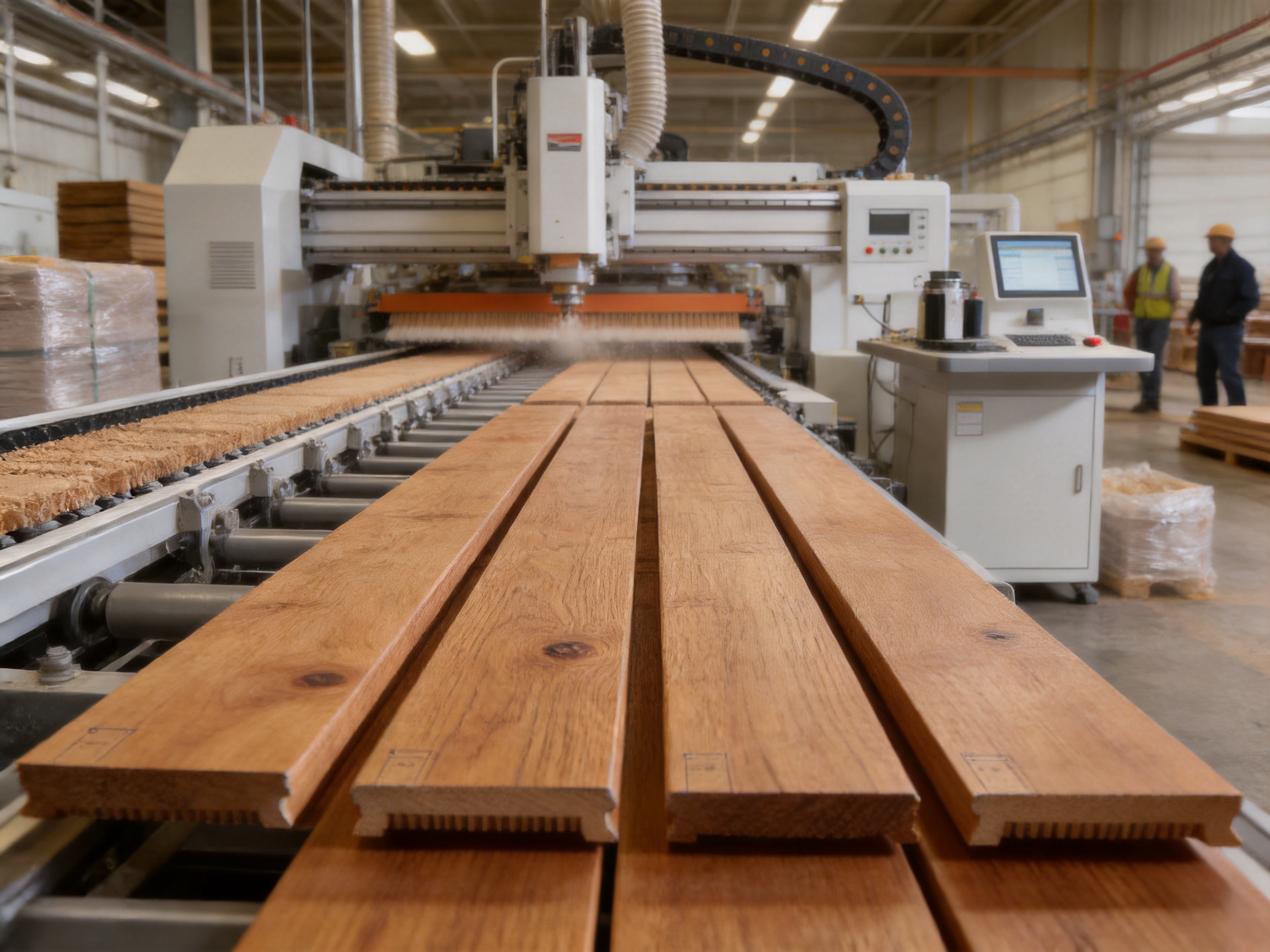
DEIF uses German imported production lines and automated quality control systems. Modern production equipment can help improve machining repeatability, plank dimension consistency, edge accuracy, and surface preparation. For tongue-and-groove flooring, dimensional control is especially important because accurate profiles support efficient alignment and reduce installation difficulties.
The company describes a three-step quality inspection process. A structured inspection sequence allows different quality factors to be reviewed at different production stages rather than waiting until the final packing stage. Depending on the order and specification, inspection may involve raw material review, machining and moisture checks, surface and finish inspection, dimensional verification, and final packing assessment.
Precision sawing is identified as one of the product’s craft details. Consistent sawing supports better plank uniformity and can make installation more efficient. When boards are produced with controlled dimensions, installers can achieve cleaner rows, more predictable joints, and a more orderly overall appearance.
Moisture management is another essential part of solid wood flooring production. The listed moisture content for this product is 8%–10%, with an indicated tolerance of approximately plus or minus 2%. The correct moisture range helps the flooring respond more predictably to typical interior conditions. However, flooring should still be acclimatized and installed according to site-specific conditions and professional recommendations.
The supplied product information identifies E0 environmental performance, with formaldehyde emissions of no more than 0.05 milligrams per cubic meter for applicable solid wood flooring. It also identifies CE and FSC certification at the product or company level as applicable. The company information additionally references CARB P2 and ISO 9001 compliance within its broader manufacturing and product portfolio.
Certification claims should always be matched to the exact product, production batch, market, and available documentation. For commercial projects, importers, architects, and contractors can request relevant certificates and technical documents during the specification process.
FSC-related sourcing information can be particularly valuable for projects that require documented responsible forest management. Environmental standards and emissions information can also support building approval, interior material selection, and customer communication. These factors give the flooring a stronger position than products that provide attractive visuals but limited documentation.
American Red Oak Natural Brown Solid Wood Flooring is specified with a four-sided tongue-and-groove profile and micro-beveled edges. The tongue-and-groove system is designed to help boards connect in a consistent manner. It also provides a familiar installation format for professional flooring contractors.
The listed installation methods are glue and staple. The appropriate method depends on the subfloor, site conditions, plank configuration, local practice, and project requirements. A professional installer should evaluate the subfloor for flatness, dryness, cleanliness, structural stability, and compatibility with the selected installation method.
Although the product information refers to glue-free tongue-and-groove installation in the feature list, the detailed specification identifies glue or staple installation. Buyers should treat installation as a configurable project matter and confirm the exact profile and method before ordering. This is especially important when comparing a traditional tongue-and-groove system with a floating click-lock system, since the two approaches have different preparation and performance requirements.
Before installation, the flooring should be delivered to a protected interior environment and acclimatized according to professional guidance. The site should be enclosed, weather-tight, and sufficiently controlled. Wet trades, excessive humidity, and major temperature fluctuations can affect natural wood products and should be addressed before installation begins.
Expansion planning is also important. Solid wood responds to changes in moisture and indoor climate. Appropriate perimeter allowances, transitions, movement joints, and installation orientation should be determined by the installer. Following the flooring manufacturer’s technical instructions and local standards is essential for long-term performance.
The plank dimensions of approximately 35.83 inches by 6.61 inches offer a practical format for many rooms. The width is broad enough to display the grain clearly while remaining manageable for standard residential installation. For larger commercial projects, buyers should confirm quantity, packaging, lot consistency, and spare material requirements in advance.
The product information identifies the flooring as suitable for underfloor heating. This feature can make solid oak attractive for modern homes and selected commercial interiors where radiant heating is part of the building system. Wood provides a naturally warm and comfortable surface, and underfloor heating can contribute to a consistent indoor environment during colder seasons.
However, compatibility with underfloor heating depends on the complete floor assembly rather than the flooring alone. The heating system, installation method, operating temperature, subfloor construction, moisture level, and indoor humidity must all be considered. A professional installer should confirm that the selected system is suitable for the solid oak specification.
Heating should be introduced and adjusted gradually according to the flooring and heating-system instructions. Sudden changes in temperature or humidity can increase the movement of natural timber. Stable indoor conditions are beneficial for maintaining the appearance and dimensional performance of solid wood flooring.
Project documentation should identify the floor thickness, finish, installation method, heating-system type, maximum surface temperature, and operating procedure. Confirming these details before installation can reduce risk and help preserve the manufacturer’s intended performance conditions.
The natural brown red oak floor is well suited to living rooms, dining rooms, bedrooms, hallways, studies, and traditional-style homes. Its visual warmth makes it a natural choice for spaces where comfort and long-term design appeal are important.
In a living room, the open grain can provide a calm foundation for sofas, lounge chairs, coffee tables, and area rugs. In a dining room, the solid oak appearance can coordinate with a wooden dining table and create a unified material story. In a hallway, the natural variation helps conceal minor visual changes associated with everyday use while adding character to a transitional space.
The flooring can also support furniture matching. It complements wooden dining tables, fabric sofas, vintage-style rugs, leather seating, painted storage units, and natural-fiber accessories. Because the brown tone is neither extremely pale nor heavily darkened, it can work with a broad range of furniture colors.
For family homes, the combination of authentic material, comfortable underfoot feel, and durable hardwood construction is a valuable advantage. Nevertheless, homeowners should understand that all wood flooring requires sensible care. Protective pads, entrance mats, furniture glides, and prompt cleaning help maintain the surface over time.
The product is identified as suitable for residential and light commercial use. Potential applications include boutique offices, private clinics, showrooms, hospitality interiors, restaurants with appropriate operating conditions, and small retail environments. In these settings, the flooring can provide a more distinctive and welcoming atmosphere than purely utilitarian floor coverings.
Architects and contractors may specify the product when a project requires a natural wood floor with a consistent standard specification but still allows customization. Surface texture, finish, color, and dimensions can be discussed according to the project brief and production capability.
For distributors, the product offers a marketable combination of recognizable species, natural brown color, authentic solid construction, and flexible customization. The product can be positioned for customers who are moving from laminate or imitation wood toward genuine hardwood, as well as for renovation projects seeking a traditional material with updated manufacturing support.
Commercial buyers should assess expected traffic, cleaning frequency, furniture loads, rolling equipment, moisture exposure, and maintenance resources. Solid oak is appropriate for many light commercial environments, but high-impact or high-moisture applications require careful technical evaluation.
Daily cleaning should begin with simple dust removal. A soft brush, dry mop, or suitable vacuum attachment can remove dust and small particles from the grain. Regular removal is important because abrasive particles can act like fine sandpaper when walked across the floor.
Spills should be addressed promptly using a clean, lightly damp cloth. Excess water should not be allowed to remain on the surface. Solid wood flooring should not be saturated during routine cleaning, and cleaning products should be compatible with the selected finish.
The supplied product information recommends applying wood oil every six to twelve months to maintain surface luster. The exact interval depends on the selected finish, traffic level, cleaning habits, indoor climate, and visual expectations. Hardwax oil, UV oil, and UV lacquer may require different maintenance procedures, so the finish-specific care instructions should be followed.
Heavy impacts should be avoided where possible. Floor protectors should be installed under heavy equipment, including gym devices and other concentrated loads. Furniture legs should use suitable protective pads, and chairs that move frequently should be fitted with clean, non-marking glides.
Entrance mats can help limit the amount of grit and moisture brought onto the floor. Mats should be selected carefully so that their backing does not trap moisture or stain the finish. Rugs should also be periodically moved so that the floor can be inspected and exposed to similar light conditions.
Indoor humidity and temperature should be kept reasonably stable. Natural wood responds to environmental changes, and stable conditions help minimize excessive expansion, contraction, gaps, or surface stress. A balanced indoor climate is one of the most effective ways to protect a solid hardwood floor.
For distributors, American Red Oak Natural Brown Solid Wood Flooring offers a clear product identity. The combination of American red oak, natural brown color, character grade, solid construction, and customizable finish can be communicated easily to residential and project customers. The product can occupy a premium natural-material position without relying on an overly complex design concept.
For contractors, the tongue-and-groove profile and available glue or staple installation methods provide a familiar basis for project planning. Consistent machining and quality inspection can support more predictable installation, although every shipment and site should still be checked before work begins.
For architects and interior designers, the product provides several design variables. The same oak material can be presented with smooth sanding for a refined appearance, wire brushing for texture, or hand scraping for a more aged character. UV lacquer, UV oil, and hardwax oil allow the surface appearance and maintenance strategy to be adjusted to the project.
For OEM and ODM customers, the company’s customization capabilities can support private-label collections, special dimensions, project-specific colors, and coordinated wood products. The company also describes 72-hour rapid prototyping, which can help project teams review a concept before committing to a larger production order. Prototype timing and scope should be confirmed for each project.
The stated annual capacity of approximately 2,400,000 square meters of flooring and 5,000 sets of doors demonstrates the company’s ability to support substantial production programs. Capacity, lead time, packaging, and shipping arrangements should be confirmed based on the order quantity and product configuration.
Suzhou Dicosbo Wood Co., Ltd. was founded in 1999 and has more than 20 years of experience in wood manufacturing. The company serves global partners in Europe, North America, Southeast Asia, and other markets. Its experience across different product categories allows it to address flooring as part of a broader interior woodwork program.
The company’s product range includes wood flooring, wooden doors, and custom cabinets. This integrated capability can simplify sourcing for buyers who want coordinated wood finishes throughout an interior. For example, a project may require solid oak flooring together with timber doors and custom storage. Working with a manufacturer familiar with multiple wood product categories can make color, texture, and material coordination more efficient.
DEIF emphasizes OEM and ODM customization, international compliance, and stable supply. Its stated production resources include German imported production lines, automated quality control systems, a 20,000-square-meter production facility, and a three-step inspection process. These capabilities support the company’s position as a manufacturer rather than simply a trading supplier.
The company’s product and management credentials include references to CE, FSC, CARB P2, and ISO 9001 standards. Documentation should be reviewed according to the specific product, destination market, and project requirements. For professional buyers, the availability of documentation is an important part of supplier evaluation.
Global wood product buyers also need dependable communication and order coordination. The company provides dedicated sales and contact channels for international customers and supports project-based inquiries. Reliable communication is particularly important when a flooring order includes custom dimensions, special surface treatment, private labeling, or coordinated products.
Compared with laminate flooring, solid red oak offers genuine wood construction and a naturally dimensional grain rather than a printed decorative layer. Laminate may be selected for cost or installation reasons, but it does not provide the same solid hardwood identity or the same long-term refinishing potential.
Compared with vinyl wood-look flooring, solid oak provides a warmer natural feel and real wood texture. Vinyl can perform well in moisture-sensitive areas, but solid oak is generally chosen for spaces where authentic material, visual character, and a premium interior impression are priorities.
Compared with engineered wood flooring, solid oak has a single-material hardwood construction rather than a layered core. Engineered wood can offer specific dimensional benefits in certain environments, while solid oak appeals to buyers who prioritize a traditional all-hardwood structure. The right choice depends on the project’s moisture conditions, installation system, floor height, and long-term maintenance plan.
Compared with lower-grade solid wood flooring, this product provides a defined character grade, controlled moisture specification, multiple finish options, and documented manufacturing support. These factors can give buyers greater confidence when planning a coordinated project or resale product line.
The most important competitive difference is the combination of material authenticity and manufacturing flexibility. Customers are not limited to choosing between a standard color and a standard surface. They can discuss texture, finish, size, and project application with a manufacturer that also provides doors and custom cabinets.
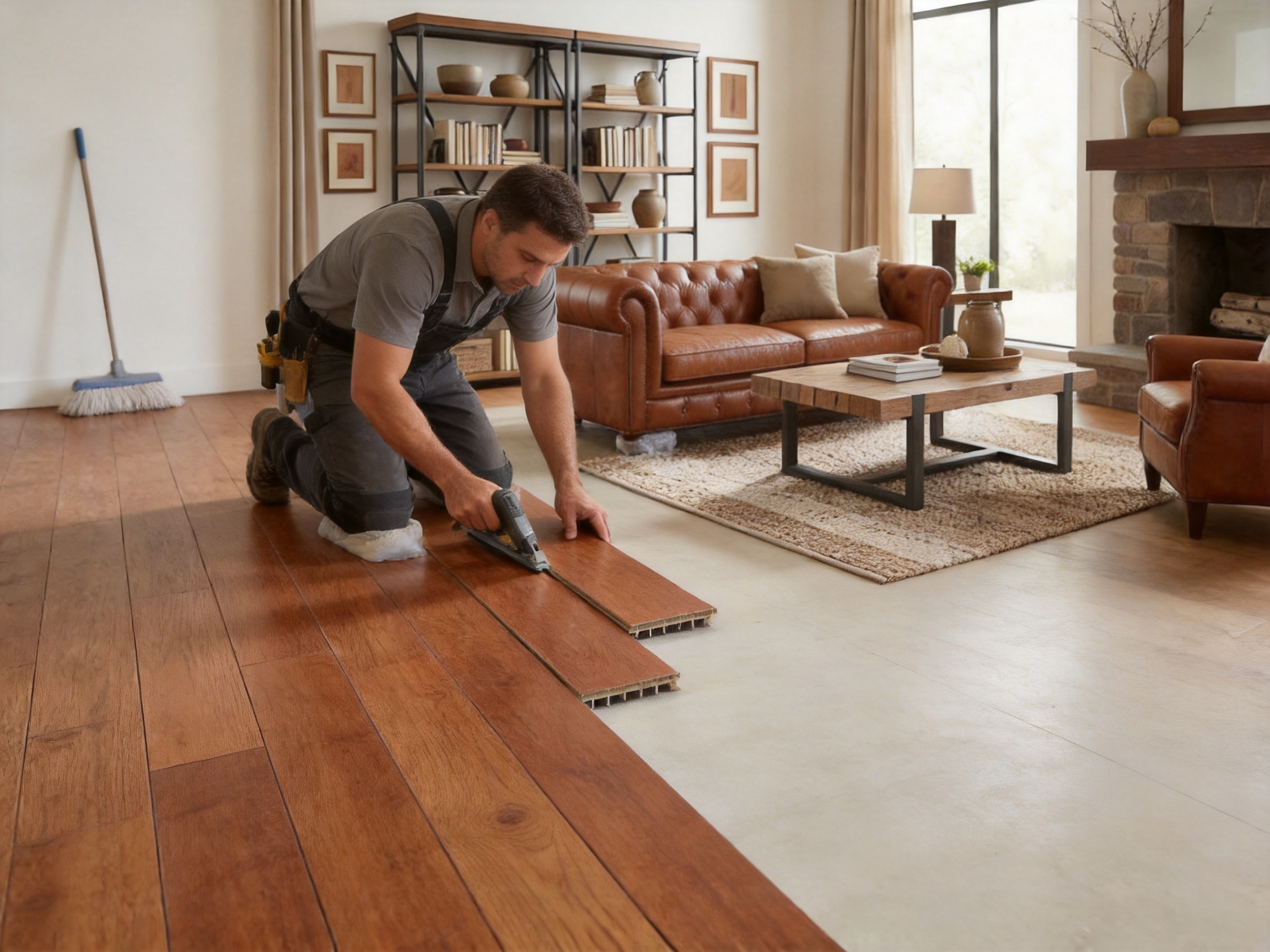
Before ordering, buyers should confirm the wood species, color target, grade, plank dimensions, surface texture, surface finish, edge profile, installation method, packaging quantity, and delivery requirements. If the flooring is part of a larger interior project, samples should be compared with doors, cabinets, furniture, wall colors, and lighting conditions.
For commercial projects, the specification should also address expected traffic, cleaning procedures, furniture loads, warranty terms, replacement stock, project phasing, and environmental documentation. Where underfloor heating is included, the heating system and operating limitations should be reviewed with the flooring installer.
It is advisable to order a reasonable quantity of spare material for future repairs. Natural wood can vary between production batches, and matching an installed floor years later may be more difficult than preserving additional planks from the original order.
Shipment inspection should be completed promptly after delivery. Cartons should be checked for damage, and the flooring should be inspected for visible issues before installation. Any concern should be documented and reported before the material is fitted.
It is a solid oak wood flooring product made with a 100% solid hardwood core. The specified wood species is American red oak, and the product is presented in a natural brown finish with an ABCD character grade.
The listed dimensions are approximately 35.83 inches long, 6.61 inches wide, and 0.71 inches thick. Custom sizes may be available depending on the project and production requirements.
The product is specified as solid wood flooring with no composite layers in the core. Buyers should confirm the final technical specification for any customized order.
Yes. The listed surface texture options include wire brushed, hand scraped, and smooth sanded. The preferred option should be selected before production because it affects the appearance and tactile character of the finished floor.
The listed finish options are UV lacquer, UV oil, and hardwax oil. Each finish has different visual and maintenance characteristics, so the most suitable option should be selected according to the project’s use and care program.
The product uses a four-sided tongue-and-groove profile with a micro-bevel. The listed installation methods are glue and staple. The exact installation method should be confirmed based on the subfloor, site conditions, product configuration, and professional installation guidance.
The product information identifies it as compatible with underfloor heating. The complete floor system must still be reviewed, including the heating equipment, subfloor, installation method, temperature limits, and moisture conditions.
ABCD character grade indicates that the flooring is intended to display natural wood variation. Knots, grain movement, mineral features, and tonal differences may be present and contribute to the authentic appearance of the oak.
The listed moisture content is 8%–10%, with a tolerance of approximately plus or minus 2%. Proper acclimatization and stable indoor conditions remain necessary because solid wood responds to changes in temperature and humidity.
Use a soft brush, dry mop, or suitable vacuum attachment for regular dust removal. Clean spills promptly with a lightly damp cloth, avoid excessive water, and use maintenance products compatible with the selected finish.
The supplied care guidance recommends applying wood oil every six to twelve months to maintain surface luster. The precise interval depends on the finish, traffic, indoor environment, and manufacturer’s maintenance instructions.
It is identified as suitable for residential and light commercial use. Commercial buyers should evaluate traffic, cleaning, furniture loads, moisture exposure, and maintenance resources before final specification.
The company offers OEM and ODM customization. Custom sizes, colors, surface textures, finishes, and coordinated wood products may be discussed according to project requirements and production capability.
The company specializes in wood flooring, wooden doors, and custom cabinet solutions. This allows customers to explore coordinated woodwork for broader residential, commercial, and architectural projects.
American Red Oak Natural Brown Solid Wood Flooring offers a strong combination of authentic material, timeless appearance, configurable surface treatment, and professional manufacturing support. Its 100% solid hardwood core, natural brown tone, open grain, character grade, and comfortable underfoot feel make it suitable for customers who value the genuine qualities of wood.
The product’s advantages extend beyond appearance. Tongue-and-groove construction, micro-beveled edges, controlled moisture content, multiple finish options, and underfloor-heating compatibility provide a practical foundation for residential and light commercial projects. The availability of glue or staple installation and customizable specifications gives professional buyers flexibility during project planning.
Manufacturing capability is equally important. Suzhou Dicosbo Wood Co., Ltd. combines long-term industry experience, German imported production lines, automated quality control, a three-step inspection process, international market experience, OEM and ODM services, and integrated wood product manufacturing. These strengths can help distributors, contractors, architects, and homeowners obtain a flooring product that is both visually distinctive and supported by a structured supply system.
When correctly specified, installed, acclimatized, and maintained, natural red oak flooring can provide a durable and adaptable foundation for interiors that are intended to remain attractive for many years. Its open grain and warm brown color bring natural depth to contemporary rooms, traditional homes, hospitality environments, and carefully planned commercial spaces.
1. Product specification sheet for American Red Oak Natural Brown Solid Wood Flooring, product code DF-SM01.
2. Manufacturer-provided technical information covering solid hardwood construction, moisture content, tongue-and-groove profiling, surface options, finishes, packaging, and installation methods.
3. Manufacturer-provided company profile covering production facilities, export experience, OEM and ODM services, quality inspection, certifications, and annual production capacity.
4. General professional guidance for solid hardwood flooring acclimatization, installation, indoor climate control, and routine maintenance.
5. General reference principles for responsible wood sourcing, environmental product documentation, and flooring material specification.

We provide customers with sustainable and eco-friendly
engineered wood solutions and services.
Choose DEIF for the perfect blend of
performance and aesthetics.
