


 English
 Español
 عربى


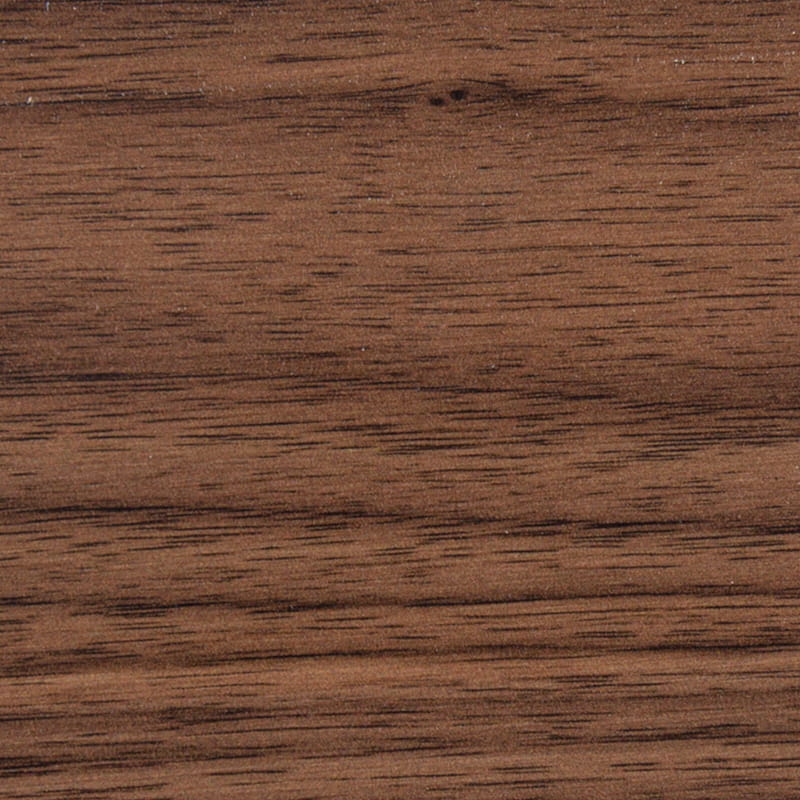
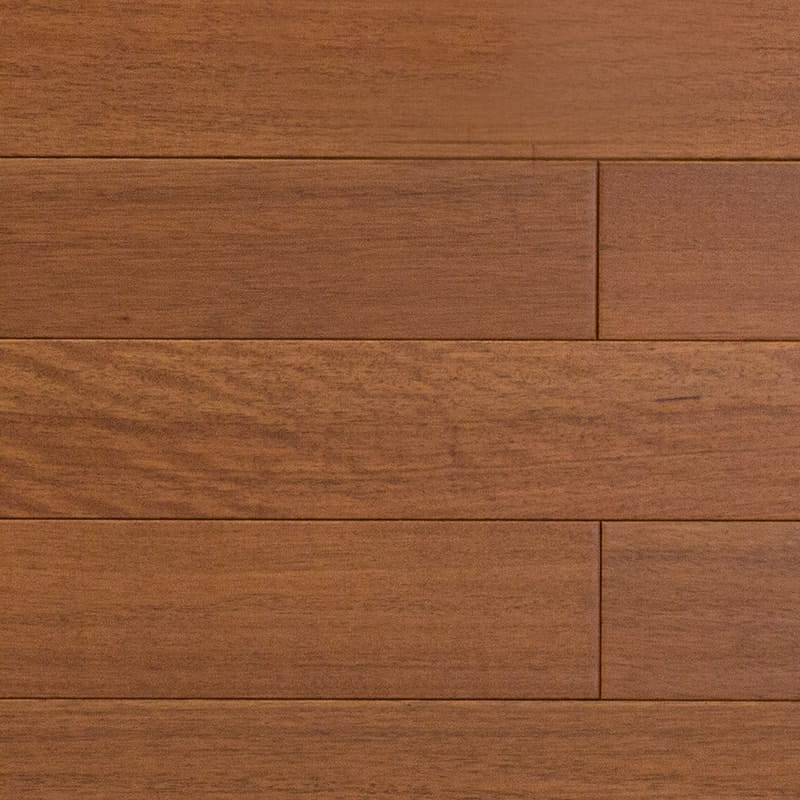
Get Social
Choose DEIF for the perfect blend of
performance and aesthetics.
 Get Free Sample

Content
Flooring has a powerful influence on the character, comfort, and long-term performance of an interior. It covers a large visual area, receives constant daily traffic, and must coordinate with furniture, doors, cabinets, lighting, and architectural finishes. For residential and commercial projects alike, the right flooring solution needs to balance appearance, durability, installation efficiency, environmental considerations, and supply reliability. The 12mm Premium Laminate Walnut Color Smooth Surface Click Floor is designed to address these requirements through a combination of refined walnut-inspired aesthetics, a high-density HDF core, an aluminum oxide wear layer, and a practical click-lock installation system.
Identified as DF2007A, this flooring belongs to the 12mm High-end Reinforced Series. Its walnut wood-grain decorative paper creates a sophisticated visual effect that can complement light-luxury, contemporary, transitional, and new Chinese-style interiors. Beneath the decorative surface, the product uses a stable HDF core and a melamine wear layer enhanced with aluminum oxide. The result is a flooring solution intended for general residential use and selected light commercial applications where design quality and dependable everyday performance are important.
The product also reflects the manufacturing capabilities of Suzhou Dicosbo Wood Co., Ltd., a Chinese wood solutions manufacturer specializing in wood flooring, wooden doors, and custom cabinet solutions. With production facilities covering approximately 20,000 square meters, more than two decades of industry experience, over ten years of export experience, and a reported annual flooring capacity of 2,400,000 square meters, the company is positioned to support distributors, contractors, developers, architects, and other project partners.
This article examines the construction, appearance, performance, installation, maintenance, manufacturing process, customization potential, quality systems, and application value of this premium laminate flooring. It also explains how the product can be evaluated against competing flooring options and why a structured manufacturing platform matters when selecting a long-term flooring supplier.
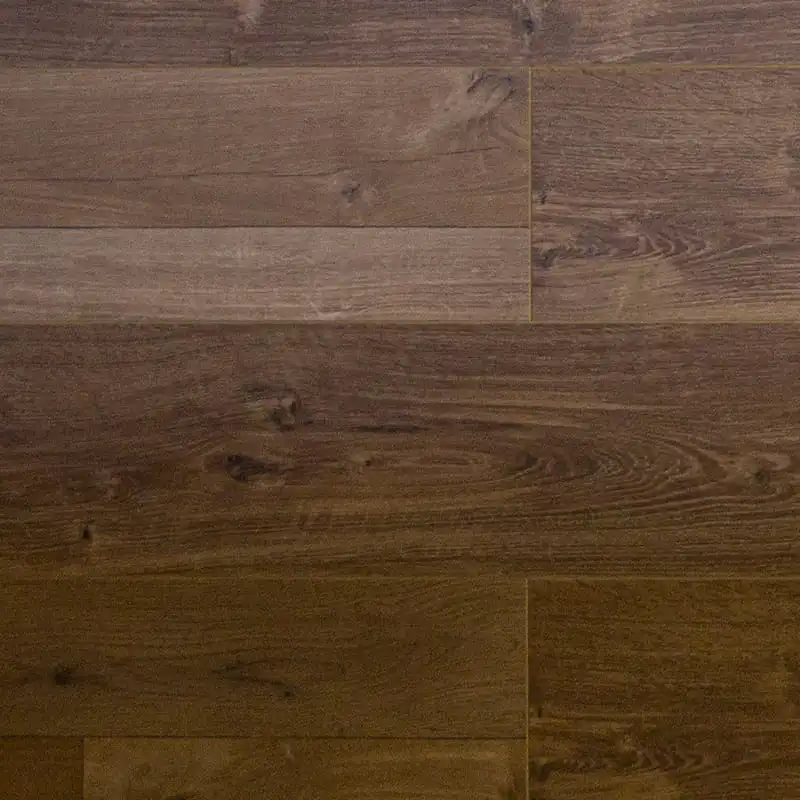
12mm Premium Laminate Walnut Color Smooth Surface Click Floor
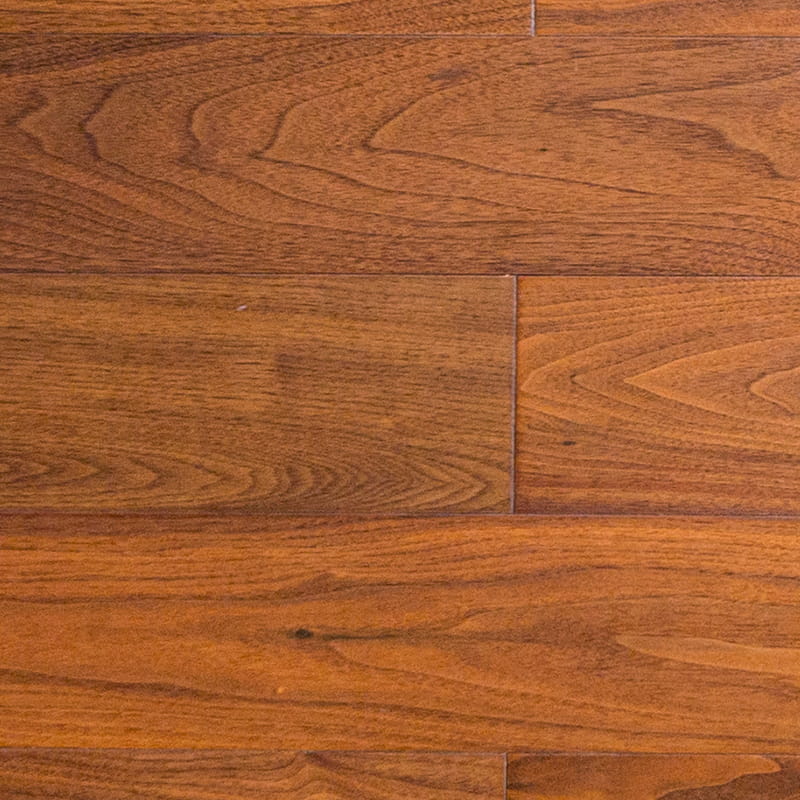
The 12mm Premium Laminate Walnut Color Smooth Surface Click Floor is developed for customers seeking the visual warmth of wood with the practical advantages of engineered laminate flooring. The product uses walnut wood-grain decorative paper to create a natural and elegant appearance. Walnut tones are widely valued for their ability to add depth and warmth without overwhelming a space. Depending on the surrounding colors and lighting, the design can appear refined, intimate, modern, or traditionally sophisticated.
The product’s smooth surface supports a clean and polished appearance. It can work effectively in interiors that emphasize simple lines, coordinated furniture, and uncluttered architectural details. The walnut color is also suitable for combining with neutral walls, stone-look surfaces, metal accents, natural textiles, and wood-based furniture. This makes the flooring adaptable across multiple design directions rather than limiting it to a single decorative style.
At 12mm thickness, the flooring belongs to a reinforced, high-end laminate category. A thicker board can provide a more substantial underfoot feel than thinner laminate products, while also offering space for a robust multi-layer construction. Thickness alone does not determine quality, but when combined with a high-density HDF core, precise profiling, and a reliable locking system, it can contribute to overall stability and perceived value.
DF2007A is supplied with a click system and is intended for floating installation. The boards are joined mechanically without requiring permanent adhesive across the entire subfloor. This approach can simplify construction, shorten installation time, and make the flooring more practical for renovation projects and projects where installation efficiency is important.
| Product identification | DF2007A |
| Product category | 12mm High-end Reinforced Series |
| Marketing collection | 12mm Premium Laminate Flooring |
| Color and visual style | Walnut color with realistic wood-grain appearance |
| Board dimensions | 47.8 × 7.5 × 15/32 inches |
| Approximate metric thickness | 12mm |
| Wear rating | AC3 |
| Core construction | High-density fiberboard, or HDF |
| Surface finish | Melamine wear layer with aluminum oxide |
| Surface texture | Smooth |
| Edge profile | Micro-bevel on all four sides |
| Locking system | Click system |
| Installation method | Floating installation |
| Pieces per carton | 9 |
| Coverage per carton | 2.08 square meters or 22.36 square feet |
| Carton weight | 21.9 kilograms |
These specifications give buyers a clear basis for planning orders, estimating freight, calculating installation quantities, and comparing products. For project applications, the dimensional and packaging information is especially important because it affects palletization, warehouse organization, handling requirements, and waste calculations.
One of the most important advantages of DF2007A is its ability to combine a premium visual impression with the repeatability and consistency of a manufactured decorative surface. Natural walnut is valued for its distinctive grain, rich tonal variation, and association with high-quality interiors. A walnut-inspired laminate surface can reproduce these visual cues in a more controlled and scalable format, allowing multiple rooms or project units to achieve a coordinated appearance.
The decorative paper is designed to present realistic wood-grain characteristics while maintaining a smooth surface finish. This creates a balance between visual texture and practical cleaning. The floor can appear naturally detailed from a normal viewing distance without requiring the maintenance routine associated with unfinished or highly absorbent natural wood surfaces.
In a light-luxury interior, the walnut tone can be paired with brushed metal, soft textiles, glass, stone, and warm lighting. In a new Chinese-style design, the wood color can support balanced compositions that include natural materials, structured furniture, and restrained ornamentation. In contemporary homes, the flooring can soften white, gray, or beige architectural backgrounds. In bedrooms and dining rooms, it can contribute to a warmer and more comfortable atmosphere.
The four-sided micro-bevel is another design feature. A micro-beveled edge creates a subtle visual separation between boards. Instead of forming one uninterrupted flat field, the floor develops a carefully defined plank structure. This can enhance the sense of board individuality and contribute to a more authentic wood-floor appearance. Because the bevel is relatively small, the overall look remains refined rather than heavily segmented.
Walnut laminate flooring can be coordinated with light-colored walls to create contrast and visual depth. It can also be used with darker furniture when the space has sufficient daylight or layered artificial lighting. In smaller rooms, designers may use lighter wall colors, reflective surfaces, and carefully selected furniture to prevent the walnut floor from making the room feel visually dense.
For commercial interiors, the product may be considered for offices, meeting areas, boutique retail settings, hospitality-inspired residential developments, and other spaces where a wood appearance is desired. Suitability should always be confirmed against the project’s traffic level, cleaning requirements, moisture exposure, local regulations, and installation conditions.
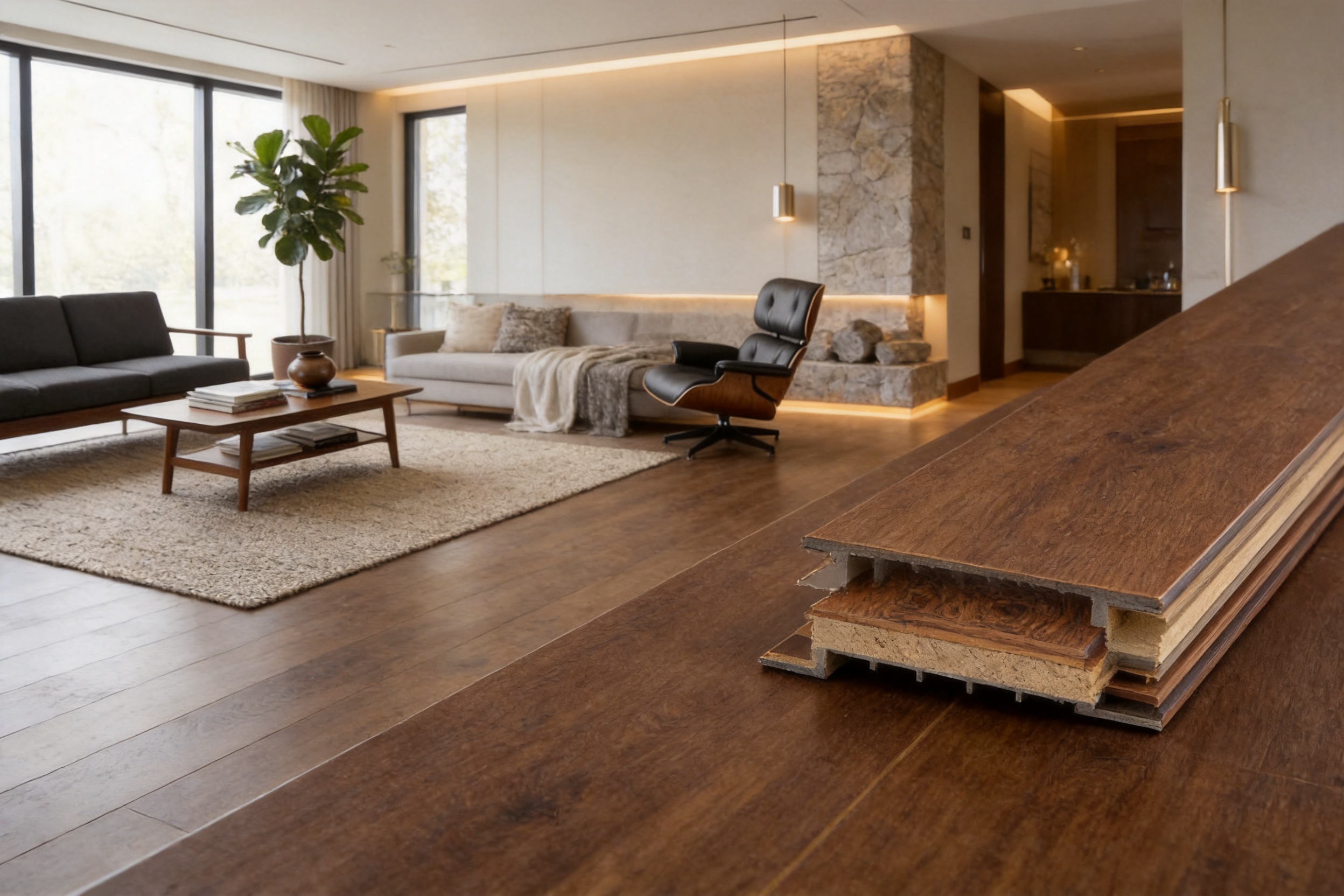
Laminate flooring is a composite product, and its performance depends on the interaction of several layers. DF2007A uses a decorative surface, a melamine wear layer with aluminum oxide, a high-density HDF core, and a bottom construction designed to support dimensional performance. Each layer contributes to the final product’s appearance, stability, or usability.
The decorative layer uses walnut wood-grain paper to create the product’s visible pattern and color. High-quality decorative paper must deliver consistent printing, clear grain definition, and a stable visual appearance across production batches. For distributors and project customers, consistency is essential because flooring installed across multiple rooms, buildings, or order batches should maintain a coherent design language.
The walnut pattern is intended to provide a sophisticated, natural appearance rather than an overly artificial graphic effect. It helps the product occupy a position between basic entry-level laminate and more expensive natural wood categories. Buyers can obtain a wood-inspired design with predictable production and easier replenishment than may be possible with highly variable natural timber.
The wear layer protects the printed decorative surface from ordinary abrasion and daily use. DF2007A uses a melamine wear layer with aluminum oxide. Aluminum oxide is commonly used in laminate flooring because of its hardness and ability to improve resistance to surface scratching and wear.
The product is rated AC3, which is generally associated with regular residential use and selected light commercial or general-use environments, depending on the project conditions and applicable classification system. An AC3 rating does not mean that the flooring is indestructible. Heavy industrial traffic, continuous rolling loads, standing water, abrasive contamination, or unsuitable cleaning practices can exceed the intended use conditions. Nevertheless, for normal home environments such as living rooms, dining rooms, and bedrooms, the wear layer is designed to provide dependable everyday protection.
Compared with decorative flooring that lacks a dedicated wear layer, the aluminum oxide-enhanced surface offers a more purposeful defense against routine abrasion. This can help the flooring retain its visual quality over a longer period when users follow suitable care practices.
The HDF core forms the structural center of the board. High-density fiberboard is manufactured from refined wood fibers that are formed under controlled pressure and temperature with bonding agents. In flooring applications, the core needs to provide sufficient density, dimensional consistency, edge integrity, and support for the locking profile.
DF2007A is described as using a moisture-resistant HDF core. This feature should not be confused with waterproof flooring. Moisture resistance helps the core cope more effectively with ordinary indoor humidity and limited short-term exposure when correctly installed and maintained, but laminate flooring remains vulnerable to prolonged water penetration. Spills should be removed promptly, and areas subject to frequent standing water should be evaluated carefully before installation.
A stable HDF core provides several practical benefits. It supports the click-lock profile, contributes to a firm walking surface, and helps reduce the risk of deformation when the flooring is stored, transported, acclimated, and installed under appropriate conditions. Core quality is also important for maintaining joint performance over time.
The bottom portion of a laminate board helps balance the construction and support dimensional stability. When the top and bottom layers are properly engineered, the board is better able to maintain its shape through ordinary changes in indoor temperature and humidity. Correct subfloor preparation and expansion allowances remain essential because no board construction can compensate for an excessively uneven or wet installation base.
The product’s principal functional advantage is the combination of a durable surface and a visually premium design. Many flooring decisions involve a compromise between appearance and practical performance. Natural wood can deliver authentic character but may require refinishing, careful moisture management, and greater attention to surface damage. Lower-cost laminate may be economical but may offer less substantial construction or a less convincing decorative effect. DF2007A is positioned to provide a balanced alternative for buyers who want a refined wood appearance with a more manageable maintenance routine.
The smooth surface is easy to wipe and can reduce the accumulation of dirt in deep surface grooves. Regular dry cleaning and occasional use of a slightly damp mop can support ordinary household maintenance. The surface should not be saturated with water, and direct water rinsing should be avoided.
The AC3 wear rating and aluminum oxide finish are relevant for spaces that experience normal foot traffic, furniture movement, and routine cleaning. Protective pads under furniture legs can reduce localized pressure and scratching. Entry mats can help capture sand and grit before they are walked across the floor, since abrasive particles can act like sandpaper under footwear.
Compared with carpet, laminate flooring is generally easier to clean and does not retain dust and fibers in the same way. Compared with many natural wood surfaces, it offers a more consistent decorative pattern and does not require periodic sanding and refinishing as part of normal care. Compared with thinner laminate products, the 12mm board can provide a more substantial construction and a stronger premium positioning.
Responsible product selection requires understanding the boundaries of the material. Laminate flooring should not be installed in continuously wet environments, areas with unresolved water leakage, outdoor spaces, or locations where the manufacturer’s installation conditions cannot be achieved. Bathrooms, laundry rooms, basements, kitchens, and commercial spaces should be reviewed individually based on moisture risk, ventilation, traffic, and local building requirements.
AC3 is suitable for general use but should not automatically be treated as a specification for every commercial setting. High-traffic retail stores, hotels, public corridors, offices with rolling chairs, and heavy-use institutional areas may require a different wear classification or a purpose-designed commercial floor. Project stakeholders should match the floor’s rating to the actual use environment rather than relying only on appearance or thickness.
DF2007A uses an arc-shaped click-lock system designed to create a tight connection between boards. The locking profile supports fast assembly and helps produce a neat, continuous floor surface when the subfloor is properly prepared. Since the installation is floating, boards are connected to one another rather than permanently bonded to the subfloor across the entire area.
Floating installation can reduce the amount of adhesive required and simplify the construction sequence. It may be particularly useful for renovation projects where the existing substrate can be brought within the required flatness, dryness, and cleanliness tolerances. It can also support more efficient installation by allowing trained installers to place boards in a systematic sequence without waiting for full-surface adhesive curing.
Before installation, cartons should be inspected for visible damage, and the product should be acclimated according to the project’s environmental conditions and the supplier’s instructions. The installation area should be enclosed, reasonably stable, and protected from active moisture intrusion. Windows, doors, plastering, painting, and other wet trades should be sufficiently complete before flooring work begins.
The subfloor should be clean, dry, structurally sound, and adequately level. High and low areas can place stress on the locking system and produce movement, gaps, noise, or premature joint failure. Any subfloor preparation must be completed before the first board is installed.
An appropriate underlayment may be required depending on the substrate, sound-control objectives, moisture conditions, and local construction standards. The underlayment should be compatible with laminate flooring and installed without creating folds or excessive thickness variation.
Installers should plan the board layout before beginning. This includes considering the direction of natural light, the relationship to doorways and corridors, the position of furniture, and the required expansion gaps around walls, columns, thresholds, and fixed objects. Boards should be joined according to the locking system instructions and should not be forced with excessive impact.
Floating floors need room to expand and contract with ordinary environmental changes. Expansion gaps should be maintained at the perimeter and covered with suitable skirting, molding, or transition profiles. Large areas or complex room shapes may require additional movement provisions. Installation should always follow the technical instructions supplied for the specific product and local standards.
The click system can provide an advantage over installation methods that require extensive adhesive application, long curing periods, or more complicated board fastening. It can help reduce jobsite disruption and may make phased installation easier. For distributors and contractors, a straightforward installation method can reduce training complexity and improve labor planning.
However, installation speed should never replace quality control. Accurate preparation, correct expansion gaps, careful joint engagement, and appropriate acclimation are central to long-term performance. The strongest locking system cannot correct a damp or uneven subfloor.
Environmental performance is an increasingly important part of flooring selection. DF2007A is identified as meeting the E0 environmental standard and is also listed as TSCA Title VI and CARB Phase 2 compliant. These references are relevant to buyers who need to manage formaldehyde emissions and indoor air quality requirements.
The E0 designation is commonly used to indicate a low formaldehyde emission level for wood-based panels and related products under the applicable testing framework. TSCA Title VI and CARB Phase 2 are regulatory requirements associated with formaldehyde emissions from composite wood products in the United States. The exact scope of compliance depends on the product category, documentation, testing, labeling, and shipment requirements. Project buyers should request current compliance documents when formal certification is required.
Low-emission materials can support healthier indoor environments, especially in residential interiors, educational spaces, offices, and hospitality projects where occupants spend substantial time indoors. Environmental claims should be supported by appropriate test reports, certificates, and production records rather than treated as a substitute for documentation.
The company’s product portfolio is also described as supporting CE, FSC, CARB P2, and ISO 9001 standards. These standards and certifications serve different purposes. FSC relates to responsible forest management and chain-of-custody systems where applicable. ISO 9001 concerns quality management systems. CE marking may relate to relevant product requirements for applicable markets. CARB P2 addresses formaldehyde emissions from composite wood products. Buyers should confirm which certification applies to which product, production site, shipment, and market.
For a homeowner purchasing a limited quantity, visual quality and practical performance may be the main priorities. For a distributor, contractor, architect, or developer, documentation becomes equally important. Product data sheets, technical specifications, packaging information, compliance records, quality inspection reports, and batch traceability can support procurement decisions and reduce uncertainty.
Well-organized documentation can also assist with customs clearance, project submittals, green-building evaluations, client approvals, and after-sales service. A manufacturer that can provide consistent information is generally easier to work with across repeated orders and multiple markets.
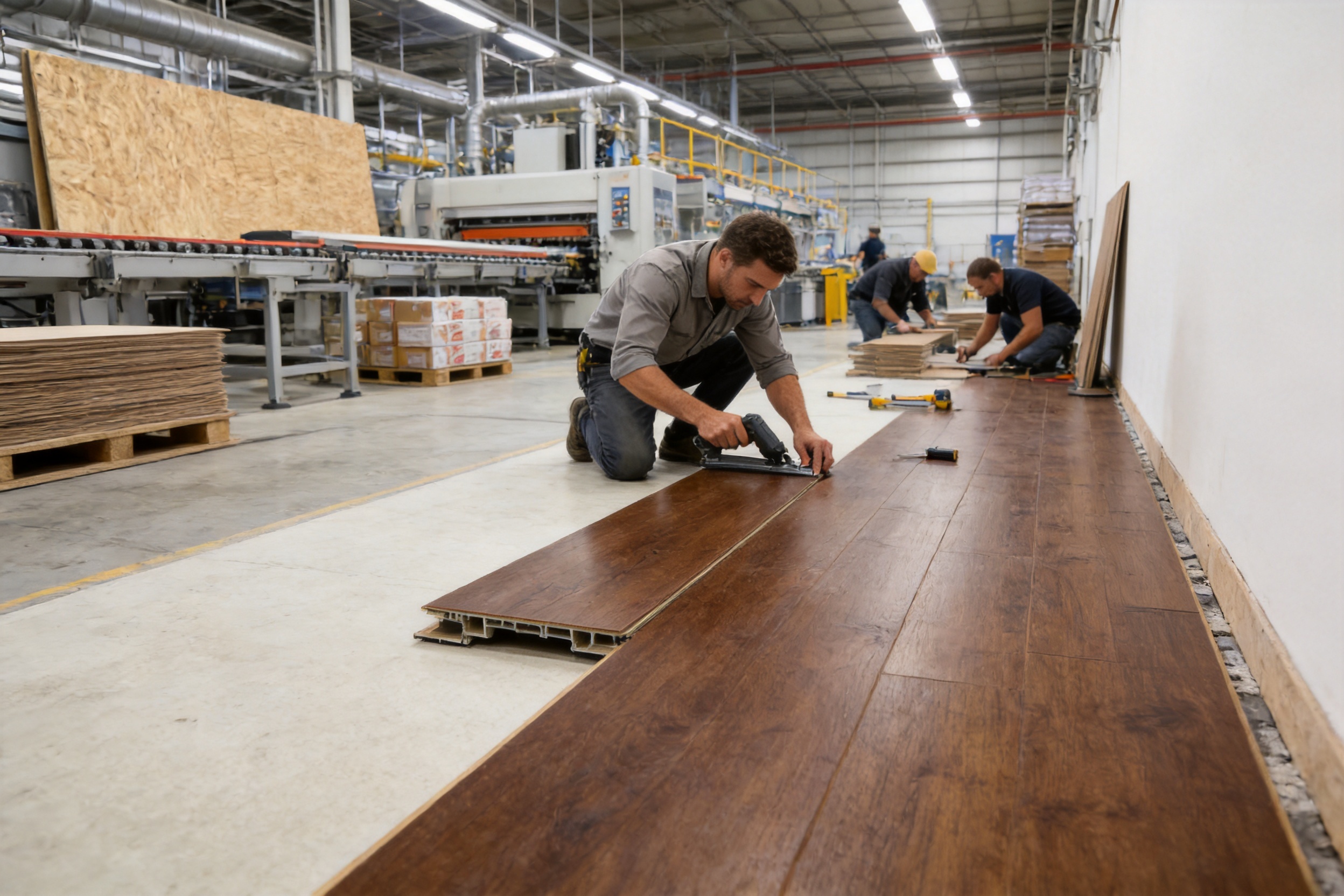
The quality of a finished floor is influenced not only by the materials selected but also by the consistency of the manufacturing process. DF2007A is produced by Suzhou Dicosbo Wood Co., Ltd., a company with experience in flooring, wooden doors, and custom cabinets. This broader wood-product capability can provide useful knowledge across material selection, machining, surface treatment, edge processing, finishing, packaging, and project customization.
The company reports more than 20 years of industry expertise, over 10 years of export experience, and a production base of approximately 20,000 square meters. It also reports German imported production lines and automated quality control systems. Modern production equipment can improve repeatability in board pressing, cutting, profiling, surface finishing, and inspection. Automation can reduce variation between production batches when properly calibrated and supported by trained technical personnel.
Manufacturing begins with the selection and preparation of wood-based materials. For HDF flooring, fiber quality, moisture control, density distribution, resin application, and pressing conditions all influence the core’s final performance. Consistent moisture management is particularly important because excessive or uneven moisture can affect dimensional stability and later installation behavior.
Controlled production parameters help ensure that the core reaches the required density and thickness. The board must provide a suitable foundation for the decorative layer and locking profile. Variations in density can influence machining quality, edge integrity, screw or fastener behavior in related products, and the overall feel of the floor.
The decorative paper and wear layer are applied under controlled pressure and temperature. Correct pressing conditions help the layers bond effectively and create a smooth, visually consistent surface. Too little pressure or insufficient heat may weaken the bond, while excessive or poorly controlled conditions can affect color, gloss, texture, or board flatness.
For a walnut design, print registration and color management are important. A coordinated project may involve large quantities installed across several rooms or buildings. Consistent color and pattern control helps avoid distracting differences between cartons or production lots.
The click profile is machined into the board edges after the main panel construction is completed. Precision in this stage is essential. The profile must engage securely while allowing efficient installation. If the dimensions are inconsistent, installers may experience difficult joints, visible gaps, excessive movement, or damaged edges.
Automated machining and measurement systems can help maintain profile tolerances. Quality teams may inspect board dimensions, edge geometry, surface condition, squareness, flatness, and locking performance. Consistent profiling is especially important for floating floors because the joint system provides much of the floor’s assembled stability.
The company describes a strict three-step quality inspection process. Although specific internal procedures may vary by production order, a structured inspection model can include incoming material checks, in-process manufacturing checks, and final product checks.
Incoming material inspection may review decorative paper, HDF panels, wear-layer components, packaging materials, and other inputs. In-process inspection can evaluate pressing conditions, board thickness, bonding, color, flatness, and machining quality. Final inspection may verify appearance, dimensions, joint engagement, packaging, labeling, and order conformity before shipment.
A three-stage system is more effective than relying solely on a final visual inspection because it can identify issues earlier in the process. Early detection reduces rework, limits material waste, and improves the likelihood that each carton meets the required specification.
Each carton of DF2007A contains nine pieces and covers approximately 2.08 square meters or 22.36 square feet. The carton weight is approximately 21.9 kilograms. These details support logistics planning, including pallet configuration, container loading, warehouse racking, manual handling, and delivery scheduling.
Export experience can be valuable because international flooring shipments require attention to packaging strength, labeling, documentation, moisture protection, container loading, and market-specific requirements. A manufacturer accustomed to serving overseas partners may be better prepared to coordinate production and shipping details for distributors and project customers.
DF2007A is offered with customizable sizes and colors, subject to project requirements, minimum order quantities, technical feasibility, and production scheduling. Customization can be useful for distributors that need a private-label collection, developers that want a coordinated finish across a project, or architects seeking a specific color direction.
OEM and ODM support can extend beyond color. Depending on the project, customization may involve dimensions, surface appearance, packaging, labeling, product naming, collection organization, and supporting documentation. Any requested change should be reviewed carefully because modifications to thickness, profile, wear layer, core composition, or surface treatment can affect cost, lead time, testing requirements, and performance.
The company reports a 72-hour rapid prototyping capability. Rapid prototyping can help customers review a proposed visual direction before committing to a full production order. Samples allow stakeholders to examine color, grain scale, surface reflectivity, edge appearance, and coordination with furniture or other finishes.
Samples should be assessed under the lighting conditions of the intended project whenever possible. Walnut tones may appear different under daylight, warm LED lighting, cool office lighting, or retail spotlights. A sample review can reduce the risk of approving a color that later appears too red, too dark, too gray, or too contrast-heavy in the actual installation environment.
A manufacturer that can support standard products and customization gives distributors more flexibility in developing a market-specific collection. Standard products simplify purchasing and replenishment, while customization can create differentiation. This combination may help partners serve both routine orders and design-led projects.
For contractors, reliable packaging and repeatable dimensions can simplify installation planning. For architects, technical data and samples support specification work. For developers, production capacity and quality systems can help coordinate multi-unit housing, hospitality, and commercial interior projects.
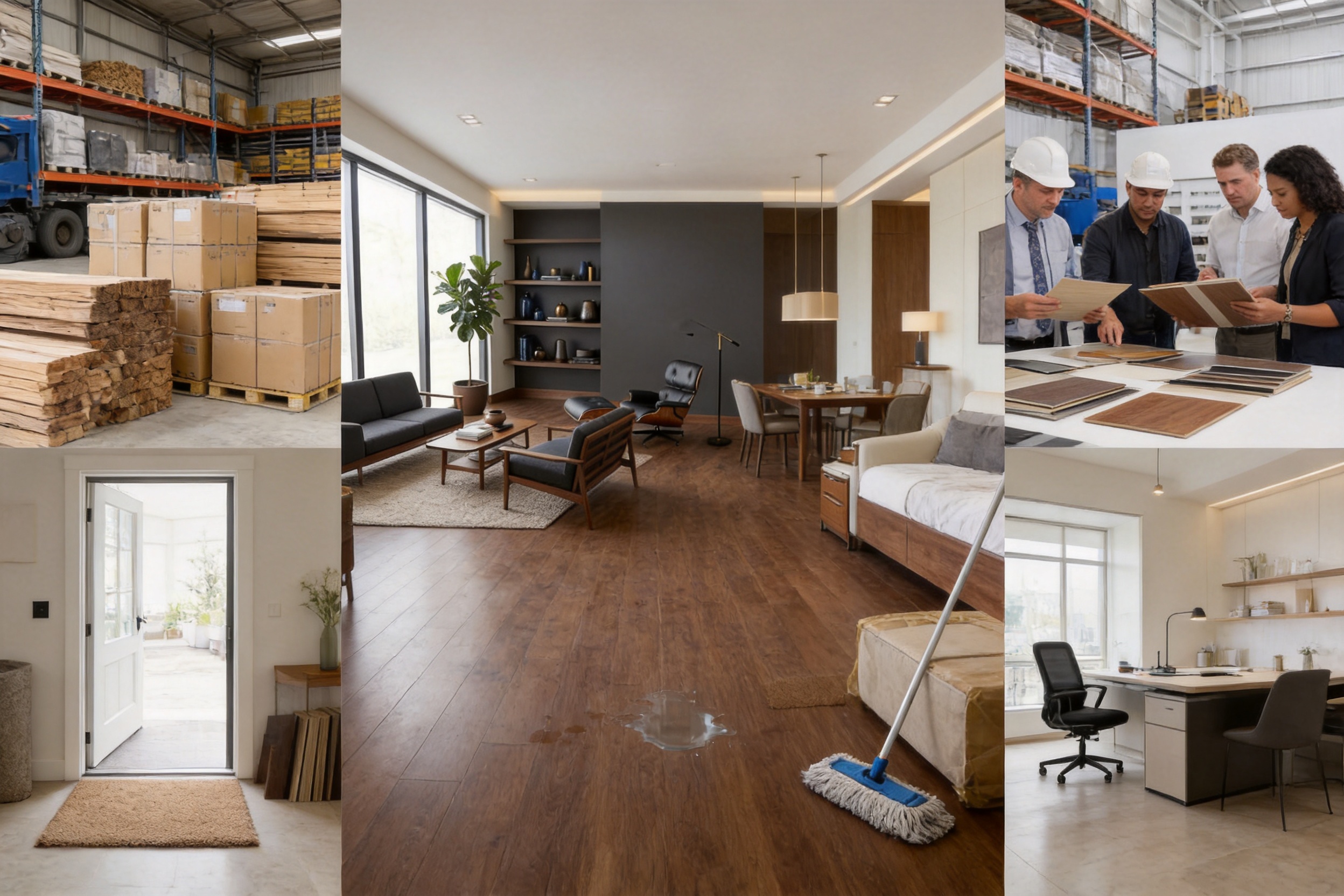
Product comparison should focus on the actual requirements of the project rather than on a single feature. DF2007A does not seek to replace every flooring category. Its value lies in the balance among design, cost control, wear performance, installation efficiency, and manufacturing consistency.
| Evaluation factor | 12mm Premium Walnut Laminate | Natural Solid or Engineered Wood | Thinner Entry-Level Laminate | Luxury Vinyl Flooring |
| Visual character | Consistent walnut-inspired wood appearance | Natural grain and material variation | Wood appearance with varying print quality | Wide range of wood and stone visuals |
| Board construction | 12mm HDF-based laminate construction | Timber or multi-layer wood construction | Often lighter or thinner laminate construction | Resilient polymer-based construction |
| Surface protection | Melamine wear layer with aluminum oxide | Finish varies; may require refinishing | Wear performance varies by product | Wear layer varies by specification |
| Installation approach | Floating click installation | Varies by construction and product | Often floating click installation | Click, glue-down, or loose-lay options |
| Moisture behavior | Moisture-resistant core; not intended for prolonged standing water | Requires careful moisture management | Depends on core and construction | Often more moisture-tolerant, depending on product |
| Maintenance | Dry cleaning and slightly damp mopping | More specialized care may be required | Generally straightforward | Generally straightforward |
| Design consistency | High repeatability across production batches when controlled | Natural variation is expected | Depends on print and manufacturing quality | Usually highly repeatable |
Compared with natural wood, laminate flooring can offer more predictable appearance, simplified maintenance, and a potentially more controlled procurement process. Natural wood remains attractive to customers who prioritize authentic material variation, repairability, and the ability to refinish certain products. The right choice depends on the project’s design goals, budget, environmental conditions, and maintenance expectations.
Compared with thinner laminate, the 12mm construction can deliver a more substantial premium positioning. Buyers should still evaluate the full specification, including density, wear layer, locking profile, dimensional tolerance, emission performance, and quality control. Thickness is meaningful only when supported by sound engineering.
Compared with luxury vinyl flooring, laminate offers a different material experience and construction profile. Vinyl may be preferred in areas with higher moisture exposure, while laminate may be selected for its wood-like board feel, rigid construction, and decorative appearance. Each category should be assessed against the project’s technical requirements.
Living rooms are one of the most suitable applications for DF2007A because they combine visual importance with regular but generally manageable foot traffic. The walnut appearance can create a warm foundation for seating, tables, rugs, lighting, and media furniture. The AC3 surface is intended to withstand ordinary residential use when the floor is correctly installed and maintained.
In dining rooms, the smooth surface can simplify removal of ordinary dust and crumbs. Furniture pads should be placed beneath chair and table legs to reduce scratches and concentrated pressure. Spills should be wiped promptly, especially around table edges and service areas.
Bedrooms benefit from the warm visual quality of walnut flooring. The smooth finish can support a clean and calm environment, while the click installation system may be useful in renovation projects where construction time needs to be managed carefully.
For multi-unit residential projects, a standardized laminate collection can help create a consistent design language across apartments, model units, corridors, and common areas where appropriate. The product’s carton coverage and production capacity can assist with quantity planning. Project teams should confirm traffic classifications and local code requirements before specifying the flooring for shared public areas.
The product may be considered for selected offices, boutique environments, showrooms, and other general-use interiors. Commercial suitability depends on traffic volume, rolling loads, cleaning frequency, furniture movement, and the required wear classification. Where use intensity is significantly higher than typical residential conditions, a higher-rated product may be more appropriate.
Proper maintenance helps preserve both the decorative appearance and the functional surface of laminate flooring. Daily or routine cleaning can be performed with a dry cloth, soft broom, vacuum suitable for hard floors, or a slightly damp mop. Excess water should be removed rather than allowed to remain on the surface.
Direct water rinsing, steam cleaning without manufacturer approval, harsh abrasive powders, and aggressive chemicals should be avoided. Cleaning products should be compatible with laminate flooring and used according to their instructions. Furniture should be lifted rather than dragged during rearrangement.
Sharp objects, grit, and abrasive debris are common causes of surface damage. Entrance mats can reduce the amount of sand and dirt brought onto the floor. Felt pads beneath chair legs, tables, cabinets, and movable furniture can also limit scratching.
Indoor humidity should remain within a reasonable range. Excessively dry or humid conditions can affect wood-based flooring products. Proper ventilation, building-envelope maintenance, and prompt repair of leaks are important parts of floor care.
When replacing damaged boards, the repair method depends on the location of the board, the locking profile, the surrounding installation, and the skill of the installer. Retaining spare cartons from the original production batch can be helpful because future replacement material may differ slightly in color or pattern.
Buyers should begin by defining the intended application. The floor’s expected traffic, moisture exposure, cleaning routine, room size, subfloor type, and installation schedule should all be reviewed. A premium appearance does not remove the need for technical assessment.
Next, buyers should confirm the full product specification. Important points include thickness, dimensions, surface finish, wear rating, core type, emission compliance, edge profile, locking system, packaging, carton coverage, and installation method. Project customers should request current technical data and certification documents where required.
Color approval should be based on a physical sample whenever possible. Digital images can be useful for initial selection but may not accurately represent color, gloss, grain scale, or surface texture. Samples should be reviewed beside doors, cabinets, wall finishes, and other materials intended for the same interior.
Quantity calculations should include the net floor area, installation pattern, room complexity, cutting waste, and future repair reserve. Straight layouts may require less waste than diagonal or highly detailed patterns. Doorways, angled walls, alcoves, and multiple rooms can increase cutting requirements.
Lead time should include sample approval, production scheduling, quality inspection, packaging, shipping, customs clearance, and local delivery. A manufacturer with substantial capacity may be able to support larger orders, but production timing should still be confirmed in writing for each project.
Suzhou Dicosbo Wood Co., Ltd. is presented as a global wood solutions manufacturer specializing in wood flooring, wooden doors, and custom cabinet solutions. Founded in 1999, the company has developed experience across several connected interior-product categories. This integrated knowledge can be useful when customers require coordinated flooring, doors, and cabinetry for a complete project.
The company reports serving more than 100 global partners across Europe, North America, and Southeast Asia. International experience can support communication regarding packaging, documentation, product customization, shipping coordination, and market-specific expectations. The company also reports annual production capacity of approximately 2,400,000 square meters of flooring and 5,000 sets of doors.
Its stated capabilities include OEM and ODM customization, rapid prototyping within 72 hours, German imported production lines, automated quality control systems, and a three-step quality inspection process. These capabilities are relevant to customers that need both standard product supply and tailored product development.
For distributors, the combination of production scale and customization may help create differentiated collections. For architects and contractors, technical support and sample development can make specification easier. For developers, capacity and structured quality control can support repeat orders across a project portfolio.
DF2007A features a walnut wood-grain decorative surface with a smooth finish. The design is intended to create a warm, refined appearance suitable for light-luxury, contemporary, and new Chinese-style interiors.
Yes. The product is intended for general residential use, including living rooms, dining rooms, and bedrooms, provided that the subfloor, moisture conditions, installation method, and maintenance routine are appropriate.
AC3 generally indicates suitability for regular residential use and selected general-use environments. The exact suitability depends on traffic intensity, furniture movement, rolling loads, cleaning practices, and local classification requirements. It should not automatically be treated as suitable for every heavy commercial application.
No. The product uses a moisture-resistant HDF core, but it is not intended for prolonged standing water or continuous wet exposure. Spills should be cleaned promptly, and areas with significant moisture risk should be assessed carefully before installation.
DF2007A uses a click-lock system and is designed for floating installation. Boards are connected to one another over a properly prepared subfloor. Expansion gaps, acclimation, underlayment, and installation procedures must follow the applicable technical instructions.
Yes. The specification identifies a micro-bevel on all four sides. This creates subtle visual definition between boards and contributes to a more realistic plank appearance.
The listed dimensions are 47.8 inches by 7.5 inches by 15/32 inch, corresponding to an approximately 12mm-thick board.
Each carton contains nine pieces and covers approximately 2.08 square meters, or 22.36 square feet. The approximate carton weight is 21.9 kilograms.
The product is described as meeting the E0 environmental standard and as TSCA Title VI and CARB Phase 2 compliant. Buyers requiring formal documentation should request current certificates and test reports for the relevant production batch and destination market.
Custom sizes and colors are available subject to technical evaluation, minimum order quantities, production scheduling, and project requirements. OEM and ODM support may also include packaging, labeling, and collection development.
Use a dry cloth, soft broom, suitable hard-floor vacuum, or slightly damp mop. Avoid direct water rinsing, excess moisture, abrasive tools, and unsuitable chemicals.
The company combines wood-product experience, reported large-scale flooring capacity, export experience, automated quality control, rapid prototyping, OEM/ODM services, and a structured three-step inspection process. These capabilities can help support consistent supply, customization, documentation, and project coordination.
Suitability depends on the specific traffic level and project conditions. AC3 is generally associated with residential and general-use applications. High-traffic commercial projects may require a different wear classification, so the product should be reviewed against the project specification before approval.
Yes. Retaining spare cartons from the original order can be useful for future repairs. Replacement products produced later may have slight differences in color, pattern, or batch appearance.
The 12mm Premium Laminate Walnut Color Smooth Surface Click Floor offers a balanced flooring solution for customers who want an elegant wood-inspired appearance, dependable everyday wear performance, practical installation, and consistent manufacturing. Its walnut decorative paper provides a refined foundation for residential interiors and selected general-use projects. The aluminum oxide-enhanced melamine wear layer supports resistance to routine abrasion, while the HDF core contributes to structural stability and click-system performance.
The product’s 12mm construction, four-sided micro-bevel, smooth surface, AC3 rating, E0 environmental positioning, and floating click installation method give it a clear premium laminate identity. It can provide advantages over less substantial laminate products through its reinforced construction and over natural wood in areas such as appearance consistency, maintenance simplicity, and production repeatability.
Its value is further strengthened by the manufacturing platform behind it. Suzhou Dicosbo Wood Co., Ltd. brings experience in flooring and related interior wood products, international export knowledge, OEM and ODM capabilities, rapid prototyping, reported large-scale production capacity, imported production lines, automated quality control, and a three-step inspection process. These strengths are important for buyers who need more than an attractive sample; they need dependable supply, repeatable quality, technical information, and support for different project requirements.
As with any wood-based flooring product, correct application and installation remain essential. The floor should be matched to the expected traffic and moisture conditions, installed over a suitable subfloor, protected from excessive water, and maintained with appropriate cleaning practices. When these conditions are respected, DF2007A can serve as a durable and visually sophisticated flooring choice for modern residential interiors and selected project environments.
1. Product specification and technical information for DF2007A 12mm Premium Laminate Flooring.
2. Product data concerning AC3 wear resistance, HDF core construction, click-lock installation, and aluminum oxide surface protection.
3. Product packaging information, including carton quantity, coverage, dimensions, and carton weight.
4. TSCA Title VI and CARB Phase 2 requirements for formaldehyde emissions from composite wood products.
5. General principles of laminate flooring installation, floating-floor construction, expansion allowances, and subfloor preparation.
6. General guidance for residential flooring maintenance, moisture management, furniture protection, and routine cleaning.
7. Manufacturer-provided information regarding production facilities, export experience, OEM/ODM services, quality inspection systems, and product customization.

We provide customers with sustainable and eco-friendly
engineered wood solutions and services.
Choose DEIF for the perfect blend of
performance and aesthetics.
