


 English
 Español
 عربى
عربى

Get Social
Choose DEIF for the perfect blend of
performance and aesthetics.
 Get Free Sample

Content
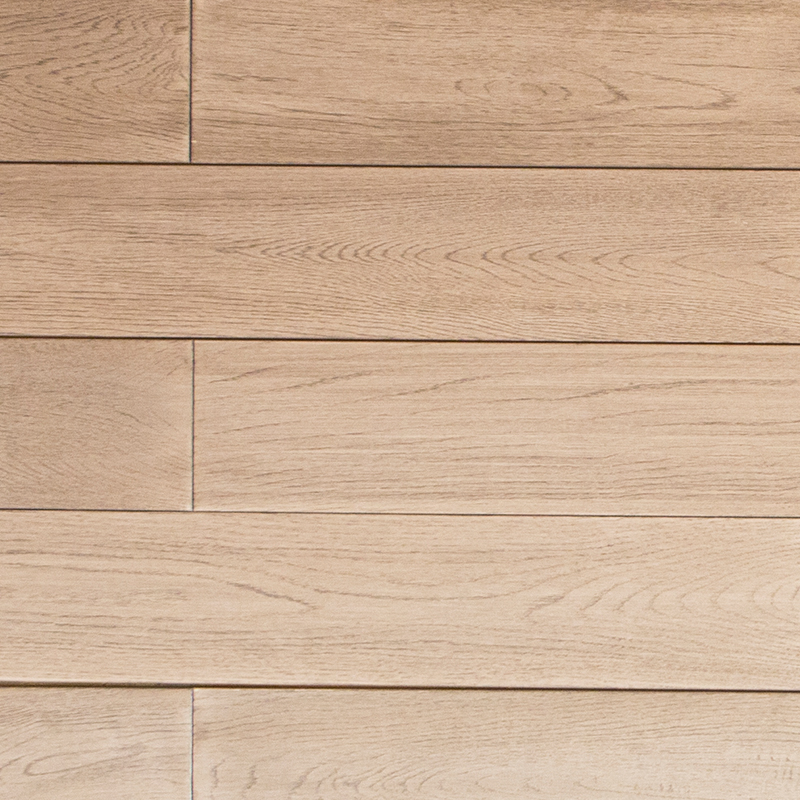
Light oak grain AC3 light beige matte laminate flooring is designed for modern residential and light commercial interiors that require natural wood aesthetics, reliable daily performance, efficient installation, and practical long-term maintenance. With a warm light beige tone, realistic oak grain appearance, AC3 abrasion resistance, an HDF core, a melamine wear layer enhanced with aluminum oxide, and a click-lock floating installation system, this flooring solution offers a balanced combination of style, durability, cost efficiency, and project flexibility.
Unlike traditional solid wood flooring, this laminate flooring delivers a wood-like visual effect at a significantly lower material and maintenance cost. It is well suited for bedrooms, compact living rooms, apartments, rental properties, model homes, hospitality spaces, residential developments, and renovation projects where natural design, predictable performance, and installation speed are important. Its light oak grain surface helps brighten indoor spaces, making rooms feel warmer, cleaner, and more open.
The product is part of a 9.5mm standard laminate flooring collection and is engineered for general-use interior environments. It features a high-density HDF base material, a decorative wood grain paper layer, a melamine wear layer with aluminum oxide, a micro-bevel profile on all four sides, and a click system for floating installation. These structural details help the flooring provide stable use, convenient handling, attractive surface definition, and simplified jobsite installation.
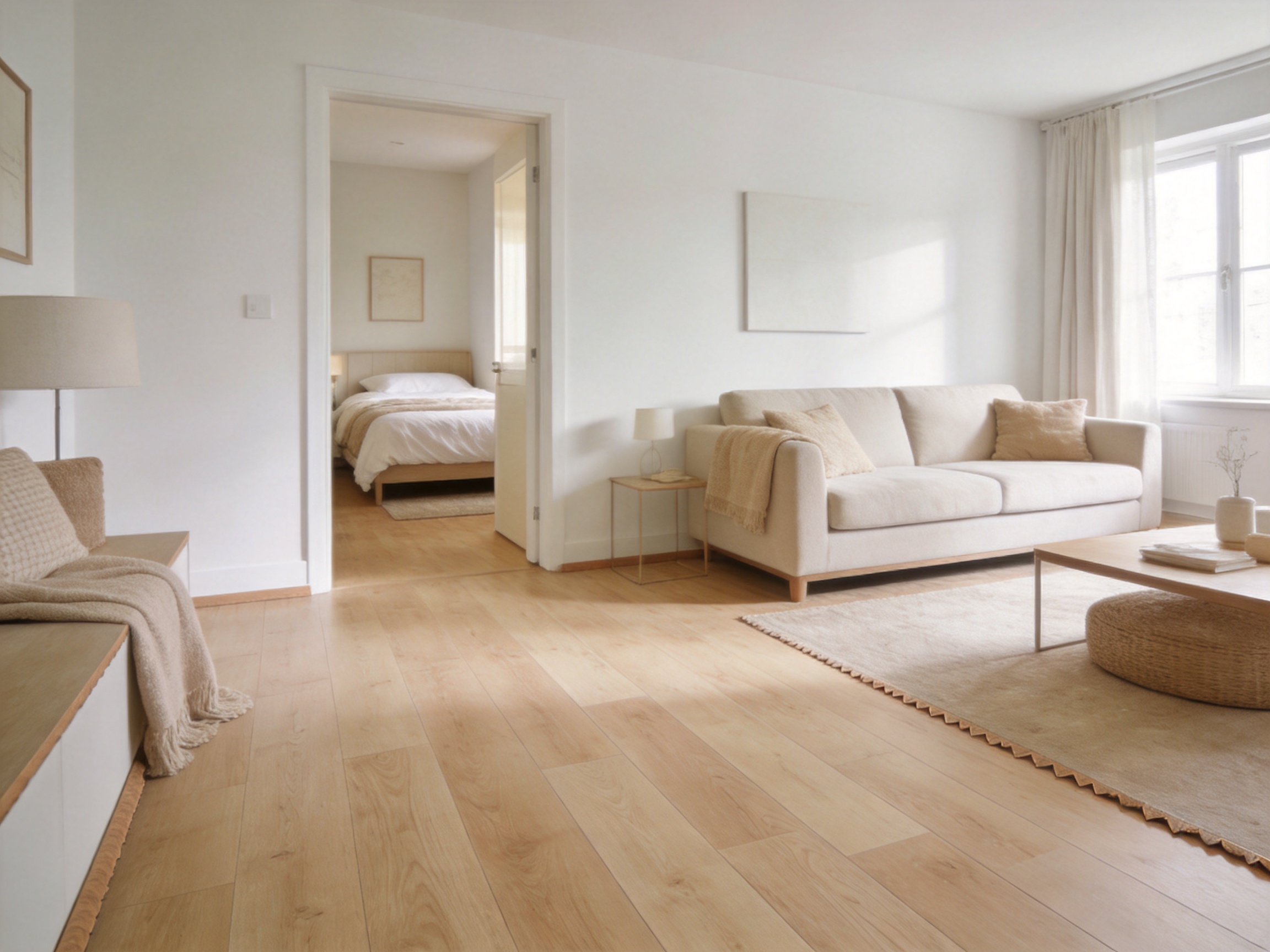
The light oak grain AC3 light beige matte laminate flooring is a decorative and functional floor covering built to meet the expectations of today’s home and project buyers. Its main visual feature is a soft light beige oak tone with a realistic wood grain effect. This color direction works especially well in modern minimalist, Scandinavian, natural, warm contemporary, and family-oriented interior design styles.
The product’s matte surface avoids excessive glare and gives the floor a calm, refined, and natural appearance. A matte finish is often preferred in residential interiors because it helps reduce the visibility of minor dust, footprints, and daily marks compared with high-gloss flooring. It also supports a more authentic wood look, since natural oak floors typically have a subtle sheen rather than a mirror-like surface.
The AC3 wear rating makes the flooring suitable for high-traffic residential use and general-use interior applications. This means it is appropriate for areas such as bedrooms, living rooms, apartment interiors, home offices, corridors, and selected residential transitional spaces. The wear-resistant surface helps the product withstand everyday foot traffic, furniture movement, and common household activity.
At the structural level, the floor uses HDF as its core construction. HDF, or high-density fiberboard, provides dimensional stability and strength, helping the planks maintain their form under normal indoor use. The product is designed with a click-lock system, enabling floating installation without glue. This allows faster installation, easier replacement, and reduced renovation complexity compared with many traditional flooring methods.
| Product Type | Light Oak Grain Matte Laminate Flooring |
| Collection | 9.5mm Standard Laminate Flooring |
| Dimensions | 48.0″ × 7.9″ × 3/8″ |
| Surface Material | Wood Grain Decorative Paper |
| Wear Rating | AC3 |
| Core Construction | HDF |
| Surface Finish | Melamine Wear Layer with Aluminum Oxide |
| Surface Texture | Smooth Matte Wood Grain Appearance |
| Profile | Micro-Bevel on All Four Sides |
| Locking System | Click System |
| Installation Method | Floating Installation |
| Pieces Per Carton | 10 |
| Coverage Per Carton | 2.44 Square Meters / 26.26 Square Feet |
| Weight Per Carton | 20.4 kg |
| Compliance | TSCA Title VI / CARB Phase 2 Compliant |
The most immediate advantage of this flooring is its visual warmth. Light oak grain has become one of the most widely used flooring colors in modern interior design because it can pair with many wall colors, cabinet finishes, furniture materials, and lighting schemes. The light beige tone reflects more light than dark flooring, helping rooms appear larger and brighter.
In compact apartments and smaller bedrooms, light flooring can visually expand the space. In larger living rooms, it creates a comfortable and calm foundation without overpowering other design elements. Its neutral tone also supports flexible decoration over time, allowing homeowners, designers, and property operators to update furniture and wall colors without replacing the floor.
The realistic wood grain effect gives the floor a natural character. Instead of a flat artificial appearance, the grain pattern recreates the visual movement of oak. This is especially valuable in residential interiors, where warmth and authenticity are important. The product provides the look of wood while reducing the cost, installation difficulty, and maintenance requirements often associated with solid wood.
Solid wood flooring remains a premium material, but it also has limitations. It can be expensive, sensitive to moisture, vulnerable to scratches, and dependent on careful maintenance. For many modern projects, especially apartments, rental units, residential developments, and budget-conscious renovations, laminate flooring provides a more practical balance.
This light oak grain laminate flooring offers a natural wood-like surface at a cost that can be approximately 50% lower than solid wood flooring, depending on project specifications and market conditions. This cost advantage is especially meaningful for large-area projects, where flooring expenses can strongly influence the total renovation budget.
Maintenance is another major advantage. Solid wood may require periodic polishing, oiling, refinishing, or special cleaning procedures. This laminate flooring does not require regular oiling. Routine care can be handled with a dry mop and, when needed, a slightly damp cloth. For stubborn stains, a neutral detergent and soft cloth are usually sufficient. This makes the product more convenient for homeowners, landlords, property managers, and commercial operators.
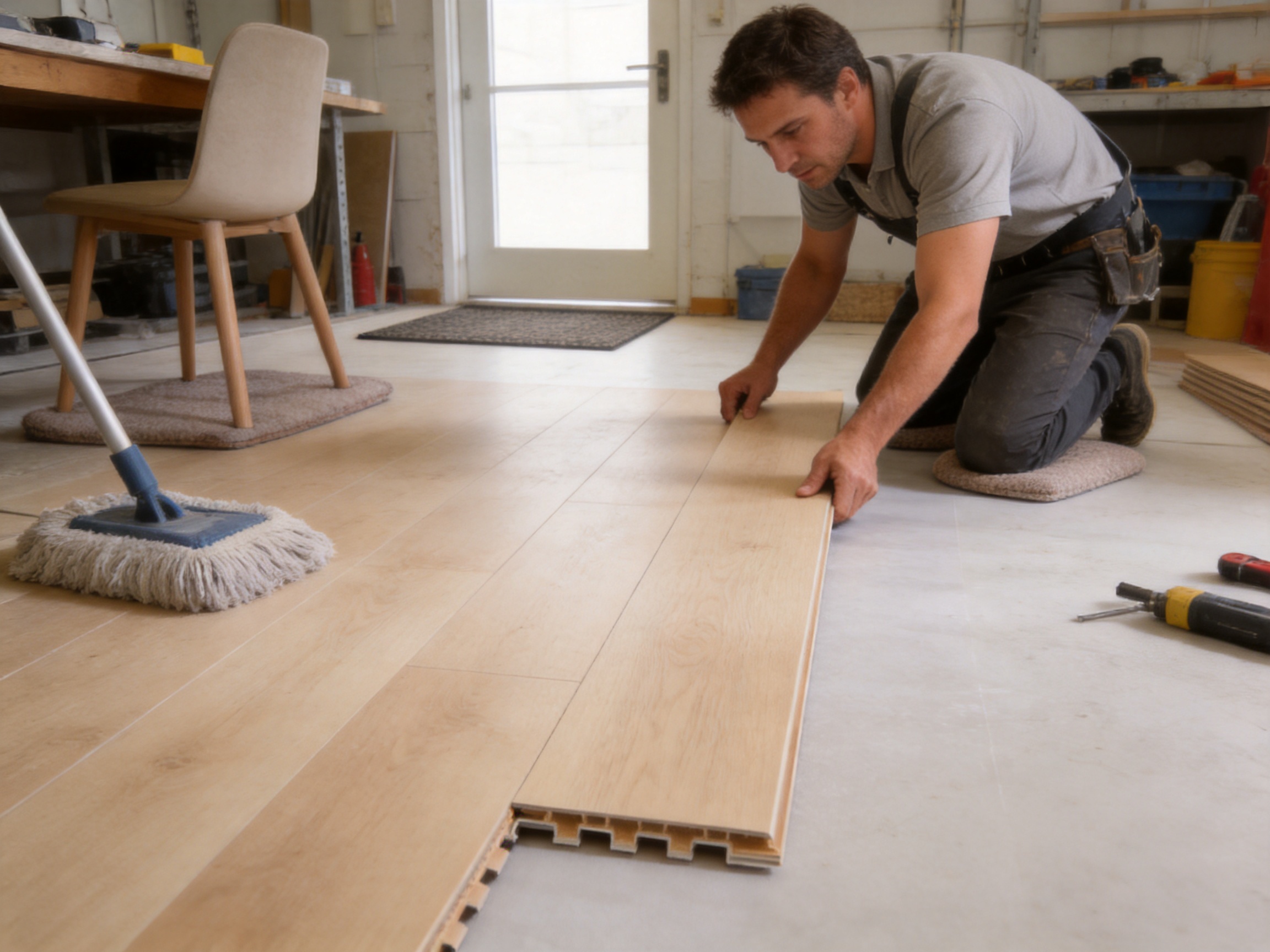
Installation is also simpler. The click-lock floating system does not require glue, nails, or complex professional finishing processes. This reduces installation time and can help shorten project schedules. If a move, renovation, or partial replacement is needed, floating floors are generally easier to disassemble than glued-down flooring systems.
Not all laminate flooring is the same. Low-end products may use weaker core materials, inconsistent decorative layers, thin wear surfaces, poor locking profiles, or unreliable emission control. These weaknesses can result in unstable joints, visible surface damage, color inconsistency, poor moisture response, or indoor air quality concerns.
The light oak grain AC3 matte laminate flooring stands apart by combining a wear-resistant surface, HDF core construction, micro-beveled edges, a click system, and recognized emission compliance. The melamine wear layer with aluminum oxide improves surface resistance against daily abrasion. The HDF core provides strength and dimensional consistency. The micro-bevel profile gives each plank definition and helps create a more refined installed appearance.
The product’s TSCA Title VI and CARB Phase 2 compliance is especially important for buyers who are concerned about formaldehyde emissions and indoor environmental quality. In residential environments, particularly bedrooms, children’s rooms, apartments, and long-term living spaces, material safety is an essential selection factor. A compliant product helps distributors and project teams meet regulatory and customer expectations.
Compared with low-end laminate products, this flooring also benefits from customizable sizes and colors. Customization enables distributors, contractors, designers, and project owners to match local market preferences or specific project requirements. In competitive flooring markets, the ability to customize visual design and specifications can be a strong business advantage.
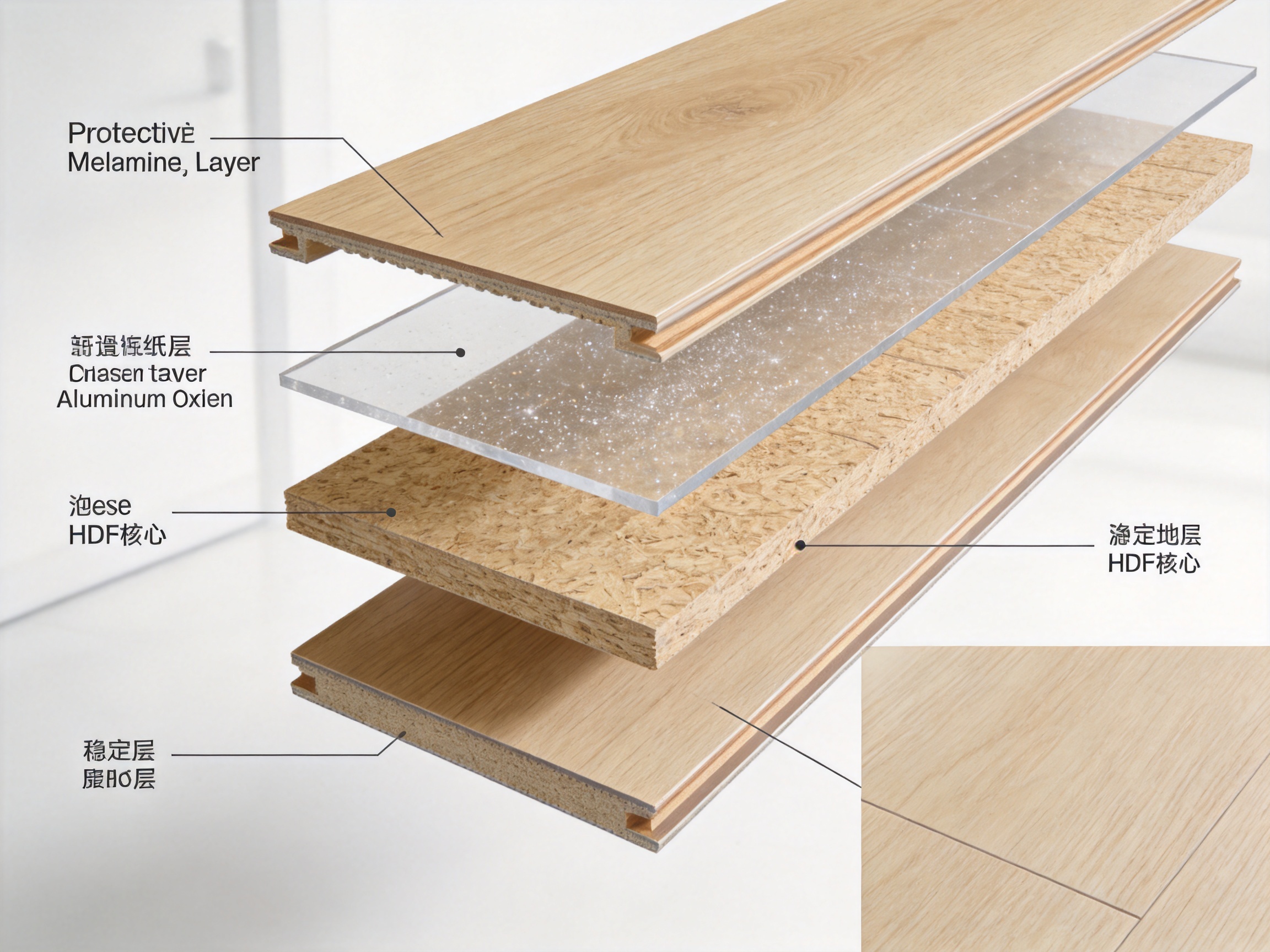
The AC rating system is used to classify laminate flooring wear performance. AC3 is generally suitable for heavy residential use and moderate general-use areas. For homeowners, this means the surface is designed to handle everyday movement, furniture placement, children’s activity, pet traffic in suitable conditions, and regular household cleaning.
The flooring’s melamine wear layer with aluminum oxide contributes to scratch and abrasion resistance. Aluminum oxide is widely used in flooring wear layers because of its hardness and ability to improve surface durability. While no laminate flooring is completely scratch-proof, a properly manufactured AC3 surface provides reliable performance for normal residential conditions.
For bedrooms, small living rooms, studies, and apartments, AC3 is often an appropriate performance level. It provides more protection than many basic decorative flooring options while remaining cost-effective. This makes it attractive for projects where both performance and budget control matter.
To maximize long-term surface appearance, users should place protective pads under furniture legs, use walk-off mats at entrances, clean grit and sand regularly, and avoid dragging sharp or heavy objects across the floor. These simple practices help preserve the surface and extend the life of the flooring.
The core of laminate flooring is one of the most important factors affecting product performance. This product uses HDF, which is known for density, strength, and stable machining. A good HDF core supports reliable click-lock profiling and helps installed planks remain firm under normal use.
Dimensional stability is especially important in floating floors. Planks must connect securely, lie flat, and respond predictably to ordinary indoor humidity variation. A well-produced HDF core contributes to these characteristics. It allows the locking system to be milled accurately and helps reduce the risk of weak edges or unstable joints.
The floor provides basic moisture resistance suitable for general residential environments and transitional areas such as kitchen entrances. As with most laminate flooring, it should not be soaked or used in continuously wet areas. However, routine cleaning with a slightly damp cloth is convenient and safe when excessive water is avoided.
Compared with poorly manufactured boards, high-density HDF improves edge strength and helps support a tighter installation. This is particularly important in larger installations, where small inconsistencies can become visible across the finished floor. Reliable core construction helps contractors achieve cleaner results and reduces the risk of after-installation complaints.
The click-lock system is one of the major practical advantages of this flooring. It allows the planks to connect mechanically without glue. The floor is installed as a floating system over a suitable underlayment and approved subfloor. This simplifies installation and can reduce labor requirements compared with many traditional systems.
For contractors, faster installation means better schedule control. For homeowners, it means less disruption during renovation. For apartment projects, rental property upgrades, and multi-unit developments, installation efficiency can produce significant cost and time savings. The ability to complete work quickly is often just as important as the material price itself.
The click system also supports easier disassembly when necessary. If a space is renovated or if a portion of the floor must be replaced, floating systems are usually more manageable than glued-down floors. This flexibility is valuable for property managers and long-term building operators.
Proper installation remains important. The subfloor should be clean, dry, level, and structurally sound. Expansion gaps should be maintained around walls and fixed objects. A suitable underlayment should be used according to project requirements. Following recommended installation practices helps the locking system perform as intended and supports long-term floor stability.
The product uses a micro-bevel on all four sides. This small edge detail helps define each plank after installation, creating a more realistic floorboard effect. Without beveling, some laminate floors can look overly flat or artificial, especially when light reflects across wide areas. The micro-bevel gives the floor subtle depth and visual structure.
Micro-beveled edges also help reduce the visibility of very minor height differences between planks that may occur because of normal subfloor or installation variation. While they do not replace proper subfloor preparation, they can improve the overall visual tolerance of the finished surface.
For a light oak design, micro-beveling is especially effective. The subtle plank definition complements the natural grain and creates a soft shadow line that resembles real wood flooring. This detail improves the perceived quality of the installed floor and makes it more competitive against both solid wood and premium vinyl alternatives.
Interior building materials are increasingly evaluated not only for appearance and cost, but also for environmental and indoor air quality performance. This flooring is designed to meet TSCA Title VI and CARB Phase 2 compliance requirements, which are important standards related to formaldehyde emissions from composite wood products.
For distributors, contractors, and project specifiers, compliance documentation can be an important purchasing requirement. Many markets require proof that flooring products meet formaldehyde emission regulations. A compliant laminate flooring solution helps reduce project risk and supports responsible material selection.
The product is also presented with an E0 environmental standard approach and no-added-formaldehyde positioning for general use. This supports customer confidence in residential settings where indoor comfort and safety are priorities. Families, developers, hotels, and property operators increasingly prefer materials that align with health-conscious and environmentally responsible design decisions.
In addition, laminate flooring uses a decorative surface and engineered core to achieve a wood-like appearance efficiently. This can reduce dependence on large quantities of solid hardwood while still delivering a natural visual effect. When paired with responsible sourcing and quality production control, laminate flooring can support more resource-efficient interior construction.
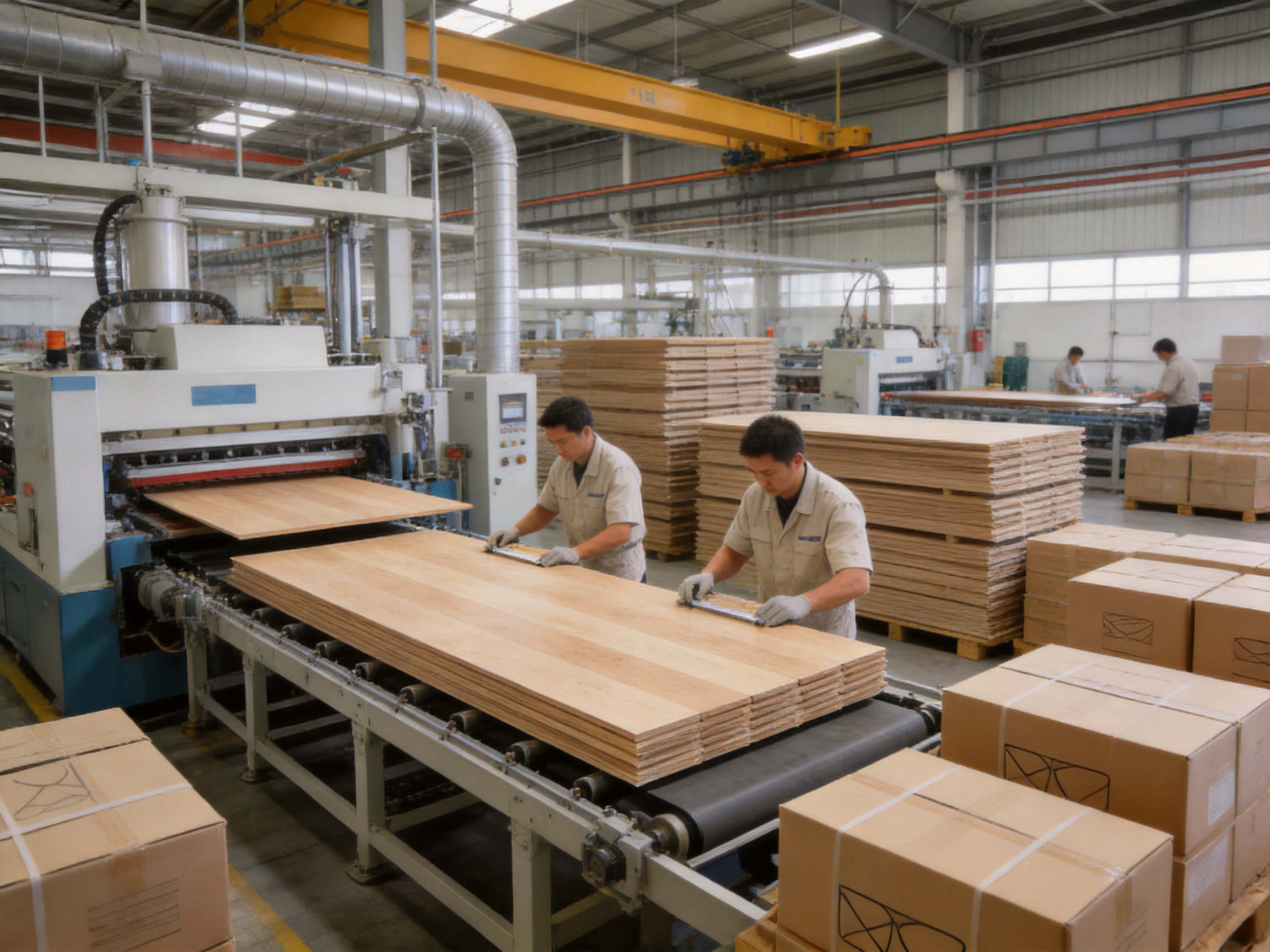
The value of a laminate flooring product depends not only on its visible surface, but also on the manufacturing system behind it. Suzhou Dicosbo Wood Co., Ltd. operates under the DEIF wood solutions platform and has developed long-term expertise in wood flooring, wooden doors, and custom cabinet solutions. Founded in 1999, the company brings more than 20 years of manufacturing experience to residential and project-based wood products.
The company’s production capability includes 20,000 square meters of production facilities and more than 10 years of export experience. It serves over 100 global partners across Europe, North America, and Southeast Asia. This international experience is important because different markets have different expectations for dimensions, emissions compliance, packaging, installation systems, design trends, and after-sales service.
For flooring buyers, manufacturing strength matters because it influences product consistency. A beautiful sample is not enough; large orders must match the approved specification. Stable color control, accurate profiling, reliable core density, clean surface lamination, and proper packaging are essential for avoiding jobsite problems. A manufacturer with integrated quality systems is better positioned to deliver predictable results across batches.
The company offers OEM and ODM customization, allowing clients to develop customized sizes, colors, textures, branding, and packaging based on project or market needs. For distributors, this is valuable because it supports private-label strategies and differentiated product lines. For contractors and architects, customization allows flooring specifications to align more closely with design intent and project requirements.
The manufacturer is equipped with German imported production lines and automated quality control systems. Advanced production equipment helps improve cutting precision, pressing consistency, surface bonding, and edge profiling. These factors directly influence the installed floor’s appearance and performance.
In laminate flooring production, the decorative paper, wear layer, and core board must be processed under controlled conditions. Heat, pressure, timing, surface alignment, and board conditioning all affect the final product. Consistent manufacturing reduces defects such as warping, delamination, color variation, weak locking edges, and uneven surface finish.
Automated quality control strengthens inspection accuracy. While manual inspection remains important, automated systems can monitor production parameters and detect inconsistencies more efficiently. This supports batch stability, especially in large-volume orders. When a manufacturer supplies international distributors and project clients, consistency is essential for maintaining trust and reducing claims.
The company applies a strict 3-step quality inspection process. Such a process typically supports raw material control, in-process monitoring, and final product verification. For flooring, this may include checking board dimensions, surface quality, locking profile accuracy, carton coverage, weight, packaging strength, and compliance documentation. This structured approach helps ensure that every shipment meets expectations.
One of the company’s notable strengths is 72-hour rapid prototyping. In the flooring industry, speed matters. Market trends change quickly, and clients often need samples for showroom development, project approval, architectural selection, or private-label launch plans. A manufacturer that can produce prototypes quickly gives buyers a significant competitive advantage.
Rapid prototyping can support color development, surface effect confirmation, plank size selection, bevel detail evaluation, and packaging review. Instead of waiting weeks for a concept sample, clients can move faster from design idea to market testing. This is especially valuable for distributors competing in seasonal product cycles or contractors bidding on time-sensitive projects.
For the light oak grain AC3 matte laminate flooring, customization can include color adjustments, size modifications, surface style coordination, and packaging aligned with different channels. A warmer beige tone may be preferred for residential apartments, while a slightly cooler light oak may suit contemporary commercial interiors. Flexible manufacturing makes it possible to serve multiple design directions from the same core technical platform.
The company’s annual flooring production capacity reaches 2,400,000 square meters. This scale provides strong support for distributors, developers, contractors, and multi-project buyers. Large capacity is not only about volume; it is also about supply reliability. When a flooring supplier cannot maintain delivery schedules, construction timelines and sales programs can be disrupted.
Stable production capacity helps buyers plan inventory, launch product collections, and support repeat orders. It also reduces the risk of inconsistent replacement supply. For project-based flooring, continuity matters because future phases or maintenance needs may require matching material. A manufacturer with strong capacity and organized production management is better able to support long-term cooperation.
In addition to flooring, the company manufactures wooden doors and custom cabinets, with an annual door production capacity of 5,000 sets. This broader wood solutions capability allows it to support integrated interior projects. For developers, contractors, and designers, working with a manufacturer that understands multiple interior wood categories can simplify procurement and improve coordination between floors, doors, and cabinetry.
Residential flooring must satisfy several stakeholders at once. Homeowners want beauty, comfort, and easy maintenance. Contractors want quick installation and fewer complaints. Distributors want attractive designs and reliable quality. Developers want cost control, supply stability, and marketable interiors. This light oak grain AC3 laminate flooring responds to all these needs.
Its light beige oak visual helps create interiors that feel clean, spacious, and welcoming. This makes it easy for developers and real estate operators to present properties attractively to a broad audience. Neutral flooring colors are generally safer for resale and rental because they do not strongly limit furniture or decoration choices.
The AC3 surface gives sufficient durability for daily family use, while the HDF core and click system support practical installation. The product is easy to clean and does not require oiling, which appeals to busy households and rental operators. Its compliance features support confidence in indoor applications.
Compared with products that focus only on low price, this flooring provides a stronger value package. It combines design, performance, compliance, customization, manufacturing strength, and stable supply. That combination is what makes it suitable for both individual renovation and larger project procurement.
Bedrooms benefit from flooring that feels warm, calm, and comfortable. The light oak matte surface creates a restful atmosphere and pairs well with soft textiles, neutral wall colors, and natural furniture. Since bedrooms typically experience moderate traffic, the AC3 rating provides a practical performance level.
In compact living rooms, the light beige tone helps visually enlarge the space. The wood grain pattern adds texture without making the room feel crowded. The surface is suitable for daily activity, provided routine cleaning and basic furniture protection are used.
Apartments often require flooring that is attractive, affordable, easy to install, and simple to maintain. This laminate flooring meets those requirements. The click system helps speed up renovation, while the neutral oak design appeals to many tenants and owners.
Rental properties need durable, easy-care materials. The AC3 surface, no-oiling maintenance, and cost advantage over solid wood make this flooring a strong option for landlords and property managers. If a plank area needs attention in the future, the floating system can support more flexible repair approaches.
Model homes require visually appealing materials that photograph well and create a positive impression. The matte light oak surface works well with staged furniture and modern lighting. It provides the appearance of natural wood while helping keep project costs under control.
Although primarily suited for residential use, AC3 laminate flooring can be considered for selected light-use environments where traffic is controlled and maintenance procedures are followed. Examples may include small offices, consultation rooms, and display areas, depending on project requirements and local specifications.
One of the strongest practical benefits of this flooring is easy maintenance. Daily cleaning can be performed with a dry mop, microfiber mop, or vacuum suitable for hard floors. Removing dust, grit, and sand regularly helps protect the wear layer and maintain the floor’s appearance.
For routine cleaning, a slightly damp cloth or mop may be used. Excessive water should be avoided, and standing water should be wiped promptly. Although the HDF core provides basic moisture resistance for general use, laminate flooring should not be soaked. Proper moisture control is essential for long-term stability.
For stubborn stains, a neutral detergent and soft cloth can be used. Harsh chemicals, abrasive pads, waxes, and oil-based treatments should generally be avoided unless specifically approved. The floor does not require regular oiling, sanding, or refinishing, which lowers maintenance cost over time.
Furniture pads should be installed under chair legs, table legs, and movable furniture. At entrances, mats can reduce grit and moisture carried from outside. In areas with rolling chairs, protective floor mats may be considered. These basic steps help preserve the floor’s surface and keep it looking attractive.
Each carton contains 10 pieces and covers approximately 2.44 square meters or 26.26 square feet. The carton weight is about 20.4 kg. These figures are useful for installers, warehouse teams, and project planners because they help calculate material quantities, loading requirements, storage space, and labor handling.
Before installation, cartons should be stored flat in a dry indoor environment. The flooring should be acclimated according to project requirements and local installation guidance. Site conditions should be controlled, with wet trades completed and the subfloor dry, clean, level, and stable.
Floating installation requires expansion space around walls, columns, thresholds, and fixed objects. Door trims and transition profiles should be planned before installation begins. Because the product uses a click system, installers should handle the locking edges carefully to avoid damage before the planks are connected.
Accurate quantity planning should include waste allowance. The waste percentage depends on room shape, plank layout direction, cutting complexity, and installer practice. Rectangular rooms may require less waste, while angled rooms, corridors, and complex spaces may require more. Proper planning prevents shortage and helps maintain consistent color batch use.
For distributors, the flooring offers a marketable combination of light oak design, AC3 performance, standard dimensions, compliance, and customization potential. Light oak remains one of the most popular flooring colors across many markets, which makes it a strong showroom and catalog choice.
The product’s carton coverage and standard plank dimensions support efficient inventory management. The click-lock system is easy to explain to customers and installers. The compliance positioning supports sales into markets where formaldehyde emission control is expected. These factors help distributors reduce sales barriers and improve customer confidence.
For contractors, the flooring supports efficient installation and predictable project execution. The floating method can reduce jobsite complexity, while the micro-bevel edge helps produce a refined appearance. The manufacturer’s capacity and export experience help support large orders and repeat cooperation.
For architects and designers, the product provides a versatile neutral surface that can coordinate with doors, cabinets, wall panels, and furniture. Since the same manufacturer also specializes in wooden doors and custom cabinets, integrated interior design coordination becomes easier for project-based clients.
| Flooring Option | Main Strength | Common Limitation | How This Product Competes |
| Solid Wood Flooring | Natural material and premium value | Higher cost, moisture sensitivity, more maintenance | Offers realistic wood appearance, lower cost, easier cleaning, and faster installation |
| Low-End Laminate Flooring | Low purchase price | Weaker durability, inconsistent locking, limited compliance confidence | Provides AC3 wear rating, HDF core, compliance, and stronger manufacturing support |
| Vinyl Flooring | Water resistance and design variety | Different underfoot feel and material perception | Provides a wood-based core structure and natural oak visual at competitive cost |
| Engineered Wood Flooring | Real wood veneer appearance | Higher cost and more surface maintenance depending on finish | Offers a practical alternative with easy cleaning and strong design flexibility |
| Ceramic Tile | Hard surface and moisture resistance | Cold underfoot, harder installation, grout maintenance | Provides warmer visual comfort, easier floating installation, and wood-like atmosphere |
Quality assurance is a key reason to select this product over generic alternatives. The manufacturer’s experience, production scale, imported production lines, automated quality control systems, and 3-step inspection process support stable production. This matters for customers who require repeatable quality rather than one-time sample approval.
The company’s global compliance profile includes CE, FSC, CARB P2, and ISO 9001 standards. These certifications and management systems help support credibility in international procurement. For buyers working across regions, compliance helps simplify documentation and reduce risk during customs, project review, or client approval.
ISO 9001 quality management supports systematic process control. FSC-related sourcing awareness supports responsible wood material expectations. CARB P2 and TSCA Title VI compliance relate to formaldehyde emissions and indoor material safety. Together, these elements create a stronger trust foundation for global buyers.
When flooring is purchased for residential developments, hospitality projects, or distributor programs, the supplier’s quality system can be as important as the product specification. Reliable manufacturing reduces hidden costs associated with delays, claims, replacements, and customer dissatisfaction.
Because the manufacturer also produces wooden doors and custom cabinets, the flooring can be part of a broader interior wood solution. This is valuable for projects that require consistent color language and material coordination. A light oak floor can be paired with white, beige, natural oak, walnut, gray, or painted cabinet finishes depending on the desired style.
In modern apartments, light oak flooring with white cabinet doors creates a clean and bright effect. In warmer residential interiors, it can be paired with cream walls, natural wood doors, and soft beige cabinetry. In contemporary commercial interiors, it can be matched with black metal accents, gray doors, and minimal cabinetry for a refined modern look.
Coordinating floors, doors, and cabinets through a single experienced wood solutions manufacturer can reduce communication complexity. It also helps project teams align sample review, production schedule, packaging, and shipping. This integrated capability is one of the company’s advantages over suppliers that provide only a single category.
This flooring is a strong choice when the project requires a light, natural, and cost-effective wood-look floor for residential or general-use interiors. It is especially suitable when installation speed, easy cleaning, and compliance confidence are important. It is not intended for continuously wet environments, outdoor areas, or heavy industrial use.
Buyers should confirm project requirements before ordering, including subfloor conditions, room usage, moisture exposure, underlayment needs, local building regulations, and desired color variation. Sample approval is recommended before large-scale procurement because lighting conditions can influence how light oak tones appear in a finished space.
For multi-room projects, the flooring should be planned with transition profiles, expansion gaps, and installation direction in mind. Installing planks parallel to the longest wall or main light source often produces a visually pleasing effect, though final layout should depend on room proportions and design goals.
When used correctly, this light oak grain AC3 matte laminate flooring provides a practical and elegant solution for modern interiors. It delivers a strong balance of appearance, performance, affordability, and manufacturing reliability.
Its light beige oak tone, matte surface, and realistic wood grain appearance create a warm and natural interior effect. The color is versatile and works well with modern, minimalist, Scandinavian, and warm contemporary design styles.
Yes. AC3 is generally suitable for heavy residential use and general everyday interior applications. It is appropriate for bedrooms, living rooms, apartments, studies, and similar spaces when installed and maintained correctly.
It provides a realistic wood-like appearance at a lower cost, with easier cleaning and no need for regular oiling. It also uses a click-lock floating installation system, which can reduce installation time and complexity.
It may be used in transitional areas such as kitchen entrances or spaces with controlled moisture exposure. However, it should not be soaked or installed in areas with continuous water exposure. Spills should be wiped promptly.
The HDF core provides density, strength, and dimensional stability. It supports accurate click-lock profiling and helps the floor remain stable under normal indoor conditions.
No. The product uses a click-lock system and is designed for floating installation. This makes installation faster and easier than many glue-down systems.
Yes. The flooring is listed as TSCA Title VI and CARB Phase 2 compliant, supporting indoor air quality expectations and regulatory requirements in relevant markets.
Daily cleaning can be done with a dry mop or vacuum suitable for hard floors. A slightly damp cloth may be used for routine cleaning, and neutral detergent with a soft cloth can be used for stubborn stains. Excessive water should be avoided.
Yes. The manufacturer offers OEM and ODM customization, including custom sizes, colors, and related product development options for distributors, contractors, and project buyers.
Strong production capability supports consistent quality, stable supply, accurate profiling, controlled surface finish, reliable packaging, and repeat-order confidence. This is especially important for large projects and distributor programs.
Light oak grain AC3 light beige matte laminate flooring is a practical, attractive, and competitive flooring solution for modern interiors. It combines the natural warmth of oak-inspired design with the functional advantages of laminate construction. Its AC3 wear resistance, HDF core, melamine wear layer with aluminum oxide, micro-beveled edges, click-lock installation, and compliance with TSCA Title VI and CARB Phase 2 make it suitable for a wide range of residential and general-use applications.
The product offers clear advantages over solid wood in cost, maintenance, and installation convenience, while also outperforming many low-end laminate alternatives through better structural specification, compliance confidence, and manufacturing support. Its light beige matte surface creates a flexible design foundation for apartments, bedrooms, living rooms, rental properties, model homes, and project interiors.
Behind the flooring is an experienced wood solutions manufacturer with more than 20 years of industry expertise, advanced production equipment, automated quality control, OEM and ODM customization, rapid prototyping, and large-scale annual flooring capacity. These strengths help ensure that the product is not only visually appealing but also reliable for distributors, contractors, architects, and project buyers.
For buyers seeking a durable, elegant, easy-care, and cost-effective flooring option, this light oak grain AC3 matte laminate flooring provides a strong balance of design value, technical performance, and supply-chain reliability.
North American Laminate Flooring Association. Laminate Flooring Performance and Use Classification Guidelines.
United States Environmental Protection Agency. Formaldehyde Emission Standards for Composite Wood Products under TSCA Title VI.
California Air Resources Board. Airborne Toxic Control Measure for Composite Wood Products, Phase 2 Requirements.
International Organization for Standardization. ISO 9001 Quality Management Systems Requirements.
Forest Stewardship Council. Principles for Responsible Forest Management and Chain of Custody Certification.
European Committee for Standardization. EN Standards Related to Laminate Floor Coverings and Indoor Flooring Performance.

We provide customers with sustainable and eco-friendly
engineered wood solutions and services.
Choose DEIF for the perfect blend of
performance and aesthetics.
