


 English
 Español
 عربى
عربى

Get Social
Choose DEIF for the perfect blend of
performance and aesthetics.
 Get Free Sample

Content
In modern residential and commercial interiors, flooring is expected to do far more than cover a surface. It must define the character of a room, support daily use, respond well to changing indoor conditions, install efficiently, and maintain its appearance over time. The Multi-Ply Teak Warm Yellow Hand-Scraped Click Engineered Wood Flooring, sized at 1220 × 196 × 15 mm, is designed to meet these demands with a balanced combination of natural teak beauty, engineered structural stability, practical installation performance, and customizable production options.
This product belongs to the Multi-Ply Engineered Flooring collection and is represented by the product code DF-E6006. It features a natural wood veneer surface, a multi-layer engineered core, a hand-scraped surface texture, a click-lock profile, and a protective UV coating system. Its warm yellow teak tone brings brightness and comfort to interior spaces, while the tactile hand-scraped finish adds depth, natural character, and a crafted appearance that works well in modern, rustic, traditional, and transitional design schemes.
Compared with many ordinary wood floors, this engineered flooring is built for stability and adaptability. The multi-layer eucalyptus or birch plywood core helps reduce the risks of deformation, warping, and cracking. The surface veneer can be customized in thickness and grade, allowing the floor to serve different design requirements, project budgets, and performance expectations. The click system simplifies installation, while the 7-layer UV coating contributes to wear and scratch resistance in daily use.
Behind the product is Suzhou Dicosbo Wood Co., Ltd., a global wood solutions manufacturer specializing in wood flooring, wooden doors, and custom cabinet solutions. With manufacturing experience dating back to 1999, the company combines large-scale production capability, OEM and ODM customization, rapid prototyping, strict inspection procedures, and international compliance standards. This combination gives distributors, contractors, architects, and project buyers a dependable source for consistent engineered flooring supply.
Multi - Ply Teak Warm Yellow Hand - scraped Click Engineered Wood Flooring (1220×196×15mm)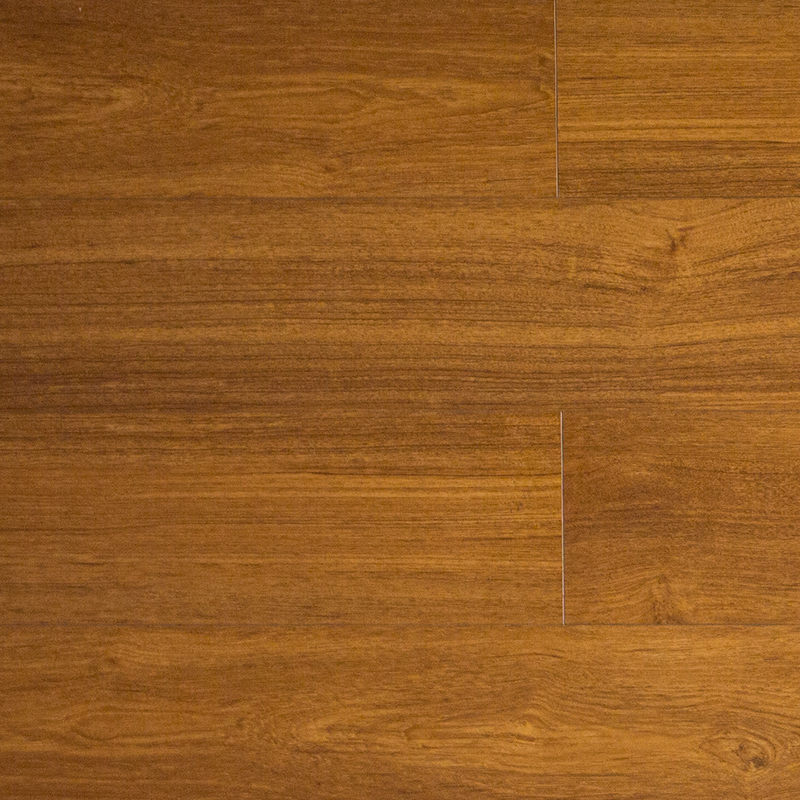
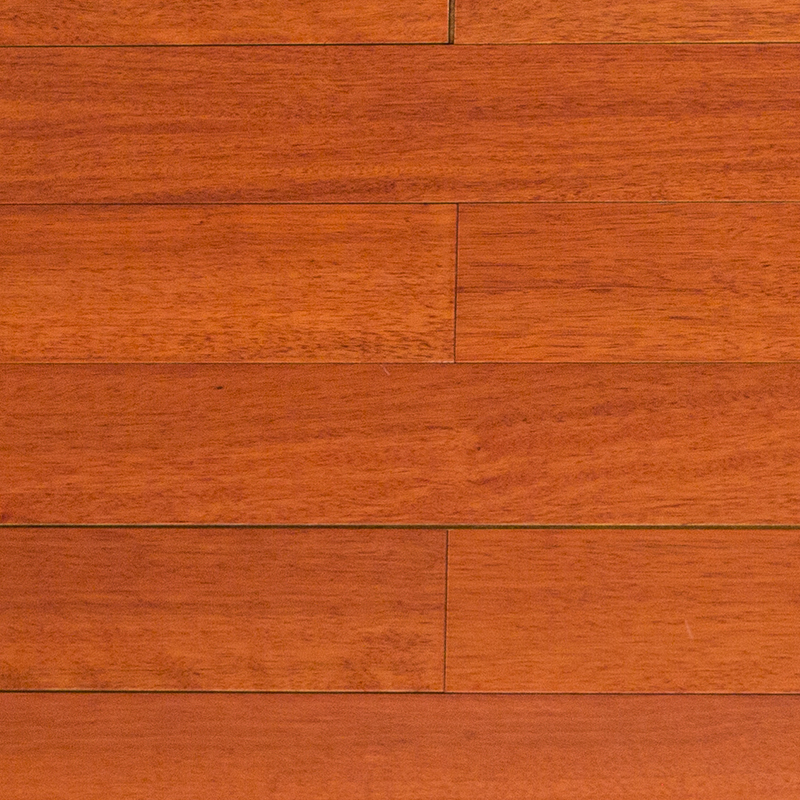
The Multi-Ply Teak Warm Yellow Hand-Scraped Click Engineered Wood Flooring is designed around the idea that a floor should be visually natural and structurally dependable at the same time. Its teak veneer provides a rich, clear grain and an inviting warm yellow color. This color family is especially useful in interiors where designers want to create a friendly, bright, and comfortable atmosphere without making the floor appear too pale or too dark.
Teak has long been valued for its natural appearance, distinct grain structure, and association with quality woodwork. In this product, the teak veneer is applied over a multi-layer engineered base rather than used as a full solid plank. This engineered structure is an important advantage because it improves dimensional stability and helps the floor adapt to indoor humidity and temperature changes more effectively than many traditional solid wood alternatives.
The product’s standard size is 1220 × 196 × 15 mm, or approximately 48.0 inches × 7.7 inches × 5/8 inch. This plank dimension provides a balanced look: long enough to create visual continuity across rooms, wide enough to show the teak grain, and thick enough to provide a strong engineered flooring profile. The micro-beveled edges on all four sides help define each plank subtly while supporting a clean installed appearance.
The hand-scraped surface is another essential feature. Unlike a completely smooth floor, a hand-scraped texture introduces gentle irregularities that enhance the organic feel of the wood. It creates visual movement, catches light in varied ways, and gives the floor a more artisanal character. In homes, this can make living rooms and bedrooms feel warmer and more lived-in. In commercial spaces, it can help create a welcoming, upscale, and natural environment.
The following table summarizes the main technical and commercial characteristics of the flooring. These specifications are useful for distributors, project managers, installers, architects, and procurement teams comparing flooring options for residential or commercial applications.
| Product Type | Multi-Ply Engineered Wood Flooring |
| Product Code | DF-E6006 |
| Standard Dimensions | 1220 × 196 × 15 mm |
| Imperial Dimensions | 48.0 inches × 7.7 inches × 5/8 inch |
| Surface Veneer | Teak, with customizable options including oak, walnut, ash, and teak |
| Veneer Thickness | Customizable: 2 mm, 3 mm, 4 mm, or 6 mm |
| Core Construction | Multi-layer engineered wood |
| Core Material | Eucalyptus or birch plywood |
| Veneer Grade | Customizable: AB, ABC, ABCD, or CD |
| Veneer Cut | Sliced veneer |
| Surface Finish | Customizable: UV lacquer, UV oil, or hardwax oil |
| Surface Texture | Customizable: wire brushed, hand-scraped, or smooth sanded |
| Profile Detail | Micro-bevel on all four sides |
| Locking System | Click system |
| Pieces Per Carton | 10 pieces |
| Coverage Per Carton | 2.39 square meters or 25.73 square feet |
| Weight Per Carton | 24 kg |
| Installation Methods | Floating, glue-down, or staple installation |
| Certifications and Compliance | CE, FSC, CARB P2, and ISO 9001 related manufacturing standards |
The most immediate attraction of this floor is its teak veneer surface. Teak is appreciated for its recognizable grain, warm color, and refined natural presence. The warm yellow tone used in this product is particularly versatile because it can support both light and dark interior palettes. It can brighten spaces with limited natural light, soften minimalist interiors, and provide a comfortable foundation for furniture, walls, and decorative elements.
The veneer surface allows customers to enjoy the look and texture of real wood while benefiting from an engineered base. This approach uses the decorative and tactile value of wood efficiently. Instead of relying on a single solid wood plank from top to bottom, engineered flooring places a selected wood veneer where it matters most: on the visible walking surface. Beneath it, the multi-layer core provides structural support and stability.
The product allows veneer thickness customization from 2 mm to 6 mm. This is a valuable advantage over many standard competitors that offer limited veneer options. A thinner veneer may be suitable for cost-sensitive projects where the visual effect is the primary requirement. A thicker veneer may be selected for premium projects where longer service life, refinishing potential, or a more substantial top layer is desired. By offering multiple veneer thicknesses, the manufacturer can support different market segments without forcing a single specification on all buyers.
Veneer grade customization also matters. AB, ABC, ABCD, and CD grades allow designers and buyers to choose the level of natural variation, knots, color movement, and rustic character appropriate for the project. A refined interior may call for a cleaner grade, while a rustic boutique, villa, café, or natural-style commercial setting may benefit from more visible wood character. This flexibility makes the product suitable for broad design use.
The hand-scraped surface is not only decorative. It also has practical advantages. A perfectly smooth floor can show minor scratches, dents, or dust more visibly because the surface reflects light evenly. A hand-scraped floor has intentional texture and variation, which can help reduce the visual impact of everyday marks. This makes the flooring attractive for busy households, hospitality spaces, offices, boutique stores, and other interiors where appearance must be maintained with reasonable care.
Hand-scraping enhances the natural individuality of each plank. The texture gives the teak veneer a more tactile feel and helps create a sense of depth. When light passes across the surface, the subtle raised and lowered areas create shadow and movement. This makes the floor feel less flat and more authentic. For designers seeking warmth and natural charm, this surface treatment can be more expressive than a standard smooth finish.
Compared with many mass-produced floors that look repetitive or artificial, a hand-scraped engineered wood floor offers a crafted impression. This is important in high-value interiors where clients want materials that feel personal and natural. The surface can complement exposed beams, wooden doors, custom cabinetry, stone surfaces, linen fabrics, leather furniture, and metal accents. Because the warm yellow teak tone is not overly red or dark, it can also pair well with white walls, beige interiors, gray furniture, and contemporary black hardware.
The surface texture can also be customized. While DF-E6006 is presented as a hand-scraped option, the broader manufacturing capability includes wire-brushed and smooth-sanded textures. This gives project buyers the ability to maintain one structural flooring system while adjusting the surface style for different collections, rooms, or market preferences.
One of the strongest competitive advantages of this flooring is its multi-layer engineered core. Wood is a natural material, and all wood responds to changes in humidity and temperature. Solid wood flooring can expand, contract, cup, or crack if conditions fluctuate significantly. Engineered wood flooring reduces these risks by using layers arranged to improve dimensional stability.
In this product, the core is made from eucalyptus or birch plywood. These core materials are chosen for strength, consistency, and engineered performance. The layered structure helps balance internal stress and reduces movement across the width of the plank. This is especially important for wider flooring formats, where dimensional movement can be more noticeable in solid wood products.
Compared with low-quality engineered flooring that may use weak core materials, inconsistent plywood, or poorly bonded layers, a well-manufactured multi-ply core provides better resistance to warping and cracking. This helps installers achieve tighter joints, helps property owners maintain a more stable surface, and helps distributors reduce after-sales problems caused by dimensional instability.
The multi-ply construction also improves adaptability across different installation methods. The floor can be installed as a floating floor, glued down, or stapled depending on project conditions and installer recommendations. This flexibility is valuable for contractors because subfloor conditions vary widely. A floor that supports multiple installation methods can be used in more projects with fewer limitations.
Multi-layer engineered flooring is especially suitable for modern construction environments where concrete slabs, radiant systems, multi-unit buildings, and rapid project timelines are common. While every installation still requires proper acclimation, moisture testing, and site preparation, the engineered structure provides a more stable platform than many traditional alternatives.
The click system is another major advantage of this product. Installation efficiency is important for both residential renovation and commercial project delivery. A click-lock profile helps planks connect securely and accurately, reducing the need for complicated tools or excessive adhesive during floating installation. It can shorten installation time, reduce labor difficulty, and support a cleaner finished appearance.
The product description emphasizes a rounded click-lock design for easy installation and tight joints without glue in suitable floating applications. This design is valuable because joint quality affects both appearance and performance. Gaps, uneven edges, and loose joints can reduce customer satisfaction and create maintenance problems. A well-designed click system helps maintain alignment and improves the installer’s ability to produce a professional result.
The flooring can support floating, full-spread adhesive, and staple or nail-related installation methods depending on project needs. Floating installation is often preferred in renovations because it is fast and can be less invasive. Glue-down installation may be selected for a more solid underfoot feel or for certain commercial environments. Staple installation may be appropriate over suitable wood subfloors. The availability of multiple installation methods makes the product easier to specify across different regions and building types.
Compared with competitors that only offer tongue-and-groove profiles requiring glue or nails, the click system provides additional convenience. For distributors, this can be a selling advantage. For installers, it can reduce jobsite complexity. For homeowners and project owners, it can mean faster completion and less disruption.
The flooring uses a 7-layer UV coating system for wear and scratch resistance. Surface protection is one of the most important factors in the long-term satisfaction of wood flooring. A beautiful veneer can lose appeal quickly if the finish is weak, uneven, or easily damaged. The multi-layer UV coating helps protect the surface from daily walking, furniture movement, cleaning, and normal household activity.
UV-cured coatings are widely used in engineered wood flooring because they provide controlled curing, consistent finish quality, and efficient production. A 7-layer system indicates a structured finishing process rather than a single thin protective layer. Each layer contributes to surface build, clarity, wear resistance, and appearance. The result is a floor that can preserve its warm teak color and hand-scraped texture with proper maintenance.
Customers may also choose UV lacquer, UV oil, or hardwax oil finishes depending on the design and maintenance preference. UV lacquer can provide a durable surface with strong protection and efficient cleaning. UV oil can emphasize a more natural wood feel. Hardwax oil can create a matte, tactile appearance that many premium interior designers prefer. This finish flexibility gives the product an advantage over competitors with only one standard coating option.
Surface protection does not eliminate the need for care. Like all real wood floors, this product should be cleaned with soft tools and protected from abrasive dirt, excessive moisture, and sharp impacts. However, the UV coating system provides a stronger starting point for everyday performance, helping the floor remain attractive in living rooms, bedrooms, offices, boutique retail spaces, and similar interiors.
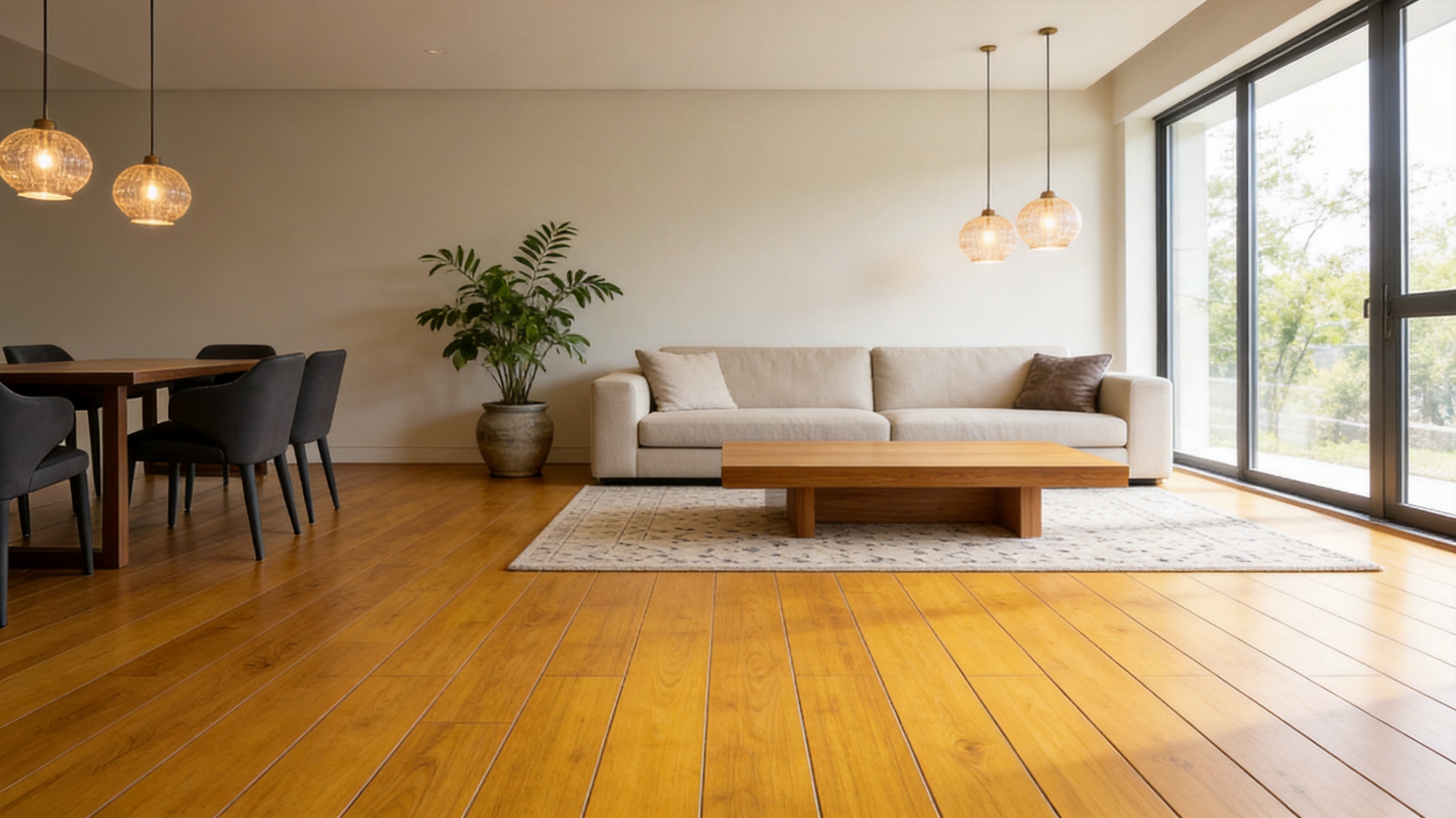
In residential spaces, this flooring can transform the atmosphere of a room. Its warm yellow teak tone creates a comfortable base that works well in living rooms, bedrooms, hallways, dining areas, and private study spaces. The color is inviting without being overly dark, making it suitable for both compact apartments and larger homes.
For modern interiors, the floor can soften clean lines and simple furniture. It adds warmth to white walls, black metal fixtures, and minimalist cabinetry. For rustic interiors, the hand-scraped texture supports a natural and handcrafted look. It pairs well with linen, stone, rattan, leather, and warm lighting. For traditional interiors, the teak grain offers elegance and familiarity, helping create a refined but comfortable environment.
The product is also useful for homeowners who want a natural wood floor but are concerned about the movement risks of solid wood. The engineered core offers improved stability, making the floor more suitable for varied indoor conditions. This is particularly useful in homes where seasonal humidity changes may occur.
Another residential advantage is maintenance simplicity. Daily cleaning can be performed with a soft cloth or suitable wood floor cleaning tool. Rough tools should be avoided to preserve the coating and surface texture. Regular cleaning prevents abrasive dust from wearing the finish and helps maintain the floor’s visual appeal over time.
Commercial interiors increasingly use natural materials to create comfortable and memorable experiences. Hotels, showrooms, offices, boutiques, restaurants, wellness studios, and reception areas often benefit from wood flooring because it makes a space feel warmer and more human. The Multi-Ply Teak Warm Yellow Hand-Scraped Click Engineered Wood Flooring is well suited for commercial settings that require both aesthetic value and dependable supply.
The warm teak tone can make commercial spaces feel welcoming. In a boutique store, it can create a premium background for merchandise. In an office, it can soften the work environment and add visual comfort. In a hotel room or lounge, it can contribute to a relaxed atmosphere. In a showroom, it can help display furniture, doors, cabinets, or interior materials with a natural foundation.
The engineered construction is important for commercial projects because stability and consistency affect installation schedules and long-term performance. Large projects require cartons to match in quality, color range, dimensions, machining accuracy, and finish performance. The manufacturing capabilities behind this product support these needs through controlled production lines, inspection procedures, and customization systems.
Compared with low-cost flooring options that may offer attractive pricing but inconsistent quality, this product provides a better balance of appearance, stability, certification support, and manufacturing reliability. For commercial buyers, reducing risk is often as important as reducing material cost. A stable engineered floor from an experienced manufacturer can help minimize delays, complaints, and replacement costs.
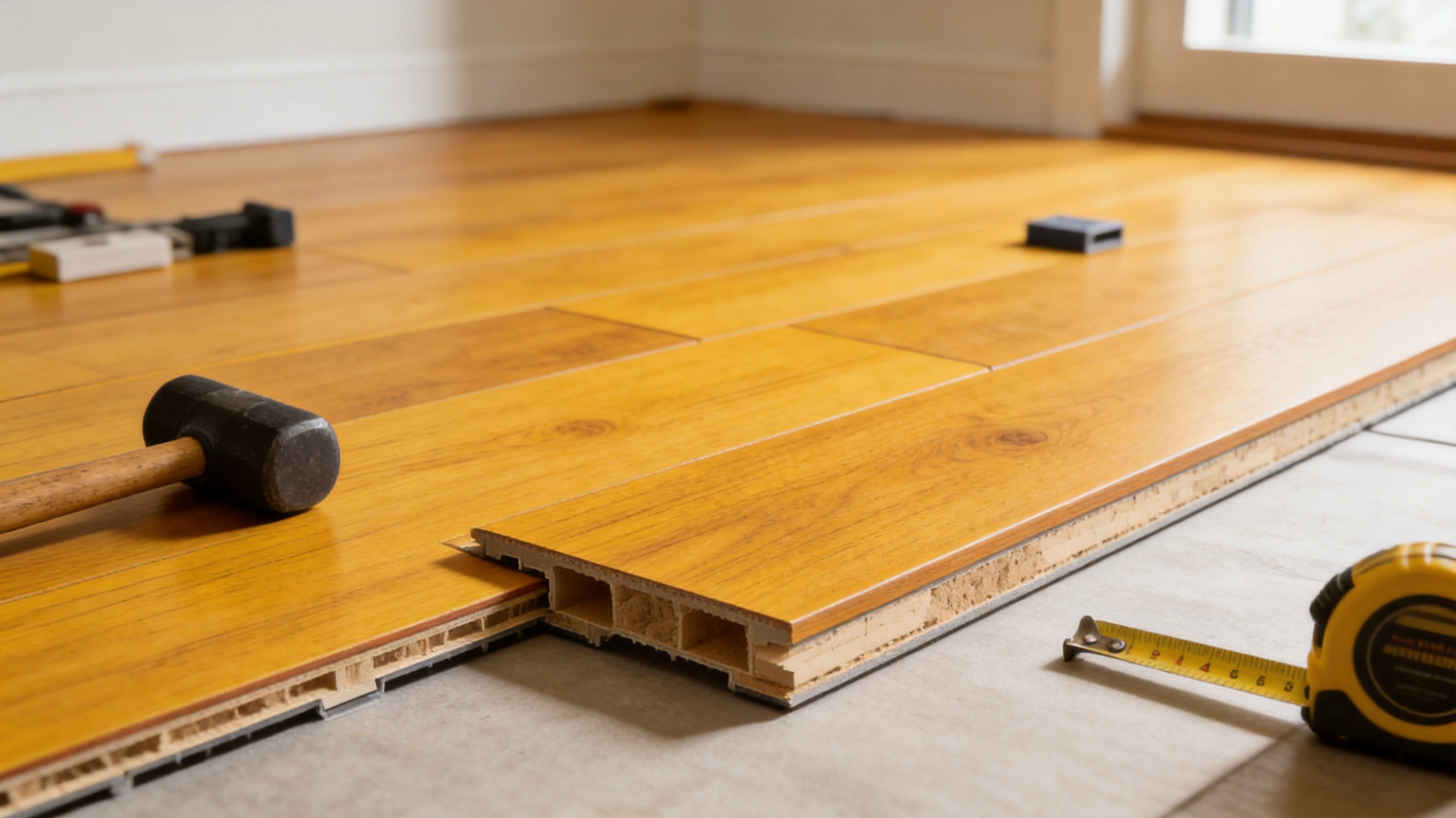
Customization is one of the strongest reasons to choose this flooring system. The product can be adapted in veneer species, veneer thickness, grade, finish, texture, size, and color. This allows business buyers to create product lines tailored to regional preferences and project requirements.
For distributors, customization supports market differentiation. Instead of selling the same generic floor as every competitor, a distributor can request specific colors, grades, textures, and finishes to match local demand. Warm yellow teak may be ideal for customers seeking a bright and natural look, while other markets may prefer oak, walnut, ash, darker tones, matte finishes, or wire-brushed textures.
For contractors, customization supports project coordination. A hotel, apartment development, office, or retail chain may require flooring that matches doors, cabinets, wall panels, or design standards. Because the manufacturer also specializes in wooden doors and custom cabinets, it can support broader interior woodwork coordination. This is a meaningful advantage for projects where flooring must be part of a complete wood solution rather than a separate isolated product.
For architects and designers, customization provides creative control. The same engineered platform can be adjusted for visual intent. A clean AB grade with smooth sanding may fit a contemporary apartment. A more character-rich ABCD grade with hand-scraped texture may suit a rustic villa or hospitality interior. A hardwax oil finish may fit a natural luxury concept, while UV lacquer may be preferred for easy maintenance and stronger surface protection.
Suzhou Dicosbo Wood Co., Ltd. has more than 20 years of experience in wood solutions manufacturing. Founded in 1999, the company has developed production systems that serve flooring, wooden doors, and custom cabinet applications. This broad manufacturing background is important because engineered wood flooring requires knowledge of raw material selection, moisture control, lamination, machining, finishing, packaging, and quality inspection.
The company operates approximately 20,000 square meters of production facilities and has more than 10 years of export experience. Its annual production capacity includes 2,400,000 square meters of flooring and 5,000 sets of doors. This scale helps support stable supply for distributors and project buyers who need predictable delivery rather than occasional small-batch availability.
Advanced production lines, including German imported production equipment and automated quality control systems, support consistency. In engineered flooring, small variations can create significant installation problems. Thickness inconsistency, poor milling, weak locking profiles, uneven coating, or unstable core materials can cause complaints. Automated systems and established production procedures help reduce these risks.
The company also offers OEM and ODM services. OEM production allows buyers to specify flooring under their own brand requirements, while ODM capability supports product development based on market trends or project concepts. The 72-hour rapid prototyping service is especially useful for business buyers who need to evaluate colors, textures, and specifications quickly before confirming bulk production.
Quality inspection is essential for engineered wood flooring because customers expect consistent performance across every carton. The company applies a strict three-step quality inspection process. While each project may require specific control points, the overall approach can be understood as inspection before production, during production, and before shipment.
Before production, raw materials must be evaluated. This includes checking veneer quality, core material condition, moisture content, dimensions, and suitability for the required grade. Selecting appropriate veneer and stable plywood is the foundation of a reliable finished floor.
During production, the lamination, profiling, sanding, texturing, and finishing processes must be monitored. The bond between the veneer and core must be strong. The click profile must be accurate. The micro-bevel must be consistent. The hand-scraped texture must match the approved sample. The UV coating must be evenly applied and properly cured.
Before shipment, finished products must be checked for appearance, dimensions, carton information, coverage, surface defects, locking performance, and packaging condition. This final inspection is critical because exported flooring may travel long distances and must arrive ready for distribution or installation.
This disciplined inspection system gives the product an advantage over competitors that rely on less structured production control. For business buyers, quality consistency reduces replacement claims, installation delays, customer dissatisfaction, and brand risk.
Modern flooring buyers increasingly require proof of compliance and responsible sourcing. This product is supported by certifications and standards including CE, FSC, CARB P2, and ISO 9001 related manufacturing systems. These standards help demonstrate that the manufacturer understands international market requirements and can support export buyers with documentation and compliance expectations.
FSC certification is especially important for customers concerned about responsible forest management and traceable wood sourcing. CE compliance supports entry into European-related markets and indicates attention to recognized product requirements. CARB P2 is relevant for formaldehyde emission control in composite wood products, which is important for indoor air quality and regulatory acceptance. ISO 9001 reflects quality management system discipline.
Compared with uncertified or poorly documented flooring suppliers, a manufacturer with international compliance capabilities gives buyers more confidence. This is especially important for distributors, contractors, architects, and developers working on regulated projects, public tenders, or environmentally conscious developments.
Sustainability is not only about certification. Engineered wood flooring also uses valuable decorative wood more efficiently by applying the selected veneer as the top layer while using engineered core materials for structure. This allows the appearance of premium wood to be achieved with more resource-conscious construction than solid planks of the same species.
The Multi-Ply Teak Warm Yellow Hand-Scraped Click Engineered Wood Flooring offers several advantages when compared with common alternatives in the market. First, it combines natural teak veneer with engineered stability. Some competitors may offer attractive wood visuals but use weaker cores, limited veneer thickness, or less stable construction. This product’s eucalyptus or birch multi-layer core supports better resistance to warping and cracking.
Second, the product provides a customizable veneer thickness range. Many entry-level engineered floors offer only a thin top layer, limiting design and performance choices. With options such as 2 mm, 3 mm, 4 mm, and 6 mm, buyers can match the floor to project value, expected use, and market positioning.
Third, the hand-scraped surface offers both visual richness and practical concealment of minor wear. Smooth low-cost floors can appear flat and may show scratches more clearly. The textured teak surface offers a more natural and forgiving appearance.
Fourth, the click system improves installation flexibility and efficiency. Competitor products with less accurate milling or basic tongue-and-groove designs may require more labor and may be less suitable for fast renovations. The click-lock design helps installers create tight joints and supports multiple installation methods.
Fifth, the 7-layer UV coating system provides structured surface protection. Some cheaper floors may use thinner or lower-quality finishes that wear quickly. A controlled UV coating system supports better daily durability and appearance retention.
Sixth, the manufacturer’s scale, export experience, and quality inspection process provide commercial reliability. Product performance is not only about the sample; it is about consistent bulk production. The company’s production capacity and inspection process help ensure that repeat orders and project quantities meet expectations.
Each carton contains 10 pieces and covers approximately 2.39 square meters, or 25.73 square feet. The carton weight is approximately 24 kg. These packaging details are useful for logistics planning, warehouse management, container loading, and installation site handling.
For contractors, clear carton coverage helps calculate order quantities and waste allowance. Flooring projects typically require extra material for cutting, layout alignment, future repair, and site-specific conditions. Because this product has a natural veneer, buyers should also plan for color blending during installation. Opening multiple cartons and mixing planks helps create a balanced appearance across the floor.
For distributors, stable carton specifications help simplify inventory management and sales calculations. Customers can estimate room coverage more easily, and sales teams can provide accurate quantity recommendations. For export buyers, predictable weight and carton size support freight planning and cost control.
Proper packaging also protects the flooring during transportation. Engineered flooring must be shielded from moisture, impact, and deformation during storage and shipping. The manufacturer’s export experience helps support appropriate packaging practices for global delivery.
Although the click system simplifies installation, professional preparation remains essential. The subfloor should be clean, dry, level, and structurally sound. Moisture conditions should be tested according to appropriate flooring installation standards. The flooring should be acclimated as recommended for the project environment.
For floating installation, the click system allows planks to lock together without full-surface adhesion. A suitable underlayment may be required depending on acoustic, moisture, and comfort needs. Expansion gaps should be maintained around walls, columns, and fixed objects to allow natural movement.
For glue-down installation, the correct adhesive should be selected for engineered wood flooring and the subfloor type. Full-spread adhesive can create a firm underfoot feel and may be preferred in certain commercial settings. The installer should follow adhesive open time and trowel recommendations carefully.
For staple installation, the subfloor must be suitable for mechanical fastening. Fastener type, spacing, and method should match flooring and site requirements. Improper fastening can damage the locking profile or cause noise, so experienced installers are recommended.
Before installation, planks should be inspected for visible defects or unacceptable variation. Because natural wood has color and grain differences, layout planning is important. Installers should distribute lighter and darker boards evenly and avoid clustering similar patterns in one area.
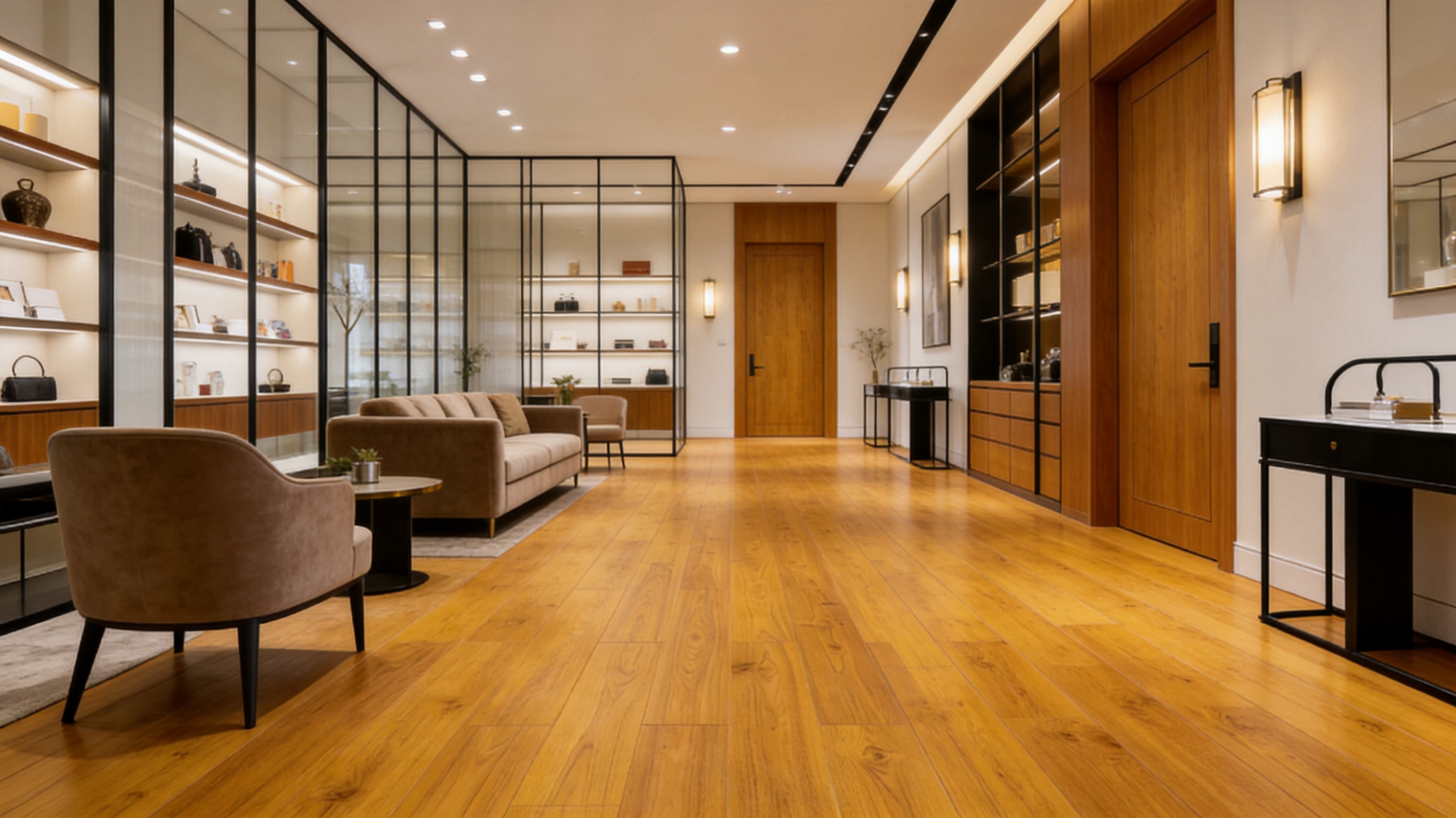
Daily maintenance is straightforward. Dust, sand, and small particles should be removed regularly because they can act like abrasives underfoot. A soft cloth, microfiber mop, or suitable wood floor cleaning tool is recommended. Rough brushes, steel wool, and aggressive cleaning pads should be avoided.
Excess water should not be used. Like all wood-based flooring, engineered wood can be affected by prolonged moisture exposure. Spills should be wiped promptly. Cleaning products should be compatible with the selected finish, whether UV lacquer, UV oil, or hardwax oil.
Furniture pads should be placed under chair legs, table legs, and movable furniture. Entry mats can help reduce sand and dirt at doorways. Heavy furniture should be lifted rather than dragged. Maintaining stable indoor humidity also supports long-term flooring performance.
The hand-scraped texture helps the floor remain visually appealing even with normal daily use. However, regular care is still the best way to preserve the warmth, surface clarity, and tactile beauty of the teak veneer.
One notable advantage of working with Suzhou Dicosbo Wood Co., Ltd. is that the company does not only manufacture flooring. It also provides wooden doors and custom cabinet solutions. This broader interior woodwork capability is valuable for projects where visual coordination matters.
In residential developments, buyers may want flooring, doors, and cabinets that share compatible colors or wood tones. In hotels, restaurants, and commercial interiors, coordinated wood elements can strengthen the design identity of the space. A manufacturer that understands multiple wood product categories can support better material matching and communication across the project.
This is especially useful for OEM and ODM buyers. A distributor may develop a complete interior package. A contractor may need flooring and doors for the same building. An architect may want consistent wood finishes across floors, wall panels, doors, and cabinetry. The company’s manufacturing range can reduce the complexity of sourcing from multiple suppliers.
The product therefore fits into a larger concept: durable, sustainable, customizable wood products that enhance interior spaces. The flooring is not merely a single item; it is part of a flexible manufacturing system designed to serve global residential and project-based applications.
This flooring is suitable for several types of buyers. Flooring distributors can use it as a premium or mid-premium engineered wood product with strong customization options. The teak visual, hand-scraped surface, click system, and certification support make it attractive for retail and wholesale channels.
Contractors can specify it for residential renovations, apartment projects, hospitality interiors, and commercial spaces where natural warmth and stable performance are required. The multiple installation methods give contractors flexibility across different jobsite conditions.
Architects and designers can use it when they need a warm natural floor that can support different interior styles. Its customizable finish, grade, and texture options make it adaptable to many design concepts.
Developers can consider it for projects requiring consistent supply, international compliance, and a natural wood appearance that increases perceived interior value. The manufacturer’s production capacity and export experience support larger order requirements.
Homeowners can choose it for living rooms, bedrooms, and other interior spaces where comfort, natural beauty, and easy maintenance are priorities. The warm yellow teak tone helps create a welcoming home atmosphere.
This product uses a natural teak veneer over a multi-layer engineered core. Compared with ordinary solid wood flooring, the engineered structure provides improved dimensional stability and better resistance to warping and cracking. It still offers a real wood surface, but the plywood core helps the plank perform more reliably in modern indoor environments.
Yes. The visible surface is a natural wood veneer. In this product, the featured veneer is teak with a warm yellow tone. The veneer thickness can be customized, with options including 2 mm, 3 mm, 4 mm, and 6 mm.
A hand-scraped surface adds natural texture, visual depth, and a crafted appearance. It can also help reduce the visibility of small scratches or everyday marks compared with a perfectly smooth surface. This makes it attractive for homes and selected commercial interiors.
Yes. Custom sizes and colors are available. Surface finish options include UV lacquer, UV oil, and hardwax oil. Surface texture options include wire brushed, hand-scraped, and smooth sanded. Veneer grade and species can also be customized.
The flooring supports floating, glue-down, and staple installation methods, depending on site conditions and installer recommendations. The click system helps create tight joints and can improve installation efficiency.
Yes. It is suitable for commercial spaces that seek natural warmth, comfort, and visual appeal. It can be considered for boutiques, offices, hospitality interiors, showrooms, and similar applications. Proper installation and maintenance are important for long-term performance.
Use a soft cloth, microfiber mop, or suitable wood flooring cleaning tool. Avoid rough tools, excessive water, and harsh chemicals. Regular cleaning helps preserve the surface finish and maintain the natural beauty of the teak veneer.
The product is supported by international compliance and quality standards including CE, FSC, CARB P2, and ISO 9001 related manufacturing systems. These standards help support global distribution and project requirements.
The multi-ply core improves stability by reducing excessive movement caused by changes in indoor humidity and temperature. It helps the flooring resist warping and cracking more effectively than many less stable alternatives.
The product is manufactured by Suzhou Dicosbo Wood Co., Ltd., a wood solutions manufacturer founded in 1999. The company specializes in flooring, wooden doors, and custom cabinets, with large-scale production capacity, export experience, OEM and ODM services, and strict quality inspection procedures.
The Multi-Ply Teak Warm Yellow Hand-Scraped Click Engineered Wood Flooring offers a compelling balance of beauty, engineering, and manufacturing reliability. Its natural teak veneer brings warmth and character to interiors, while its hand-scraped surface adds tactile richness and practical visual forgiveness. The multi-layer eucalyptus or birch plywood core helps resist deformation and cracking, giving the floor better stability than many traditional solid wood options and lower-quality engineered alternatives.
The click system supports efficient installation, and the product can be installed by floating, glue-down, or staple methods depending on project needs. The 7-layer UV coating system contributes to daily wear and scratch resistance, while finish options such as UV lacquer, UV oil, and hardwax oil provide flexibility for different design and maintenance preferences.
For business buyers, the product’s customization capabilities are especially important. Veneer species, veneer thickness, grade, surface texture, finish, color, and size can be adjusted to meet market and project requirements. This makes the flooring suitable not only as a standard product but also as a platform for tailored collections and project-specific specifications.
The manufacturing strength behind the product adds another layer of value. With more than 20 years of wood manufacturing experience, significant production capacity, export expertise, rapid prototyping, automated quality control systems, and international compliance support, Suzhou Dicosbo Wood Co., Ltd. provides the reliability required by distributors, contractors, architects, and developers.
In a competitive flooring market, the best choice is not simply the product with the lowest price or the most attractive sample. The best choice is a flooring solution that combines natural appearance, structural performance, installation efficiency, quality consistency, customization support, and responsible manufacturing. This multi-ply teak engineered wood flooring meets those expectations and stands as a strong option for residential and commercial interiors seeking long-lasting warmth, stability, and design value.
Engineered Wood Flooring Manufacturing and Performance Guidelines, International Wood Products Technical Publications.
Wood Flooring Installation Principles, National Wood Flooring Association Technical Manual.
European CE Marking Principles for Construction Products, Building Materials Compliance Handbook.
Forest Stewardship Council Chain-of-Custody and Responsible Sourcing Guidance.
CARB Phase 2 Composite Wood Product Emission Standards Overview.
ISO 9001 Quality Management Systems: Process Control and Continuous Improvement Principles.
Wood Coatings and UV-Cured Finish Technology, Industrial Flooring Surface Protection Reference.

We provide customers with sustainable and eco-friendly
engineered wood solutions and services.
Choose DEIF for the perfect blend of
performance and aesthetics.
