


 English
 Español
 عربى
عربى

Get Social
Choose DEIF for the perfect blend of
performance and aesthetics.
 Get Free Sample

Content
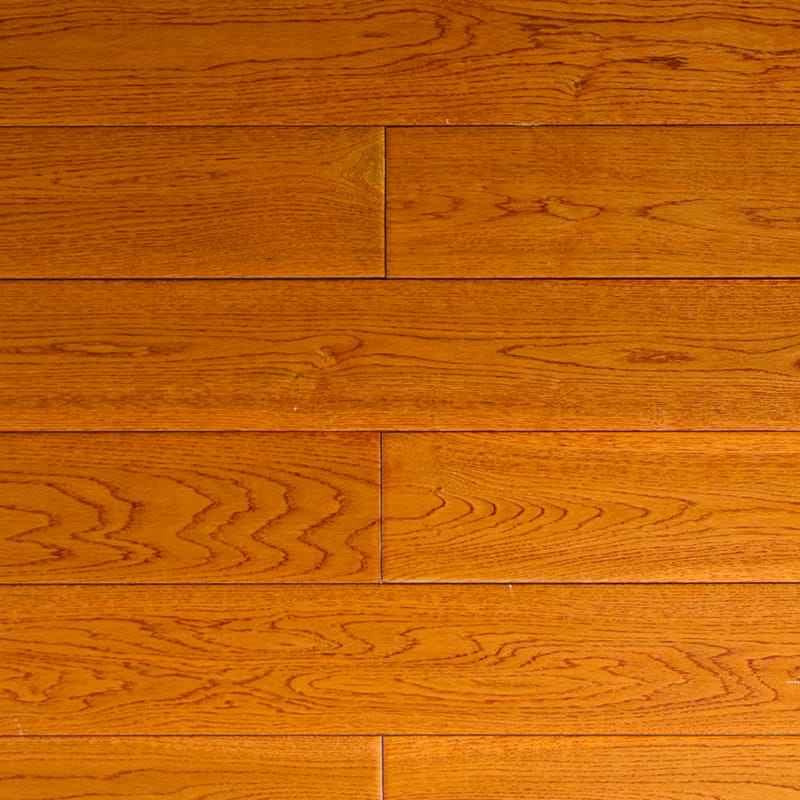
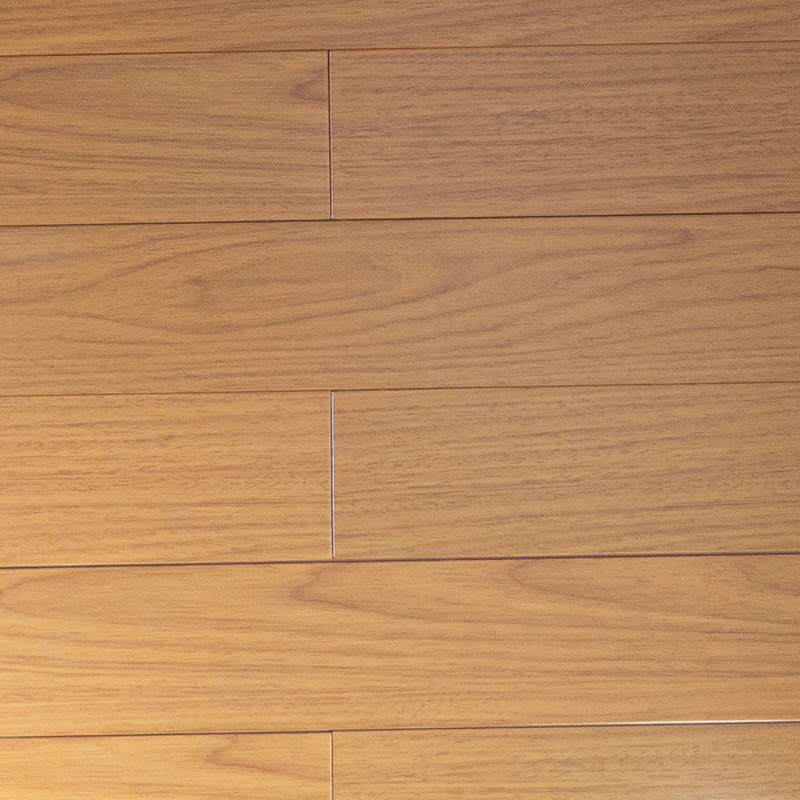
Engineered wood flooring has become one of the most practical and design-forward choices for residential, hospitality, retail, and light commercial interiors. Among the many options available, 3-layer oak light grey tone hand-scraped click engineered wood flooring stands out because it combines authentic wood beauty, structural stability, installation efficiency, and broad customization potential. Designed with a natural oak veneer surface, a solid 3-layer engineered structure, a reliable click-lock profile, and a protective UV coating system, this flooring is suitable for spaces that require visual warmth, controlled rustic character, and long-term performance.
The product is especially aligned with modern minimalist, Scandinavian, Japandi, and Wabi-Sabi interior concepts. Its light grey tone softens the visual presence of oak, allowing the natural grain to remain visible while creating a calm, refined atmosphere. The hand-scraped texture adds depth and tactile interest without overwhelming the room. Unlike overly polished floors that may appear artificial, this flooring maintains the organic qualities of real wood while benefiting from engineered construction.
For distributors, contractors, designers, and project buyers, the value of this product is not limited to its surface appearance. It also reflects a controlled manufacturing system supported by advanced production lines, strict quality inspection, international compliance, and customization capability. Suzhou Dicosbo Wood Co., Ltd., known through its DEIF wood solutions, has developed this product for global customers who require reliable wood flooring with stable supply, project adaptability, and consistent quality.
3-Layer Oka Light Grey Tone Hand-scraped Click Engineered Wood Flooring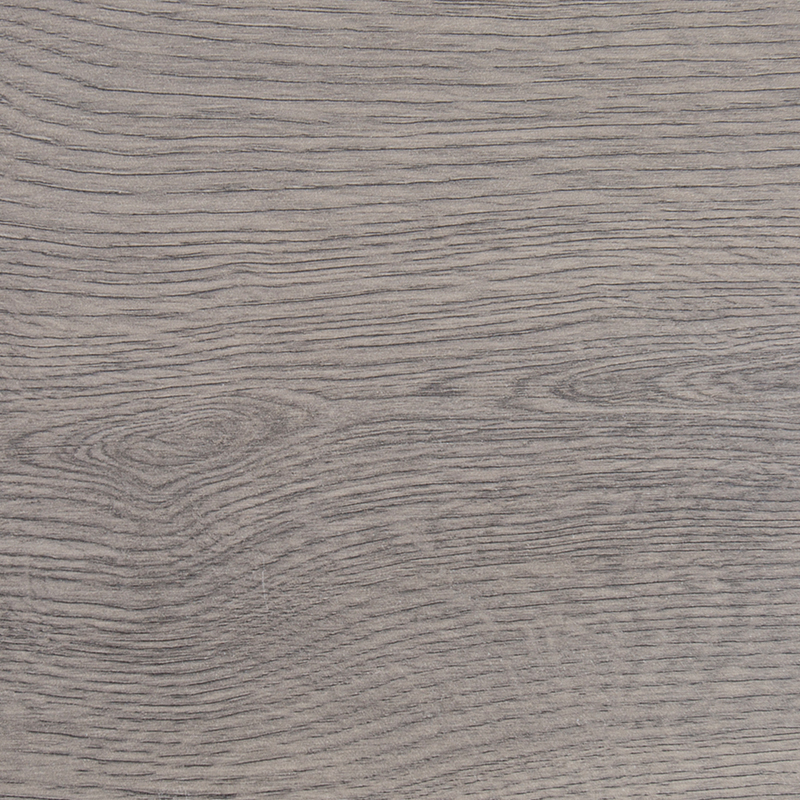
The 3-layer oak light grey tone hand-scraped click engineered wood flooring is part of the 3-Layer Engineered Flooring collection. Its standard listed dimension is 48.0 inches by 7.7 inches by 5/8 inch, with 10 pieces per carton, 2.39 square meters per carton, and approximately 25.73 square feet per carton. Each carton weighs about 24 kilograms, which reflects the substantial structure and material density of the flooring.
The floor is designed with a natural wood veneer surface and a 3-layer engineered wood core. The standard face veneer is oak, while other veneer species such as walnut, ash, and teak can be customized according to project requirements. Veneer thickness options include 2 mm, 3 mm, 4 mm, and 6 mm, allowing customers to select a specification that aligns with budget, renovation expectations, sanding potential, and end-use environment.
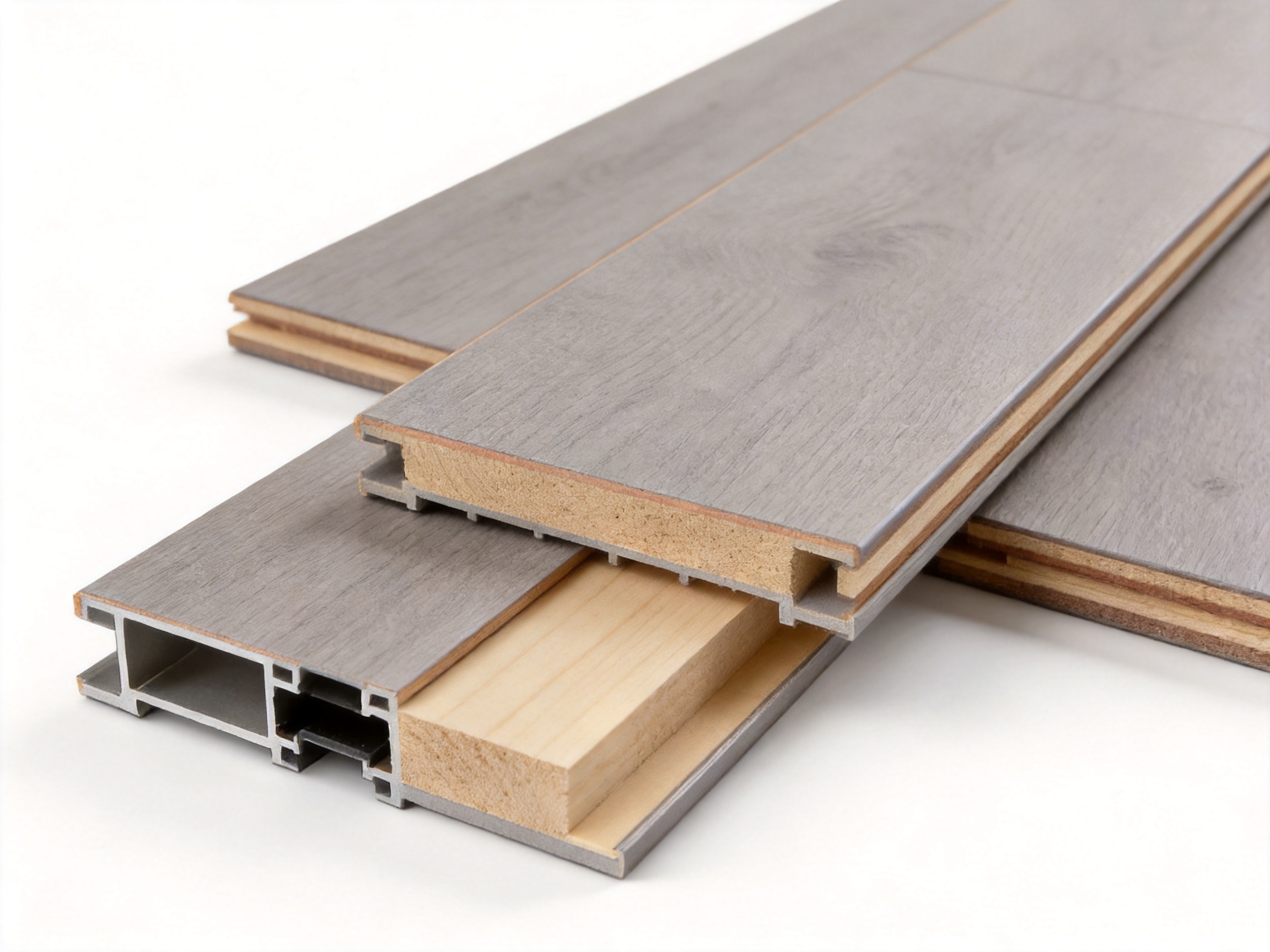
The core layer uses spruce or pine in the 3-layer engineered structure. This core design helps reduce the movement commonly associated with solid wood flooring, making the product more stable under normal indoor humidity fluctuations. The flooring also features a micro-bevel on all four sides, a click system for easy installation, and customizable surface finishes including UV lacquer, UV oil, and hardwax oil.
The available surface textures include wire brushed, hand-scraped, and smooth sanded, though the featured model emphasizes a hand-scraped appearance. The hand-scraped finish brings out the natural character of oak and gives the floor an artisan-inspired surface. It is suitable for customers who prefer wood flooring that feels natural and lived-in rather than flat and industrial.
| Product Type | 3-Layer Engineered Wood Flooring |
| Featured Surface Species | Oak |
| Color Tone | Light Grey |
| Surface Texture | Hand-Scraped, Customizable |
| Standard Dimension | 48.0″ × 7.7″ × 5/8″ |
| Face Veneer Options | Oak, Walnut, Ash, Teak |
| Veneer Thickness Options | 2 mm, 3 mm, 4 mm, 6 mm |
| Core Construction | 3-Layer Engineered Wood |
| Core Layer | Spruce or Pine |
| Veneer Grades | AB, ABC, ABCD, CD |
| Surface Finish Options | UV Lacquer, UV Oil, Hardwax Oil |
| Edge Profile | Micro-Bevel on Four Sides |
| Locking System | Click System |
| Installation Methods | Floating, Glue-Down, Staple |
| Certifications | CE, FSC, CARB P2, ISO 9001 Support |
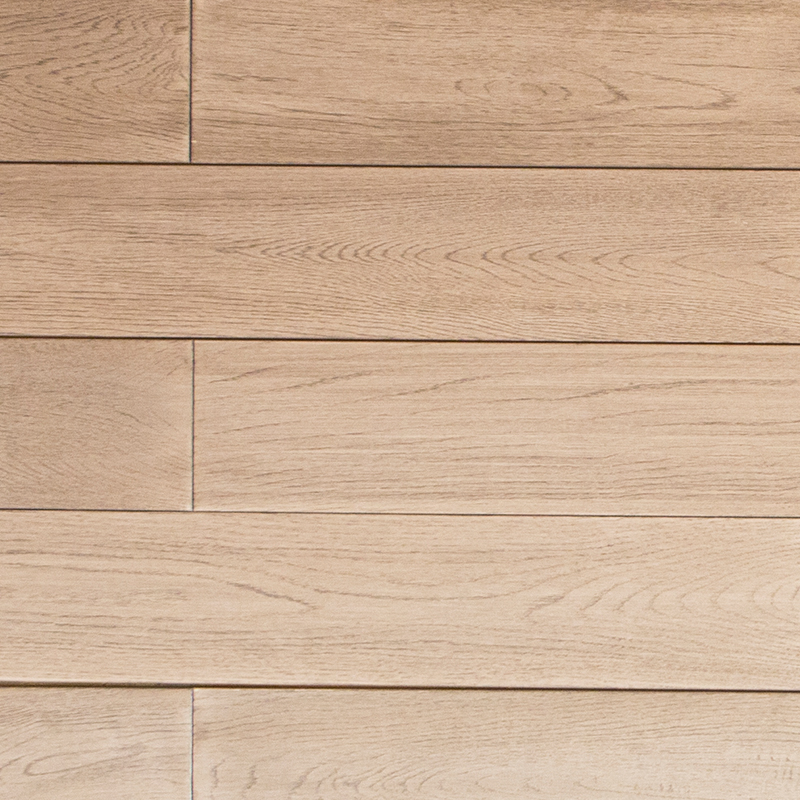
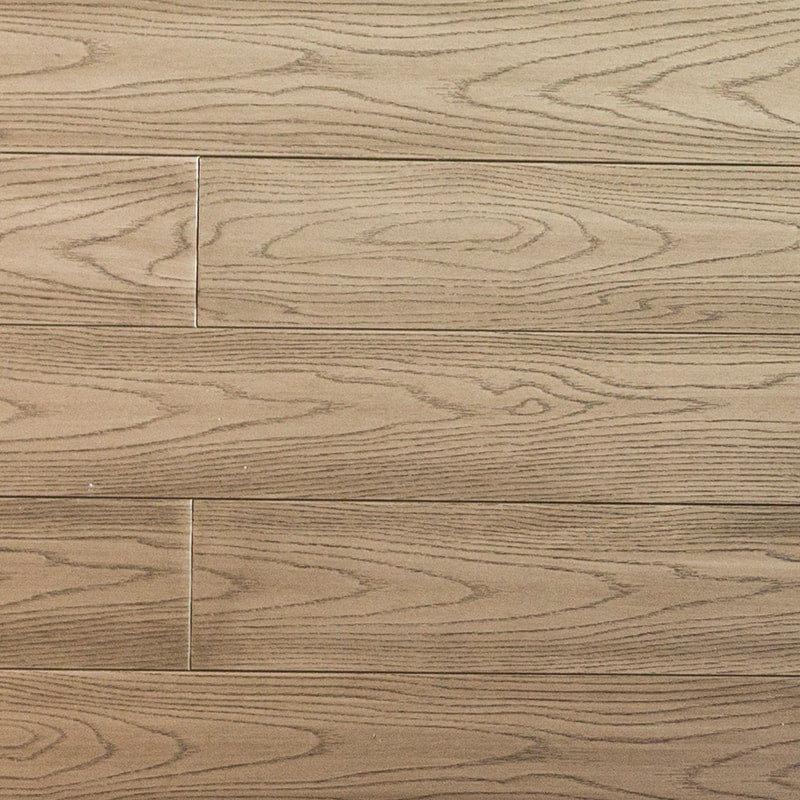
The light grey tone is one of the strongest visual advantages of this engineered oak flooring. Traditional oak flooring often appears golden, honey-toned, or brown, which may not suit contemporary interiors that favor muted, neutral palettes. By applying a soft grey tone to the oak surface, the product delivers a calm and modern character while retaining the natural grain variation of real wood.
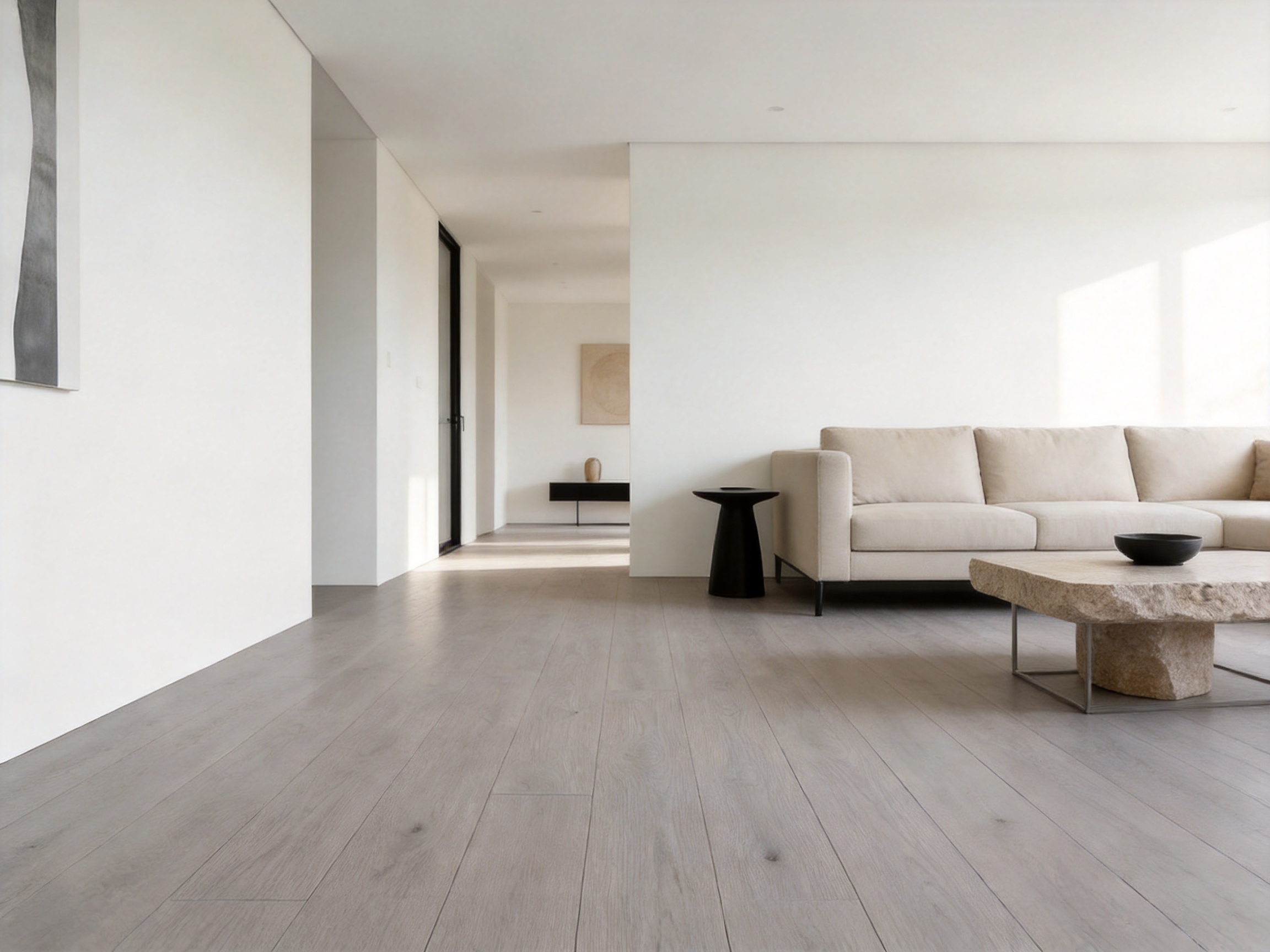
Light grey flooring is particularly useful in interiors where designers want to create a sense of openness. It reflects more light than dark wood flooring and can make compact rooms feel larger. In bedrooms, studies, apartments, and boutique spaces, the subtle color helps establish a peaceful atmosphere. It also pairs well with white walls, natural stone, linen fabrics, matte black fixtures, soft beige upholstery, and minimalist furniture.
Compared with artificial grey laminate or vinyl flooring, this product offers authentic wood texture and natural veneer depth. The grain does not look printed or repetitive. Each plank carries a unique wood pattern, giving the installed floor a more premium and organic appearance. This authenticity is a major advantage for residential owners and commercial clients who want the practicality of engineered flooring without losing the emotional value of real wood.
The tone also supports Wabi-Sabi design, a style that appreciates imperfect beauty, natural materials, and quiet simplicity. The hand-scraped surface supports this concept by showing subtle irregularities and tactile character. Instead of looking mass-produced, the floor appears crafted and grounded, which can be a significant advantage in boutique hotels, wellness studios, cafes, villas, and upscale apartments.
The hand-scraped surface texture is more than a decorative feature. It creates a tactile surface that emphasizes the grain and natural movement of oak. In daily use, hand-scraped floors can also be more forgiving than completely smooth surfaces because minor marks may blend more naturally into the textured finish. This is valuable in family homes, rental properties, and moderate-traffic commercial interiors.
Many competitor products rely on a simple smooth surface because it is easier to manufacture. While smooth flooring can look elegant, it may reveal scratches, dents, and dust more easily, particularly when finished in darker or highly reflective coatings. A hand-scraped engineered oak floor provides more visual depth and helps maintain an attractive appearance under real-life conditions.
The surface texture also improves the sensory experience of the floor. People do not only look at flooring; they walk on it, touch it, clean it, and live with it every day. A lightly hand-scraped surface can make the floor feel warmer and more natural underfoot. For designers focused on hospitality and residential comfort, this surface quality can contribute to the overall emotional atmosphere of a space.
The manufacturer’s ability to offer other textures, such as wire brushed or smooth sanded, also gives buyers flexibility. A distributor can serve different market preferences with one manufacturing partner, while a project contractor can adapt the same core product platform to various design schemes. This flexibility is one reason engineered wood flooring from a strong OEM/ODM supplier can outperform generic stock products.
One of the most important performance advantages of this flooring is its 3-layer engineered construction. Solid wood flooring is beautiful, but it is sensitive to moisture and humidity changes. It expands and contracts across the grain, and in challenging environments it can cup, warp, or crack. Engineered wood flooring addresses these issues by using a layered construction that improves dimensional stability.
In this 3-layer system, the oak veneer provides the visible hardwood surface, while the spruce or pine core supports the structure. The cross-layered engineering helps balance internal stresses and reduce movement. This makes the floor more stable than traditional solid wood flooring in many indoor applications. It is especially suitable for regions or buildings where seasonal humidity changes are expected, provided that normal indoor environmental control is maintained.
Compared with low-end multi-ply flooring that may use inconsistent core materials or poor bonding, a well-produced 3-layer floor offers a strong balance between performance and natural material content. The structure is substantial, the core is solid, and the surface veneer provides the genuine hardwood appearance customers expect. The result is a floor that feels closer to solid wood while delivering better resistance to deformation and cracking.
The product also benefits from customizable veneer thickness. A thicker veneer can support future refinishing potential and a longer service life, while a thinner veneer may be appropriate for cost-sensitive projects where the floor will still deliver the visual effect of oak. This specification flexibility gives buyers more control over project cost and performance positioning.
The click system is another important competitive advantage. Traditional tongue-and-groove wood flooring often requires more labor, adhesive, nails, or specialized installation skills. A click-lock system simplifies the installation process by allowing planks to connect securely and efficiently. This can reduce jobsite time, labor cost, and installation complexity.
For residential renovation projects, click engineered flooring is particularly attractive because it can often be installed as a floating floor over suitable underlayment and prepared subfloors. The product also supports glue-down and staple installation methods, providing flexibility for contractors. Different buildings require different installation strategies, and this floor can adapt to multiple project conditions.
The arc-shaped click-lock design is intended to create a secure fit and support stable plank alignment. When manufactured accurately, the locking profile helps reduce gaps, uneven joints, and installation callbacks. This is essential for commercial projects where schedule reliability and finished appearance are both critical.
Many competitors offer click flooring, but not all click systems are machined with equal precision. The manufacturing process must control plank dimensions, moisture content, profiling accuracy, and edge consistency. A poor click profile can cause installation difficulty or long-term joint instability. The company’s use of advanced production lines and automated quality control systems helps improve the consistency of the locking system and reduce these risks.
The flooring can be finished with UV lacquer, UV oil, or hardwax oil depending on the desired appearance and performance requirements. The general product information highlights a 7-layer UV coating system designed for wear and scratch resistance. This kind of multi-layer surface protection helps the floor withstand daily use while preserving the visual qualities of the oak veneer.
UV lacquer is often selected for projects that require a more protective, easy-to-clean surface. It forms a durable film that resists common household wear and helps reduce maintenance difficulty. UV oil provides a more natural look and can emphasize the wood grain with a softer sheen. Hardwax oil is valued for its natural feel and repairability, making it suitable for premium residential or boutique commercial environments.
The ability to choose the finish is a significant advantage over competitors that only provide one standard coating. Interior projects vary widely. A family home may prioritize easy maintenance, while a design studio may prefer a matte natural finish. A boutique retail space may need both appearance and wear resistance. By offering multiple finish options, the manufacturer enables customers to match the flooring to specific usage and design goals.
The 7-layer UV coating process also demonstrates manufacturing maturity. A reliable coating system requires proper sanding, dust removal, primer application, curing, intermediate coating, top coating, and final inspection. Each layer must bond properly and cure evenly. Defects such as bubbles, uneven sheen, poor adhesion, and surface contamination can reduce product quality. Advanced coating control helps deliver a more consistent finish across cartons and batches.
Global flooring buyers increasingly require proof of responsible sourcing, emission control, and quality management. This product is supported by certifications and compliance standards including CE, FSC, CARB P2, and ISO 9001. These credentials help customers reduce procurement risk and support compliance in residential, commercial, and architectural projects.
FSC certification is important for buyers who value responsible forest management and sustainable sourcing. CE compliance supports access to European markets and demonstrates attention to relevant product requirements. CARB P2 is significant for formaldehyde emission control, especially for buyers serving North America or other markets that reference strict indoor air quality expectations. ISO 9001 reflects a structured quality management system.
Many low-cost competitors may offer visually similar products but lack the documentation required for international distribution or project bidding. In contrast, compliant flooring gives importers, distributors, and contractors stronger confidence. It also helps architects and developers specify the product in projects where certification records are required.
Compliance is not only about documents. It is connected to material selection, adhesive control, production monitoring, finishing systems, storage conditions, and inspection. A manufacturer with a long export history and global customer base is better positioned to understand these requirements and maintain consistency across orders.
Suzhou Dicosbo Wood Co., Ltd. has developed a strong manufacturing foundation in wood flooring, wooden doors, and custom cabinet solutions. Founded in 1999, the company has more than 20 years of wood product experience and more than 10 years of export experience. This background matters because engineered wood flooring requires both woodworking knowledge and international project execution capability.
The company operates approximately 20,000 square meters of production facilities and serves more than 100 global partners across Europe, North America, and Southeast Asia. Its annual production capacity includes 2,400,000 square meters of flooring and 5,000 sets of doors. This capacity supports stable supply for distributors and project contractors who cannot rely on small workshops with limited output.
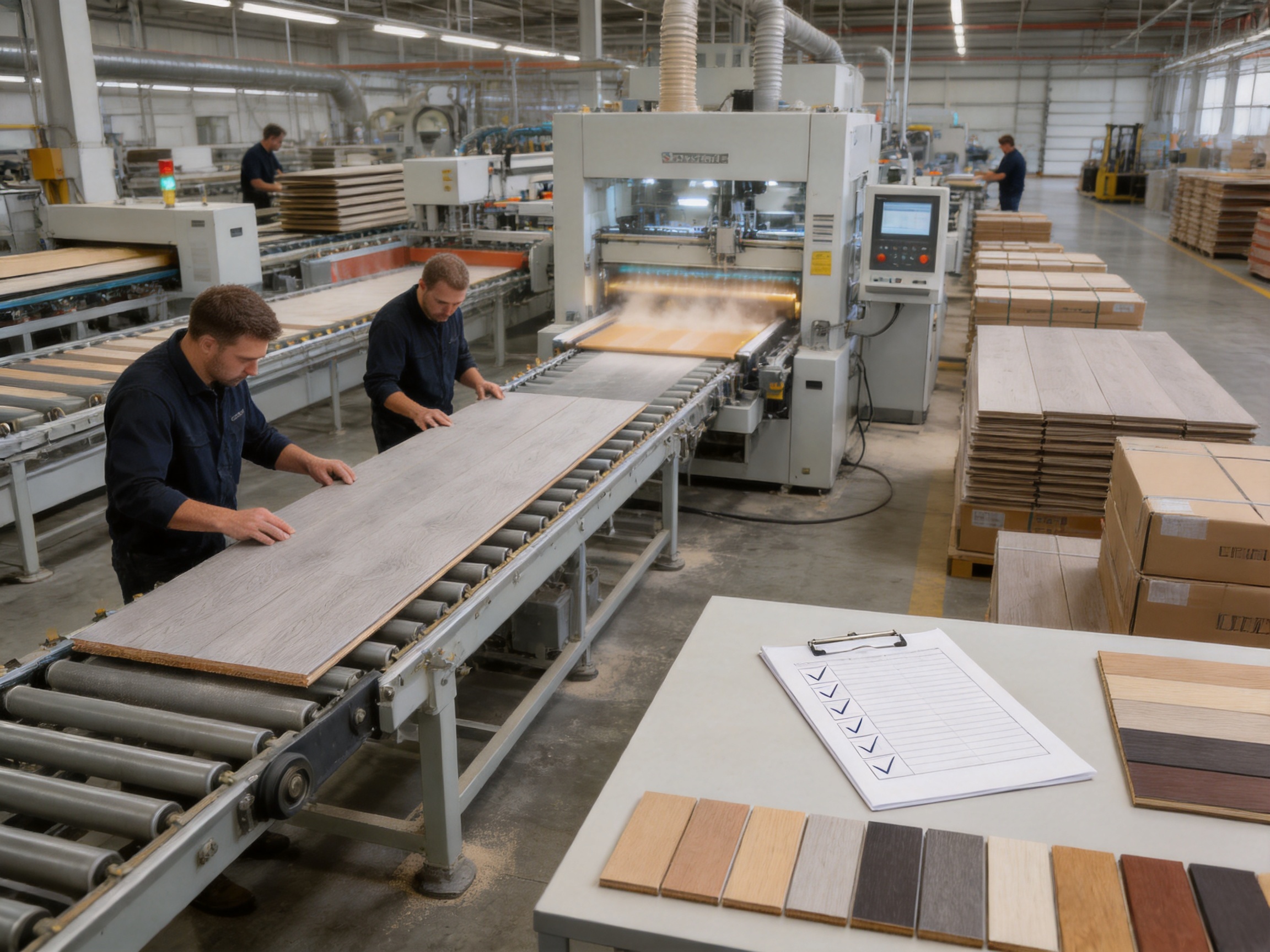
Advanced manufacturing equipment is another advantage. The company uses German imported production lines and automated quality control systems. These systems help improve accuracy in cutting, profiling, sanding, finishing, and inspection. In engineered flooring, small errors can become visible after installation. Dimensional tolerance, moisture balance, surface smoothness, finish uniformity, and click profile precision all require controlled production.
The company also offers OEM and ODM customization, enabling customers to create private-label flooring collections or project-specific specifications. Customization can include size, color, veneer species, veneer grade, surface texture, finish type, and packaging. For importers and distributors, this allows product differentiation in competitive markets. For architects and contractors, it supports matching floors to design concepts and technical requirements.
A 72-hour rapid prototyping capability is particularly useful for project development. When customers need to confirm a color tone, texture, finish, or plank format, fast sampling can shorten decision cycles. This helps accelerate retail collection launches, hotel mock-up approvals, and contractor bidding processes.
The company also applies a strict 3-step quality inspection process. While individual inspection steps may vary by production line, a robust process generally includes raw material inspection, in-process production control, and final product inspection before packing and shipment. This layered approach helps identify defects early, reduce waste, and ensure that finished flooring meets customer expectations.
The quality of engineered oak flooring depends on a sequence of controlled manufacturing steps. The process begins with veneer selection. Oak veneer must be evaluated for grain, color, knots, cracks, mineral streaks, and grade consistency. Depending on the customer’s selected veneer grade, the manufacturer sorts materials to achieve the desired visual standard. AB grade may deliver a cleaner and more uniform appearance, while ABCD or CD grades may include more natural character and rustic variation.
After veneer selection, moisture control is essential. Wood is hygroscopic, meaning it absorbs and releases moisture according to surrounding conditions. If the veneer or core material is not properly dried and conditioned, the finished flooring may develop movement after installation. Controlled drying and conditioning help stabilize the materials before bonding.
The core construction uses spruce or pine layers arranged to improve stability. Proper lamination requires accurate adhesive application, pressure control, temperature control, and pressing time. A strong bond is essential for resisting delamination and maintaining structural integrity. The engineered blank must then be calibrated to the target thickness before profiling and finishing.
Precision profiling creates the click-lock system and micro-beveled edges. This step demands high accuracy because installation performance depends on the fit between planks. If the profile is too tight, installation becomes difficult. If it is too loose, joints may separate or sound hollow. Automated machinery helps maintain consistent tolerances across large production runs.
Surface treatment follows. For the featured product,

We provide customers with sustainable and eco-friendly
engineered wood solutions and services.
Choose DEIF for the perfect blend of
performance and aesthetics.
